



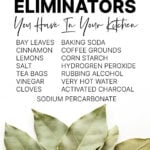
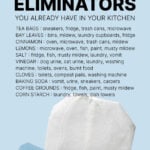


Natural air fresheners can neutralise the real causes of bad smells in our home rather than simply smother them with dodgy fake fragrances.
And many of these natural odour eaters are already sitting in our cupboards ready to tackle the nasty stinks from pets and sneakers to toilets and towels that are making our homes pong!
So in this guide I'll take you through :
- Best natural air fresheners
- Which smells each tackle
- And how to use them to get your home smelling great fast.
But first a quick word about what's wrong with store bought air fresheners...
What's Wrong With Air Fresheners?
Air fresheners can give off VOCs tied to asthma and other health risks including hormone disruption. Yikes!!
With many of us experiencing weird allergies, autoimmune and hormonal issues it seems risky to pump chemicals into our homes that might contribute to our problems.
That doesn't mean natural odour eaters are risk free. But we do know what they are and often with air fresheners we don't. Big brand labels talk about "our eliminator" or "scent technology" which may include 50 different chemicals!
So natural air fresheners can help us reduce the risk of exposing our families to unknown ingredients AND save us money on stuff we don't need!!
Table of Contents
Baking Soda (Bicarb Of Soda)

Best For: vomit, urine, sneakers, carpets but great all rounder
Why It Works: turns stinky acids in vomit, urine & sweat into odourless water & salt and traps smelly gases in air.
How To Use: sprinkle on source of stink for 30 mins then vacuum up. Reapply if necessary. Leave overnight for very bad smells. Remove vomit and soak up dampness of vomit or sick with kitchen roll or rag before sprinkling baking soda.
Coffee Grounds
Best For: fridge, trash cans, fish, paint, musty mildew
Why It Works: rich in nitrogen and natural oils that absorb and neutralise odorous gases while leaving a mild roasted scent.
How To Use: place dried used grounds in a shallow bowl or open jar near the smell. Replace every few days. For bins or compost pails, sprinkle a small handful directly inside.
Corn Starch (Cornflour)
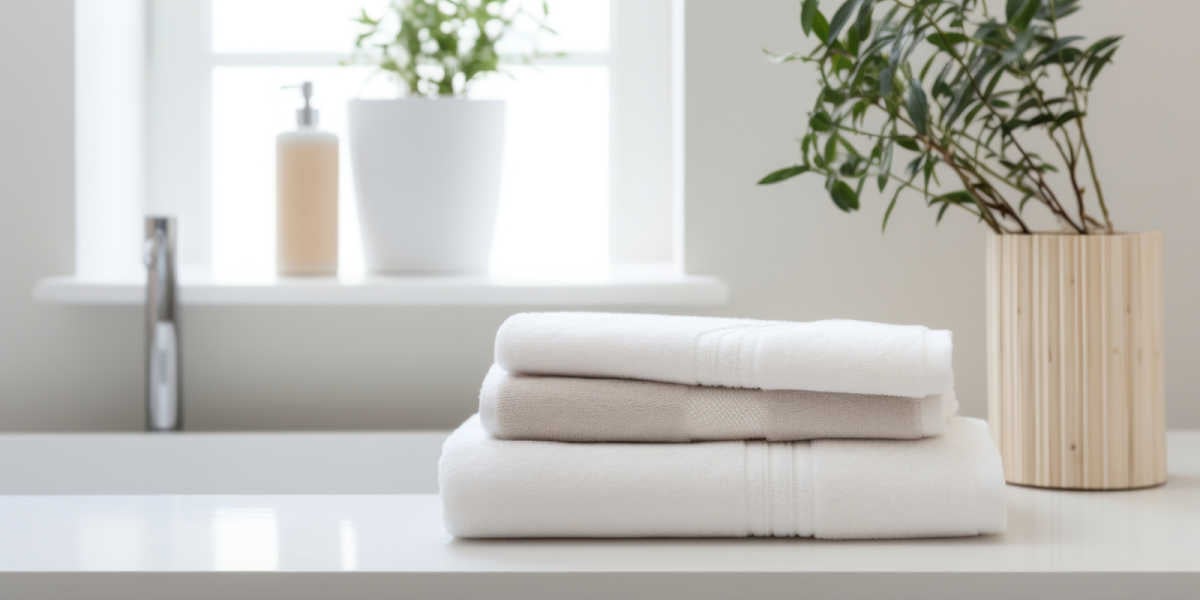
Best For: sneakers, laundry, towels, dish towels, washcloths
Why It Works: absorbs moisture and bacteria-laden sweat that cause sour, musty smells in fabrics and footwear.
How To Use: dust inside shoes or sprinkle on damp-smelling fabrics before washing. Leave overnight, then shake or wash out.
Hydrogen Peroxide
Best For: vomit, dog urine, cat urine, toilets, washing machine
Why It Works: oxidises organic matter and breaks down bacteria that create ammonia and sulphur smells.
How To Use: dilute 1 part peroxide to 2 parts water, spray on affected area, leave for 10–15 minutes, then rinse or wipe. Always test colourfastness first.
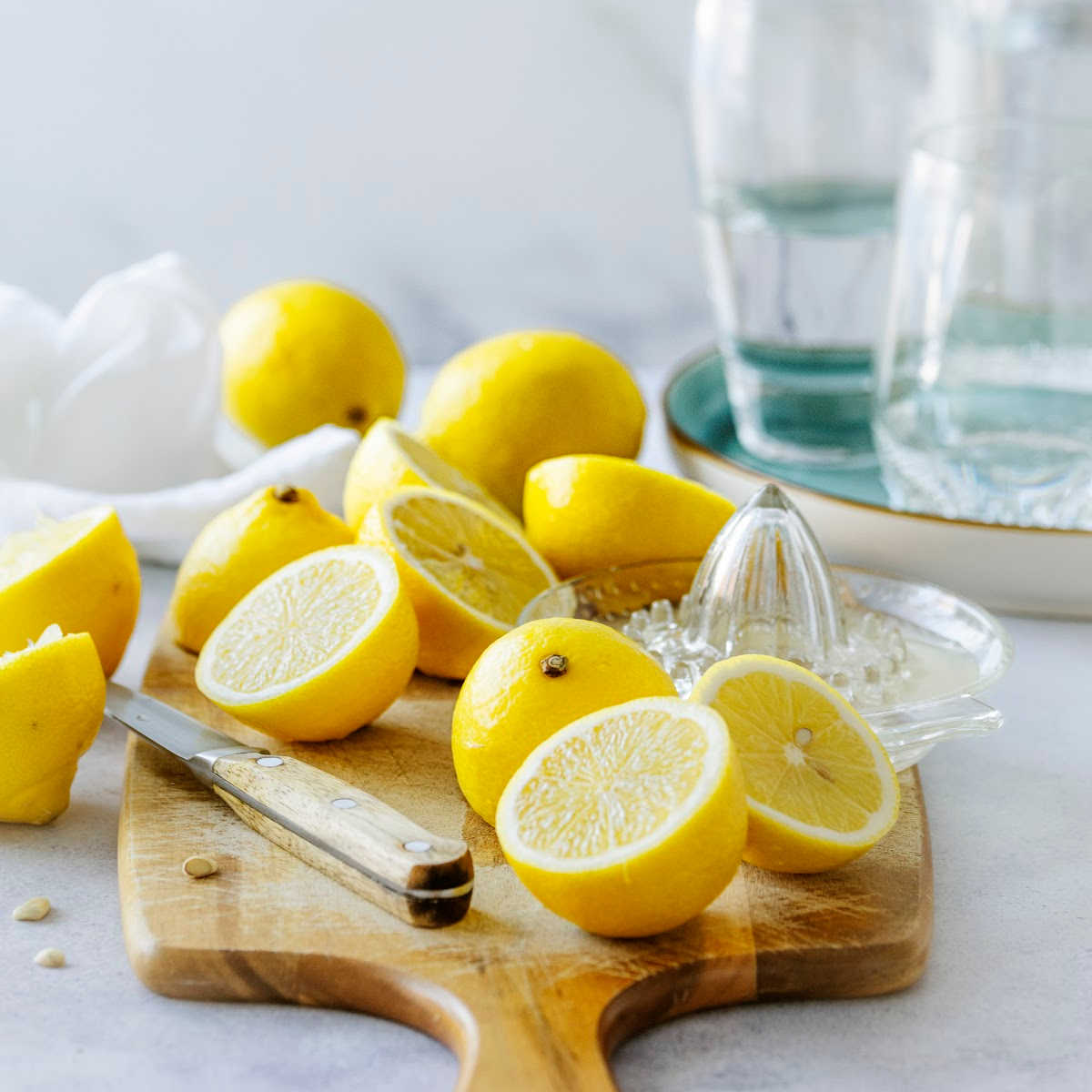
Lemons
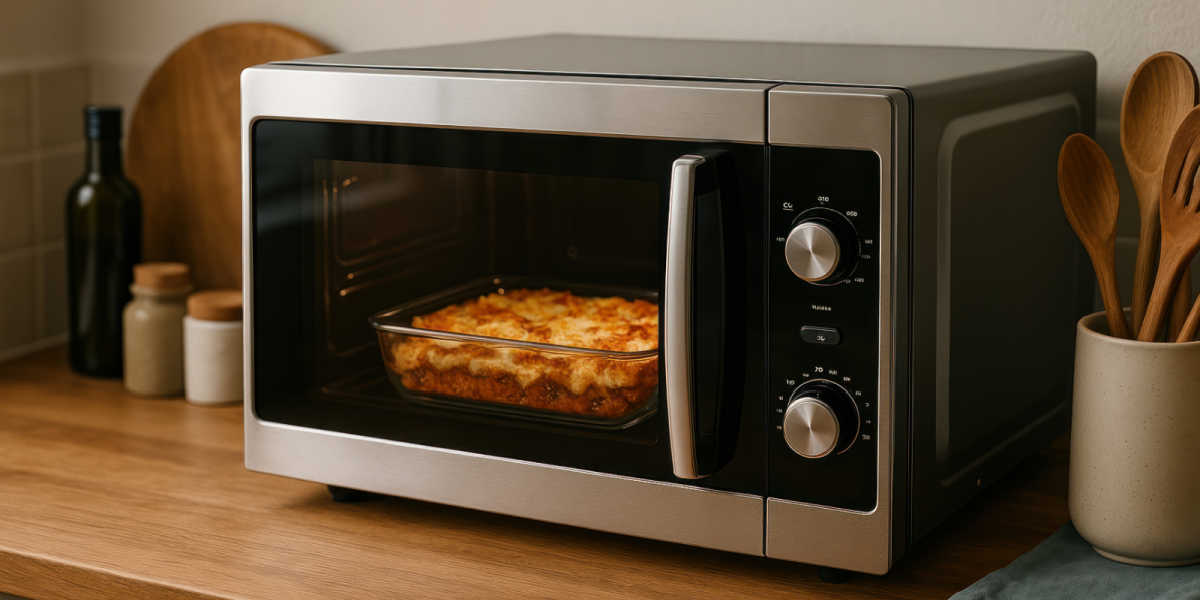
Best For: microwave, oven, fish, paint, musty mildew
Why It Works: citric acid cuts through grease and neutralises volatile organic compounds while releasing fresh, antimicrobial lemon oil vapours.
How To Use: microwave a bowl of sliced lemon in water for 2–3 minutes, then wipe. For ovens or musty surfaces, rub with cut lemon or clean using lemon juice diluted in warm water.
Rubbing Alcohol (Surgical Spirit)
Best For: toilets, washing machine, trash cans, paint
Why It Works: kills bacteria, evaporates fast and carries away odorous compounds. Its solvent action helps lift residue that traps smells.
How To Use: wipe down affected surfaces with a 50/50 mix of alcohol and water. Let air dry. For bins or toilet seats, apply neat and leave for a few minutes.
Salt
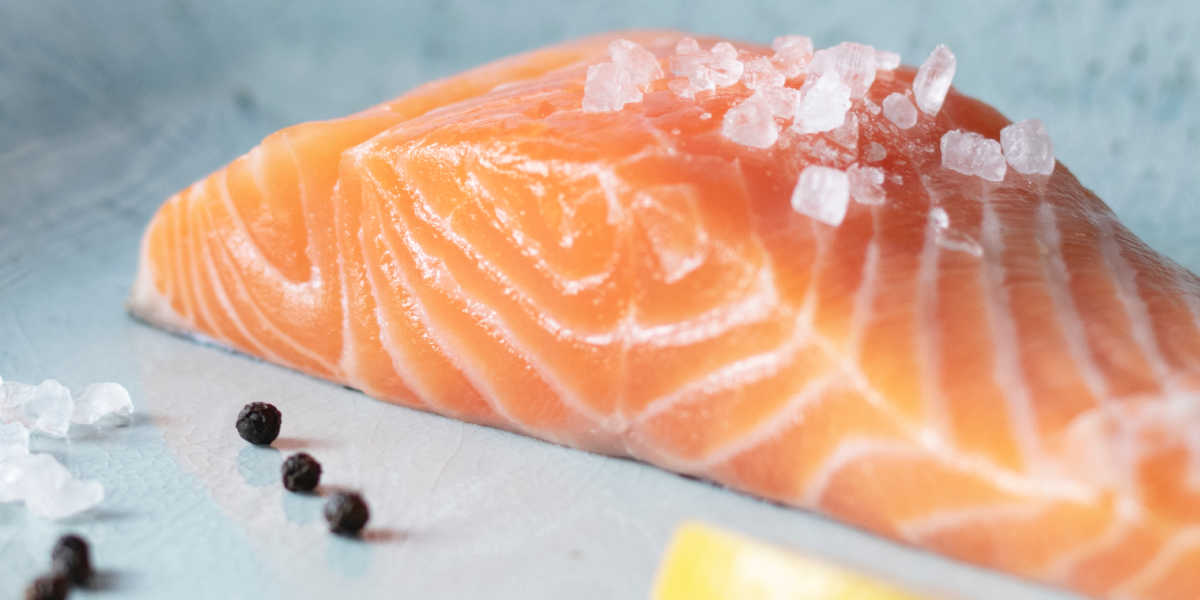
Best For: fridge, fish, musty mildew, laundry, vomit
Why It Works: draws out moisture and slows bacterial growth that produces odours. Especially effective in damp or protein-based smells.
How To Use: sprinkle coarse salt over spill areas or store a small open bowl in fridge or cupboards. Rinse fabric stains with salted water before washing.
Sodium Percarbonate
Best For: laundry, washing machine, dish towels, towels, toilets
Why It Works: releases oxygen when dissolved, oxidising organic residues and killing odour-causing microbes.
How To Use: add 1–2 tablespoons to wash cycle or dissolve in hot water to soak fabrics. For toilet cleaning, pour in and leave for 15–30 minutes before scrubbing.
Tea Bags
Best For: sneakers, fridge, trash cans, microwave
Why It Works: tannins absorb moisture and neutralise smells, while tea’s mild antioxidants discourage bacterial growth.
How To Use: dry used tea bags thoroughly and place a few in shoes, bins or the fridge. Replace weekly.
Vinegar
Best For: dog urine, cat urine, laundry, washing machine, toilets, ovens, burnt food
Why It Works: acetic acid neutralises alkaline odours like ammonia and dissolves greasy or soapy residues that trap smells. The vapour also cuts through burnt or smoky residues.
How To Use: mix equal parts vinegar and water in a spray bottle, apply to source, leave 10 mins then rinse. For laundry, add a cup to rinse cycle.
Boiling Vinegar Steam (for burnt food or oven): heat a bowl of vinegar and water mix until just below boiling — allow steam to loosen odours and residues. Always keep the door open or well-ventilated to avoid irritation. Never leave boiling vinegar unattended.
Very Hot Water

Best For: microwave, oven, vomit, urine, musty mildew
Why It Works: heat loosens and evaporates volatile odour compounds, kills bacteria and opens porous surfaces for deeper cleaning.
How To Use: rinse or steam-clean surfaces with near-boiling water, taking care with materials that can warp. For microwaves, heat a bowl of water until steamy, then wipe clean.
Extra Odour Eaters
Activated Charcoal
Best For: compost pails, fridge, trash cans, paint, burnt food
Why It Works: ultra-porous carbon traps volatile compounds and sulphur gases responsible for strong odours.
How To Use: place charcoal granules or pouches in compost lids, fridge shelves, or near fresh paint. Refresh monthly by leaving in sunlight for a few hours.
Bay Leaves
Best For: trash cans, musty mildew, laundry cupboards, fridge
Why It Works: aromatic oils in bay inhibit mould and neutralise musty air with a fresh, spicy scent.
How To Use: place a few dried leaves in bins, cupboards, or drawers. Replace every few weeks when scent fades.
Cinnamon
Best For: oven, microwave, trash cans, musty mildew
Why It Works: its aromatic compounds suppress bacterial growth and overpower unpleasant odours with warm spice.
How To Use: simmer cinnamon sticks in water for 10 minutes to scent air, or add a pinch of ground cinnamon to a warm cleaning solution for bins or microwaves.
Clove Oil
Best For: musty mildew, toilets, compost pails, washing machine
Why It Works: clove’s eugenol oil kills mould spores and bacteria while masking musty air with a warm, spicy scent.
How To Use: mix a few drops with water or vinegar in a spray bottle, shake, and mist over tiles, bins or washing machine seals. Wipe off after 30 minutes.
And there you go 15 natural non-toxic air fresheners that you can use quickly and easily to tackle bad smells and get your home smelling great.
For more natural housework tips do check out my other non-toxic cleaning posts and follow my Non Toxic Cleaning board on Pinterest.
Leave a Reply