
Fruit tree plant guilds are a great way to keep your backyard fruit trees healthy and protect them from pests and disease organically without the need for nasty pesticides and more.
If you've already got fruit trees in your garden, you don't need me to tell you the joy they can bring with their beautiful blossom and succulent fruit.
But fruit trees can suffer from pests and disease and struggle in bad weather. Fruit tree plant guilds help repel pests and nurture the tree so it is more resilient to fungal and bacterial disease plus drought and deluge.
To help you create simple fruit tree guilds I have for you here fruit tree guild plant lists covering all the components you need within a guild and plants to support specific fruit trees.
I do hope these lists help your fruit trees flourish and deliver bumper crops.
Table of Contents
How To Build A Fruit Tree Guild
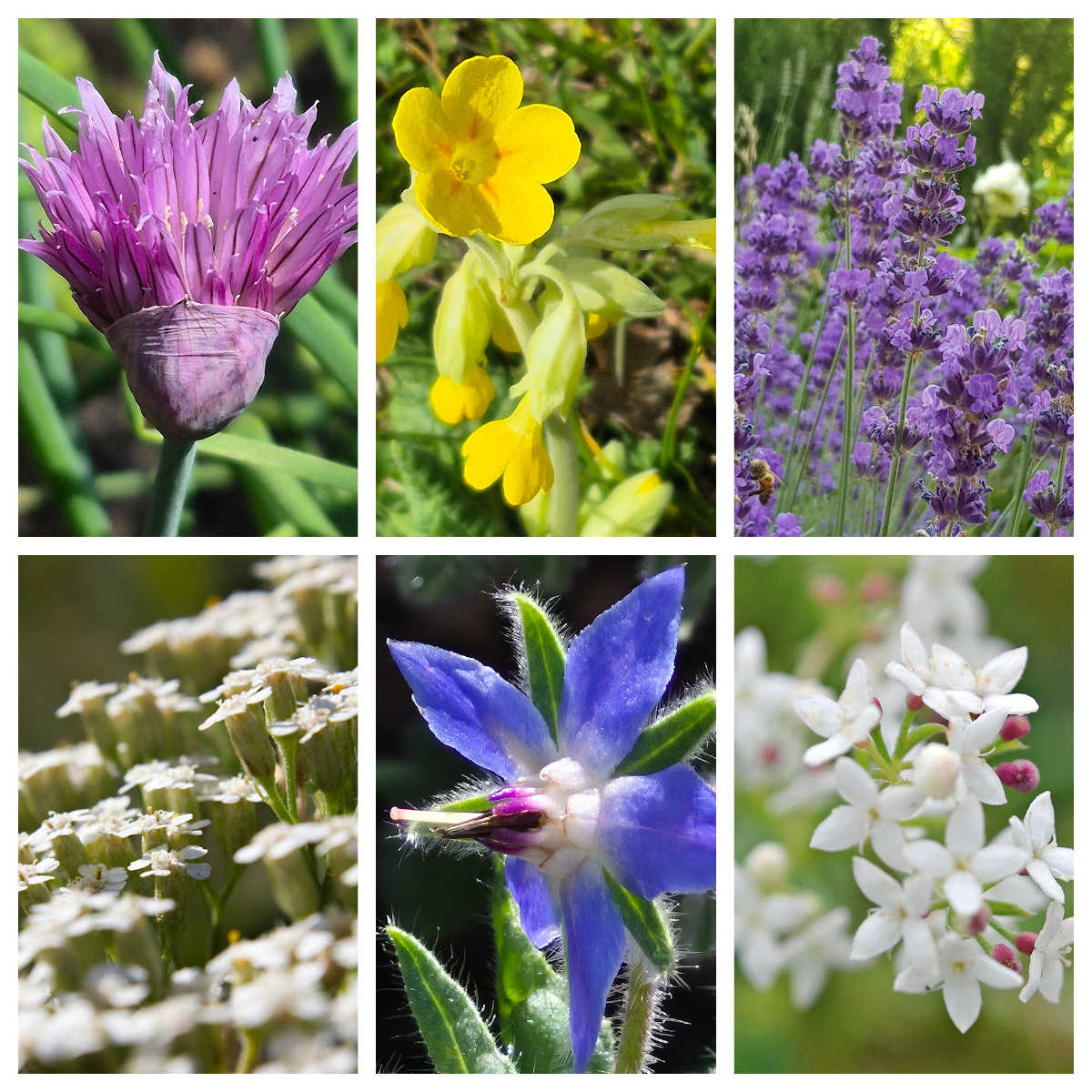
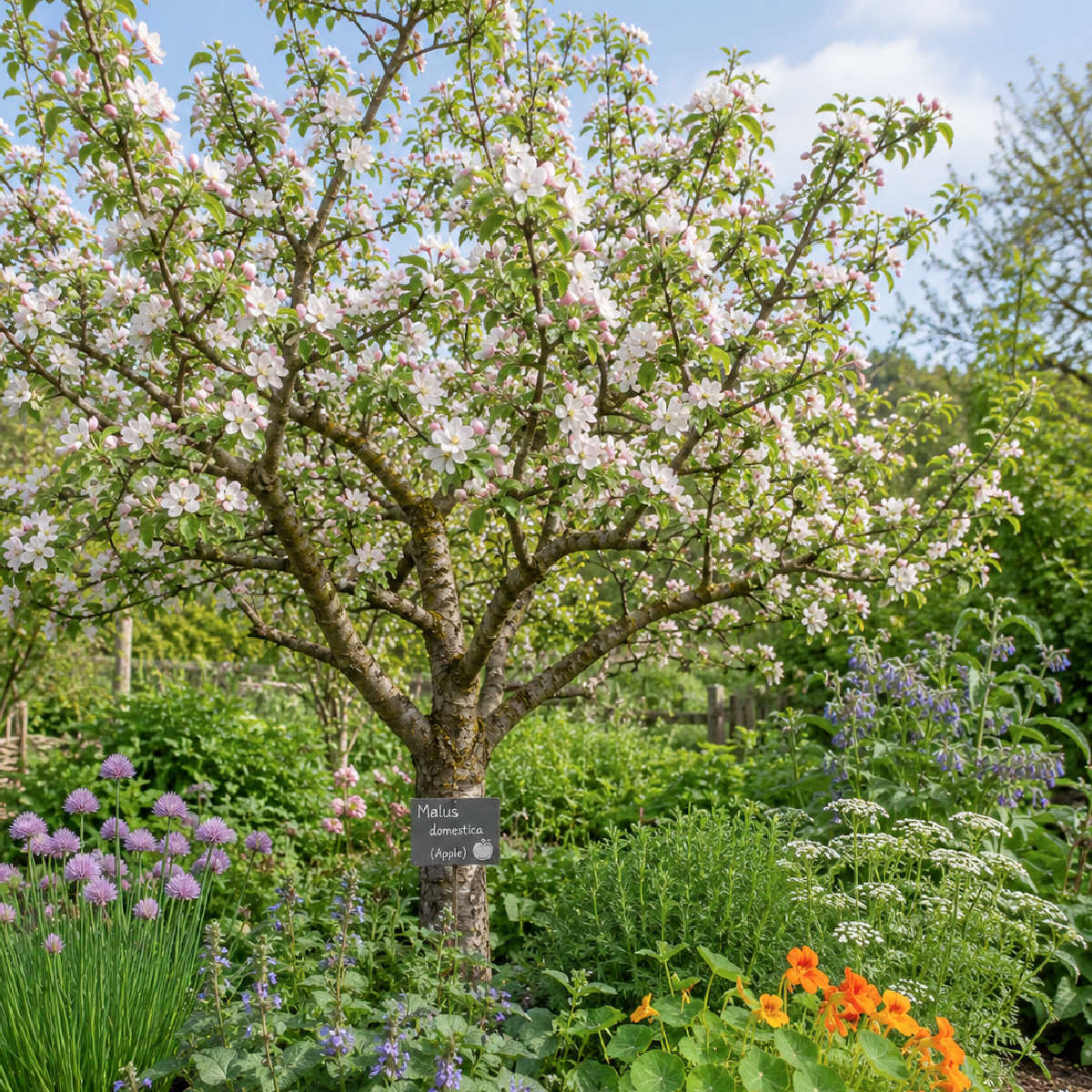
Fruit tree guild plants are combined to deliver a whole bunch of benefits :
- Nutrients & Soil Fertility
- Mulch & Ground Cover
- Insect Pest Control
- Beneficial Insect Habitats
- Early Pollinator Attraction
- Animal Pest Control
- Disease Prevention
I've listed the best plants below for each of the first six benefits. Typically, these plants will be good for most common backyard fruit tree varieties.
We'll then look separately at disease prevention which is a bit more complex.
Nutrients & Soil Fertility
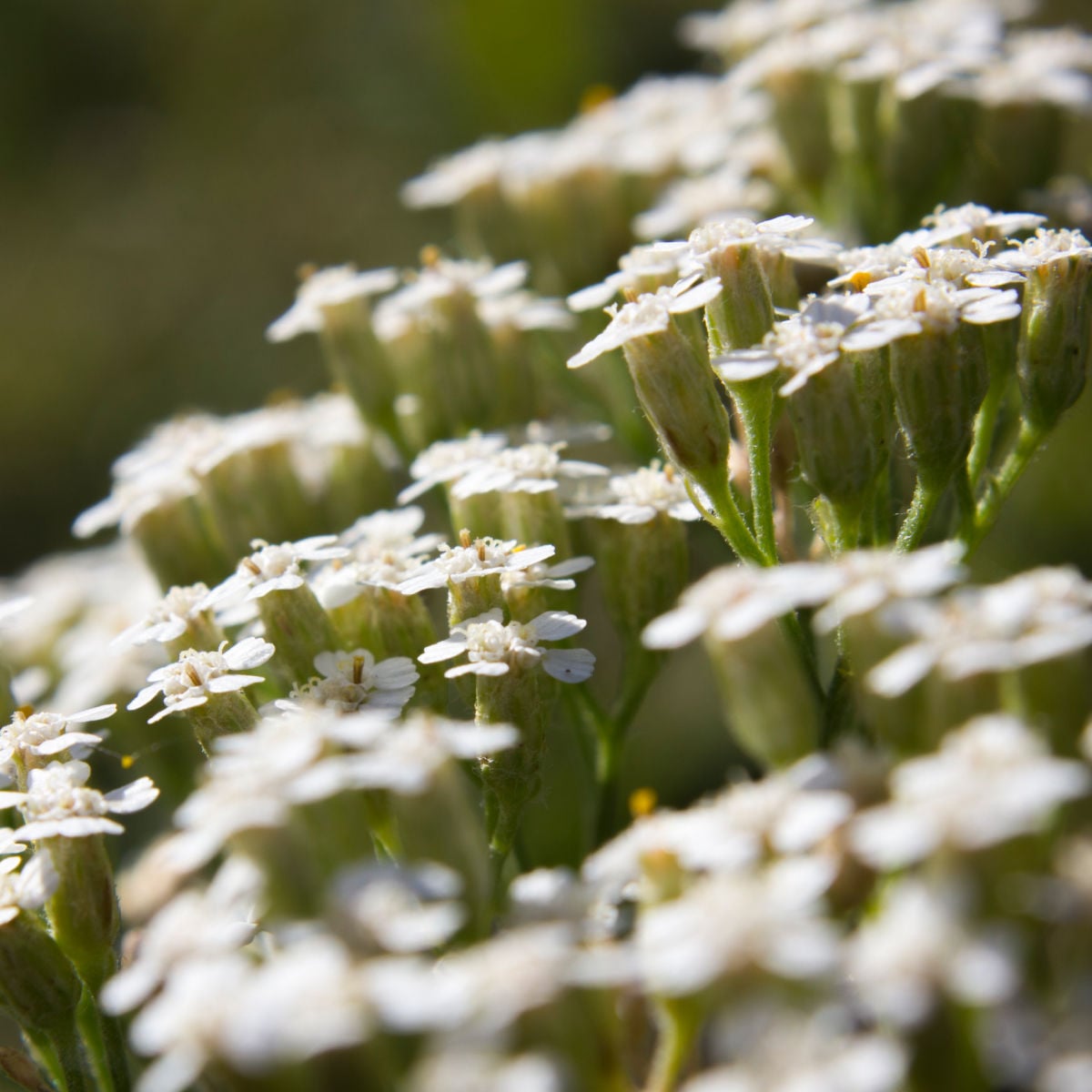
Healthy fruit trees need healthy soil with balanced nutrients. The best guild plants for this are :
- White Clover
- Comfrey
- Yarrow
White Clover
Fixes nitrogen into soil (without overdoing it) and provides a living mulch that feeds beneficial soil microbes.
Comfrey
Deep taproot mines potassium, calcium and phosphorus which improves overall tree health and ability to resist fungal disease. Keep chopping in repeatedly for nutrient-rich mulch. Also feeds bees.
Yarrow
Dynamic accumulator and improves soil structure with long taproot.
Mulch & Ground Cover
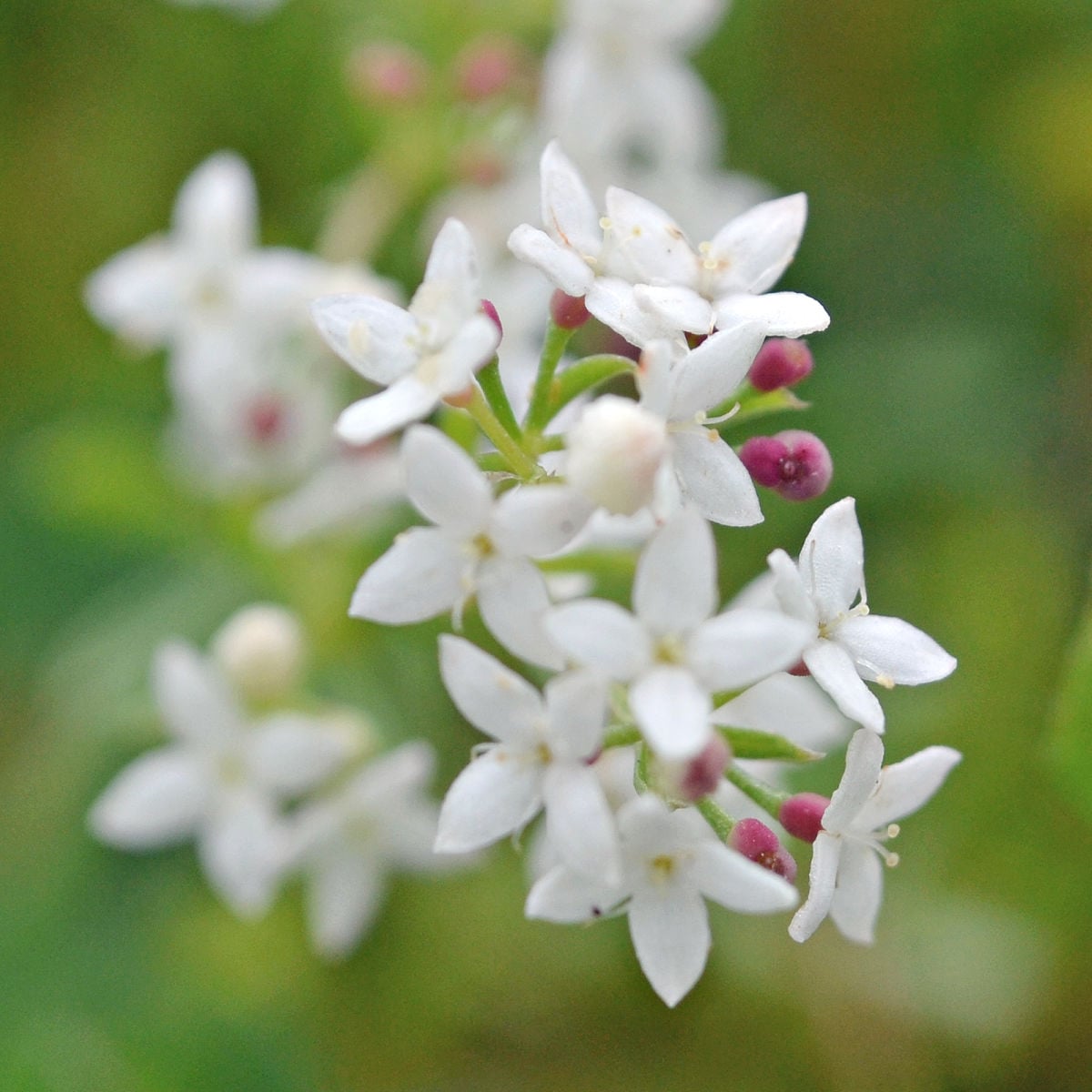
Mulch and ground cover around fruit trees suppress weeds and helps soil retain moisture and nutrients. Key fruit tree guild plants for this are :
- Strawberries
- Creeping Thyme
- Sweet Woodruff
Strawberries
Smothers grass and weeds competing for water and nutrients but its shallow roots don't compete with tree.
Creeping Thyme
Aromatic ground cover that suppresses weeds and deters some soil insects. Contains volatile thymol compounds which act as natural fungicide.
Sweet Woodruff
Shade tolerant ground cover and leaf mulch good for large trees and fruit trees in cooler zones. Mild anti-fungal and attracts beneficial hoverflies.
Insect Pest Control
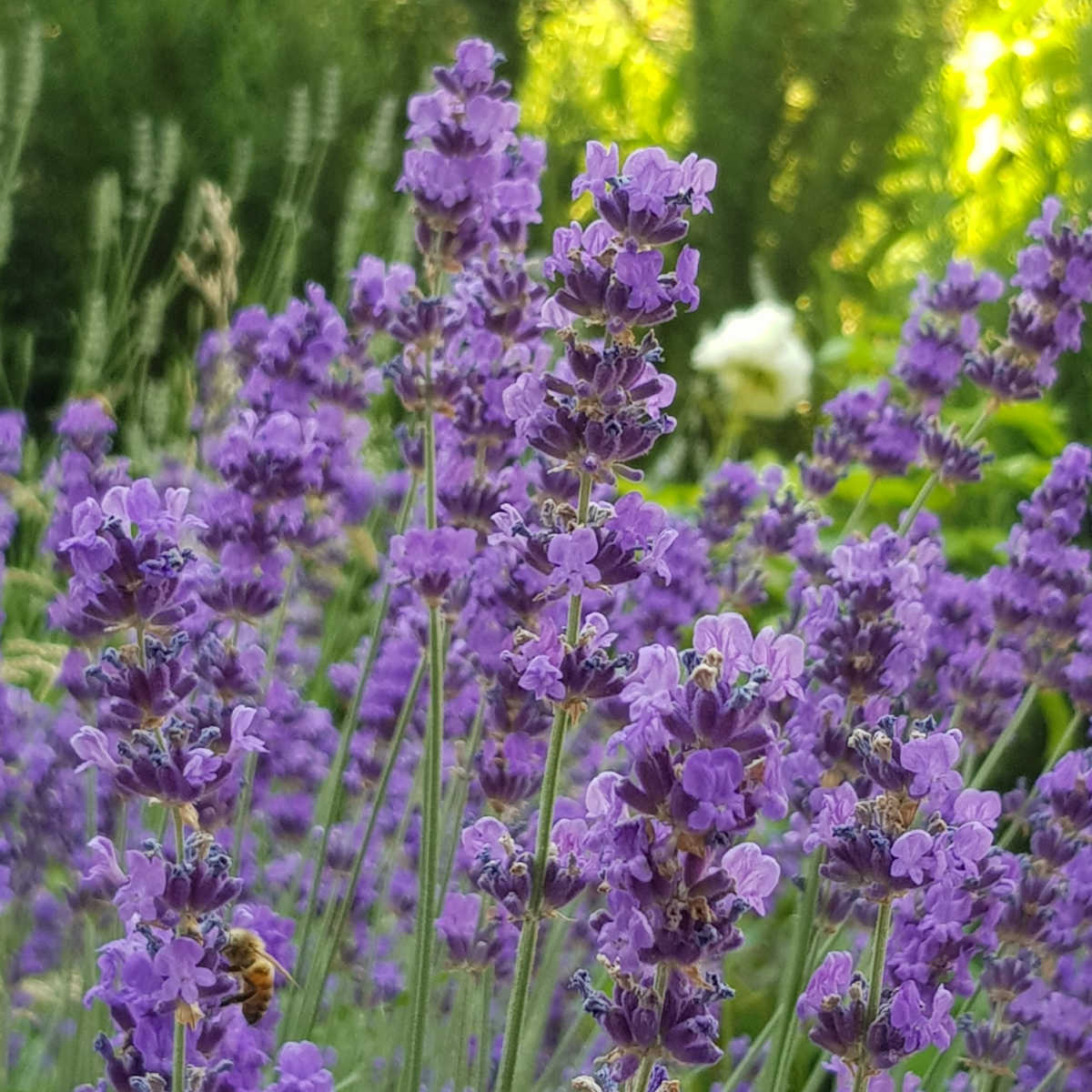
Include some of these aromatic plants in your fruit tree guild to help repel insects that eat leaves and fruit and spread bacterial disease :
- Lavender
- Marigold
- Catnip - Nepeta
- Wormwood
A mixture of these plus garlic and chives actually camouflage the tree from unwanted insects.
Lavender
Lavender repels fruit moths and confuses pest navigation. It also attracts beneficial bugs who control insect pests.
Marigolds
French marigolds are a deterrent for many flying insects and suppress unwanted soil nematodes.
Catnip - Nepeta
Catnip repels aphids and the ants which transport aphids to new leaf shoots and are a big contribution to leaf-curl in fruit trees.
Wormwood*
Wormwood is a strong general pest deterrent for moths including the codling moths that do so much damage to apple and pear trees. Is mildly allelopathic so suppresses weeds but should be on outside of guild
*Toxic to pets & humans. A traditional orchard companion plant but plant with care.
Beneficial Insect Habitat
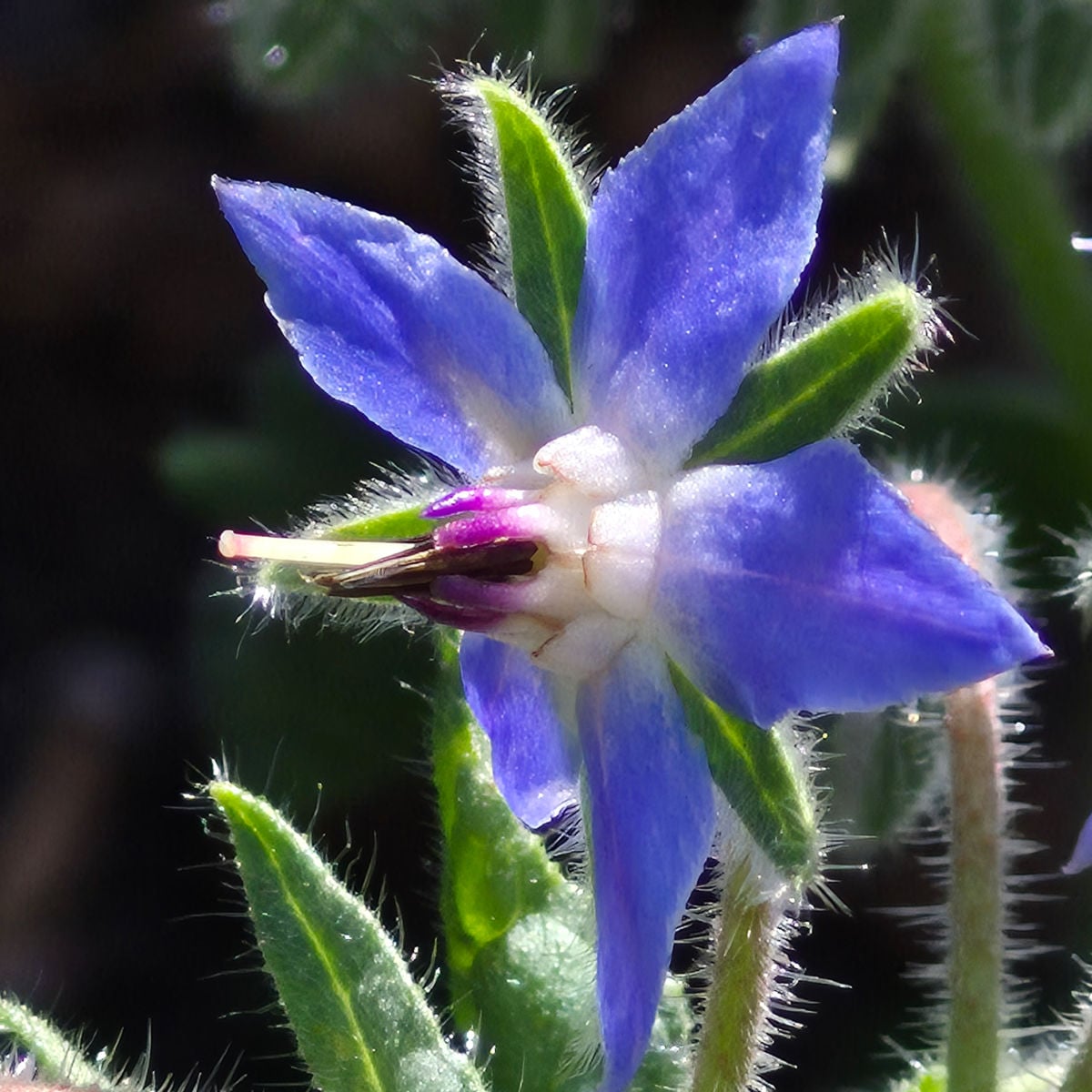
Fruit tree guilds should include plants to attract the beneficial bugs e.g. hoverflies and ladybirds who feed on aphids and moth larvae. Key plants include :
- Dill
- Phacelia
- Sweet Alyssum
- Borage
- Calendula
Dill
The big umbellifer flowers on dill feed parasitic wasps and hoverflies that prey on aphids and caterpillars.
Phacelia
Exceptional plant for attracting hoverflies to devour aphids and also a good winter ground cover crop.
Sweet Alyssum
A low growing flower with a long-season that will keep feeding the parasitic wasps which are good at seeing off codling moths and cherry and pear slugs.
Borage
Self-seeding summer annual sustaining hoverflies and parasitic wasps through peak pest season when aphid and moth pressure is highest.
Calendula
Long-flowering, attracts hoverflies and parasitic wasps. Sticky stems also physically trap aphids and small pest insects.
These other umbellifer flowers are also - with exception of fennel - good additions to your fruit tree guild to attract beneficial bugs.
Attract Early Pollinators
Huge orchards and streets lined with cherry blossom can draw in big crowds of bees for the short 2-4 week window that fruit trees flower.
But a few fruit trees in our backyard will struggle to pull in the pollinators if our neighbours gardens aren't also full of blossom.
So fruit tree guilds ideally need some late winter and early spring flowers for a longer bee feeding window in advance of the fruit tree blossom.
Add to your guilds traditional orchard flowers that did exactly this :
- Crocus
- Snowdrop
- Winter Aconite
- Lungwort
- Hellebores
- Grape Hyacinth
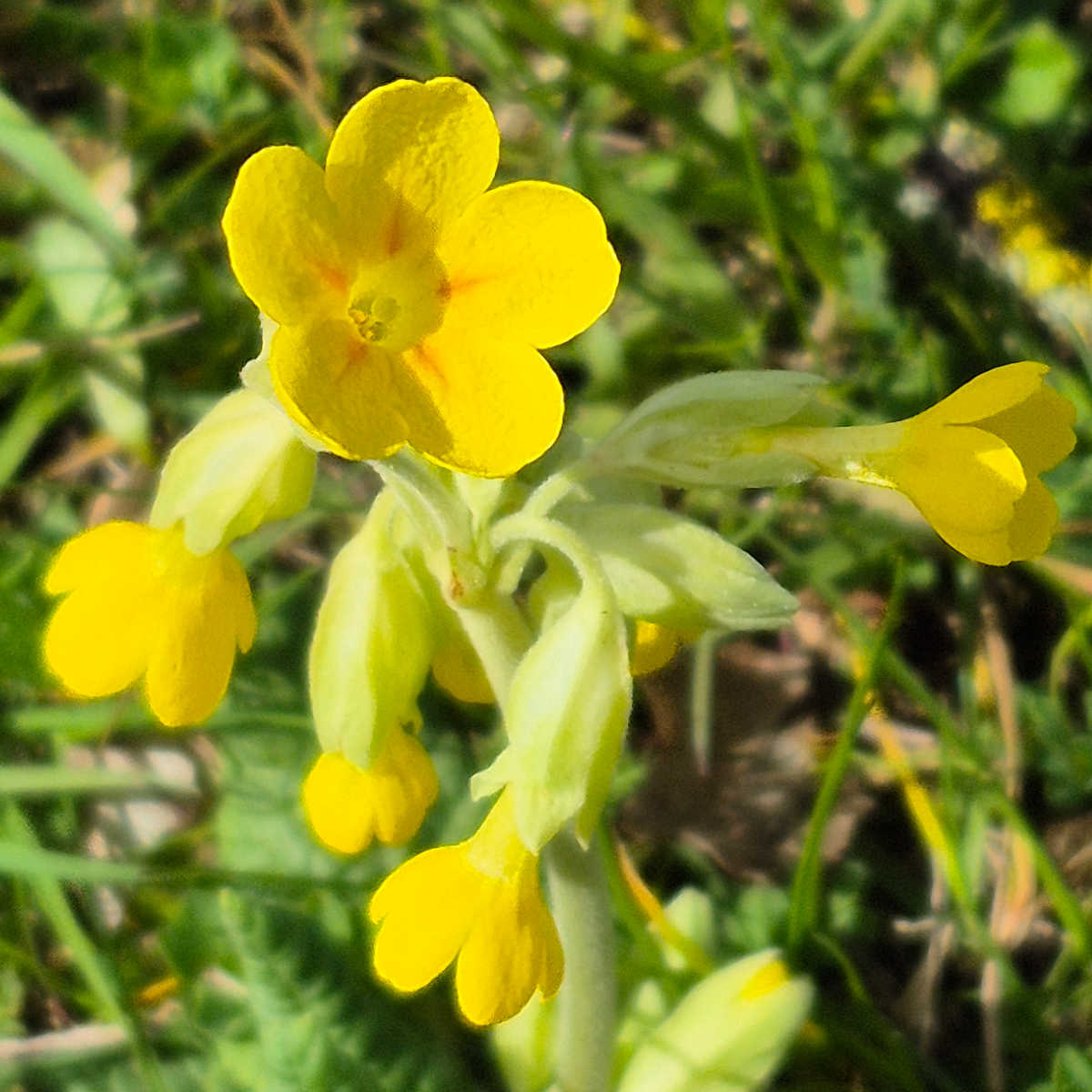
- Primrose
- Cowslip
- Wild Violets
- Snakes Head Fritillary
- Bluebell
Tolerating dandelions in the monoculture of your lawn and leaving a few corners of your garden to long grass and dead-nettle will also attract bees and provide a long term nesting habitat.
Animal Pest Control
Animals such as deer, squirrels, rodents and rabbits can cause problems for fruit trees as they chew at bark increasingly vulnerability to fungal and bacterial disease.
Two of the most useful plant groups to include in your fruit tree plant guild to repel animal pests are :
- Alliums
- Narcissus
Alliums
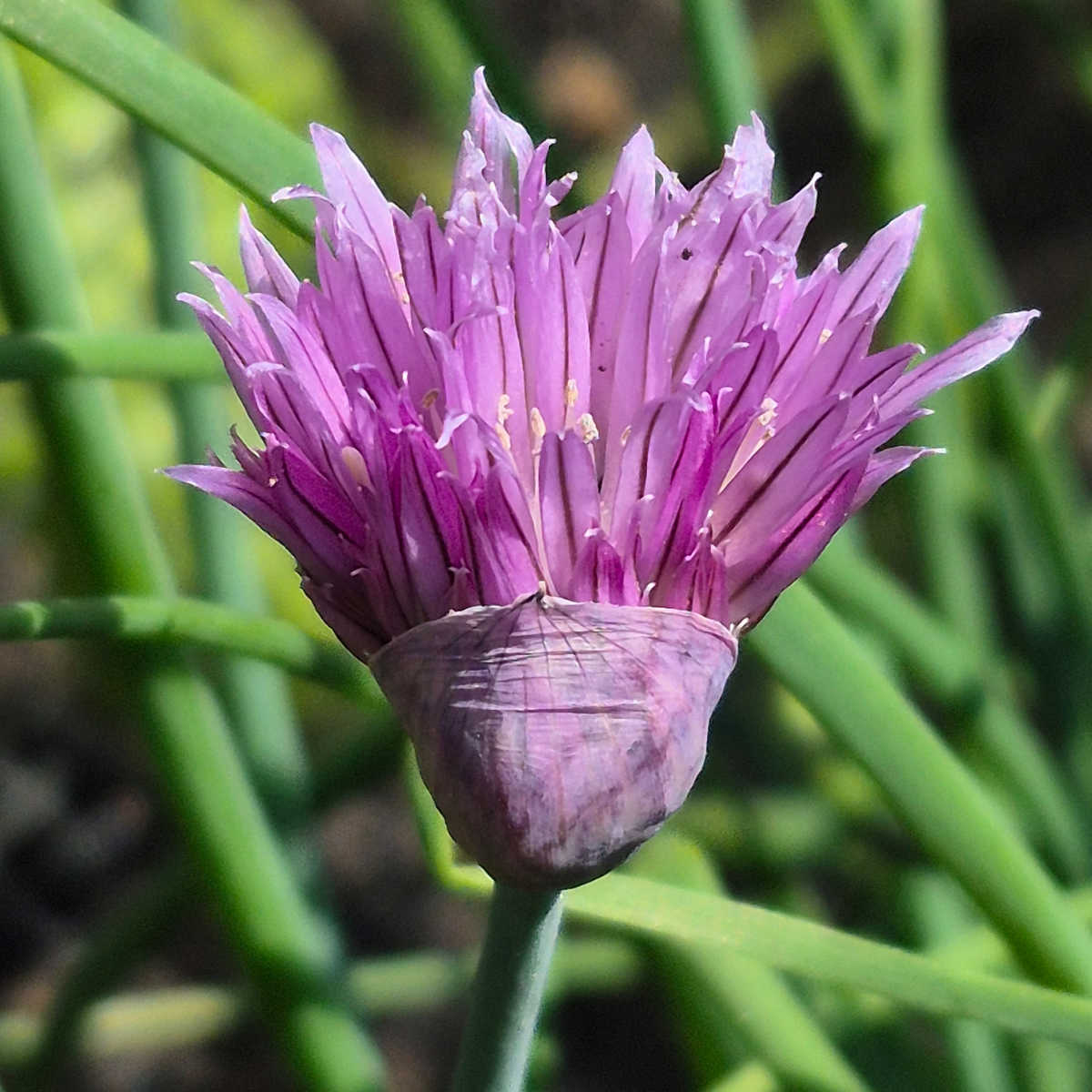
Any of the allium family including garlic and chives but also big ornamental allium flowers will help with their scent to deter rabbits and deer.
Narcissus
All the daffodil family are toxic to deer and rabbits plus the voles and mice who can kill off fruit trees by girdling the trunk, i.e. gnawing a circle all the way around the bark which cuts off circulation.
Fungal Disease In Fruit Trees
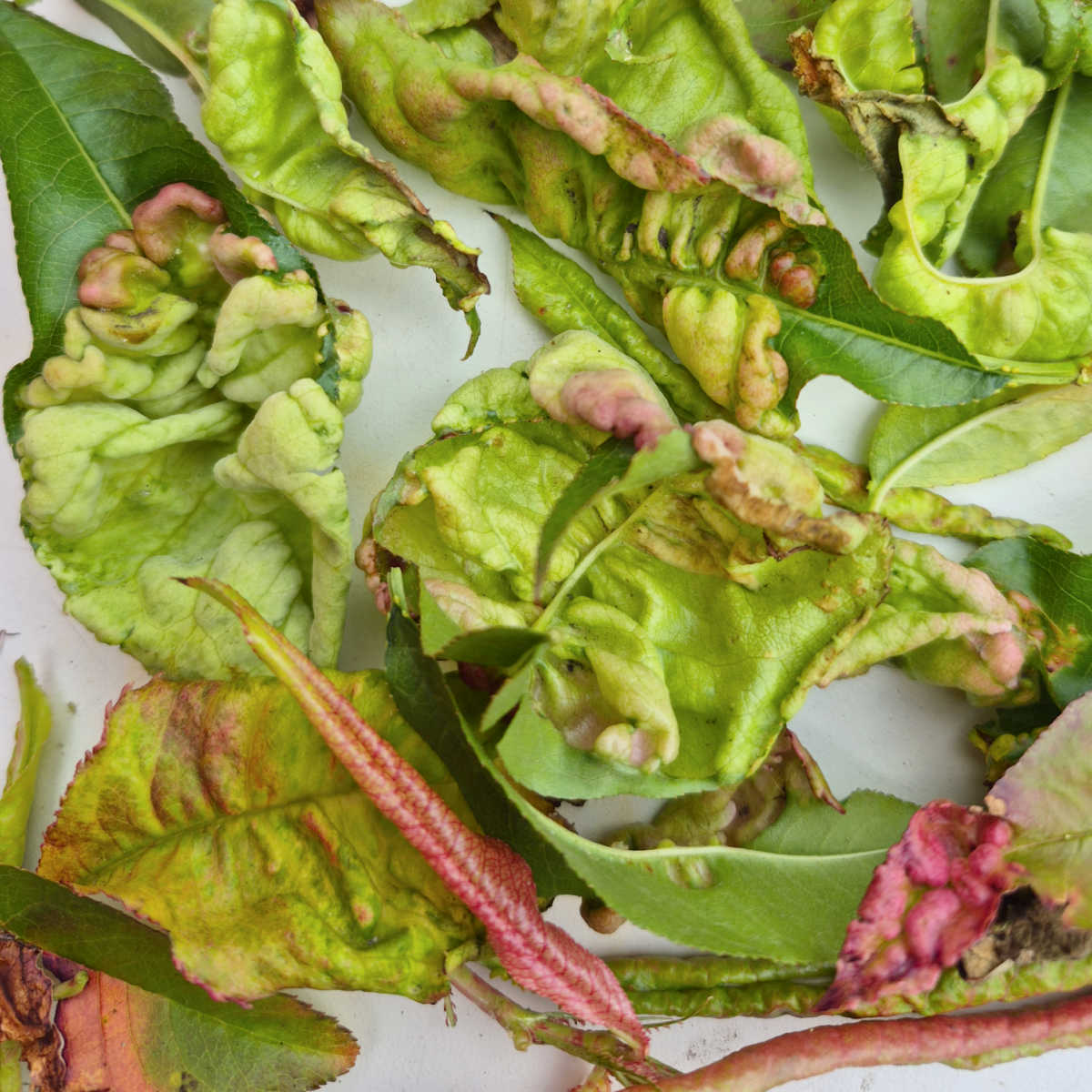
Fruit trees are vulnerable to fungal disease. There are plants - see below - you can add to your fruit tree plant guild that provide fungal prevention. But the guild won't be strong enough to prevent fungal problems if you don't :
- Avoid Tree Stress
- Balance Your Orchard (however tiny it is).
Avoid Tree Stress
Fruit trees are an investment because of the time they take to grow. So they do need some TLC to avoid the stress that makes them vulnerable to fungal disease. You don't have to be obsessive but common causes of stress are
- Poor support
- Broken branches
- Damaged bark
- Crammed in trees
- Contaminated pruning tools
- Pruning at the wrong time in damp conditions
- Overwatering or poor drainage
- Nutrient imbalance - e.g. too much nitrogen, low calcium & potassium from deeper soil
- Dead fruit left on trees.
Balance Orchard
It is very easy - I learnt the hard way - to end up with one over dominant tree in a small backyard orchard that becomes very vulnerable to species specific fungal infection. This can be down to
- Handing a prime position to one tree at the expense of others.
- Adding young trees when you already have one mature tree.
- Picking some non-dwarf trees.
- Planting badly so tree escapes the dwarf grafting.
I managed to screw up on all of these and ended up with a damson tree that was very vulnerable to plum pocket and infected other plums. Removing this tree which undermined the whole equilibrium of the garden solved fungal issues in other trees.
Fungal Prevention Plant Guild
The plants you can add to your guilds for fungal prevention include :
- Chives
- Garlic
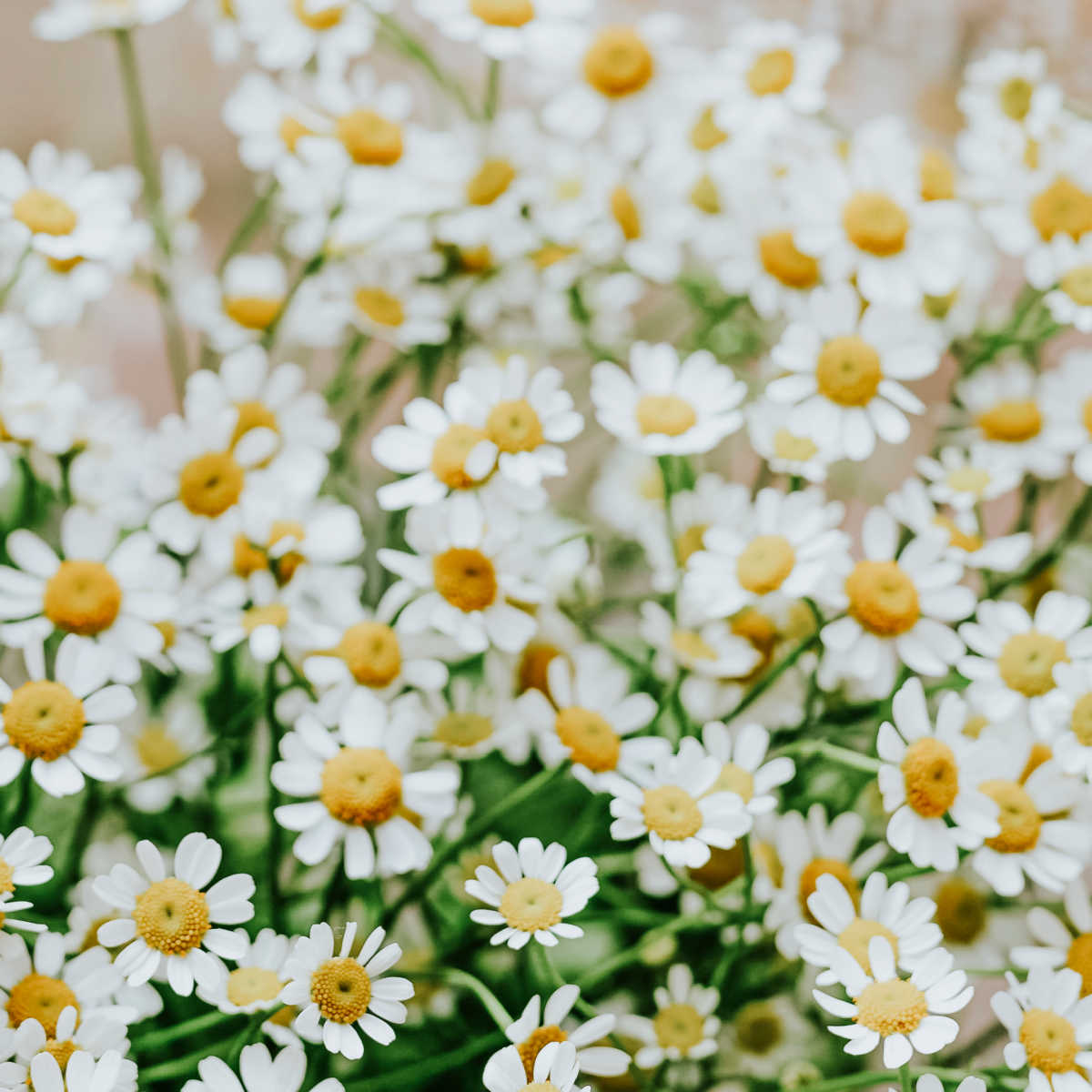
- Chamomile
- Horseradish
- Nasturtium
Garlic
Sulphur compounds in garlic can suppress fungal spores around roots and help prevent fungal disease including apple scab. Can be used to make a DIY anti-fungal spray.
Also repellent for aphids, ants, codling moth, Japanese beetle, slugs and nematodes.
Chives
Pretty chives have same anti-fungal properties from sulphur as garlic and also deter aphids and Japanese beetles. Sulphur compounds give anti-fungal root protection.
Chamomile
Mild anti-fungal in soil and can be used as a watering tea to protect seedlings from damping-off a fungal condition that rapidly kills young trees.
Horseradish
Horseradish roots exude anti-fungal compounds into soil. Traditionally planted at corners of fruit tree guilds to prevent e.g. apple-scab.
Comfrey
We've already potassium-rich mulch builds cell wall strength in the tree, making leaves and fruit more physically resistant to fungal penetration
Nasturtium
Nasturtium have sulphur compounds with mild anti-fungal properties and helps to discourage spore-friendly damp patches.
Tree Specific Plant Guild Lists
Apple
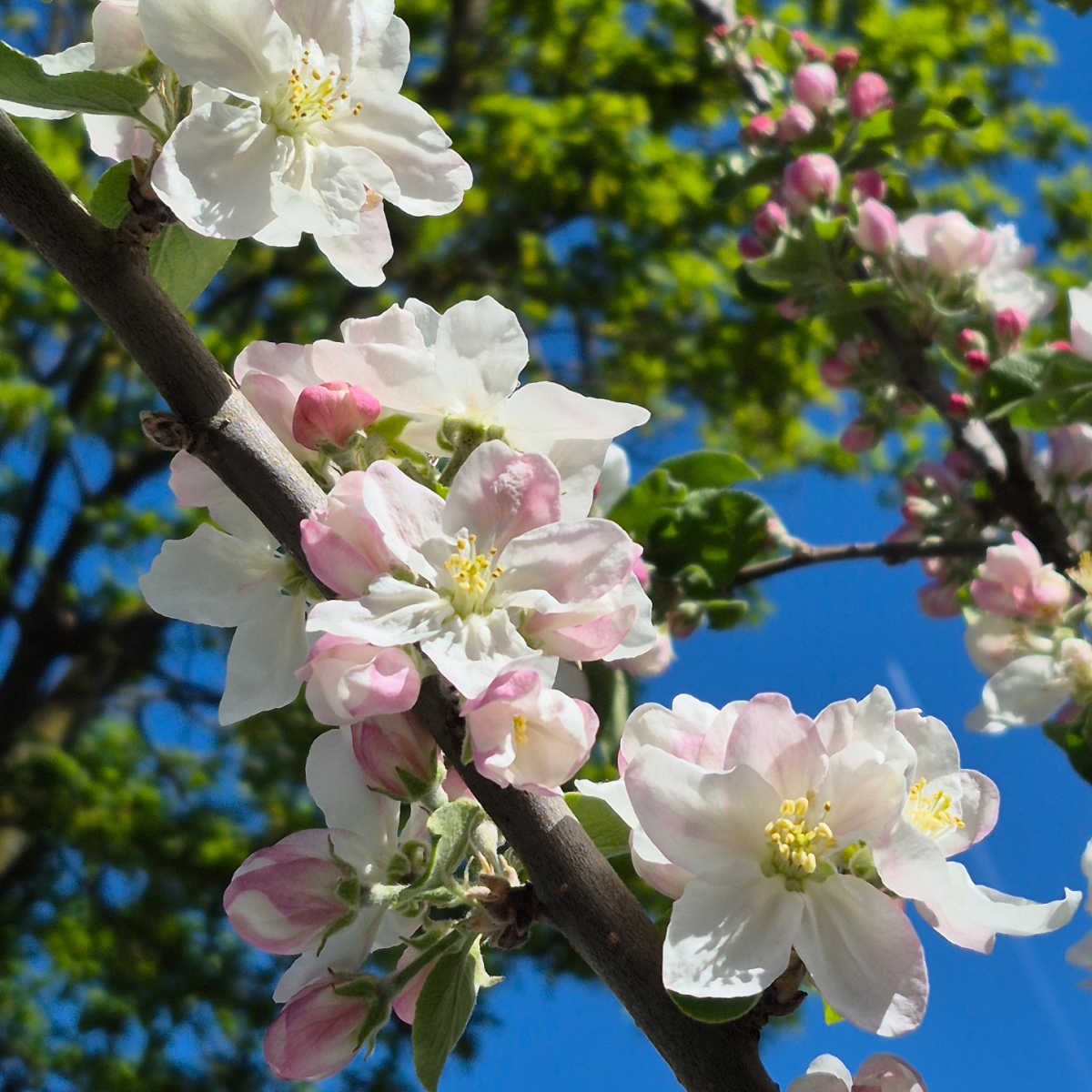
Key threats: codling moth (larvae in fruit), woolly aphid, apple scab (fungal), apple maggot fly, voles girdling trunk
- Nasturtium : specifically repels codling moth; trap crop for woolly aphid when planted in mulch ring; remove if aphid-infested before they jump to tree
- Tansy : deters codling moth, ants, beetles; aromatic oils confuse moth navigation
- Horseradish : planted at corners; root exudates reduce apple scab incidence
- Hyssop : deters pests; attracts parasitic wasps targeting apple moth caterpillars
Plum / Damson
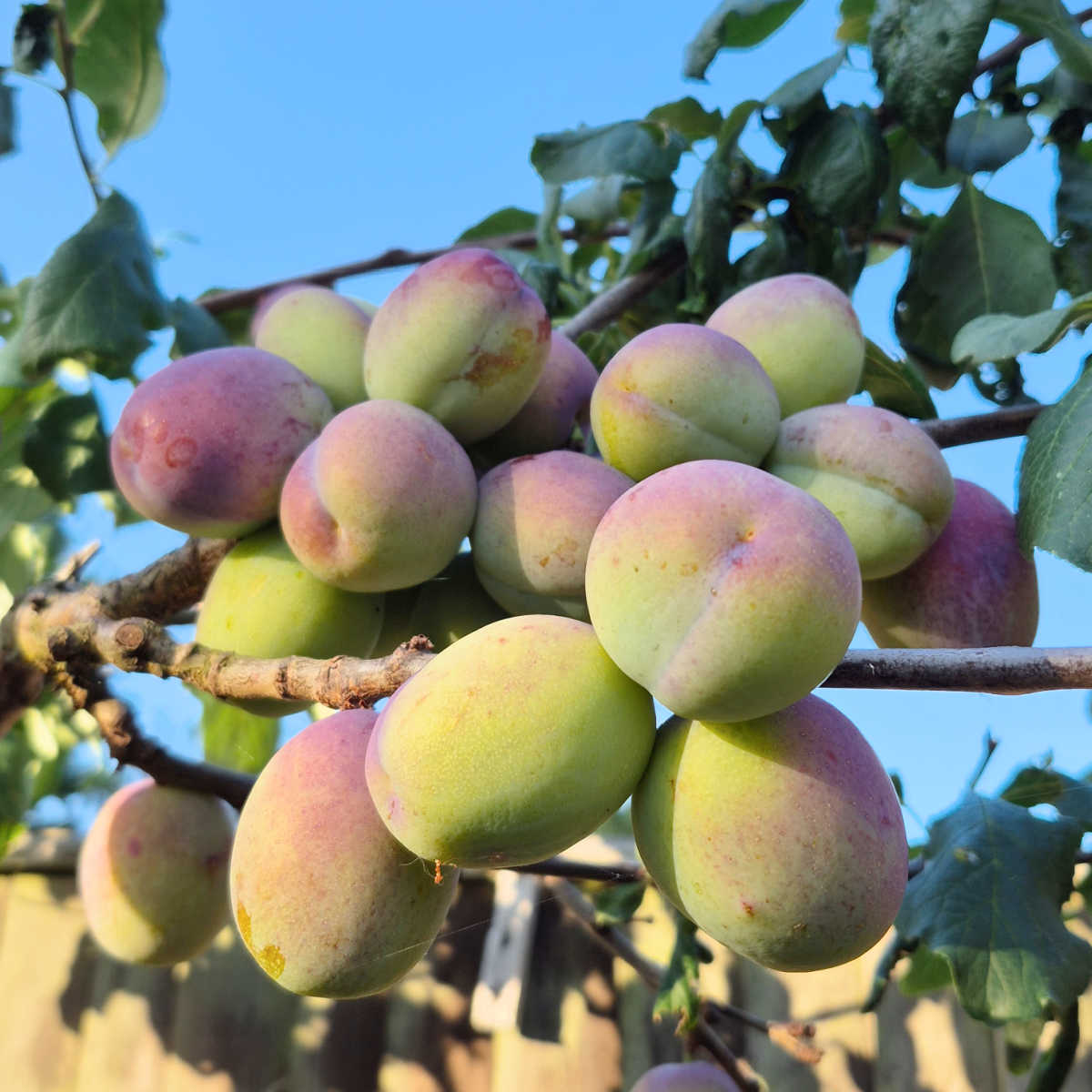
Key threats: plum moth (pink caterpillars in fruit), silver leaf disease (fungal, enters pruning wounds), brown rot, aphids, pocket plum fungus
- Tansy : deters plum moth specifically; reduces flying insect pressure
- Southernwood : (Artemisia abrotanum) — strong moth deterrent; old orchard tradition for stone fruit
- Oregano : antifungal properties help suppress brown rot spore pressure in soil; attracts pollinators
Peach
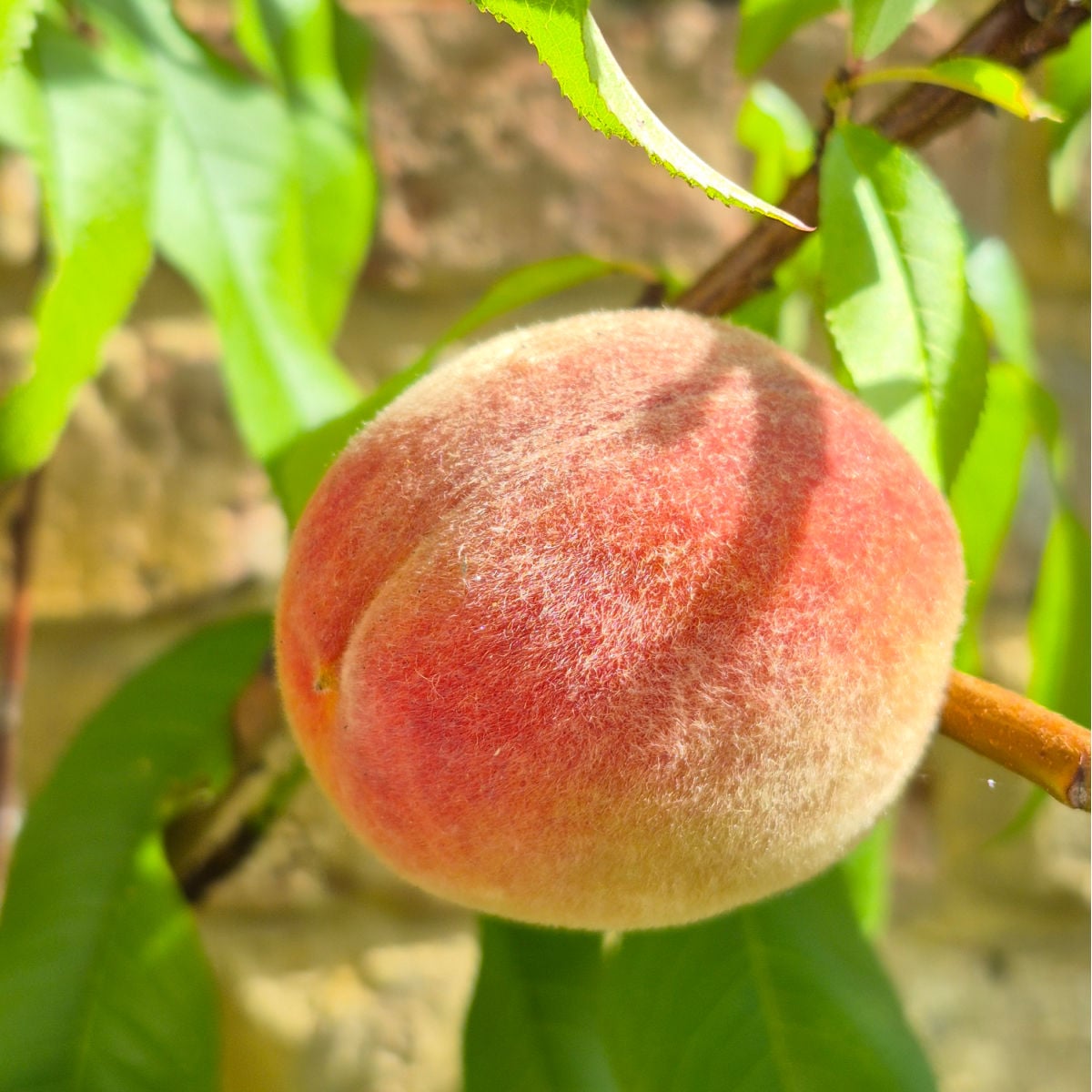
Key threats: peach tree borer (larvae kill trunk), peach twig borer, peach leaf curl (fungal), brown rot, fruit flies
- Tansy : most important specific plant; deters peach tree borer moths from laying eggs at trunk base; keep grass clear of trunk
- Basil : deters fruit flies at the tree; positioned close to base
- Asparagus : roots reported to suppress some soil pathogens; traditional pairing
- Southernwood : additional moth deterrent alongside tansy
Cherry
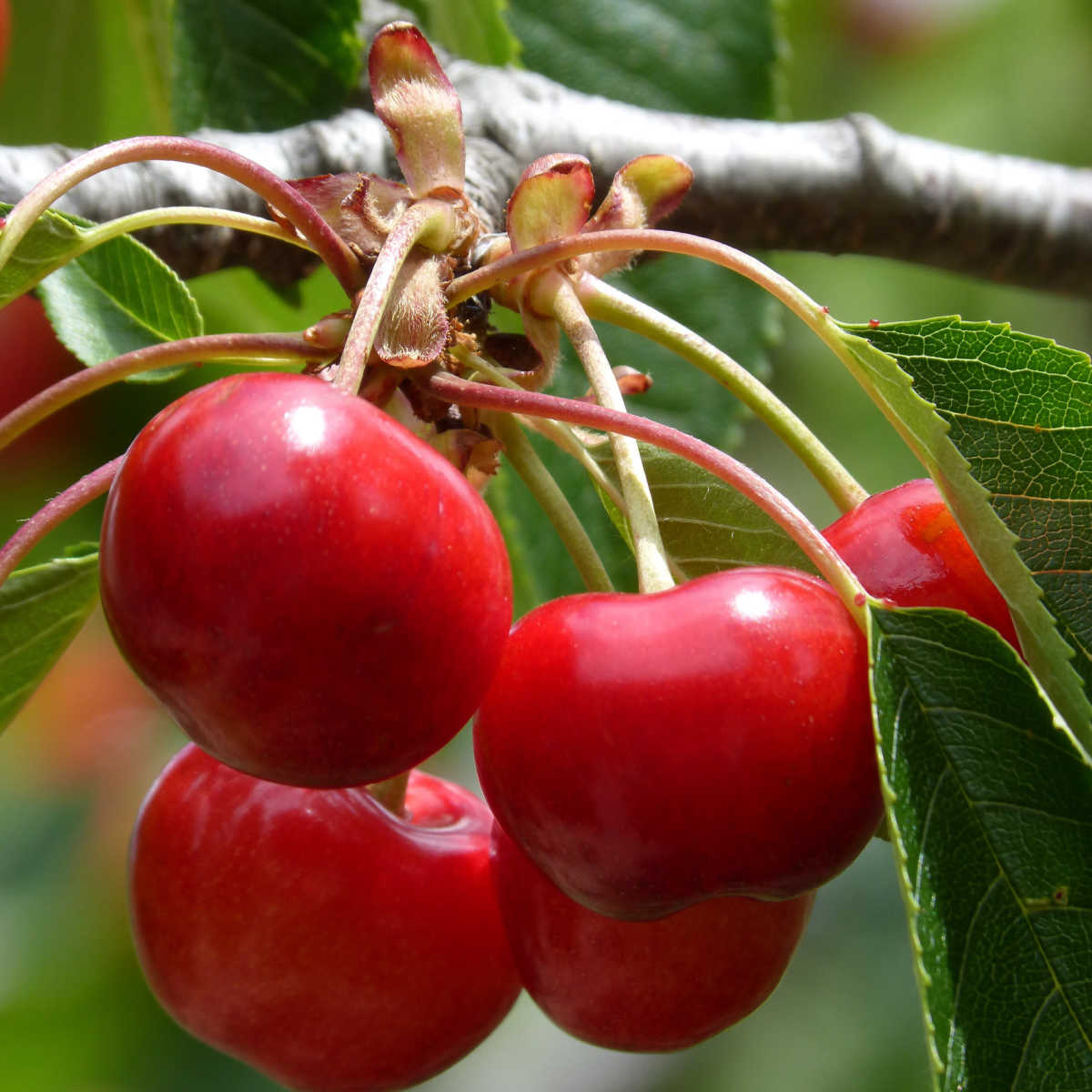
Key threats: cherry fruit fly (maggots in fruit), cherry slug (sawfly larvae strip leaves), bacterial canker, aphids, poor set in cold springs
- Tansy : deters flying insects including cherry fruit fly
- Oregano : antifungal; attracts pollinators over a long season; helps with canker spore suppression
- Pennyroyal : ground-level deterrent for cherry slug and crawling insects
- Hyssop : attracts parasitic wasps that target cherry sawfly
Apricot
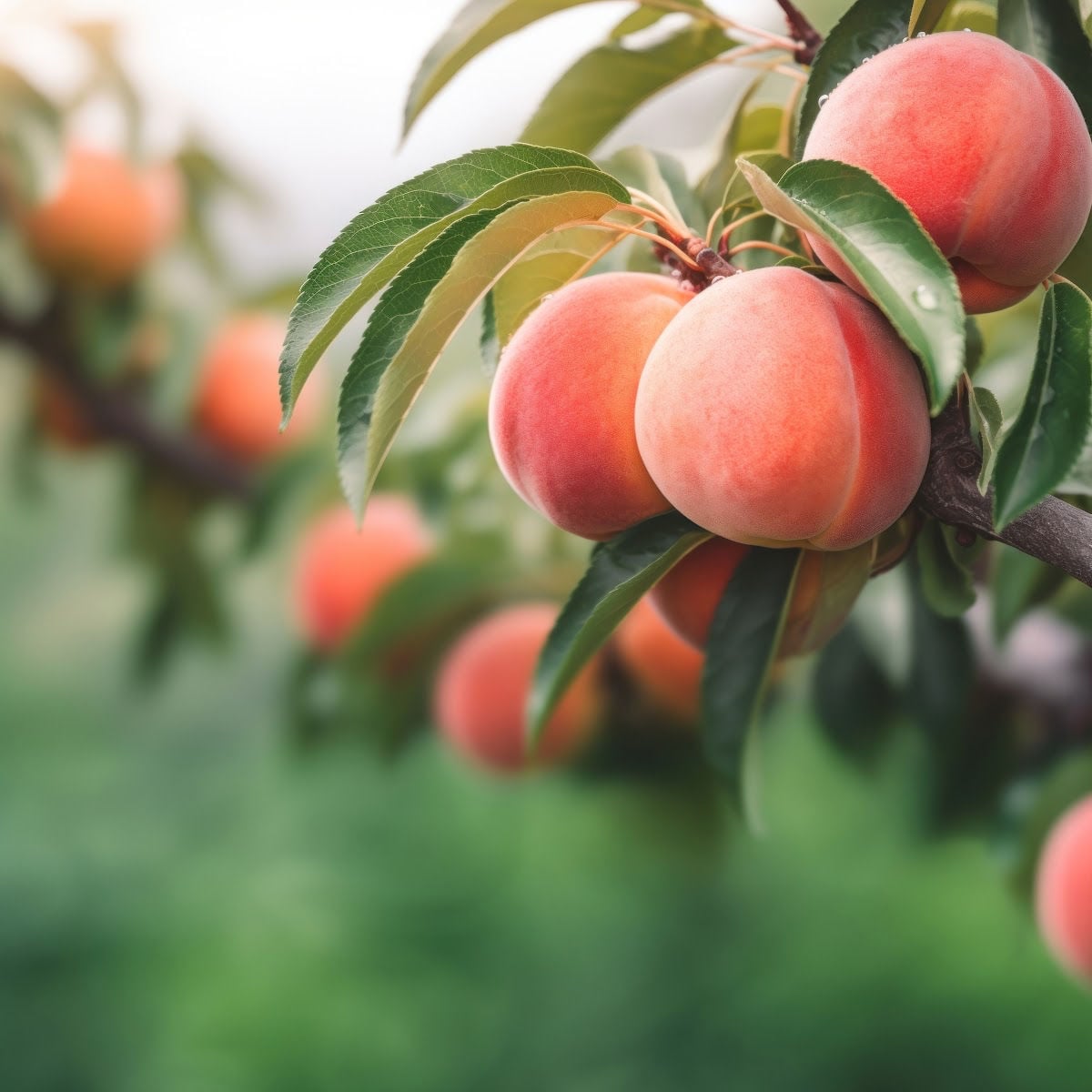
Key threats: aphids, spider mites, bacterial canker, brown rot, late frost damage to early blossom
- Basil : deters aphids and spider mites; aromatic oils disrupt mite host-finding
- Nasturtium : heavy aphid trap crop; apricots particularly vulnerable to aphid colony collapse
- Oregano : anti-fungal for brown rot; extended bloom for pollinators critical given early flowering
Pear
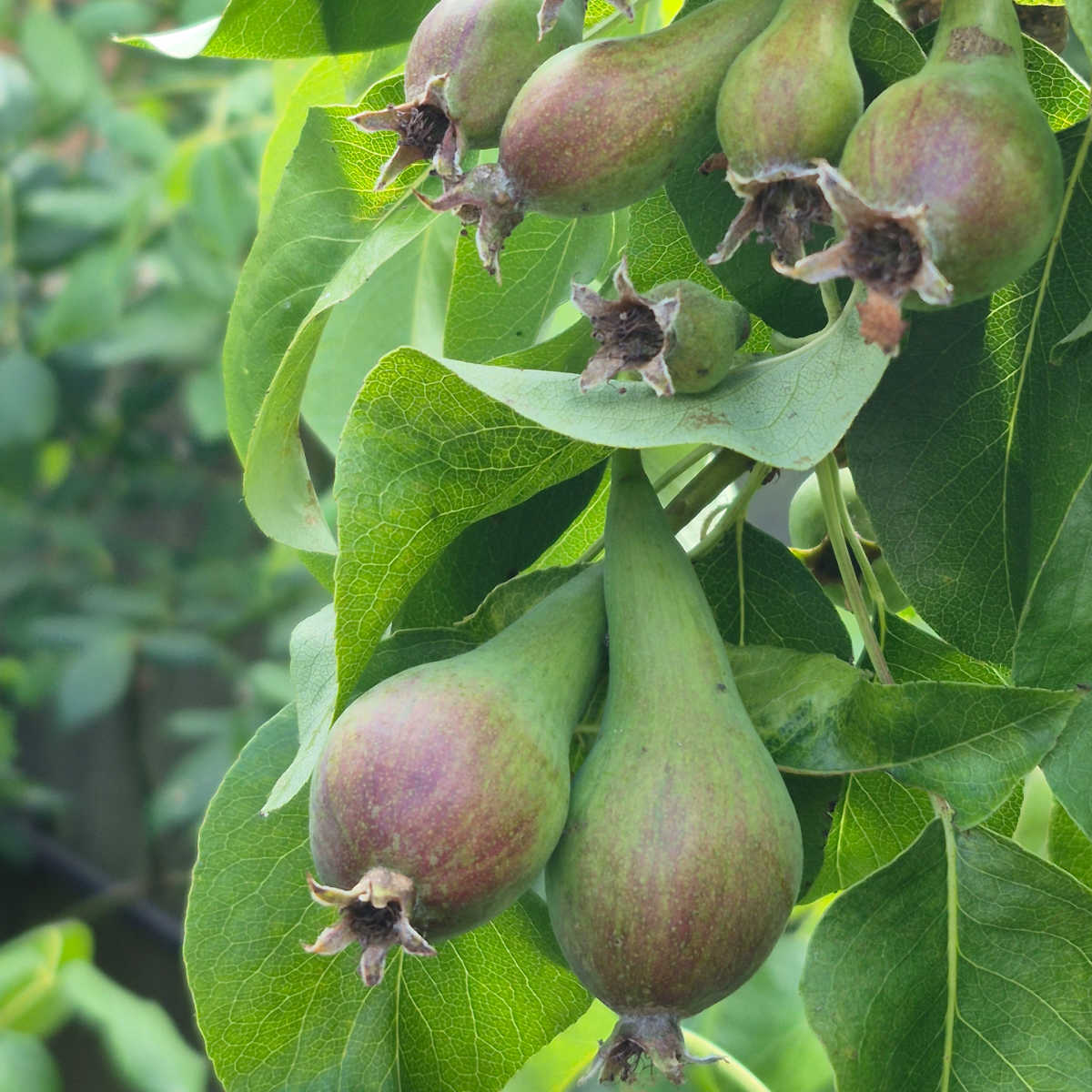
Key threats: pear psylla (sap-sucking, sooty mould), codling moth, fireblight (bacterial), aphids
- Hyssop : specifically documented to attract predatory wasps that parasitise pear psylla; also increases fruit yields
- Nasturtium : codling moth deterrent (same pest as apple)
- Catnip : extra pressure on ants that farm pear psylla colonies
Lemon
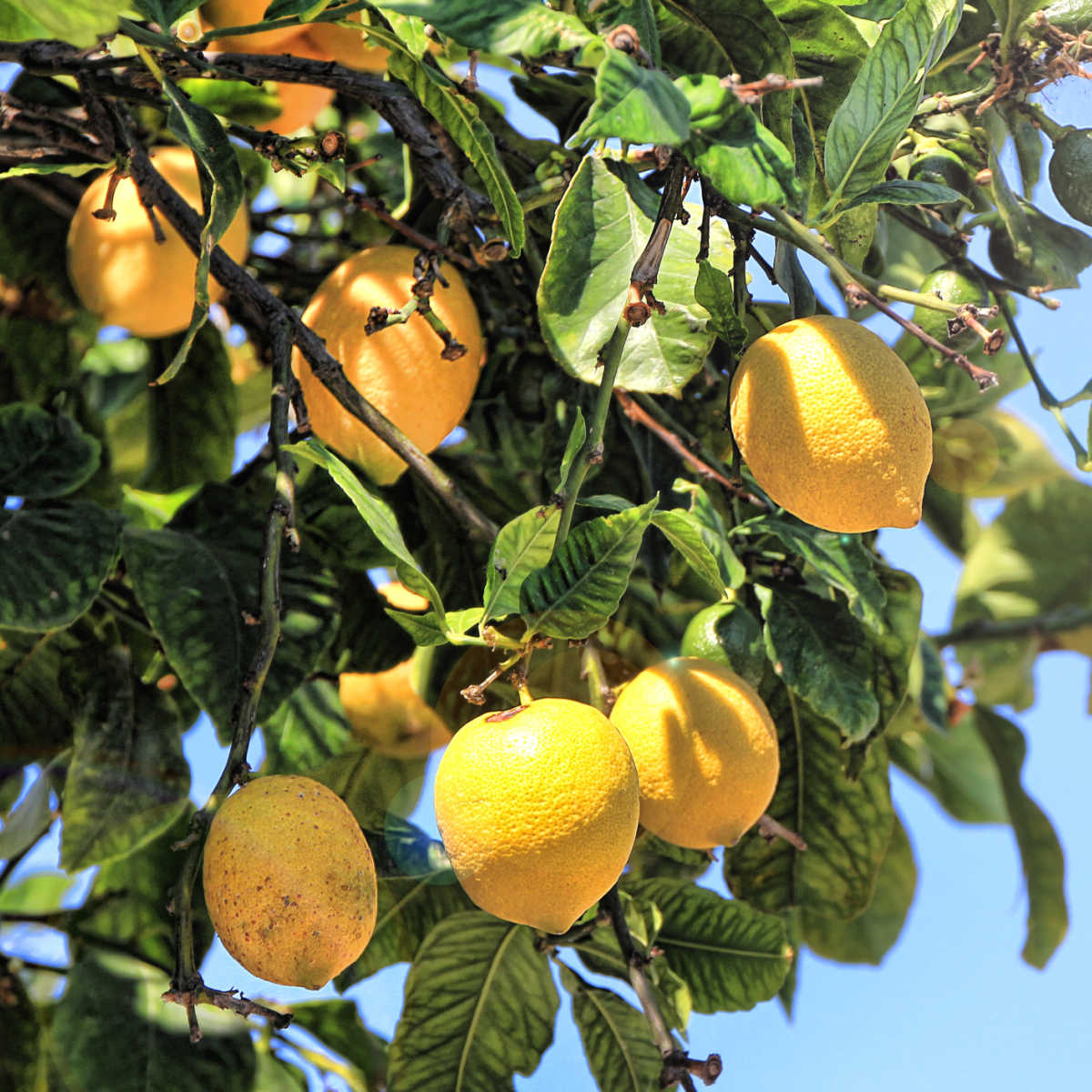
Key threats: scale insects, citrus leafminer, aphids, nematodes; hungry feeder needing constant nitrogen
- Lemon Balm : extends the pollinator season essential for citrus; attracts lacewings that eat scale
- Alfalfa : lucerne powerful nitrogen fixer suited to citrus's high demand; deep roots
- Pigeon Pea : warm-climate nitrogen fixer; windbreak; chop-and-drop mulch for feeding heavy citrus appetite
- Lemongrass : deters citrus leaf miner moth; suitable border plant in warm climates
Quince
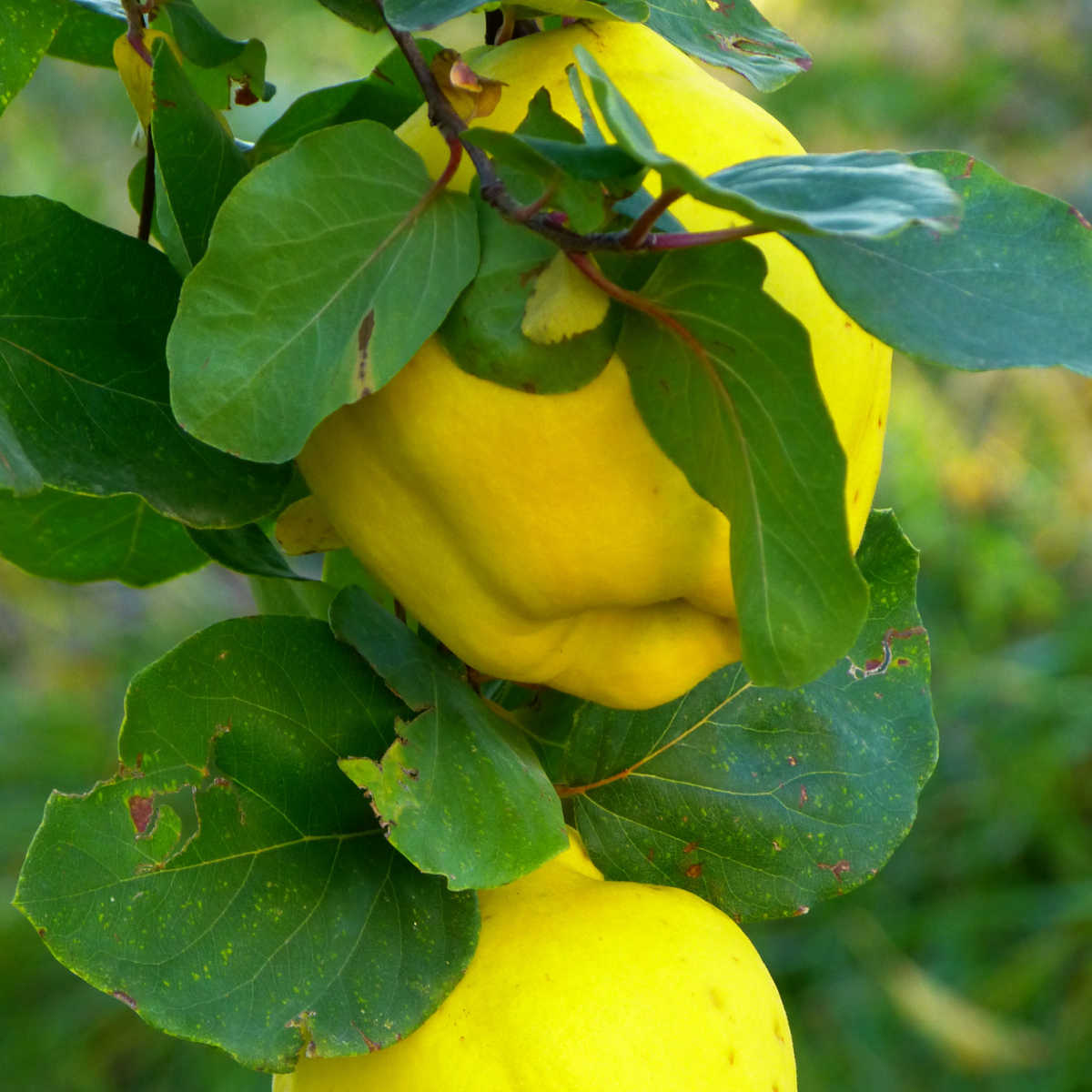
Key threats: fireblight (bacterial; same pathogen as pear), quince leaf blight, codling moth, aphids; quince and apple share many pests
- Chives : antifungal sulphur compounds specifically useful against quince leaf blight and fireblight pressure
- Hyssop : parasitic wasp attractor relevant to codling moth (shared with apple/pear)
- Garlic : antimicrobial soil effect helps reduce fireblight bacteria in surrounding environment
Fig
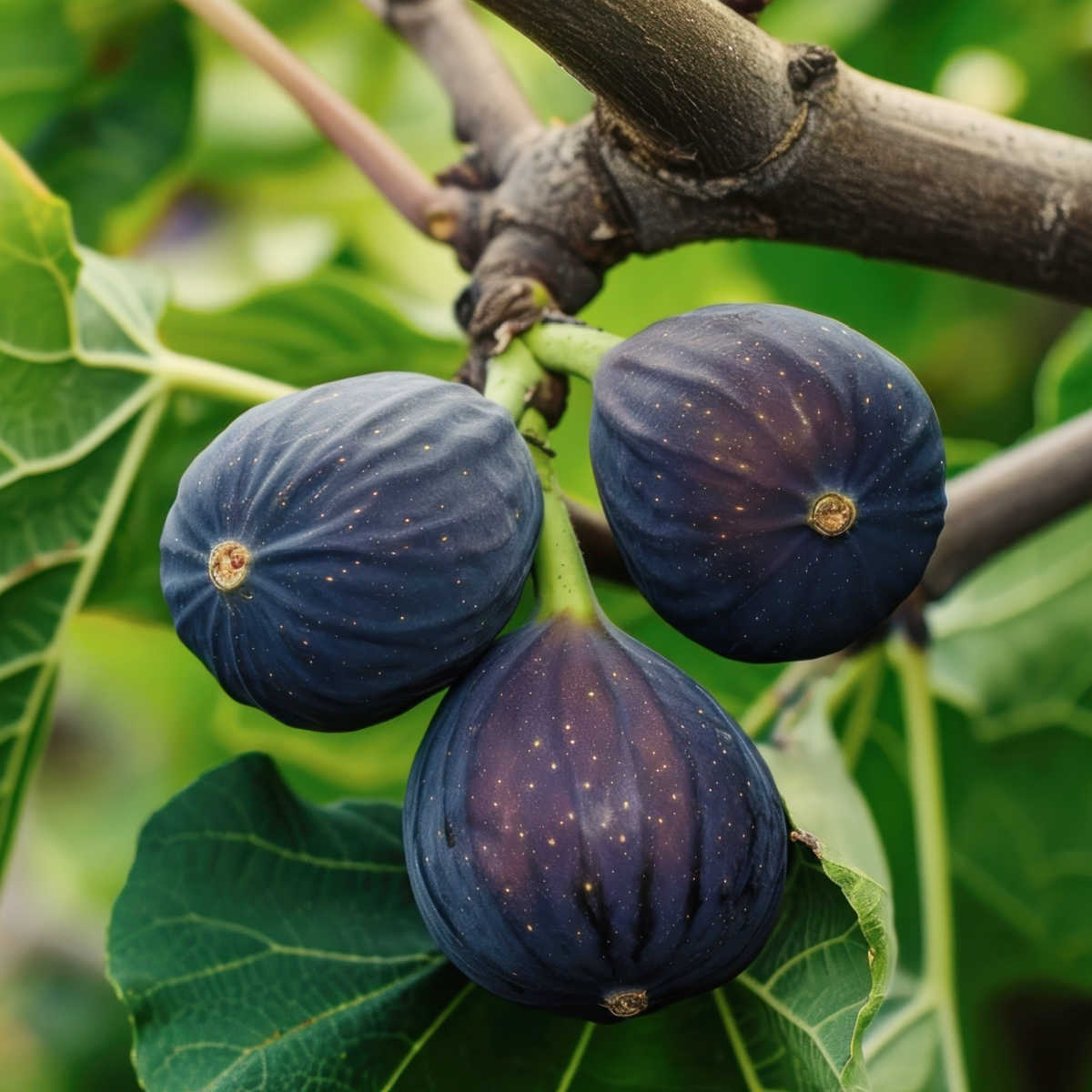
Key threats: fig mosaic virus (spread by fig mite), scale insects, ants farming honeydew pests; relatively robust overall
- Stinging Nettle : supports high diversity of beneficial insects; accumulates iron and silica
- Lemon Balm : repels fig mite and general mites; attracts lacewings
- Rue : traditional strong fig companion; general insect deterrent; deters ants
Mulberry
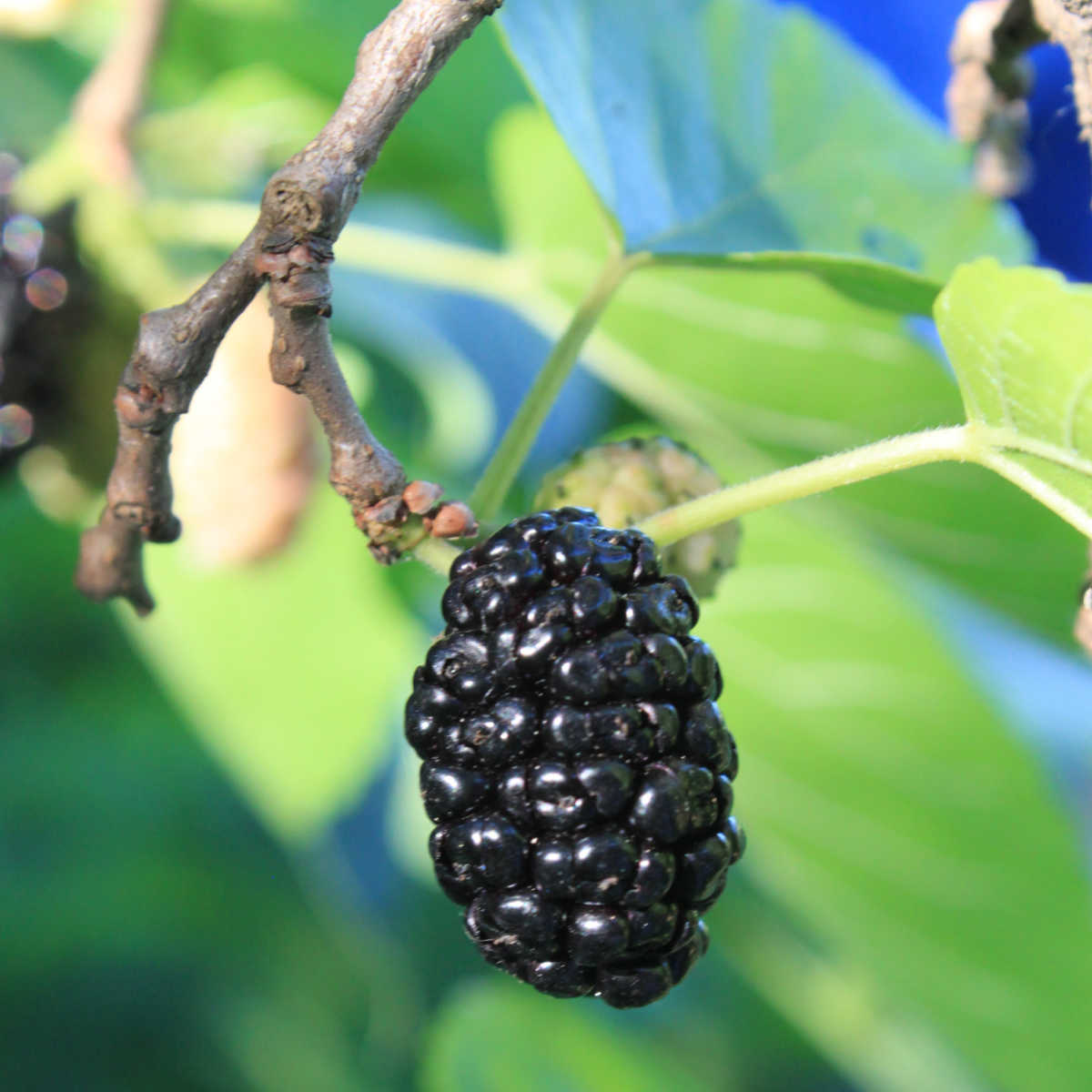
Key threats: powdery mildew, bacterial blight, leaf spot fungi, sooty canker on branches, scale insects, aphids, stem borers; one of the most robust and trouble-resistant orchard trees overall
- Lemon Balm : attracts lacewings which control scale insects, tolerates partial shade under mature canopy well.
- Rue : deters ants that farm aphid and scale colonies on branches.
- Sweet Woodruff : exceptionally shade tolerant ground cover thriving under mature mulberry canopy where most guild plants struggle.
And there you go, fruit tree guild plant lists to help your backyard fruit trees thrive.
If your fruit trees are flourishing do check out all these delicious recipes for making the most of your harvest :
For more simple organic gardening tips do follow me on Pinterest.
Original images under Creative Commons : Woodruff

Leave a Reply