


Spring really is on its way, wild flowers are popping up all over and it's the best time for a wildflower nature hunt.
But for a seriously epic wildflower hunt your kids will love, they've got to learn to see like a bee! You what?
Well the thing is, wild flowers depend on clever little bees pollinating them and bees have awesome colour vision but they see a different set of primary colours than we do. So bees do not see wild flowers in the same way as us.
Different Primary Colours
Bees - like us - have three photoreceptors in their eyes, so all the colours they see are based on three primary colours. BUT whilst our photoreceptors see blue, green and red, the bees see:
- Blue
- Green
- Ultraviolet.
We obviously cannot see the ultraviolet and the bees cannot see red.
Wild Flower Colours
Now I'm afraid your local wild flowers don't give a monkeys about what you and your kids can see. The wild flowers care about the bees. And do everything they can to get the bees to visit them.
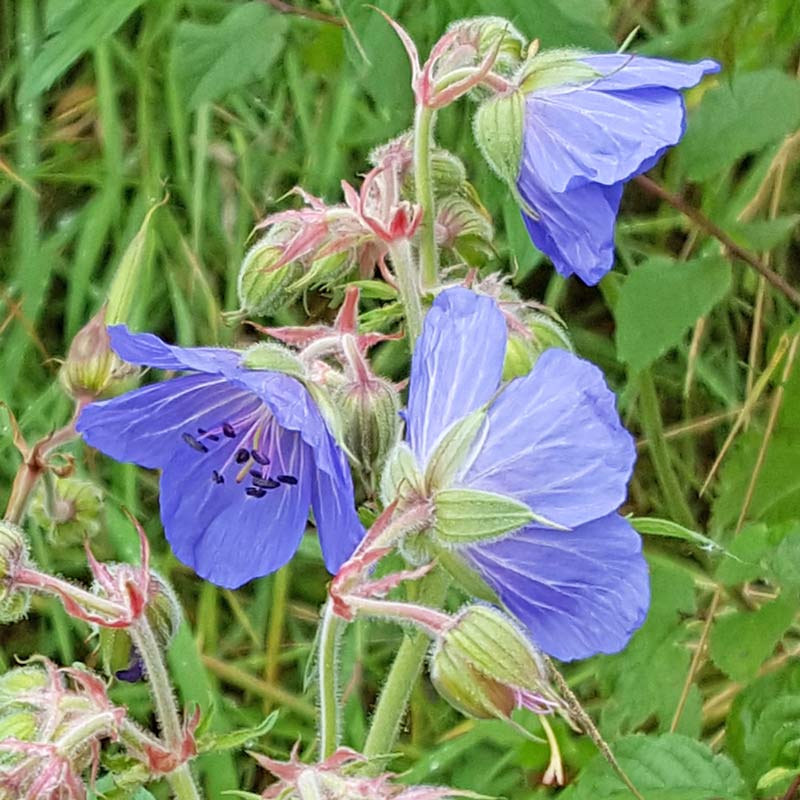
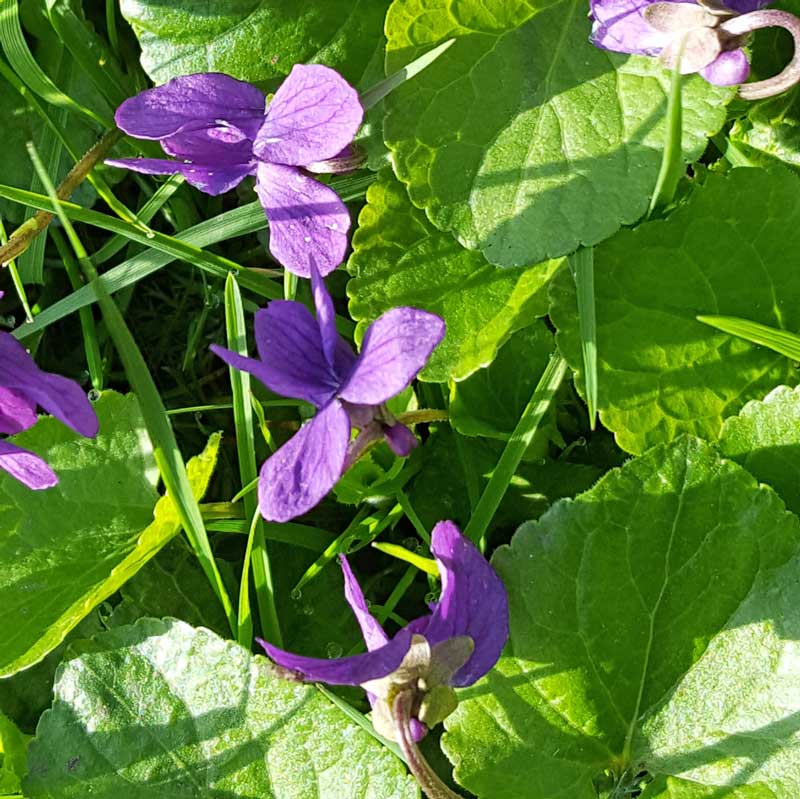
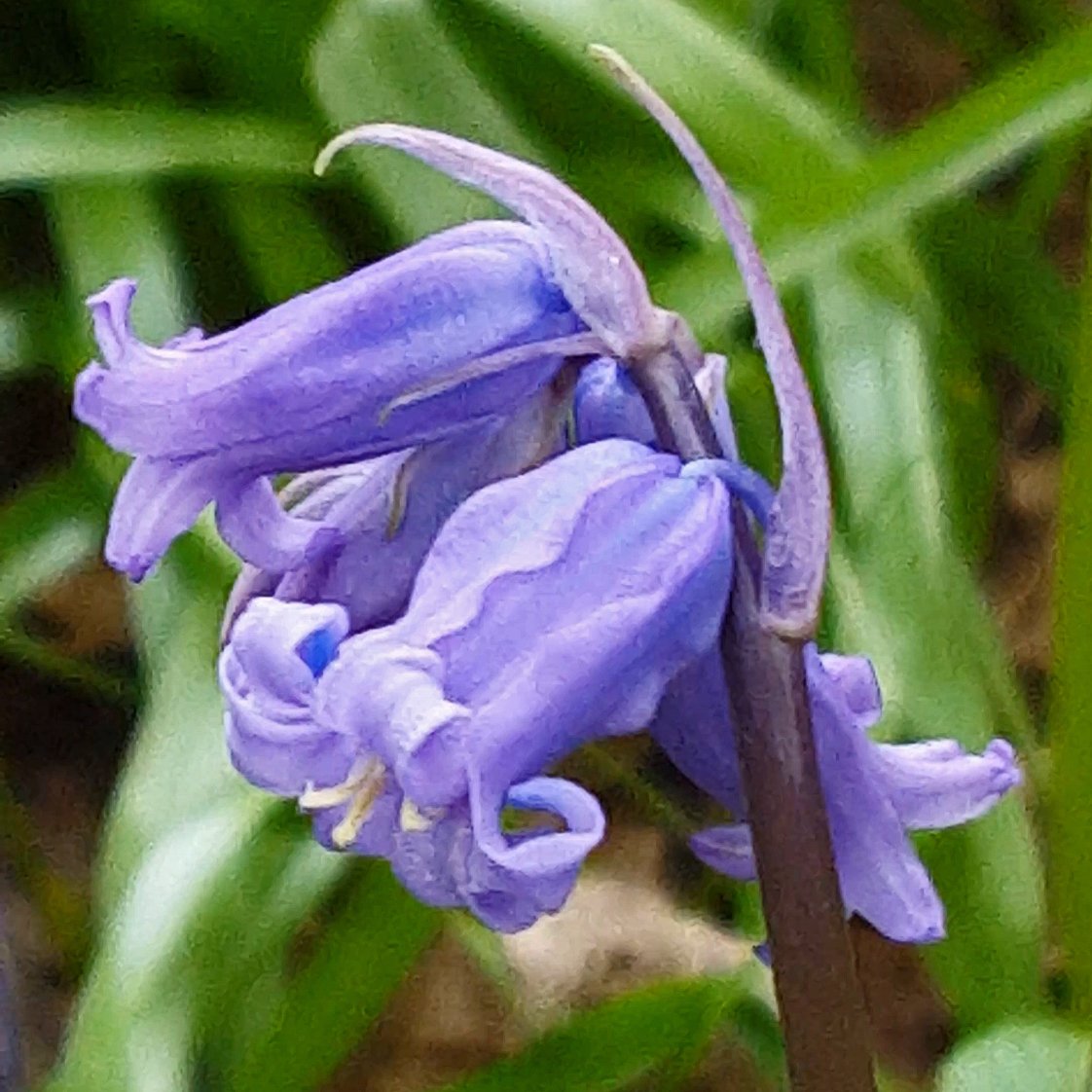
So if you head out into the park or the woods in spring, you'll see many wild flowers are different shades of blue or purple or violet ...
Find The Blue Flowers
So the first thing to look for when you are seeing like a bee on your wildflower hunt is all the blue and purple and violet flowers you can.
In London our wonderful woods - yep we have forest right here in London! - will soon be covered in carpets of bluebells and violets ...
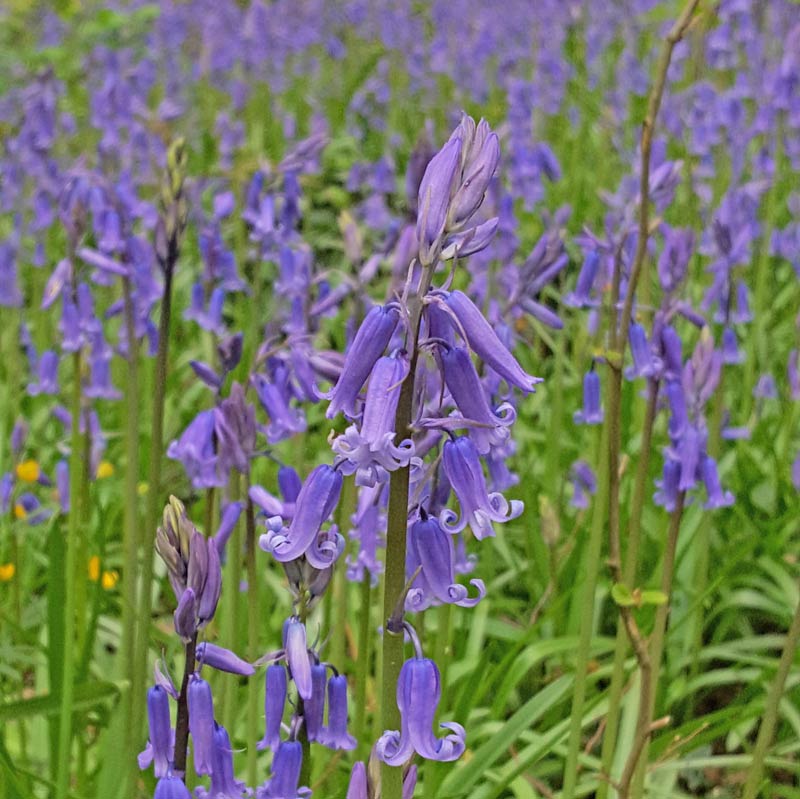
You may have different wild flowers around you. It doesn't matter and don't worry if you don't know their name, the bees don't either 😉 Just spot all the blue and purple flowers you can.
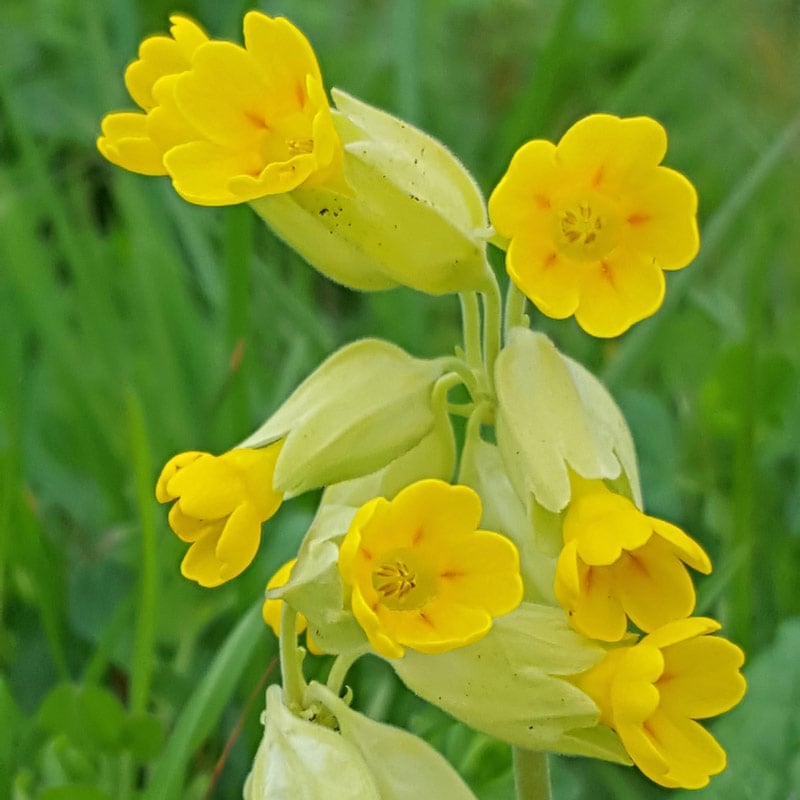
Oh and also .... the yellow ones because it turns out they are NOT really yellow!
Yellow Flowers Aren't Yellow!
Yellow flowers aren't really yellow, what on earth is that all about. We if we are going to see like a bee we need to to remember that flowers that look yellow to us, look blue to bees. There's a fabulous picture here showing what the bee sees on a flower we thought was yellow!
That difference in perception is caused by the bee's ultra violet photoreceptor and it has the same impact on white flowers which also look blue to bees!
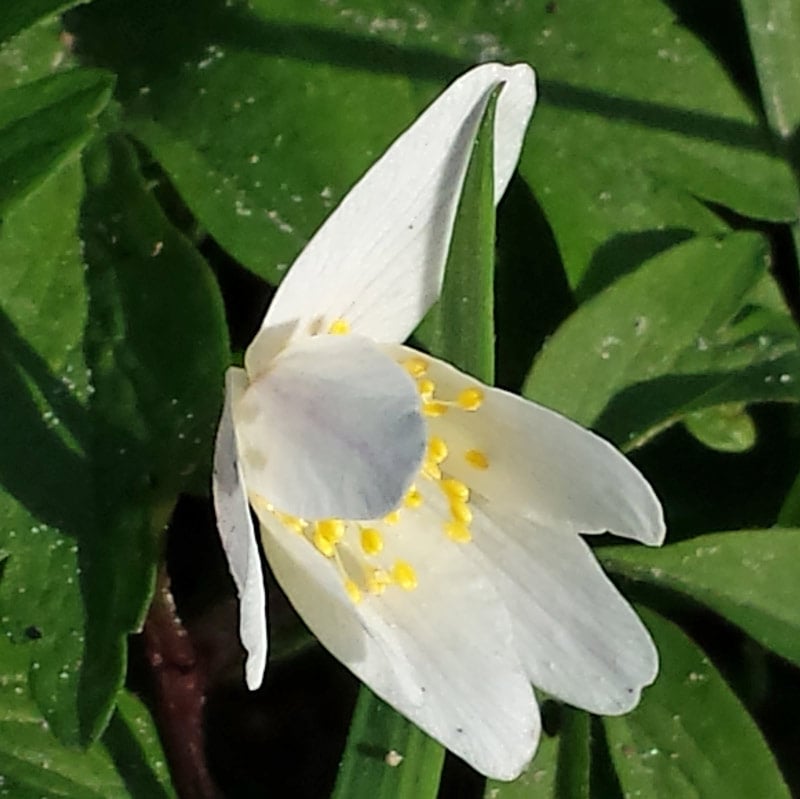
So stage two of your see-like-a-bee wildflower nature hunt is to look out for all the yellow and white wild flowers that you can spot.
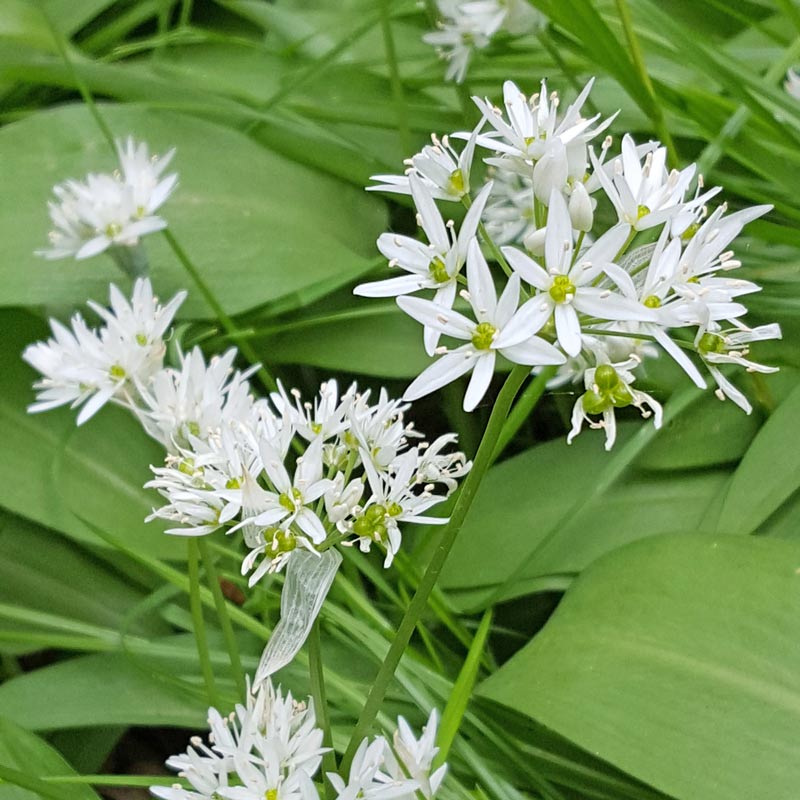
And as you're spotting those yellow and white flowers buzz in really nice and close so you can truly see what the bee is seeing.
Buzz In Close
Now this is one time with kids we actually want to get cell phones out so we can buzz in really close with the phone camera.
The camera makes an outstanding magnifying glass as it lets us see the details the bee spots so easily including the signposts in the middle of the wildflowers which say to the bee "Come this way ... "
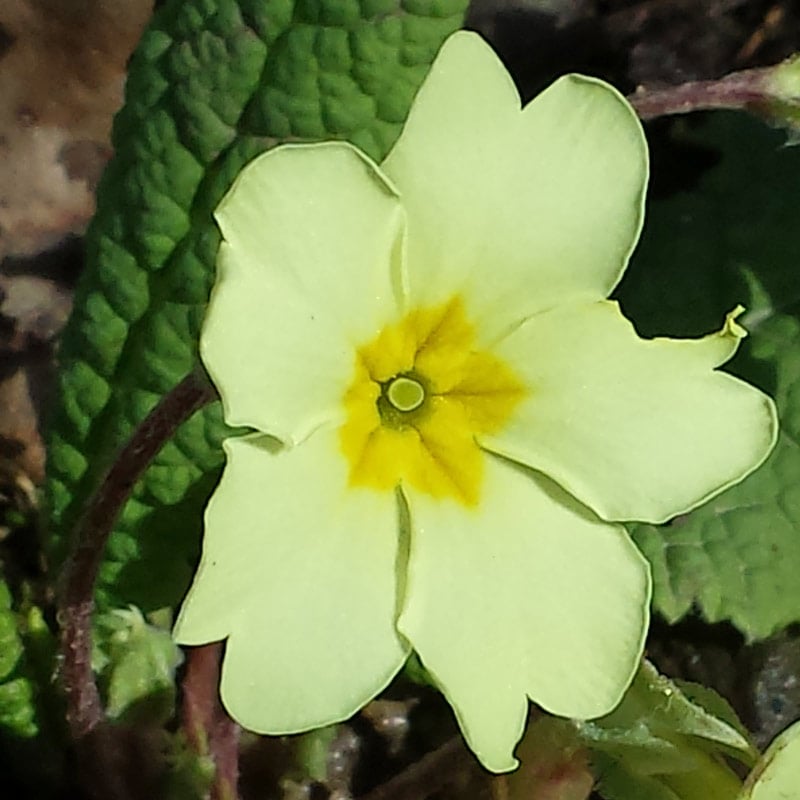
Come This Way
On some wildflowers the signposts drawing the bee into the flower are pretty clear. On others, like the celandine below, they're harder for us to spot ...
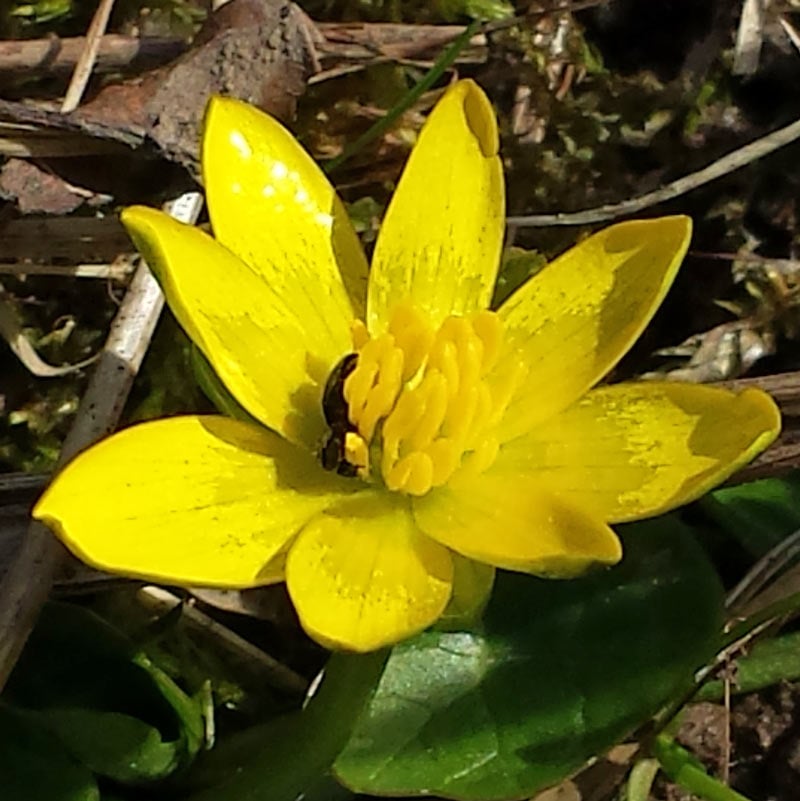
They would be much clearer if we could - like the bees - see ultraviolet. But the common destination of all these wildflower signposts is yummy pollen. The wildflowers use colour differences to tell the bee "food this way".
The bees of course will spread the pollen for flower and critically take it to the stigma of another flower. The stigma is the tiny tube right at the centre through which pollen must travel to fertilise the flower's eggs ...
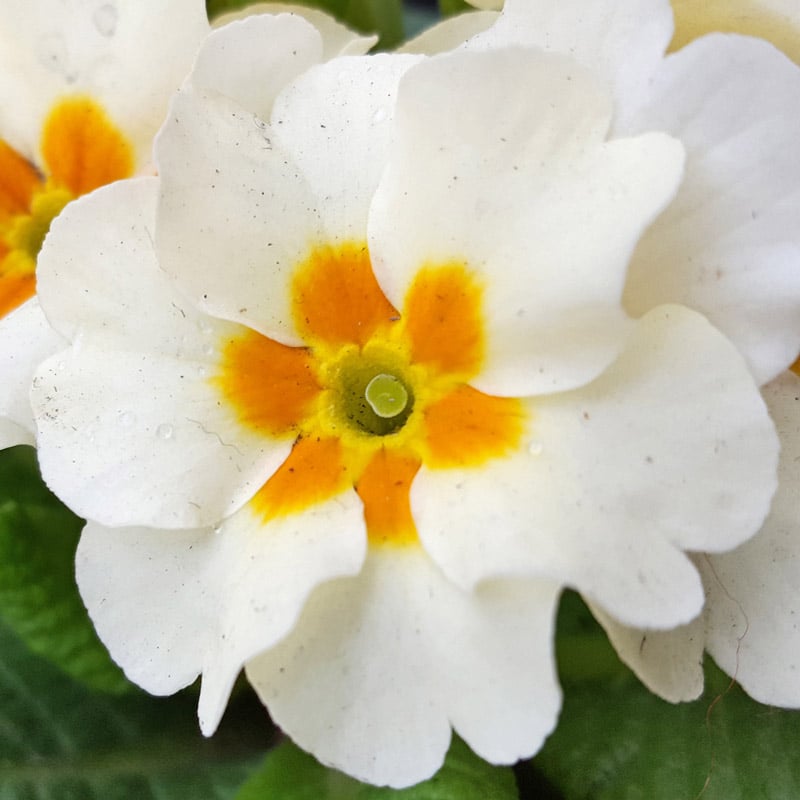
So while you're buzzing in all those wildflowers :
- Get some pollen on your fingers
- Take it off to another flower
- And spot the stigma to drop it in.
And there you go, a fantastic wildflower nature hunt in which you learn to see like a bee and actually pollinate some flowers.
I hope you enjoyed it. For more powerful plant science experiments and nature activities do check out these posts and follow me on Pinterest:


mary lee norfleet says
Thank you. We at the Jeffers Bend Botanical Garden have school classes come for a day. I am going to use this idea and expand the hunt to include hummingbirds and butterflies. We have 6 sessions and repeating the idea is perfect. Again, Thank you for this work.
Alice says
I am so glad you enjoyed it. We don't have hummingbirds in the UK but now you've got me all interested to find out what colours they see!
Joana Marcon says
Hello!
I'm a teacher in Brazil and my class is developing a project about the importance of bees for the planet. Your blog is very interesting and brought great ideas to add to our activities! Congratulations!
A big hug,
Teacher Joana and the 1st grade class at Impulso Pio X School.
Caxias do Sul, Rio Grande do Sul, Brazil
Alice says
That is so wonderful to hear Joana