
Nature inspired names are wonderful for both boys and girls. They are striking, meaningful and tap into deep but long forgotten naming traditions. They are also a great source of unisex name ideas for babies and characters.
The only problem with nature inspired names is their popularity. Willow, Wren, Oakley and Meadow raced from rare to chart topping in barely 10 years.
So what can you do if you love nature names but yearn for an unusual or even unique choice for your baby or writing?
Well here's the thing, English is such a mash-mash of old languages - Celtic, Norse, Latin, old French, old German, Cornish - that you can find wonderful nature names hiding in plain sight.
And in this guide I have rooted out for you beautiful names inspired by :
- Trees
- Weather
- Time & Seasons
- Sun, Moon & Stars
- Water
- Animals
- Plants
- Landscapes
- Birds
For each category I have found you nature names still unusual right now but also uncovered their unique cousins in the old languages lingering in Britain, Ireland and the old north.
There are over 500 inspiring names in the guide plus their meaning, pronunciation and origins in old myths so do bookmark or save for later.
Or for quick ideas jump straight to my top 100 nature inspired names.
Table of Contents
Names Inspired By Trees
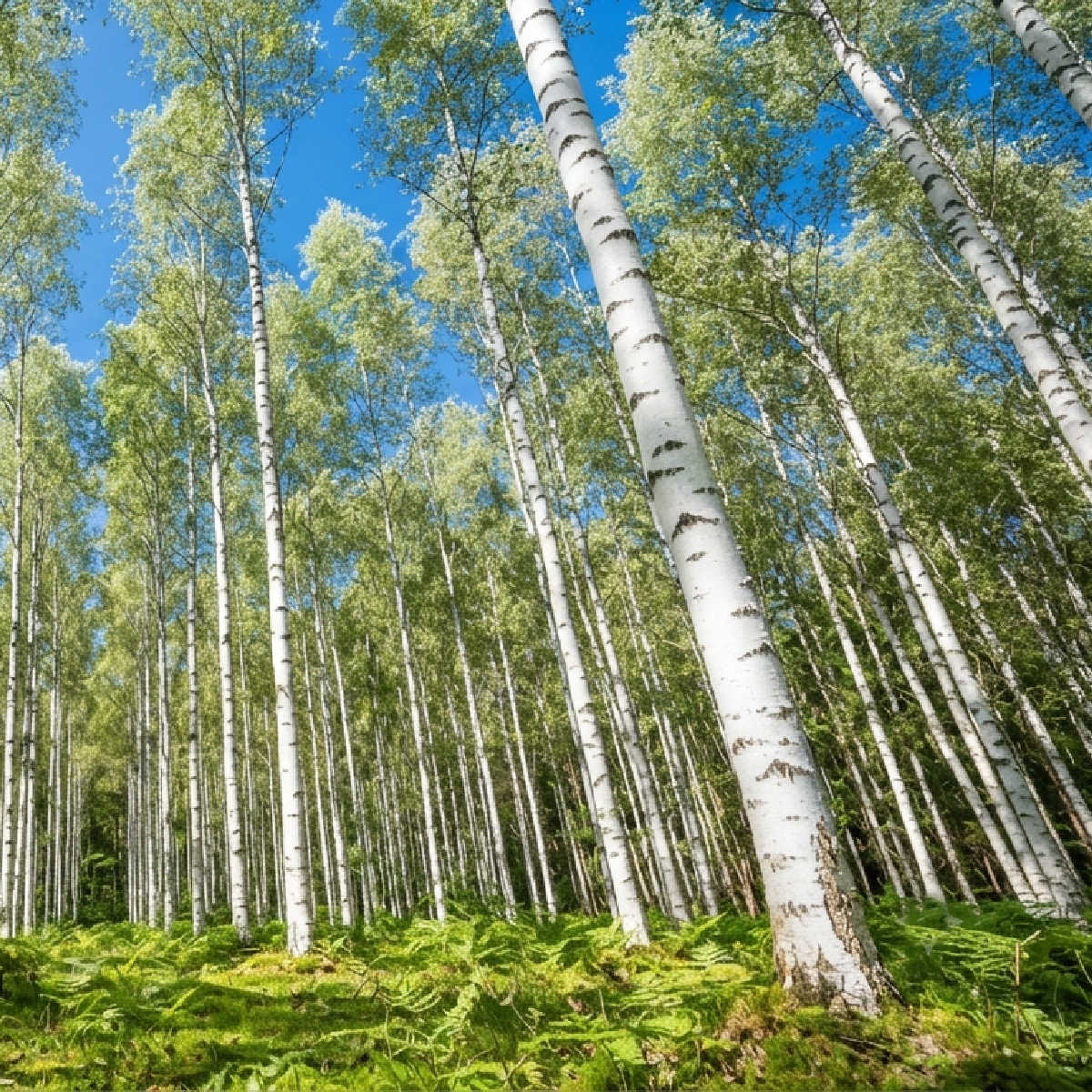
Trees have been the source of some of the most popular nature names recently but there are great alternatives to and variations on the big favourites :
- Alder (Alderley, Alden, Orly, Alnus, Alor, Erila, Aulne)
- Ashley (Ashford, Onnen, Askly, Askr)
- Aspen (Aspley, Asply, Æspe, Aspa, Ösp, Esp, Tremula)
- Birch (Birchly, Beorc, Betulla, Björk, Beithe, Bedwin)
- Elder (Elowen, Aulderyn, Aulderly, Hyldr, Holantar, Bown)
- Hazel (Coll, Corylus, Hasl, Hasala, Koll, Collewyn)
- Juniper (Genévrier, Savin, Tegeryn, Meveren)
- Larch (Larchly, Larchen, Learag, Lairche, Mèirlinn, Laraha)
- Linden (Lindley, Lindon, Lynde, Linta, Tilia, Tilo)
- Oakley (Acley, Ac, Dairly, Eihly, Eikly, Derwa, Derwin, Derwent)
- Willow (Willen, Wilton, Willoughby, Wilcott, Helyk, Saille, Seileach)
You can create lovely unique tree inspired names for girls by popping the Welsh and Cornish diminutive wen on the end of a tree you love. Elowen and Tegwen are old tree names from the Elder and Linden but you could create :
- Alowen
- Askwen
- Aspwen
- Linowen
Alder
Meaning : Resilience
A water-loving marsh tree, used for bridges and shields. It symbolizes steadfast courage that stands firm when life's tides rise high.
Variations : Alderley (English), Alden (English), Orly (English), Alnus (Latin, AL-nus), Alor (Old French, ah-LOR), Erila (Old High German, er-EE-lah), Aulne (French, ohn)
Ashley
Meaning : The World Tree
The Ash was the pillar of Norse cosmology, Yggdrasil. It symbolizes the sacred connection between heaven, earth and the deep roots of the world.
Variations : Ashford (English), Onnen (Welsh, ON-nen), Askly (English), Askr (Old Norse, ASK-er)
Aspen
Meaning : The Whispering Spirit
Its trembling leaves were said to catch the murmurs of the unseen. It remains a sacred beacon for those listening to the wind's secrets.
Variations : Aspley (English), Asply (English), Æspe (Old English, ES-peh), Aspa (Old Norse, ASP-ah), Ösp (Old Norse, ERSP), Esp (Old French, esp), Tremula (Latin, TREM-yoo-lah)
Birch
Meaning : New Beginnings
The first to reclaim land after the ice, the birch symbolises purity, light and new growth.
Variations : Birchly (English), Beorc (Old English, BAY-ork), Betulla (Latin, bet-OOL-lah), Björk (Old Norse, byork), Beithe (Gaelic, BAY-h), Bedwin (Cornish, bed-WIN)
Elder
Meaning : Sacred Wisdom
The "Elder Mother" guarded the threshold between life and death. This tree was the keeper of ancient secrets and protector of the family hearth.
Variations : Elowen (Cornish, el-OH-wen), Aulderyn (Cornish, awl-DER-in), Aulderly (English), Hyldr (Old Norse, HIL-der), Holantar (Old Germanic, hol-AN-tar), Bown (Cornish, bown)
Hazel
Meaning : Hidden Knowledge
Tied to the Well of Wisdom, its nuts were emblems of divine insight, poetry, and the ability to look beneath the surface of things.
Variations : Coll (Gaelic, koll), Corylus (Latin, KOR-il-us), Hasl (Old High German, HAH-zul), Hasala (Old Norse, HAH-sah-lah), Koll (Old Norse, koll), Collewyn (Cornish, kol-EH-win)
Juniper
Meaning : Purification
A fragrant, evergreen sentinel used to cleanse the air, ward off malevolent spirits and keep the home space holy and untouched by harm.
Variations : Genévrier (French, zhen-ev-RYAY), Savin (Latin, SAV-in), Tegeryn (Cornish, teg-ER-in), Meveren (Cornish, mev-ER-en)
Larch
Meaning: Endurance
The only conifer to shed needles, it represents mountain endurance and the capacity to let go of what is worn out to survive the frost.
Variations : Larchly (English), Larchen (Middle English, LAR-chen), Learag (Gaelic, LEAR-ag), Lairche (Old French, lair-SH), Mèirlinn (Scots, MAIR-lin), Laraha (Celtic, lah-RAH-hah)
Linden
Meaning : The Hearth Tree
The tree of community assembly, its heart-shaped leaves symbolize love, empathy, and the peaceful reconciliation of disputes beneath its spreading, fragrant shade.
Variations : Lindley (English), Lindon (English), Lynde (Middle English, lind), Linta (Old High German, LIN-tah), Tilia (Latin, TIL-ee-ah), Tilo (Old Germanic, TEE-lo)
Oakley
Meaning : The King of the Forest
Sacred to thunder gods, the oak represents sovereignty and strength. It is a living monument of stability, bridging the gap between earth and heaven.
Variations : Acley (Old English, AK-lee), Ac (Old English, ahk), Dairly (Gaelic, DAIR-lee), Eihly (Norse, AY-lee), Eikly (Norse, AYK-lee), Derwa (Cornish, DER-wah), Derwin (Cornish, DER-win), Derwent (Celtic, DER-went)
Willow
Meaning : Intuition
The tree of the moon and tides. Because it bends in the storm, it symbolizes emotional flexibility and the grace to navigate life’s currents.
Variations : Willen (English), Wilton (English), Willoughby (English), Wilcott (English), (Helyk (Cornish, HEL-ik), Saille (Gaelic, SAL-yeh), Seileach (Gaelic, SHAY-lakh)
Names From The Weather
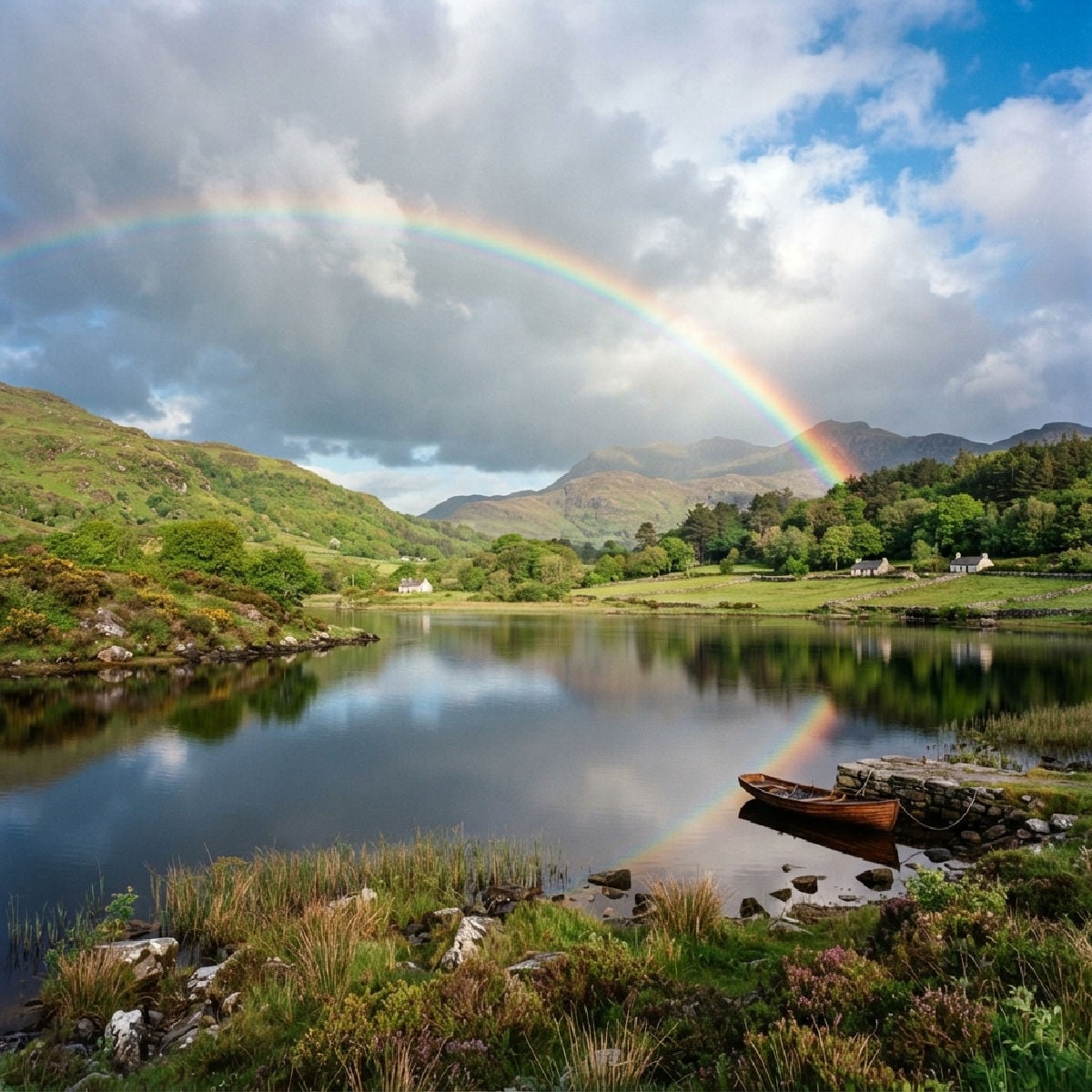
Weather inspired names such as Sky, Skyla, Misty and Sunny have recently become pretty common names for girls and Stormy prominent in popular culture but there are some beautifully unusual and unique alternatives hiding in old north European languages :
- Thunder (Taran, Tarann, Rēam, Kurun, Dunn, Rumm, Storni, Tunor, Thonar)
- Breeze (Aura, Awel, Avel, Kári, Gwyns, Gwyth)
- Lightning (Elding, Elix, Aighne, Luhes, Levin, Llumenn)
- Misty (Aist, Ciaoch, Mistig, Ceo, Mistr, Nywl, Nivol, Nibel)
- Snow (Eira, Eirlys, Drífa, Mjöll, Niv, Nive, Fonn)
- Rainbow (Arcus, Enfys, Bow, Cíorbhán)
- Sunny : (Sólskin, Sunne, Heulwen, Heol, Sól, Sigel, Licht, Ljós)
- Sky (Aer, Awyr, Ebron, Rodor, Neven, Caelum, Ciel, Lloft, Welkin, )
And many of them are much more gender neutral. Sky and Misty have become girls names but Ebron and Mistig, for example, could be either.
Breeze
Meaning : Freedom
Wind and breeze symbolized the breath of life, poetic inspiration, and untamed freedom across Celtic landscapes and the open northern seas.
Variations : Aura (Latin, AW-rah), Awel (Welsh, AH-wel), Avel (Breton, AH-vel), Kári (Old Norse, KAH-ree), Gwyns(Cornish, GWINS), Gwyth (Welsh, GWITH)
Lightning
Meaning : Illumination
A flash of divine fire, lightning represented sudden enlightenment, raw power, and the swift, electrifying strike of inspiration or change.
Variations : Elding (Old Norse, EL-ding), Elix (Old German, EEL-iks), Aighne (Irish, EYE-nah), Luhes (Old English, LOO-hes), Levin (Old English, LEV-in), Llumenn (Old Welsh, LOO-men)
Misty
Meaning : Mystery
Mist obscures the boundary between our world and the next, representing hidden paths, soft transitions and the quiet beauty of the unseen.
Variations : Aist (Old English, AYST), Ciaoch (Irish, KEE-okh), Mistig (Old German, MIS-tig), Ceo (Irish, KEE-oh), Mistr (Old Norse, MIS-tr), Nywl (Welsh, NOOL), Nivol (Old French, NEE-vol), Nibel (Old German, NEE-bel)
Rainbow
Meaning : Bridge
The celestial bridge between earth and the heavens, rainbows appear as symbols of promise, hope and the harmonious return of the sun.
Variations : Arcus (Latin, AR-kus), Enfys (Welsh, EN-vis), Bow (Old English, BOH), Cíorbhán (Irish, KEER-van)
Snow
Meaning : Purity
Snow blankets the world in silence, symbolizing a fresh start, the preservation of life beneath the surface and serene, crystalline beauty.
Variations : Eira (Welsh, AY-rah), Eirlys (Welsh, AY-lis), Drífa (Old Norse, DREE-fah), Mjöll (Old Norse, MYOLL), Niv(Latin, NIV), Nive (Old French, NEEV), Fonn (Old Scots, FON)
Sky
Meaning : Vastness
The sky represents endless possibility, the heavens above and the grand, expansive roof of the world that watches over us all.
Variations : Aer (Latin, AIR), Awyr (Welsh, AH-wir), Ebron (Old English, EB-ron), Rodor (Old Welsh, ROD-or), Neven(Old Breton, NEH-ven), Caelum (Latin, KAY-lum), Ciel (French, SYEL), Lloft (Welsh, LHOFT), Welkin (Old English, WEL-kin)
Sunny
Meaning : Radiance
The sun is the ultimate source of life and warmth. These names carry the light of the day and a bright, golden spirit.
Variations : Sólskin (Old Norse, SOL-skin), Sunne (Old English, SUN-uh), Heulwen (Welsh, HAYL-wen), Heol (Breton, HEE-ol), Sól (Old Norse, SOL), Sigel (Old English, SEE-jel), Licht (Old German, LIKT), Ljós (Old Norse, LYOS)
Thunder
Meaning : Power
The deep, rumbling voice of the gods, thunder is the primal sound of authority, storm-battered strength, and the shaking of the earth.
Variations : Taran (Welsh, TAR-an), Tarann (Breton, TAR-an), Rēam (Old English, REEM), Kurun (Breton, KOOR-un), Dunn (Old Norse, DUN), Rumm (Old English, RUM), Storni (Old German, STOR-nee), Tunor (Old English, TOO-nor), Thonar (Old German, THON-ar)
Names From Seasons & Time
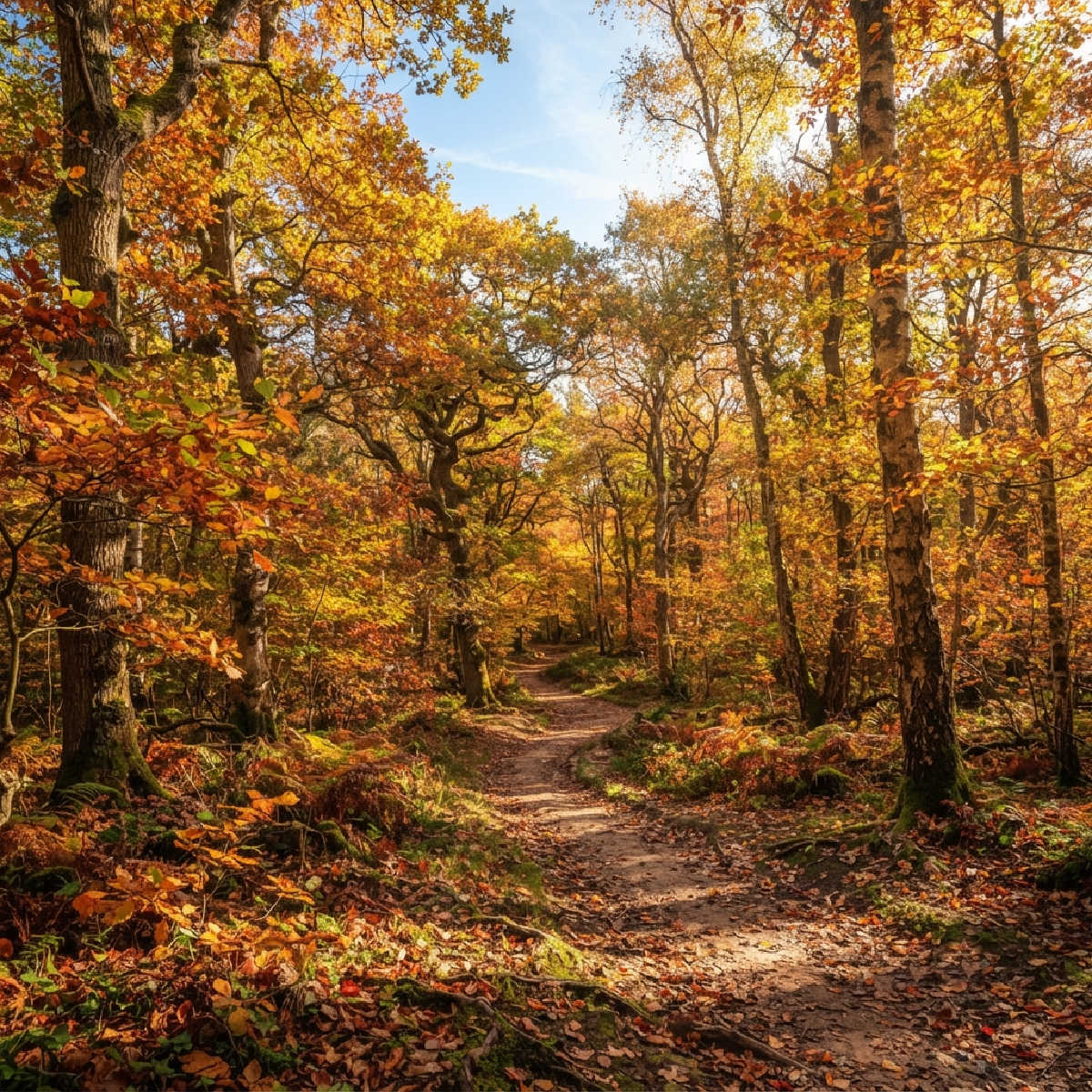
Autumn and Summer are popular girls names for capturing the beauty of the seasons but there are pretty rare alternatives - I love Sīo, Siobhra, Arla and Ebrill - PLUS great unusual options for boys or unisex names :
- Autumn (Sīo, Siobhra, Fealu, Fealwe, Falo, Medi)
- Dawn (Alba, Leoie, Camva, Uhta, Lleu-las, Morne)
- Dusk (Moian, Aibhle, Gwyll, Skimming, Rökkr, Hwyr, Nosweyth)
- Morning (Arla, Mairn, Maidin, Myttin, Morgon)
- Spring (Arree, Ebrill, Linten, Spira, Vár, Vor, Gwanwyn)
- Summer (Līða, Souree, Haf, Hav, Hañv, Samrey, Simmer)
- Winter (Wyntre, Giam, Gim, Gwav, Hrím, Vitr)
Autumn
Meaning : Harvest
Old English and its cousins in old German and Dutch all had wonderful words to capture the rich golden, amber beauty of harvest colours and autumn leaves.
Variations : Sīo (Irish, SEE-oh), Siobhra (Irish, SHEV-rah), Fealu (Old English, FEE-al-oo), Fealwe (Old English, FEAL-weh), Falo (Old Germanic, FAH-lo), Medi (Cornish, MEH-dee)
Dawn
Meaning : Beginning
All the old languages of northern Europe had words to describe not just dawn but the ethereal, quiet, hopeful twilight and faint shimmers of light just as the world begins to wake.
Variations : Alba (Latin, AL-bah), Leoie (Old French, LEE-oh-ee), Camva (Old Welsh, KAM-vah), Uhta (Old English, OOH-tah), Lleu-las (Welsh, THLAY-lahs), Morne (Old English, MORN)
Dusk
Meaning : Twilight
The old northern languages also had special words for the soft liminal light and the gentle gloaming when the sun dips below the horizon but the night has not yet taken over.
Variations : Moian (Old Cornish, MOY-an), Aibhle (Irish, AY-vleh), Gwyll (Welsh, GWILL), Skimming (Old Norse, SKIM-ing), Rökkr (Old Norse, RUK-er), Hwyr (Welsh, HOOY-er), Nosweyth (Cornish, NOS-wayth)
Morning
Meaning : Awakening
Representing the earliest hours, morning is a time of freshness and rising energy, signaling the start of a journey or a renewed life.
Variations : Arla (Old English, AR-lah), Mairn (Old Scottish, MAIRN), Maidin (Irish, MAY-din), Myttin (Cornish, MIT-in), Morgon (Old Norse, MOR-gon)
Spring
Meaning : Renewal
In Norse myth, spring is the domain of Vár, the goddess of oaths who oversees the earth keeping its sacred covenant to bloom again.
Variations : Arree (Cornish, AR-ree), Ebrill (Welsh, EB-ril), Linten (Old English, LIN-ten), Spira (Latin, SPEE-rah), Vár (Old Norse, VAHR), Vor (Old Germanic, VOR), Gwanwyn (Welsh, GWAHN-win)
Summer
Meaning : Radiance
In the Anglo-Saxon calendar, the summer solstice was celebrated during the dual months of Līða, a time of high sun feasts marking the absolute peak reign of the Celtic Oak King.
Variations : Līða (Old English, LEE-dah), Souree (Cornish, SOW-ree), Haf (Old Norse, HAH), Hav (Old Norse, HAH), Hañv (Breton, HANV), Samrey (Old Cornish, SAM-ray), Simmer (Old Scots, SIM-er)
Winter
Meaning : Stillness
In the Icelandic Sagas, the Norse Edda, Hrím, the ancient giant Frost King, commands great legions of frost giants to cover the land in snow and ice. He brings chaos but it's only through winter we get the renewal of spring.
Variations : Wyntre (Old English, WIN-treh), Giam (Old Irish, GEE-am), Gim (Old Norse, GIM), Gwav (Cornish, GWAV), Hrím (Old Norse, HREEM), Vitr (Old Norse, VIT-er)
Names Inspired By The Stars
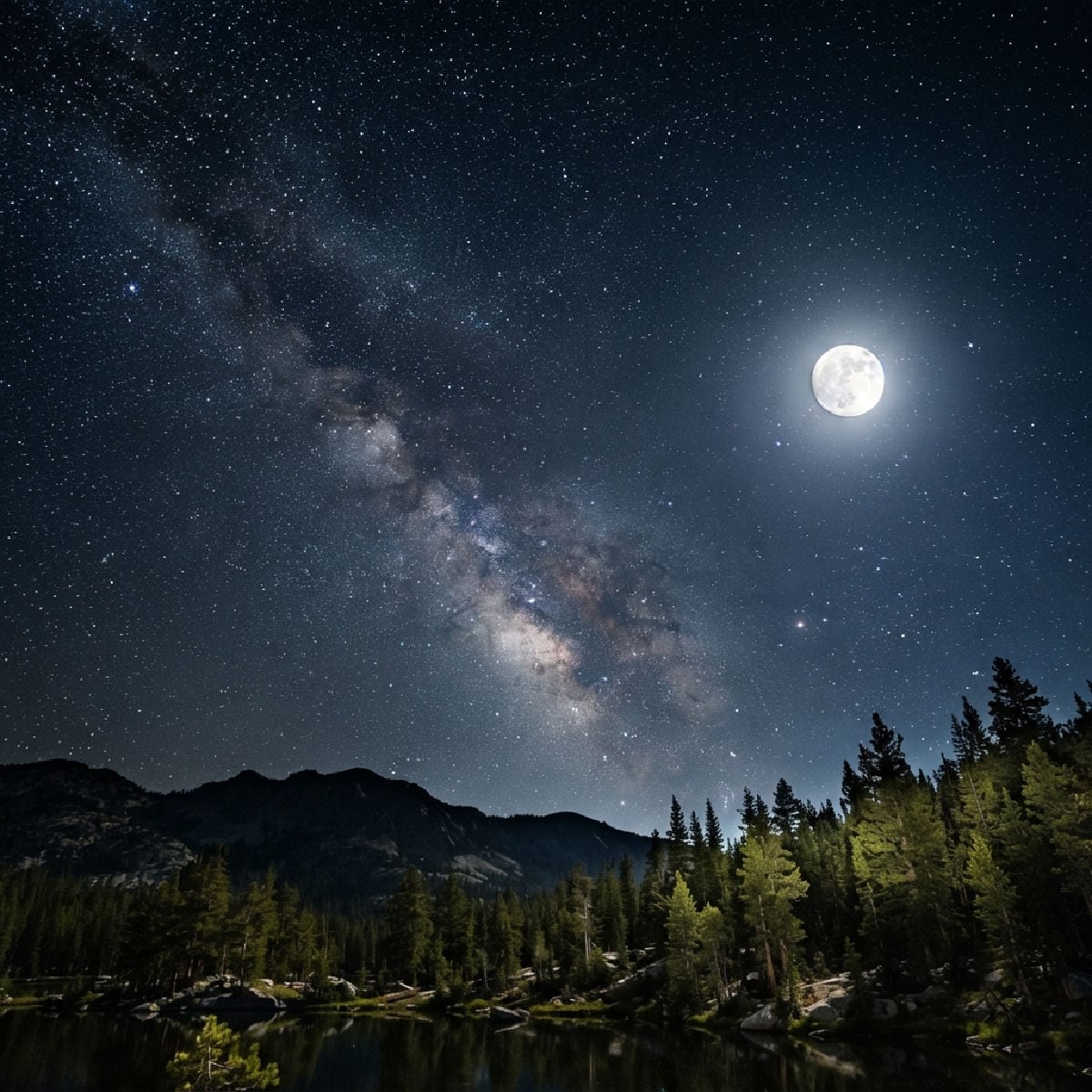
Baby names inspired by the stars and the night sky are very popular. Stella and Luna are top 50 and Nova and Atlas rising fast but we can again find wonderfully unusual star names in the old northern languages :
- Celeste (Serenwyl, Adharail, Awyraidd, Neamhaí, Niauagh)
- Luna (An Ré, Lēoma, Lōnar, Lōni)
- Moon (Eayst, Loor, Máni, Māno, Mōna, Mána, Mōne, Ree, Rūna, Yloer)
- Orion (Aurvandill, Cernunnos, Mabon, Nuadu)
- Star (Seren, Stera, Steren, Stēorra, Stalla, Sterno, Stjarna, Stjerna)
- Sun (Haul, Sól, Sunne, Grian, Sonne, Sünna)
- Venus (Eārendel, Arwen, Aregwen, Maelwenne, Orentil, Borlewen, Serevyn)
You'll have spotted that Tolkien beat us to names such as Arwen and Eārendel but there are lovely Celtic alternatives such as Serevyn and Serenwyl which means sky-watcher or star-vigil.
Celeste
Meaning : Heavenly
Derived from the vault of the heavens, these names evoke the vast, celestial expanse and the ethereal nature of the sky above.
Variations : Serenwyl (Welsh, SEH-ren-wil), Adharail (Old Irish, AH-thah-rail), Awyraidd (Welsh, OW-er-aith), Neamhaí (Irish, NAV-ee), Niauagh (Manx, NEE-ah-vah)
Luna
Meaning : Illumination
Names reflecting the light of the moon, symbolizing clarity in darkness, guidance for travelers and the soft, reflective glow of the night.
Variations : An Ré (Irish, ahn RAY), Lēoma (Old English, LAY-oh-mah), Lōnar (Old German, LOH-nar), Lōni (Old Dutch, LOH-nee)
Moon
Meaning : Lunar Cycle
Representing the rhythm of the tides and the passage of time, these names capture the ever-changing face of the moon.
Variations : Eayst (Manx, EE-ast), Loor (Old Breton, LOOR), Máni (Old Norse, MAH-nee), Māno (Old Germanic, MAH-no), Mōna (Old English, MOH-nah), Mána (Icelandic, MAH-nah), Mōne (Frisian, MOH-neh), Ree (Manx, REE), Rūna (Orcadian, ROO-nah), Yloer (Old Cornish, ILL-oh-er)
Orion
Meaning : The Hunter
Linked to the great constellation, these names embody the spirit of the celestial warrior, cosmic navigation and ancient myth.
Variations : Aurvandill (Old Norse, AUR-van-dil), Cernunnos (Celtic, ker-NOO-nos), Mabon (Welsh, MAY-bon), Nuadu (Irish, NOO-ah-doo)
Star
Meaning : Celestial Light
These names sparkle with the essence of distant suns, representing brilliance, guidance, and the enduring beauty of the night sky.
Variations : Seren (Welsh, SEH-ren), Stera (Old English, STEH-rah), Steren (Cornish, STEH-ren), Stēorra (Old English, STAY-or-ah), Stalla (Old German, STAH-lah), Sterno (Old High German, STER-noh), Stjarna (Old Norse, STYAR-nah), Stjerna (Old Swedish, STYER-nah)
Sun
Meaning : Daystar
The source of all light and warmth, these names honor the sun as the constant, life-giving center of our world.
Variations : Haul (Welsh, HOWL), Sól (Old Norse, SOL), Sunne (Old English, SUN-uh), Grian (Irish, GREE-an), Sonne(Old German, SON-uh), Sünna (Old Germanic, SOO-nah)
Venus
Meaning : Morning Star
Associated with beauty and the brightest beacon of the morning, these names are steeped in grace and timeless elegance.
Variations : Eārendel (Old English, ee-AR-en-del), Arwen (Welsh, AR-wen), Aregwen (Old Welsh, ah-REG-wen), Maelwenne (Old Cornish, my-WEN-eh), Orentil (Old German, OR-en-til), Borlewen (Cornish, bor-LEW-en), Serevyn (Celtic, seh-REV-in)
Names Inspired By Water
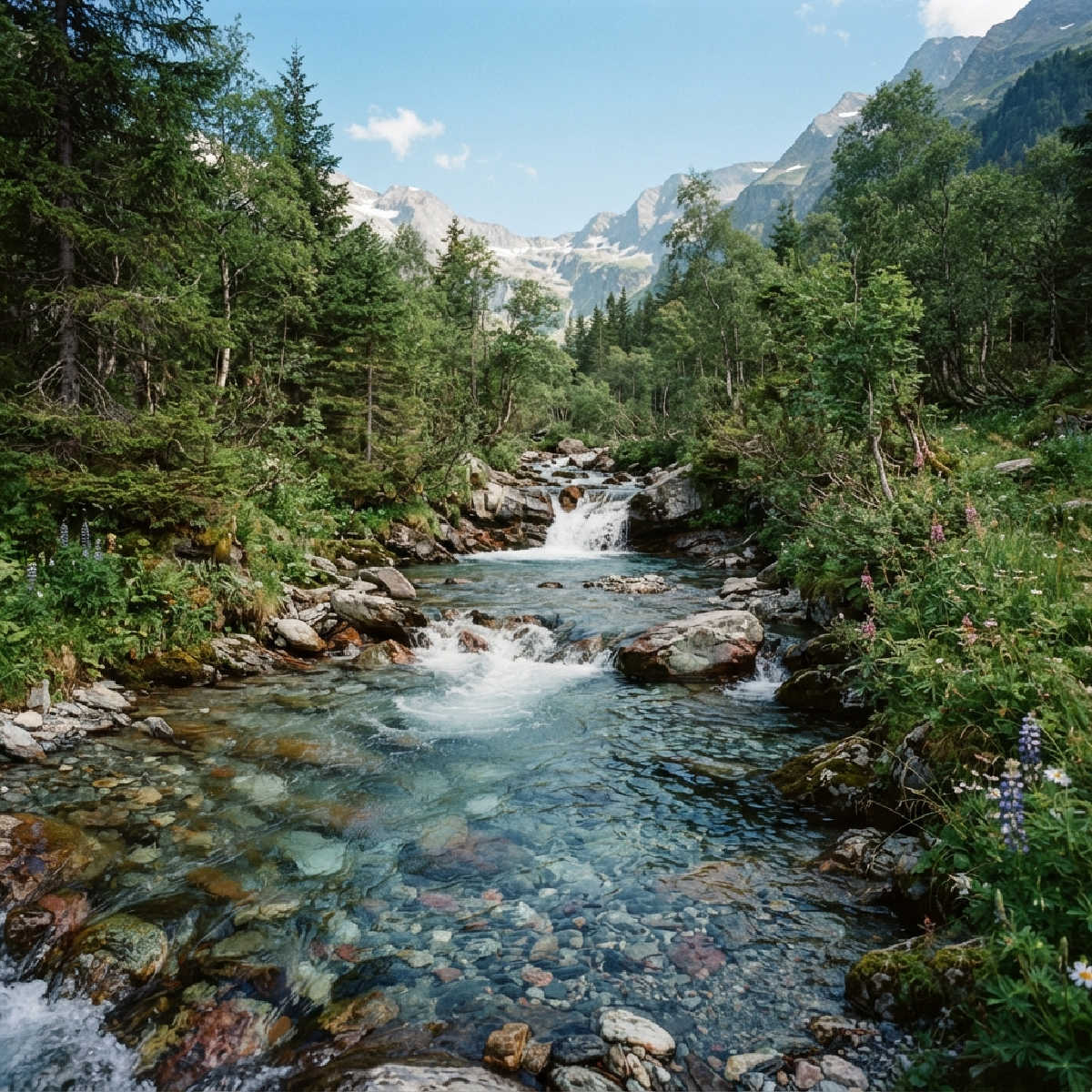
Many of us are drawn to the emotional power of names tied to water like River. Water was also a powerful force for the sea faring Celts, Vikings and Saxons who saw rivers, springs, lakes and the sea itself as connecting places between worlds and so they left us a huge collection of water inspired words hiding in old place names :
- Bay : (Baie, Bucht, Cuan, Kuan, Wick, Firth, Voe, Hope, Inbhir)
- Brook : (Beck, Bourne, Burn, Rill, Perle, Nant, Gil, Ghyll, Clōh, Strind)
- Ford : (Rhyd, Áth, Traeth, Ryd, Forda)
- Llyn : (Tarn, Loch, Lough, Logh, Mere, Lochan, Kjarr, Carr, Lōc)
- River : (Afon, Esk, Usk, Fleet, Aon)
- Shore : (Hythe, Hithe, Strand, Ora, Ayr, Staithe, Erith, Tráigh, Brekka, Littus)
- Spring : (Awan, Ffynnon, Kelli)
If you want longer names look for actual places or names you connect with in someway that make use of these stems e.g. Holbeck, Caldbeck, Longhope, Lerwick, Berwick, Atholl.
Bay
Meaning : Safe Harbour
Bays were the portals for explorers and sailors. These names evoke the quiet safety of an inlet and the spirit of maritime discovery. In the North, the Voe (a Norse inlet) was a critical waterway for trade.
Variations : Baie (French, BAY), Bucht (German, BUKT), Cuan (Irish, KOO-an), Kuan (Gaelic, KOO-an), Wick (Old English, WIK), Firth (Scottish, FURTH), Voe (Old Norse, VOH), Hope (Old English, HOHP), Inbhir (Gaelic, IN-vir)
Brook
Meaning : Flow
Brooks were considered the veins of the earth, often associated with small, lively movements and local folklore. The Ghyll (deep, rocky ravine) is deeply synonymous with the rugged, mythological landscape of Northern England.
Variations : Beck (Old Norse, BEK), Bourne (Old English, BORN), Burn (Scottish, BURN), Rill (Old English, RIL), Perle (Old German, PER-leh), Nant (Welsh, NANT), Gil (Old Norse, GIL), Ghyll (Old Norse, GHIL), Clōh (Old English, KLOH), Strind (Old Norse, STRIND)
Ford
Meaning : Adventurer
A ford is the literal crossing point between two banks, often symbolizing the meeting of the physical and spiritual worlds. Rhyd (the Welsh word for ford) appears frequently in Mabinogion legends as a place of magical encounters.
Variations : Rhyd (Welsh, RREED), Áth (Old Irish, AW), Traeth (Welsh, TRY-eth), Ryd (Old Norse, REED), Forda (Old English, FOR-dah)
Llyn
Meaning : Depths
Lakes were often seen as sacred dwelling places for spirits and deities. The English Mere is steeped in Arthurian legend, famously associated with the resting place of the Lady of the Lake and the gateway to Avalon.
Variations : Tarn (Old Norse, TARN), Loch (Scottish/Gaelic, LOK), Lough (Irish, LOK), Logh (Manx, LOK), Mere (Old English, MEER), Lochan (Gaelic, LO-khan), Kjarr (Old Norse, KYAR), Carr (Old English, KAR), Lōc (Old English, LOK)
River
Meaning : Brave Traveller
Rivers were the physical manifestation of time and life’s journey. The Esk and Usk are ancient remnants of pre-Celtic languages, names that have meant "water" for millennia and remain etched into the British landscape.
Variations : Afon (Welsh, AH-von), Esk (Brythonic, ESK), Usk (Brythonic, USK), Fleet (Old English, FLEET), Aon (Old Irish, AUN)
Shore
Meaning : Balance
The shoreline is the liminal space between the known world and the great unknown. A Staithe was historically a vital landing place, a center of commerce where civilization met the sea.
Variations : Hythe (Old English, HYTHE), Hithe (Old English, HYTHE), Strand (Old Norse, STRAND), Ora (Latin, OR-ah), Ayr (Scottish, AIR), Staithe (Old English, STAYTH), Erith (Old English, EER-ith), Tráigh (Irish, TRAW), Brekka(Old Norse, BREK-kah), Littus (Latin, LIT-us)
Spring
Meaning : Spiritual & Creative Strength
Sacred wells and springs, known in Wales as Ffynnon, were the most venerated water sources. They were often dedicated to healing goddesses and used for divination, believed to offer a direct connection to the earth's wisdom.
Variations : Awan (Old English, AH-wan), Ffynnon (Welsh, FIN-non), Kelli (Cornish, KEL-lee)
Names Inspired By Animals
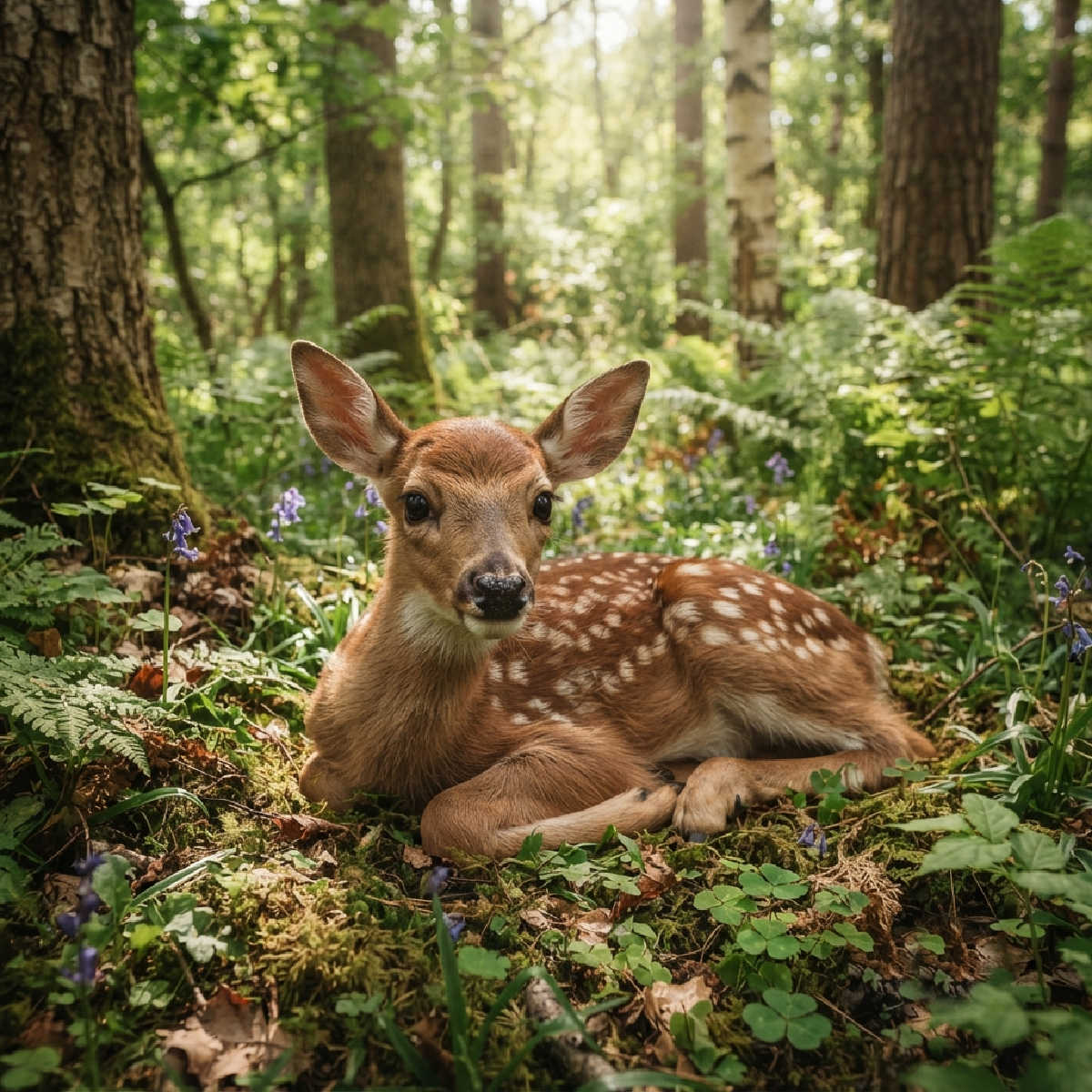
More people are looking for names that capture the vibrant energy of wild animals. Colt is a top 300 name and Bear is growing in popularity but many of us are after something that captures an animal spirit without embracing the full-on tradition of calling boys Wolf.
The old languages give us some more subtle options plus some great rarer alternatives to fast rising Colt :
- Bear (Björn, Bera, Arth, Art, Bär, Bior, Breth)
- Brock (Broch, Dahs, Brocc, Brogh, Taxus, Taisson)
- Colt (Foli, Ebol, Stōda, Foli, Foli, Folon, Shirragh, Searrach)
- Fawn & Deer (Elain, Oisín, Carw, Carow, Dēor, Eilun, Fiadh, Fiagh, Fianna, Laogh, Laue )
- Fox (Foks, Louarn, Lowarn, Melrakki, Refr, Toddi, Llwynog, Fuhs)
- Otter (Otr, Oter, Otor, Eter, Dōyr, Loutre, Lutra, )
- Sable & Marten (Mörðr, Zobel, Martes, Mearð, Trémörðr)
- Wolf (Úlfr, Ulf, Freki, Blaidd, Bleidd, Bleiz, Bleydh, Fáel)
Bear
Meaning : Strength
The bear is a symbol of protection, power, and the untamed wilderness. In Welsh folklore, the name Arth is famously linked to King Arthur, evoking a legendary, kingly strength that endures through history.
Variations : Björn (Old Norse, BYERN), Bera (Old Norse, BEH-rah), Arth (Welsh, ARTH), Art (Old Irish, ART), Bär(Old German, BEHR), Bior (Old Gaelic, BYOR), Breth (Old English, BRETH)
Brock
Meaning : Steadfastness
An ancient word for the badger, the Brock is associated with resilience and deep, earthy wisdom. They are builders, engineers and problem solvers but fierce soldiers when roused.
Variations : Broch (Gaelic, BROKH), Dahs (Old German, DAHS), Brocc (Old Irish, BROK), Brogh (Cornish, BROH), Taxus (Latin, TAK-sus), Taisson (Old French, TAY-son)
Colt
Meaning : Vitality
Capturing the spirit of youth and untamed movement, these names evoke the speed and playful spirit of a young horse.
Variations : Foli (Old English, FO-lee), Ebol (Old Welsh, EH-bol), Stōda (Old English, STOH-dah), Folon (Old Cornish, FO-lon), Shirragh (Manx, SHEE-rah), Searrach (Irish, SHA-rak)
Fawn & Deer
Meaning : Grace
Deer are iconic figures of the forest, often seen as guides or messengers from the spirit world. In Irish mythology, Oisín (meaning "little deer") was the son of Fionn mac Cumhaill, known as the greatest poet of Ireland.
Variations : Elain (Welsh, EH-line), Oisín (Irish, OH-sheen), Carw (Welsh, KAR-oo), Carow (Cornish, KAR-oh), Dēor(Old English, DEE-or), Eilun (Old Germanic, EYE-loon), Fiadh (Irish, FEE-ah), Fiagh (Manx, FEE-ah), Fianna (Irish, FEE-an-nah), Laogh (Gaelic, LAY-oh), Laue (Old French, LOW)
Fox
Meaning : Intelligence
The fox is the ultimate symbol of cleverness, adaptability, and wisdom in Northern European folklore. The Old Norse Melrakki (meaning "arctic fox") evokes the stark beauty of the north.
Variations : Foks (Old English, FOKS), Louarn (Breton, LOO-arn), Lowarn (Cornish, LOW-arn), Melrakki (Old Norse, MEL-rak-kee), Refr (Old Norse, REF-er), Toddi (Old English, TOD-dee), Llwynog (Welsh, THLOO-in-og), Fuhs (Old German, FOOS)
Otter
Meaning : Playfulness
Otters are creatures of the water and the shore, representing fluidity, joy and the bridge between two elements. Lutra has ancient roots in Latin, often associated with the playful deities of river systems.
Variations : Otr (Old Norse, OT-er), Oter (Old Danish, O-ter), Otor (Old English, O-tor), Eter (Old Welsh, EH-ter), Dōyr (Old Cornish, DOY-er), Loutre (Old French, LOO-trah), Lutra (Latin, LOO-trah)
Sable & Marten
Meaning : Elusiveness
These sleek, forest-dwelling animals represent stealth and rarity. Mearð is a direct Old English name for the marten, evoking a woodland spirit that is difficult to spot but beautiful to behold.
Variations : Mörðr (Old Norse, MURTH-er), Zobel (Old German, TSO-bel), Martes (Latin, MAR-tes), Mearð (Old English, MEERTH), Trémörðr (Old Breton, TREY-mur-ther)
Wolf
Meaning : Bravery
The wolf is a symbol of courage and companionship. Freki (meaning "the greedy one") was one of the two wolves that accompanied the god Odin in Norse mythology, marking this name with deep historical significance.
Variations : Úlfr (Old Norse, OOL-fer), Ulf (Old Swedish, OOLF), Freki (Old Norse, FREH-kee), Blaidd (Welsh, THLAYTH), Bleidd (Old Welsh, THLAYTH), Bleiz (Breton, BLAYZ), Bleydh (Cornish, BLAYTH), Fáel (Old Irish, FAY-el)
Names Taken From Plants
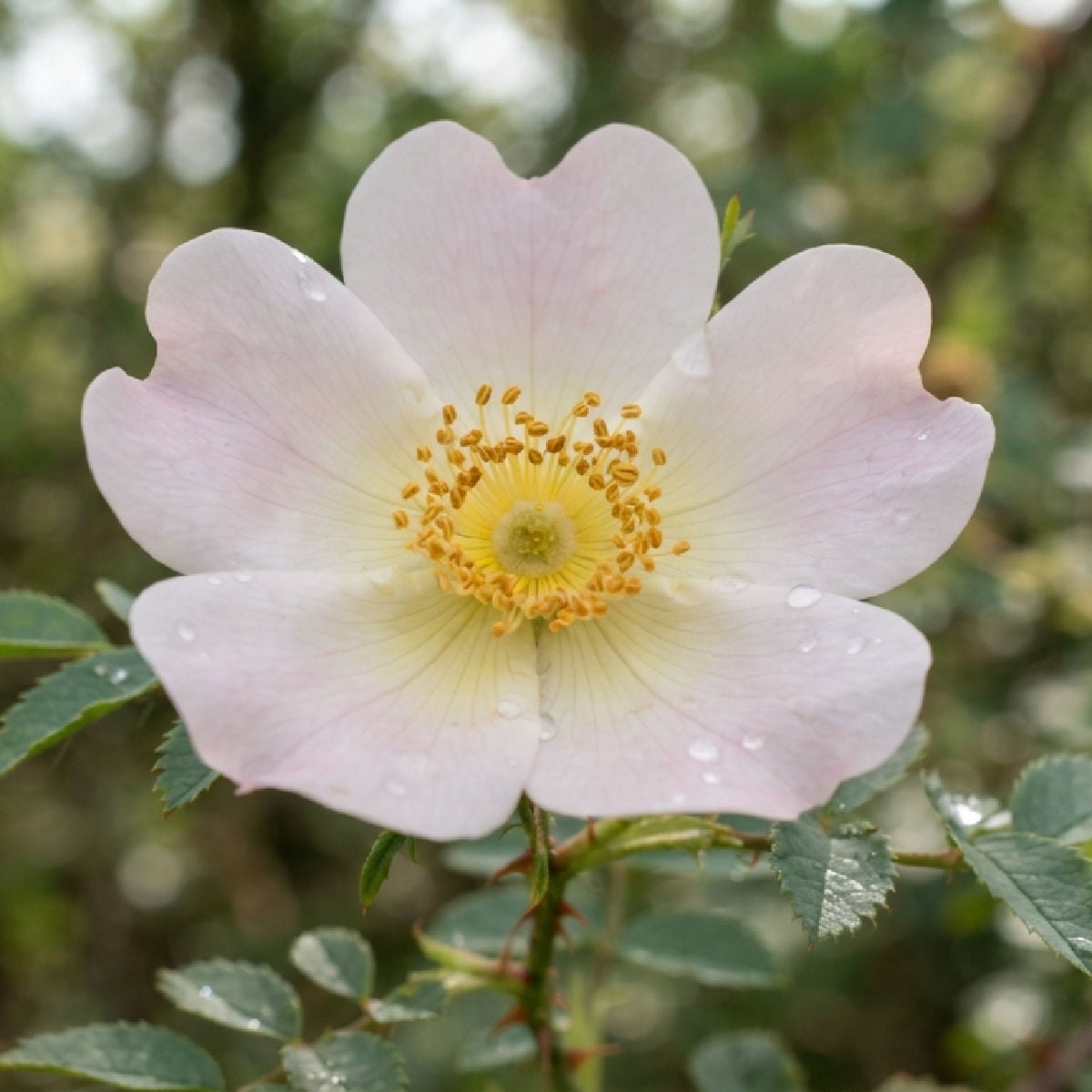
Flower names have long been popular for girls but many people now are looking for more gender-neutral names inspired by plants.
There are some lovely short names inspired by plants in the old north European languages for something unique with a timeless and yet still modern vibe :
- Barley (Berwick, Eòrna, Eeyrn, Bygg, Bere)
- Briar (Brer, Brere, Doren, Doarn, Mieri, Dreein)
- Clover (Trèfle, Trèf, Meillion, Clæfre, Smára, Smári, Seamair, Trevail, Seamróg, Glé-duill, Kle)
- Fern (Filix, Fearn, Fierne, Fjarn, Rhedyn, Ragan, Raden, Varen, Farro, Rethin, Fjirn)
- Holly (Holin, Holen, Housson, Holegn, Hulfr, Cuileann, Celyn, Kelyn, Kelenn, Hulst, Huls, Holm, Celynnen)
- Laurel (Lāreow, Labhras, Delwenn, Lauri, Laurier, Lafri, Lárviður)
- Leaf (Loeille, Lauf, Delienn, Delyen, Duille, Laub, Lof, Blaed, Lauffr, Deilen)
- Thyme (Thīme, Timian, Tymian, Thūm, Tūmo, Tymonm, Teim)
- Sorrel (Súra, Sūro, Surka, Suran, Surran, Surele, Samhadh)
- Yarrow (Jarrow, Achaile, Milfoil, Earrow, Milddail)
Holly and Fern have both traditionally been girls names but their old English and Celtic forms have a much more unisex feel.
Barley
Meaning : Sustenance
Barley was the lifeblood of ancient northern communities—the grain that sustained them through long winters. It represents prosperity, the harvest and the quiet reliability of the earth.
Variations : Berwick (Old English, BER-wik), Eòrna (Gaelic, YOR-nah), Eeyrn (Manx, EERN), Bygg (Old Norse, BIG), Bere (Old English, BEER)
Briar
Meaning : Resilience
Briars form the natural, tangled hedges that have marked boundaries and provided sanctuary for wildlife for centuries. These names represent strength, protection and the wild, impenetrable beauty of the forest edge.
Variations : Brer (Middle English, BRER), Brere (Old English, BRER), Doren (Breton, DOR-en), Doarn (Cornish, DORN), Mieri (Old Germanic, MYER-ee), Dreein (Manx, DREEN)
Clover
Meaning : Luck & Protection
Often associated with the lush pastures of Celtic landscapes, clover is a symbol of luck and Druidic connection to the land. In Irish tradition, it is the sacred shamrock, a sign of balance and spiritual harmony.
Variations : Trèfle (French, TREH-fleh), Trèf (Breton, TREH), Meillion (Welsh, MAY-lyon), Clæfre (Old English, KLAF-reh), Smára (Icelandic, SMAH-rah), Smári (Old Norse, SMAH-ree), Seamair (Irish, SHA-mer), Trevail (Cornish, TREV-ail), Seamróg (Irish, SHA-mrohg), Glé-duill (Gaelic, GLAY-dool), Kle (Low German, KLEH)
Fern
Meaning : Mystery
Ferns are among the oldest plants on earth, often shrouded in folklore. In many northern legends, the "fern seed" was believed to grant the wearer the power of invisibility or deep, hidden knowledge.
Variations : Filix (Latin, FIL-iks), Fearn (Gaelic, FERN), Fierne (Old English, FYERN), Fjarn (Old Norse, FYARN), Rhedyn (Welsh, RHED-in), Ragan (Old Germanic, RAG-an), Raden (Old German, RAH-den), Varen (Dutch, VAR-en), Farro (Old English, FAR-oh), Rethin (Cornish, RETH-in), Fjirn (Old Norse, FYIRN)
Holly
Meaning : Protection
An evergreen symbol of endurance, holly was revered as a sacred tree that protected the home from negative influences during the dark months. It is deeply connected to the winter solstice and the cycles of light.
Variations : Holin (Old English, HOL-in), Holen (Cornish, HOL-en), Housson (Old French, HOO-son), Holegn(Cornish, HOL-egn), Hulfr (Old Norse, HUL-fer), Cuileann (Irish, KIL-yan), Celyn (Welsh, KEL-in), Kelyn (Cornish, KEL-in), Kelenn (Breton, KEL-en), Hulst (Dutch, HULST), Huls (Old English, HULZ), Holm (Old Norse, HOLM), Celynnen (Welsh, kel-IN-en)
Laurel
Laurel
Meaning : Distinction & Honor
Long prized for its evergreen resilience, the laurel - often called the bay tree - was a symbol of lasting merit and wisdom. In medieval northern traditions, it was used to signify nobility and poetic triumph, often appearing in heraldry and formal rituals to honor the wise and the brave.
Variations : Lāreow (Old English, LAH-re-oh), Labhras (Irish, LAV-ras), Delwenn (Breton, DEL-wen), Lauri (Old Norse, LAU-ree), Laurier (French, LOR-ee-ay), Lafri (Old Cornish, LAF-ree), Lárviður (Icelandic, LAUR-vi-thoor)
Leaf
Meaning : Change
Leaves are the heralds of the seasons, representing the beautiful, inevitable transition from growth to rest. They embody the delicate connection between the tree and the wind.
Variations : Loeille (Old French, LO-ay), Lauf (Old Norse, LAUF), Delienn (Breton, DEL-yen), Delyen (Cornish, DEL-yen), Duille (Irish, DIL-yeh), Laub (Old German, LAUB), Lof (Old English, LOF), Blaed (Old English, BLAYD), Lauffr(Old Norse, LAU-fer), Deilen (Welsh, DAY-len)
Thyme
Meaning : Vitality
In medieval Europe, thyme was associated with courage and strength. It was often embroidered onto the scarves of knights by their ladies to bestow bravery upon them before battle.
Variations : Thīme (Old English, THEEM), Timian (Old German, TIM-yan), Tymian (Old Polish, TIM-yan), Thūm (Old Germanic, THOOM), Tūmo (Old Germanic, TOO-mo), Tymonm (Old English, TI-mon), Teim (Gaelic, TAYM)
Sorrel
Meaning : Endurance
Sorrel is a wild, resilient plant that thrives in almost any condition. It represents the quiet ability to survive and persist, often used by ancient herbalists as a potent, energizing tonic.
Variations : Súra (Old Norse, SOO-rah), Sūro (Old Germanic, SOO-ro), Surka (Old Germanic, SUR-kah), Suran (Old English, SUR-an), Surran (Old English, SUR-an), Surele (Old French, SUR-el), Samhadh (Irish, SAV-agh)
Yarrow
Meaning : Healing & Protection
Known historically as "Soldier's Woundwort", yarrow was the essential herb for mending in the field. In British and Irish folklore, it was carried as an amulet for protection against harm and was frequently used in divination rituals to foresee the future, deeply rooted in the practical wisdom of the countryside.
Variations : Jarrow (Old English, JAR-oh), Achaile (Irish, ah-KAY-leh), Milfoil (Old French/Latin, MIL-foyl), Earrow(Old English, EAR-oh), Milddail (Welsh, MILD-thail)
Names From The Landscape
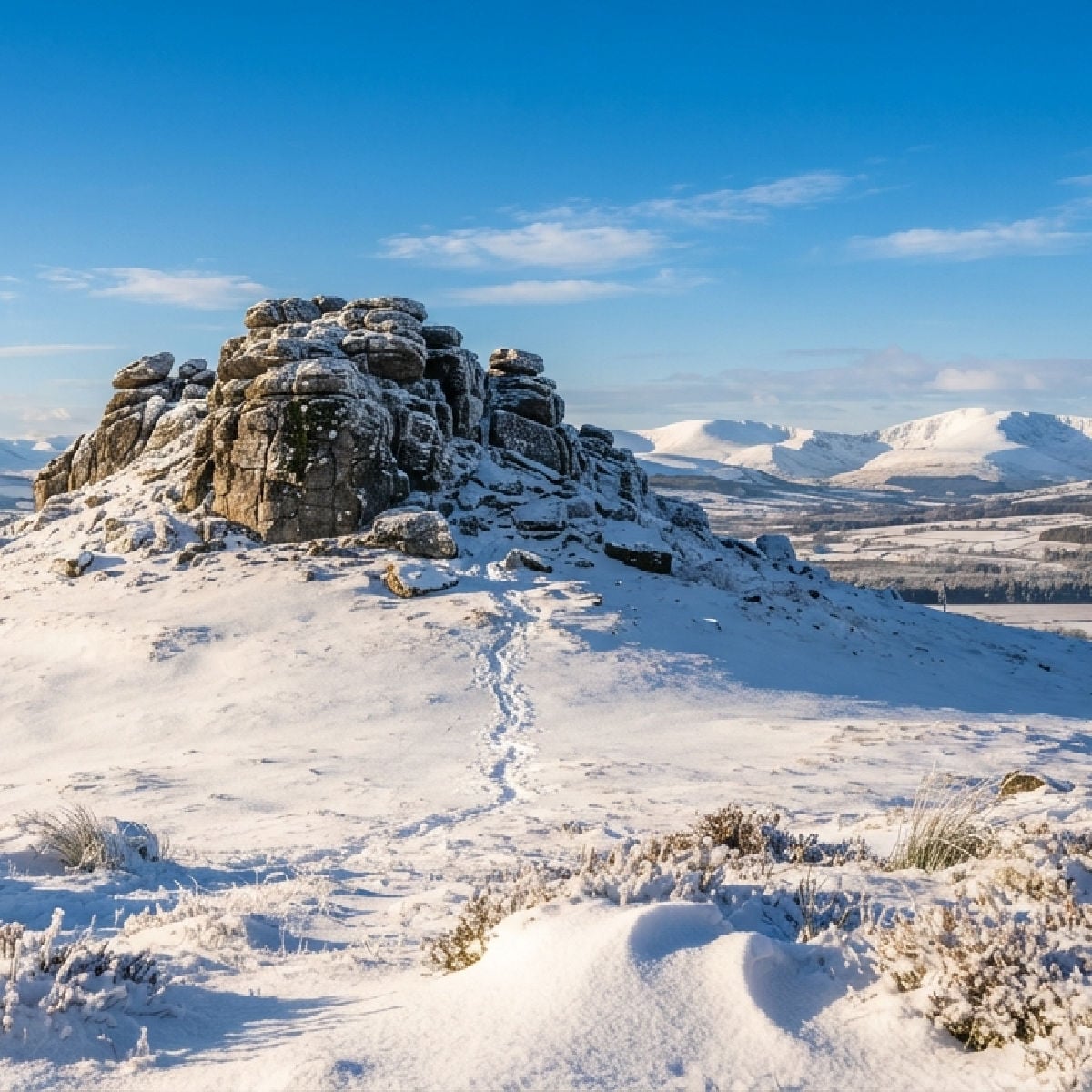
Strong landscape features such as Cliff, Glen and Heath were traditional boys names but now feel dated. Luckily there are unusual and unique alternatives that convey the same feeling of strength. There are also rare substitutes for the rapidly rising favourites for girls, Ember and Meadow :
- Cliff (Klif, Klyn, Aill, Allt, Cleff, Borg, Heugh, Ness, Carraig)
- Dune (Hlaw, Dene, Dūn, Dūna, Dunen, Twyn, Towen)
- Ember (Aemer, Aske, Aymere, Ambr, Emmer, Marvtan, Iemmer, Fuarán, Ais, Embere, Eimuria)
- Field (Feld, Aker, Tún, Ecer, Fenn, Maez, Maes, Akurs, Magh)
- Glen (Gleann, Glyn, Clough, Glind, Cwm, Glenna, Traonienn)
- Grove (Shaw, Holt, Hurst, Lund, Lundr, Grova, Caille, Llwyn, Lucus, Lundur, Doire, Coan)
- Heath (Moor, Wold, Maigh, Hethe, Fian, Lann, Hǣth)
- Lane (Wynd, Hent, Way, Semita, Lána, Hyns, Ruelle, Lôn)
- Meadow (Leaze, Ley, Mead, Mædwe, Cluain, Gwellt, Medewe, Mādo, Holm, Leasow, Raik, Laund)
- Ridge (Edge, Rigge, Kist, Rêge, Rygge, Rigg, Rugghe, Crête, Hrycg)
- Tor (Torr, Pen, Knoll, Tūr, Braigh, Brae, Cairn, Torgenn, Mons, Tóchar, Turri)
- Vale (Combe, Deena, Dall, Valla, Delling, Vallis, Traon, Dyffryn)
Cliff
Meaning : Stature
The cliff represents the edge of the world, a symbol of permanence and dramatic, sheer strength. In northern maritime lore, these were the markers that kept sailors safe, often viewed as the final boundary between the rugged land and the infinite sea.
Variations : Klif (Old Norse, KLIF), Klyn (Old Cornish, KLIN), Aill (Irish, AHL), Allt (Welsh, ALTH), Cleff (Old English, KLEF), Borg (Old Norse, BORG), Heugh (Old Scots, HYOO), Ness (Old English, NES), Carraig (Irish, KA-rig)
Dune
Meaning : Foundation
Dunes are the shifting, living sculptures of the coast. They represent the ability to adapt to changing winds while remaining a solid barrier, often associated in myth with the hidden, buried treasures of ancient kings.
Variations : Hlaw (Old English, HLAW), Dene (Old English, DEEN), Dūn (Old English, DOON), Dūna (Old Norse, DOO-nah), Dunen (Old German, DOO-nen), Twyn (Welsh, TWIN), Towen (Old Cornish, TOW-en)
Ember
Meaning : Warmth & Transformation
More than just the remains of a fire, the ember is the hidden, glowing spark that holds the potential for renewal. In old folk traditions, the hearth was the heart of the home and the ember was the sacred seed kept alive through the night to ensure the fire could burn again at dawn.
Variations : Aemer (Old English, AY-mer), Aske (Old Norse, ASK), Aymere (Old French, AY-mer), Ambr (Old Germanic, AM-ber), Emmer (Old German, EM-er), Marvtan (Old Breton, MARV-tan), Iemmer (Old Saxon, YE-mer), Fuarán (Irish, FOO-rahn), Ais (Old Norse, AYS), Embere (Old English, EM-ber-eh), Eimuria (Old Norse, AY-moor-ya)
Field
Meaning : Abundance
The field is the canvas upon which the seasons write their story. Historically, these names connect to the fertility of the land and the agrarian gods of prosperity who governed the harvest and the cycle of sowing.
Variations : Feld (Old English, FELD), Aker (Old Norse, A-ker), Tún (Old English, TOON), Ecer (Old English, E-ker), Fenn (Old English, FEN), Maez (Breton, MAYZ), Maes (Welsh, MAYS), Akurs (Old Norse, AH-kers), Magh (Irish, MAW)
Glen
Meaning : Sanctuary
A glen is a protected, often hidden valley, frequently featured in Celtic mythology as a place of refuge or a gateway to the Otherworld. The Welsh Cwm is particularly legendary, known as a hollow where the mist lingers and spirits dwell.
Variations : Gleann (Irish/Gaelic, GLAN), Glyn (Welsh, GLIN), Clough (Old English, KLUFF), Glind (Old German, GLIND), Cwm (Welsh, KOOM), Glenna (Old Norse, GLEN-nah), Traonienn (Breton, TRA-on-yen)
Grove
Meaning : Sacred Space
The grove was the original temple of the Northern European peoples. These were the nemetons, sacred patches of ancient trees where rituals were performed and wisdom was shared. It represents both natural architecture and deep spiritual history.
Variations : Shaw (Old English, SHAW), Holt (Old English, HOLT), Hurst (Old English, HURST), Lund (Old Norse, LUND), Lundr (Old Norse, LUN-der), Grova (Old German, GRO-vah), Caille (Irish, KAL-yeh), Llwyn (Welsh, THLOO-in), Lucus (Latin, LOO-kus), Lundur (Old Norse, LUN-dur), Doire (Irish, DIR-eh), Coan (Old Cornish, KO-an)
Heath
Meaning : Vastness
The heath is the open, uncultivated wilderness—a place of wild beauty that defies boundaries. It represents freedom, the untamed spirit of the moors, and the ancient paths that have been walked for generations.
Variations : Moor (Old English, MOOR), Wold (Old English, WOLD), Maigh (Irish, MAY), Hethe (Old English, HETH), Fian (Irish, FEE-an), Lann (Old Welsh, LAN), Hǣth (Old English, HAYTH)
Lane
Meaning : Journey
Lanes are the intimate, narrow pathways that connect communities and homes. They symbolize the choices we make and the roads we travel through life, often hidden away from the main thoroughfare.
Variations : Wynd (Old Scots, WIND), Hent (Breton, HENT), Way (Old English, WAY), Semita (Latin, SEM-it-ah), Lána (Old Norse, LAH-nah), Hyns (Old Cornish, HINS), Ruelle (Old French, ROO-el), Lôn (Welsh, LOHN)
Meadow
Meaning : Harmony
The meadow is the vibrant, life-giving center of the landscape. In Irish mythology, Mag Mell (the "Plain of Delight") is a mythical meadow-realm of eternal youth and beauty, making these names synonymous with tranquility and peaceful growth.
Variations : Leaze (Old English, LEEZ), Ley (Old English, LAY), Mead (Old English, MEED), Mædwe (Old English, MAD-weh), Cluain (Irish, KLOO-in), Gwellt (Welsh, GWELT), Medewe (Old Middle English, ME-deh-weh), Mādo(Old Germanic, MAH-do), Holm (Old Norse, HOLM), Leasow (Old English, LEE-zoh), Raik (Old Norse, RAYK), Laund(Old English, LAWND)
Ridge
Meaning : Perspective
A ridge is the spine of the land, providing a high vantage point to view the world below. It represents clarity of vision, leadership, and the strength of a high-altitude outlook.
Variations : Edge (Old English, EDJ), Rigge (Old English, RIG), Kist (Old Norse, KIST), Rêge (Old German, REH-geh), Rygge (Old Norse, RIG-geh), Rigg (Old Norse, RIG), Rugghe (Old German, ROOG-eh), Crête (Old French, KRET), Hrycg (Old English, HRITCH)
Tor
Meaning : Summit
A tor is a high, rocky peak, often acting as a beacon in the landscape. Glastonbury Tor is perhaps the most famous, wrapped in legends of Avalon and ancient kings, marking it as a site of immense mythological weight.
Variations : Torr (Old English, TOR), Pen (Brythonic, PEN), Knoll (Old English, NOL), Tūr (Old Norse, TOOR), Braigh (Gaelic, BRAY), Brae (Old Scots, BRAY), Cairn (Gaelic, KAIRN), Torgenn (Breton, TOR-gen), Mons (Latin, MONS), Tóchar (Irish, TO-khar), Turri (Old German, TOO-ree)
Vale
Meaning : Depth
The vale is the low, sheltering land between mountains. It is a place of cultivation and safety, contrasted with the harshness of the peaks. Dyffryn is a classic Welsh term for these deep, protected valleys, often associated with river systems that provide life to the entire region.
Variations : Combe (Old English, KOOM), Deena (Old English, DEE-nah), Dall (Old Norse, DAL), Valla (Old Norse, VAL-ah), Delling (Old Norse, DEL-ing), Vallis (Latin, VAL-is), Traon (Breton, TRA-on), Dyffryn (Welsh, DIF-rin)
Names Inspired By Birds
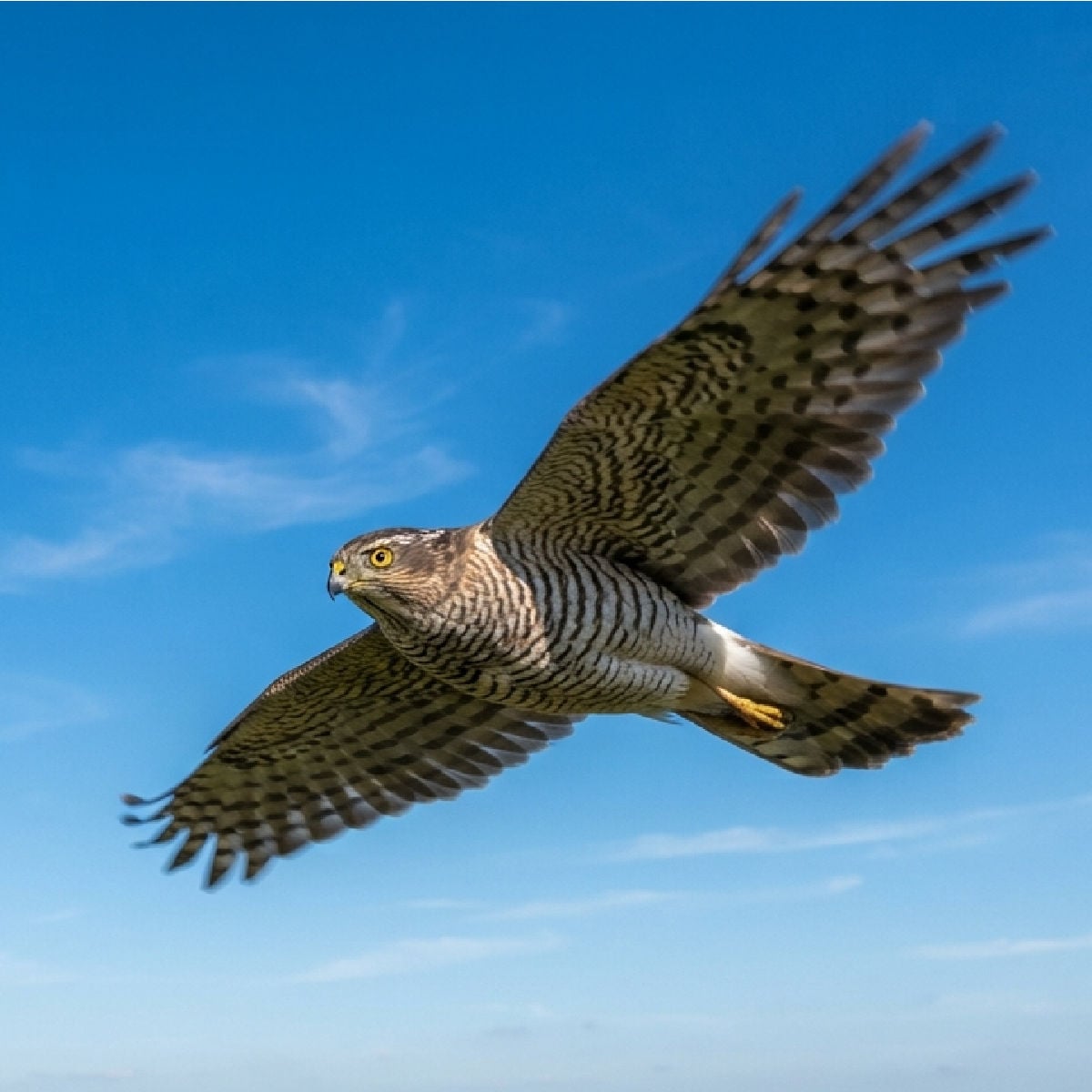
Names inspired by birds have deep associations with freedom, beauty, music and great journeys through life. Some like Wren are flying up the charts but there is still a huge choice of rare and unique bird inspired names.
In this list there's a lovely mix of strong masculine and pretty feminine bird names plus gender neutral ideas :
- Dove (Colm, Calman, Calmen, Colomen)
- Drake (Draca, Andri, Wilden, Hwyth, Draek, Lach, Hwyaden)
- Eagle (Aquila, Earn, Örn, Iolar, Arend, Aigle, Aro, Ari, Iolaire, Eryr)
- Falcon (Falkr, Peregrin, Glaive, Falco, Fal-c'hun, Falkon, Falk, Falkę, Fálki, Falkoon, Falcho, Fabhcún)
- Finch (Fringilla, Fionnóg, Finc, Finka, Vinke, Fincho, Pinson, Pynson, Llinos)
- Hawk (Sparell, Hauk, Haukur, Haukr, Hafoc, Seabhac, Hauke)
- Kite (Glíða, Cyta, Milvus, Cbarán, Milan, Kīo, Kyte)
- Lark (Laerke, Larkin, Läwerce, Lerchen, Lark-e, Alauda, Lóva, Leeuwerik, Alouette, Lērihha, Ehedydd)
- Linnet (Linaria, Linet, Lin-finc, Lin-kann, Glaiseán, Linot, Līnīn, Llinos)
- Pheonix (Fenix, Phoinix, Fynyk, Feniks, Féinics, Ffenics)
- Pipit (Pippan, Pieper, Bili, Pipite, Pīpo)
- Raven (Corvin, Corvus, Brann, Brân, Hrafn, Ravn)
- Serin (Serinus, Canárach)
- Siskin (Siske, Zeisig, Carduelis, Siscín, Tarin, Sisyllt)
- Swift (Swifta, Swawe, Apus, Svalur, Gabhlán, Swifto, Gwennol)
- Tern (Kria, Terne, Tirrie, Môr-wenolia)
- Wren (Wrenne, Wrenna, Dreoilín, Rindill, Dryw)
Dove
Meaning : Devotion
In Northern and Celtic traditions, the dove was a symbol of peace and home-coming. Often associated with the gentle arrival of spring, it represents the quiet devotion of those who keep the hearth fires burning.
Variations : Colm (Irish, KOLM), Calman (Scottish, KAL-man), Calmen (Old English, KAL-men), Colomen (Welsh, ko-LO-men)
Drake
Meaning : Strength
The drake represents the untamed power of the wetlands. In early Northern folklore, the drake was seen as a creature of both earth and water, embodying the resilience of those who live and thrive in the wild, marshy edges of the land.
Variations : Draca (Old English, DRA-kah), Andri (Old Norse, AN-dree), Wilden (Old English, WIL-den), Hwyth(Welsh, HWITH), Draek (Old Germanic, DRAYK), Lach (Old Scots, LAK), Hwyaden (Welsh, HWAY-den)
Eagle
Meaning : Vision
In Northern mythology, the eagle is a creature of immense power. A great eagle is said to perch atop Yggdrasil, the world tree, watching over the nine realms. It symbolizes sovereignty, the highest vantage point, and the connection between the sky and the roots of the world.
Variations : Aquila (Latin, AK-wi-lah), Earn (Old English, ERN), Örn (Old Norse, ERN), Iolar (Irish, YOL-ar), Arend(Old Germanic, A-rend), Aigle (Old French, AY-gull), Aro (Old Breton, AH-ro), Ari (Old Norse, AH-ree), Iolaire (Gaelic, YOL-air-eh), Eryr (Welsh, EH-rir)
Falcon
Meaning : Precision
In Norse sagas, the falcon is a symbol of travel and hidden power. The goddess Freyja possessed a famous "falcon cloak," which she could lend to others to allow them to take flight and travel between the worlds of gods and men.
Variations : Falkr (Old Norse, FALK-er), Peregrin (Latin, PEH-reh-grin), Glaive (Old French, GLAYV), Falco (Latin, FAL-koh), Fal-c'hun (Breton, FAL-koon), Falkon (Old German, FAL-kon), Falk (Old German, FALK), Falkę (Old Polish, FAL-keh), Fálki (Old Norse, FAL-kee), Falkoon (Middle English, FAL-koon), Falcho (Old High German, FAL-ko), Fabhcún (Irish, FAV-koon)
Finch
Meaning : Joy
Small and bright, the finch is a herald of the waking world. In rural British and Irish folklore, their arrival in the garden was a sign of prosperity and the end of the frost, symbolizing the simple joy of life returning to the landscape.
Variations : Fringilla (Latin, frin-GIL-lah), Fionnóg (Irish, FYUN-og), Finc (Old English, FINK), Finka (Old German, FIN-kah), Vinke (Old Dutch, VIN-keh), Fincho (Old Middle English, FIN-koh), Pinson (Old French, PIN-son), Pynson(Middle English, PIN-son), Llinos (Welsh, THLI-nos)
Hawk
Meaning : Intensity
The hawk is the predator of the wind. In ancient Northern hunting culture, the hawk was revered for its sharp focus and ability to guard the boundaries of the territory, often seen as a companion to the solitary wanderer.
Variations : Sparell (Old Breton, SPAR-el), Hauk (Old Norse, HOWK), Haukur (Old Norse, HOW-kur), Haukr (Old Norse, HOW-ker), Hafoc (Old English, HAH-fok), Seabhac (Irish, SHAV-ak), Hauke (Old German, HOW-keh)
Kite
Meaning : Grace
The kite is a bird of the open skies, known for wheeling high above the hills. In Celtic regions, they were associated with the "thin places" where the land meets the air, often cited in local tales as spirits that guide the lost home.
Variations : Glíða (Old Norse, GLEE-dah), Cyta (Old English, KY-tah), Milvus (Latin, MIL-vus), Cbarán (Irish, KAH-ran), Milan (Old French, MEE-lan), Kīo (Old English, KEE-oh), Kyte (Old Middle English, KYT)
Lark
Meaning : Dawn
The lark is the singer of the morning. Because it flies higher than almost any other bird before the sun breaks, it was long considered the "sky-herald" in English and Norse folklore, marking the transition from night to the start of the daily cycle.
Variations : Laerke (Old Danish, LAIR-keh), Larkin (Middle English, LAR-kin), Läwerce (Old English, LAW-er-keh), Lerchen (Old German, LER-chen), Lark-e (Middle English, LAR-keh), Alauda (Latin, ah-LOW-dah), Lóva (Old Norse, LOW-vah), Leeuwerik (Old Dutch, LAY-oo-werk), Alouette (Old French, ah-loo-ET), Lērihha (Old High German, LAY-ree-hah), Ehedydd (Welsh, eh-HED-ith)
Linnet
Meaning : Nature’s Song
Associated with the gentle, rhythmic beauty of the countryside, the linnet appears in pastoral folk songs across Britain, often serving as a symbol of the simple, honest beauty found in the hedgerows and rural life.
Variations : Linaria (Latin, li-NAR-ee-ah), Linet (Middle English, LIN-et), Lin-finc (Old English, LIN-fink), Lin-kann(Old Breton, LIN-kan), Glaiseán (Irish, GLASH-awn), Linot (Old French, LEE-no), Līnīn (Old English, LEE-nin), Llinos (Welsh, THLI-nos)
Phoenix
Meaning : Renewal
While the concept of the "fire-bird" appears in various cultures, in Northern European hearth-lore, this is the spirit of the fire that never dies. It symbolizes the endurance of the family hearth, the flame that is kept alive through the coldest winter nights, ensuring the return of warmth and spring.
Variations : Fenix (Old German, FEN-iks), Fynyk (Middle English, FIN-ik), Feniks (Old Slavic, FEN-iks), Féinics (Irish, FAY-niks), Ffenics (Welsh, FEN-iks)
Pipit
Meaning : Spirit
Small, active, and industrious, the pipit is a bird of the open heath. In rural folklore, they were viewed as the "busy spirits" of the field, representing the tireless energy of the season.
Variations : Pippan (Old English, PIP-an), Pieper (Old Dutch, PEE-per), Bili (Old Breton, BEE-lee), Pipite (Old French, PIP-it), Pīpo (Old Germanic, PEE-po)
Raven
Meaning : Insight
In Norse mythology, the god Odin kept two ravens, Huginn (Thought) and Muninn (Memory), who flew across the world to bring him news. In Welsh tradition, Bran the Blessed is famously associated with the raven as a guardian and protector of the land.
Variations : Corvin (Latin, KOR-vin), Corvus (Latin, KOR-vus), Brann (Old Gaelic, BRAN), Brân (Welsh, BRAHN), Hrafn (Old Norse, HRAV-en), Ravn (Old Danish, RAVN)
Serin
Meaning : Delicacy
A close relative of the canary, the serin represents fine, airy music. In Northern folk narrative, they were often associated with the light, melodic spirits of the summer forests.
Variations : Serinus (Latin, seh-REE-nus), Canárach (Irish, kah-NAH-rak)
Siskin
Meaning : Vibrancy
The siskin is a bird of lively movement. These names capture the quick, joyful activity of a woodland bird darting through the leaves, a common motif in early European nature-songs.
Variations : Siske (Middle English, SIS-keh), Zeisig (Old German, TSY-zig), Carduelis (Latin, kar-doo-EL-is), Siscín(Irish, SHIS-keen), Tarin (Old French, TAR-in), Sisyllt (Welsh, SI-silth)
Swift
Meaning : Freedom
The swift spends its life on the wing. These names represent unmatched freedom and constant motion. They were often viewed as the true spirits of the wind, never settling, always traveling the vast reaches of the northern sky.
Variations : Swifta (Old English, SWIF-tah), Swawe (Old English, SWA-weh), Apus (Latin, A-pus), Svalur (Old Norse, SVA-lur), Gabhlán (Irish, GOW-lawn), Swifto (Middle English, SWIF-toh), Gwennol (Breton, GWEN-ol)
Tern
Meaning : The Sea-Guardian
Often called "sea-swallows," the tern is the archetypal bird of the coast. In Cornish tradition, the beautiful form Môr-wenolia (meaning "sea-swallow") links the bird to St. Morwenna, the "maiden of the sea" who watched over the rugged cliffs of Morwenstow. It evokes the image of a creature that guards the threshold between the wild ocean and the sanctuary of the land.
Variations : Kria (Old Norse, KREE-ah), Terne (Middle English, TERN), Tirrie (Old Scots, TI-ree), Môr-wenolia(Cornish, mor-wen-OL-yah)
Wren
Meaning : Resourcefulness
In many European folktales, the wren is the "king of birds"—not because of its size, but because it was clever enough to outsmart the larger birds in a race to see who could fly the highest. It is a symbol of intelligence, courage, and the ability to achieve greatness through wit rather than might.
Variations : Wrenne (Old English, WREN), Wrenna (Old English, WREN-ah), Dreoilín (Irish, DRAY-leen), Rindill (Old Norse, RIN-dil), Dryw (Welsh, DRIW)
Top 100 Nature Inspired Names
Beginning With A
- Afon (River, AH-von, Welsh)
- Aibhle (Dusk, AY-vleh, Irish)
- Alden (Alder tree, AWL-den, Middle English)
- Alderley (Alder tree, AWL-der-lee, Middle English)
- An Ré (Lunar, ahn RAY, Irish)
- Aon (River, AUN, Irish)
- Arla (Morning, AR-lah, Old English)
- Aro (Eagle, AH-ro, Old Breton)
- Arree (Spring, AR-ree, Cornish)
- Askr (Ash, ASK-er, Old Norse)
- Aspley (Aspen tree, ASP-lee, Middle English)
- Aulderyn (Elder tree, awl-DER-in, Cornish)
- Awan (Spring of water, AH-wan, Old English)
- Awel (Breeze, AH-wel, Welsh)
Beginning With B-C
- Bera (Bear, BEH-rah, Old Norse)
- Blaidd (Wolf, THLAYTH, Welsh)
- Brân (Raven, BRAHN, Welsh)
- Caelum (Sky, KAY-lum, Latin)
- Caille (Grove, KAL-yeh, Irish)
- Carraig (Cliff, KA-rig, Irish)
- Carow (Fawn, KAR-oh, Cornish)
- Cbarán (Kite, KAH-ran, Irish)
- Celyn (Holly, KEL-in, Welsh)
- Celynnen (Holly, kel-IN-en, Welsh)
- Ceo (Misty, KEE-oh, Irish)
- Cíorbhán (Rainbow, KEER-van, Irish)
- Clōh (Stream, KLOH, Old English)
- Collewyn (Hazel tree, kol-EH-win, Cornish)
- Colm (Dove, KOLM, Irish)
- Cuilean (Holly, KIL-yan, Irish)
Beginning With D-E
- Deilen (Leaf, DAY-len, Welsh)
- Delling (Dale, DEL-ing, Old Norse)
- Dyffryn (Dale, DIF-rin, Welsh)
- Ebrill (Spring, EB-ril, Welsh)
- Ebron (Sky, EB-ron, Old English)
- Eimuria (Ember, AY-moor-ya, Old Norse)
- Eirlys (Snow drop, AY-lis, Welsh)
- Elding (Lightning, EL-ding, Old Norse)
- Elowen (Elder tree, el-OH-wen, Cornish)
- Embere (Ember, EM-ber-eh, Old English)
- Enfys (Rainbow, EN-vis, Welsh)
- Eòrna (Barley, YOR-nah, Gaelic)
- Erila (Alder tree, er-EE-lah, Old High German)
- Erith (Sea shore, EER-ith, Old English)
Beginning With F-H
- Falo (Autumn, FAH-lo, Old German)
- Fian (Heath, FEE-an, Irish)
- Fenn (Field, FEN, Old English)
- Folon (Colt, FO-lon, Cornish)
- Ffynnon (Spring of water, FIN-non, Welsh)
- Ghyll (Stream, GHIL, Old Norse)
- Giam (Winter, GEE-am, Old Irish)
- Glenna (Glen, GLEN-nah, Norse)
- Glíða (Kite, GLEE-dah, Old Norse)
- Grian (Sun, GREE-an, Old Irish)
- Hauk (Hawk, HOWK, Old Norse)
- Holin (Holly, HOL-in, Old English)
- Hurst (Grove, HURST, Old English)
Beginning With K-L
- Kīo (Kite, KEE-oh, Old English)
- Koll (Hazel, koll, Old Norse)
- Klyn (Cliff, KLIN, Cornish)
- Kria (Tern, KREE-ah, Old Norse)
- Larchly (Larch tree, LARCH-lee, English)
- Larkin (Lark, LAR-kin, Middle English)
- Leasow (Meadow, LEE-zoh, Old English)
- Lērihha (Lark, LAY-ree-hah, Old High German)
- Līnīn (Linnet, LEE-nin, Old English)
- Linot (Linnet, LEE-no, Old French)
- Llinos (Finch, THLI-nos, Welsh)
- Lóva (Lark, LOW-vah, Old Norse)
- Lowarn (Fox, LOW-arn, Cornish)
- Lundr (Grove, LUN-der, Old Norse)
Beginning With M-R
- Mabon (Orion, MAY-bon, Welsh)
- Magh (Field, MAW, Irish)
- Meillion (Clover, MAY-lyon, Welsh)
- Meveren (Juniper tree, mev-ER-en, Cornish)
- Mieri (Briar, MYER-ee, Old German)
- Morne (Dawn, MORN-e, Old English)
- Otor (Otter, O-tor, Old English)
- Pen (Summit, PEN, Brythonic)
- Pippan (Pippet, PIP-an, Old English)
- Rethin (Fern, RETH-in, Cornish)
Beginning With S
- Serenwyl (Sky watcher, SEH-ren-wil, Welsh)
- Serevyn (Morning star, seh-REV-in, poetic Breton)
- Serin (Small finch, SER-in, English)
- Shaw (Small wood, SHAW, Old English)
- Shirragh (Colt, SHEE-rah, Manx)
- Siskin (Small finch, SISS-kin, English)
- Siobhra (Autumn, SHEV-rah, Irish)
- Sólskin (Sunny, SOL-skin, Old Norse)
- Stéora (Star, STAY-or-ah, Old English)
Beginning With T-W
- Tarann (Thunder, TAR-an, Breton)
- Tegeryn (Juniper tree, teg-ER-in, Cornish)
- Tilo (Linden, TEE-lo, Old German)
- Timian (Thyme, TIM-yan, Old German)
- Torr (Summit, TOR, Old English)
- Towen (Dune, TOW-en, Cornish)
- Tráigh (Sea coast, TRAW, Irish)
- Traonienn (Glen, TRA-on-yen, Cornish)
- Wilden (Drake, WIL-den, Old English)
- Willen (Willow, WIL-len, Middle English)
Leave a Reply