

Simple organic gardening techniques really can help to protect us from exposure to nasty toxic pesticides in our food and in the backyard.
But organic gardening can all too easily get crazily complicated and confusing not to mention expensive!
So I have for you here the must know organic gardening tips that keep things simple and affordable for beginners. These tips will help your garden flourish without the need for toxic :
- Pesticides
- Weed killers
- Fungicides
- Or synthetic fertilisers.
I hope these tips help you garden more organically, do shout with questions.
Table of Contents
Great Soil

Great soil is the foundation of organic gardening. Our soil needs to be alive with useful bugs and rich in balanced nutrients without the constant addition of expensive unnecessary feeds. But that isn't the soil most of us start with.
A few backyard chicks rampaging over your garden before you plant anything will transform your soil! But sadly they are not an option for everyone.
If chickens are a no-no splash out just this once on the best organic compost you can afford. Ideally, it needs to be :
- Approved organic e.g. USDA Organic, Soil Association
- Peat free
- NOT from green waste
- From a regenerative farm
- Based on material relevant to your land e.g. bracken/wool/comfrey in soggy UK but not Texas!
Try and find compost other gardeners rave about. In the UK I buy Dalefoot Composts which is amazing and helped me grow award winning organic veg and flowers as a novice gardener!
Wormery
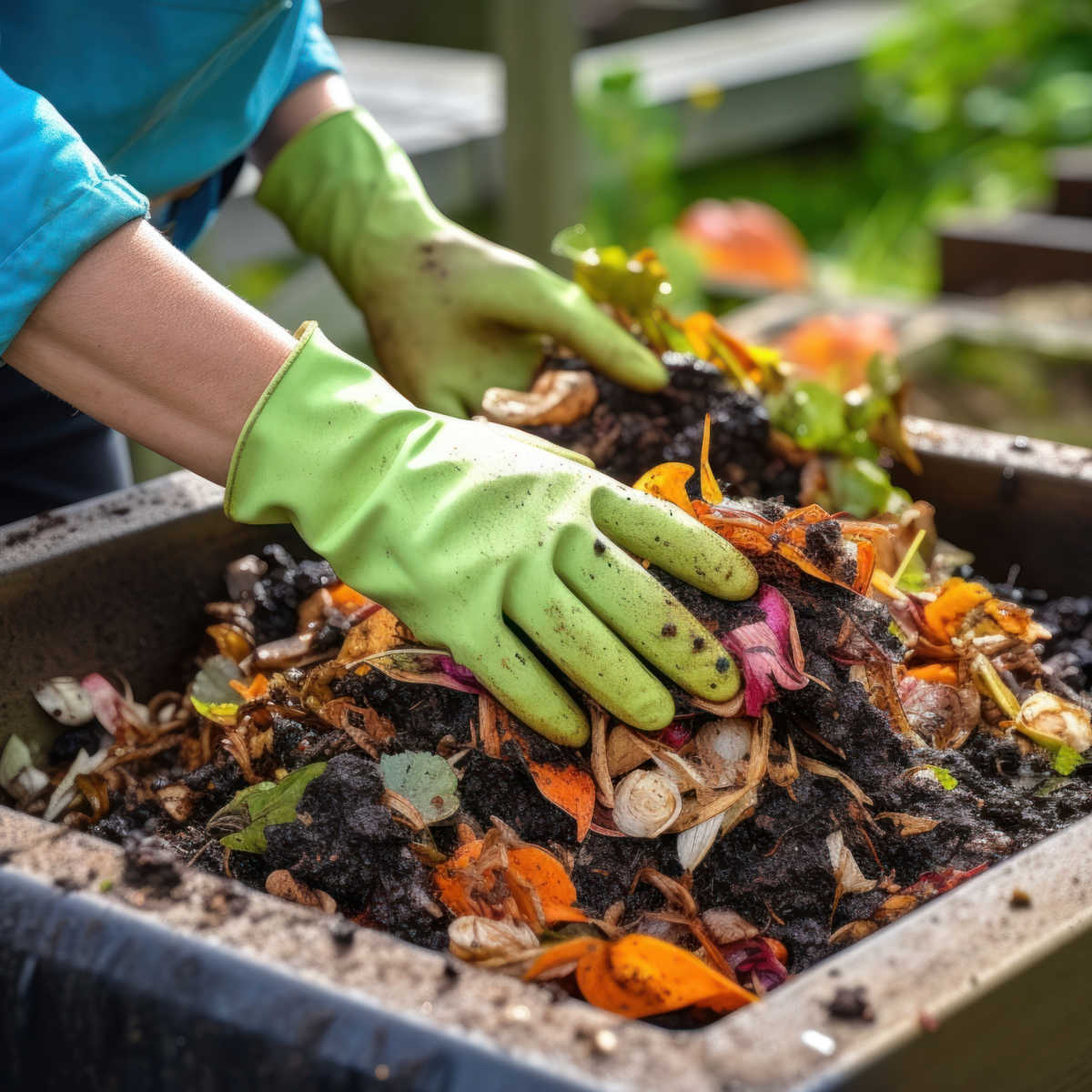
In a small garden a wormery is the quickest and easiest way to keep naturally regenerating your soil. You can pick one up cheaply second hand.
For great compost follow these rules :
- Add a good mix of good stuff.
- Strictly avoid any of these.
- Don't add non-organic scraps.
- Never add too much of any one material at a time.
- Keep the top bucket well mixed.
- Keep thin layer of soil or old compost on top in summer to discourage flies.
What To Put In A Wormery
Include a good range of any of these :
- Disease free veg leaves
- Organic coffee grain
- Organic crushed egg shells
- Wilted weed leaves eg dandelion
- Decayed tree leaves
- Old grass cuttings (not too much)
- Organic veg peelings, scraps
- Organic soft fruit waste e.g. berries
- Organic apple/pear peelings & core
- Bracken / fern cuttings
- Non woody thin pruning stems
- Decayed wood from log pile
- Wood shavings
- Organic compost from tired pots
What Not To Put In A Wormery
Do not include any of these in your wormery as it doesn't get hot enough to break them down healthily :
- Meat or fish
- Meal scrapings
- Hard skinned fruit
- Fresh grass
- Diseased plants
- Weed roots or seed heads
- Un-decayed wood
- Chicken droppings
And don't add any of the following which can introduce chemical toxins :
- Non organic plants
- Cardboard (impossible to be sure free from chemicals, glue etc)
- Newspaper
Winter Cover Compost Crops
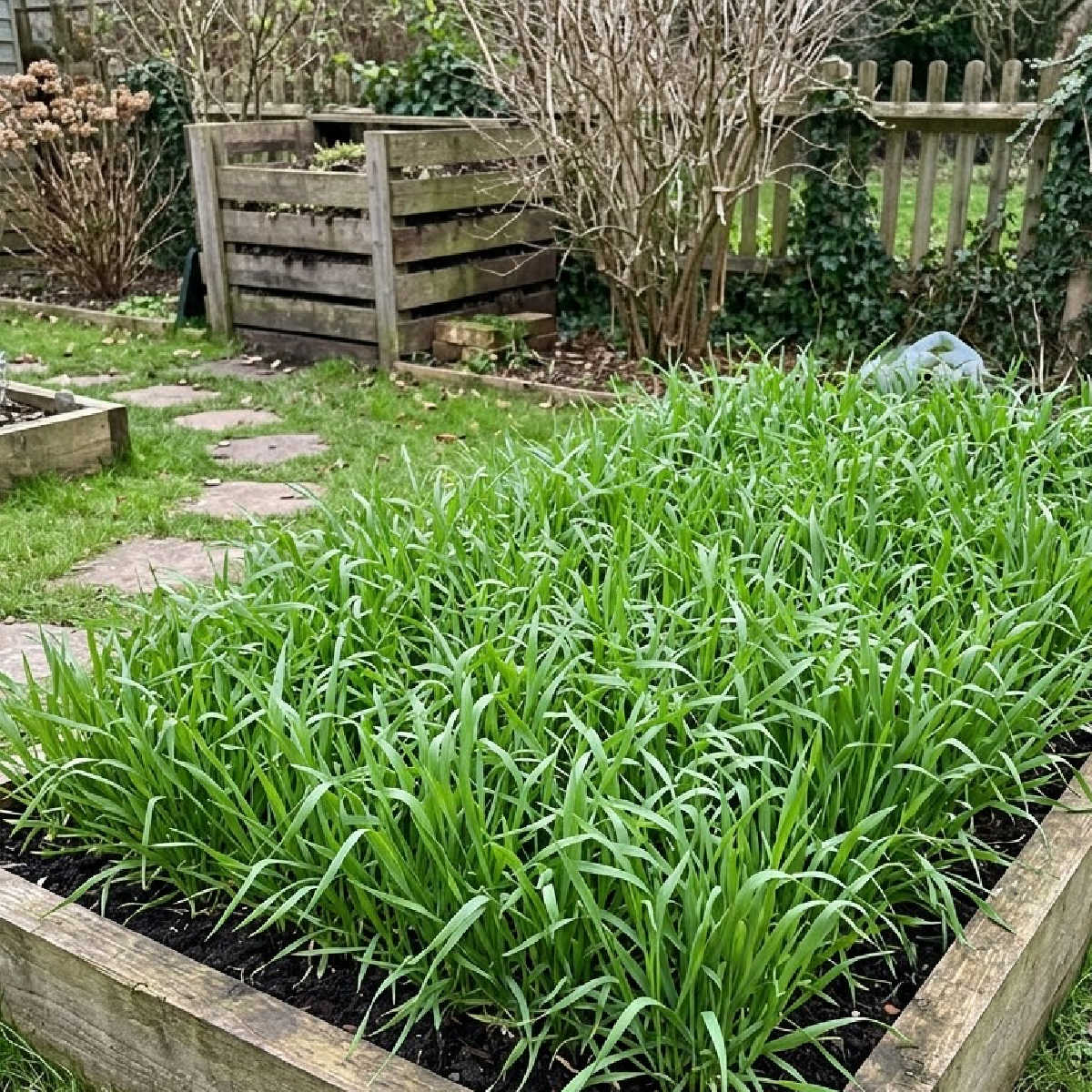
In the perfect organic garden we would share more of our harvest with the soil letting it mulch back down. That's hard when every square foot is precious but winter is a good time to be less greedy.
These winter cover crops will feed the soil organically whilst naturally suppressing weeds :
- Forage Oats
- White Mustard
- Phacelia
- Crimson Clover
- Field Beans
Forage Oats
Rapidly suppress weeds, builds organic matter and give easy-to-clear dead mulch after cold weather in winter.
White Mustard
Fast-growing bio-fumigant that cleanses soil, prevents nutrient leaching and creates a lush, easily decomposed green manure.
Phacelia
Exceptional at improving soil structure with fine roots, scavenges nitrogen and is easy to clear by hand in spring.
Crimson Clover
Fixes essential nitrogen and with dense structure prevents soil erosion.
Field Beans
Deep taproots break up compaction while nitrogen-fixing nodules provide a massive nutrient boost for heavy-feeders, especially quick growing vegetables like spinach and collards, in the following spring.
Succession Planting
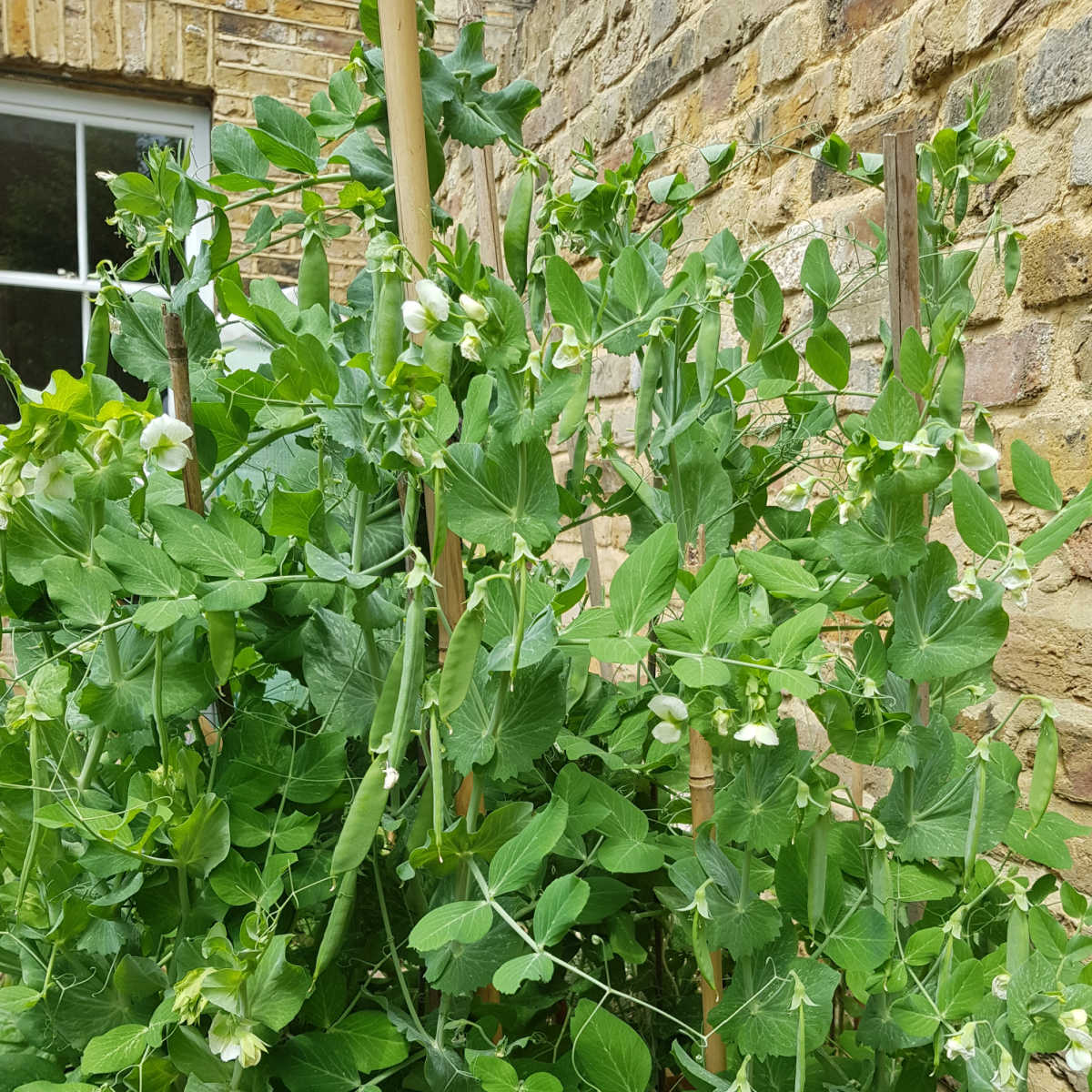
Succession planning in your veg garden lets one vegetable prepare the soil for a second later in the season by adding nutrients and preventing disease.
Some experts make the subject crazily complicated but you can enjoy big benefits in an organic garden by following a few basic rules.
First off, alternate families e.g. no brassicas right after other brassicas, no tomatoes right after spuds (both are nightshades). This cuts disease risk.
Then always include some of these in your seasonal rotation :
- Alliums
- Peas & Beans
- Brassicas
Alliums
Alliums help suppress fungi and bacteria. You can over winter garlic or plant in early spring before other crops. Or plant pretty chives just ahead of later spring vegetables.
Brassicas
The glucosinolates in brassicas - especially quick growing mustard greens - can kill soil-borne pathogens, nematodes and weed seeds.
Plant them before crops affected by soil-borne pathogens and nematodes :
- Potatoes
- Tomatoes
- Strawberries
- Fruit canes
- Root crops
Peas & Beans
Beans and peas feed soil with nitrogen so are great grown before the heavy nitrogen feeders such as quick growing leafy greens e.g. collards, spinach plus squash, zucchini and sweetcorn.
No Monocultures
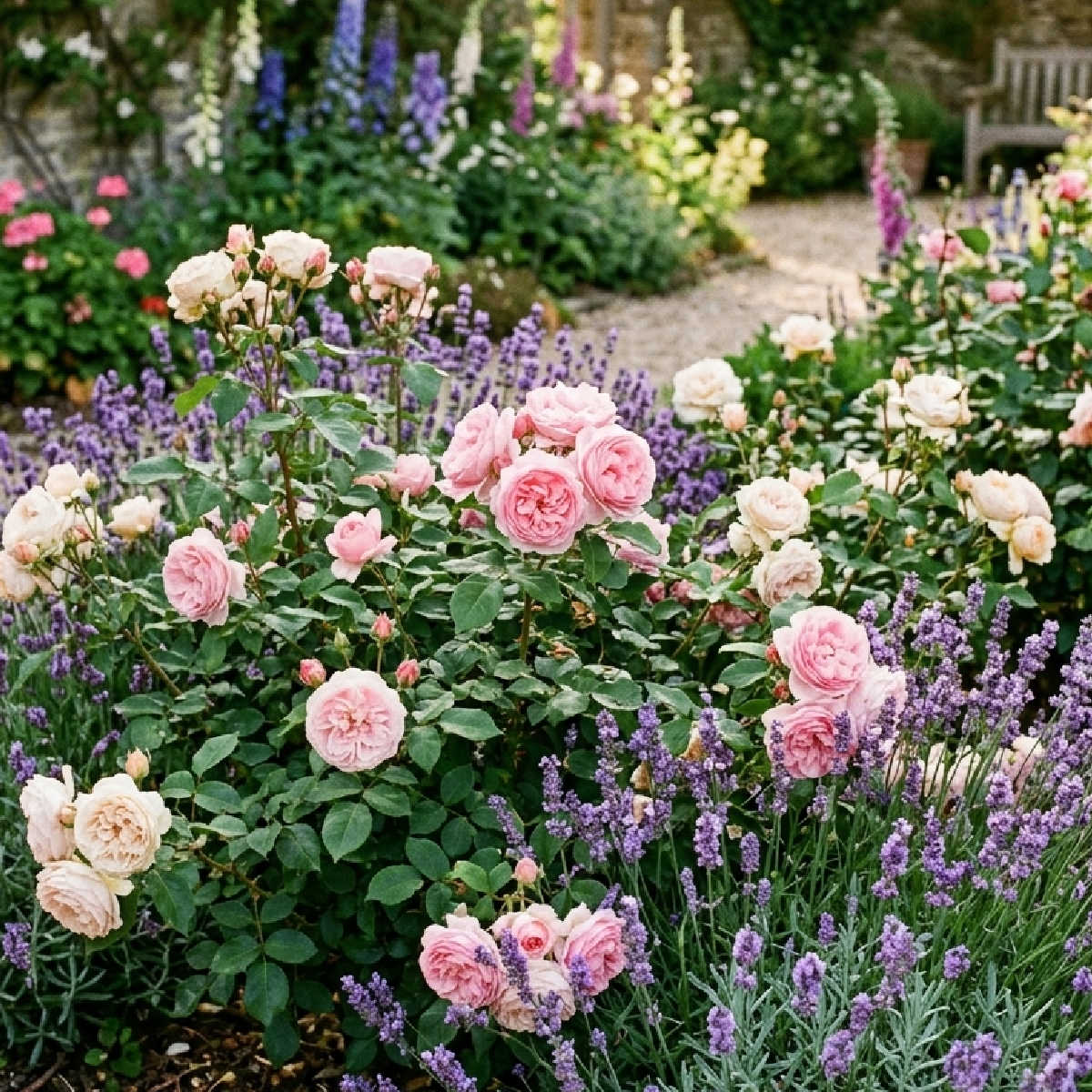
Monocultures are the enemy of organic gardens. They make our gardens much more vulnerable to big damage from :
- Disease
- Poor soil
- Unexpected weather
- Specialist pests e.g. box caterpillar, rosemary beetle, privet moth.
Plant diversity provides built in resilience so we don't have to rely on pesticides, fungicides and fertilisers to keep our garden flourishing.
But many of us have monocultures hiding in plain sight in our garden e.g. :
- Lawns
- Privet hedges
- Box hedges
- Laurel hedges
- Conifer screens
- Bamboo screens
- Rose beds
- Fruit canes
- Strawberry beds
- Cabbage patches
- Potato patches
So look out for any monocultures in your garden and add diversity with interplanting and underplanting of diverse plants that can :
- Camouflage plants from pests
- Break-up disease & pest paths
- Provide drought resilience
- Use soil in different ways e.g. short rooted green photosynthesis feeders, long tap routes, nitrogen feeders.
Encouraging Birds
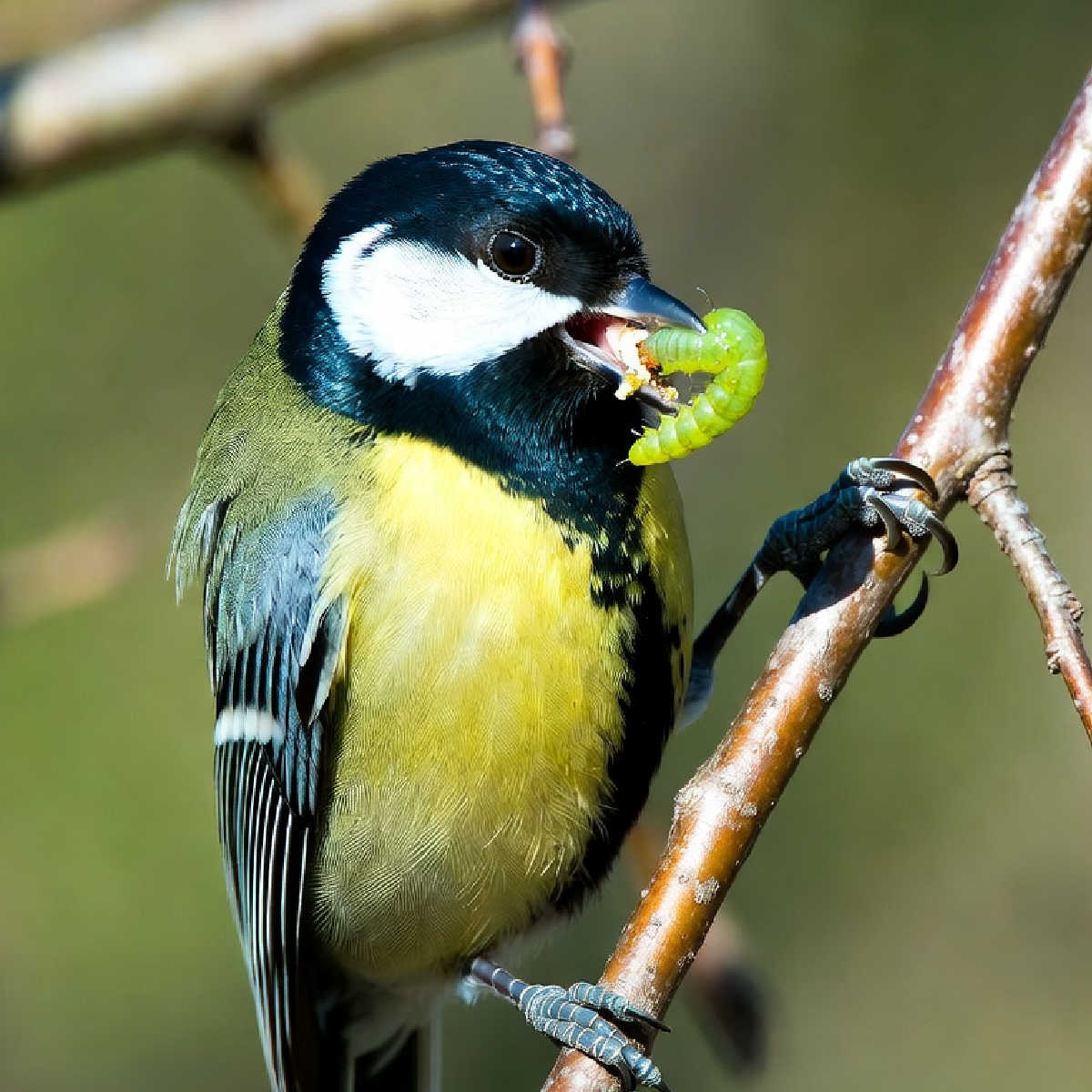
Garden birds are the best organic weapon against problem bugs. In spring, when raising young, they will devour hundreds and hundreds of destructive larvae and aphids.
Key birds to welcome to your backyard for garden pest control are :
- Tits / Chickadee : Aphids, caterpillars, scale
- Blackbird / Robin : Grubs, beetles
- Thrush / Thrasher : Slugs & snails
- Starling : Leatherjackets, wire worms, click beetles
- Wren : Ants
If you feed them in winter they will be around in spring to control bug numbers.
Encouraging Amphibians
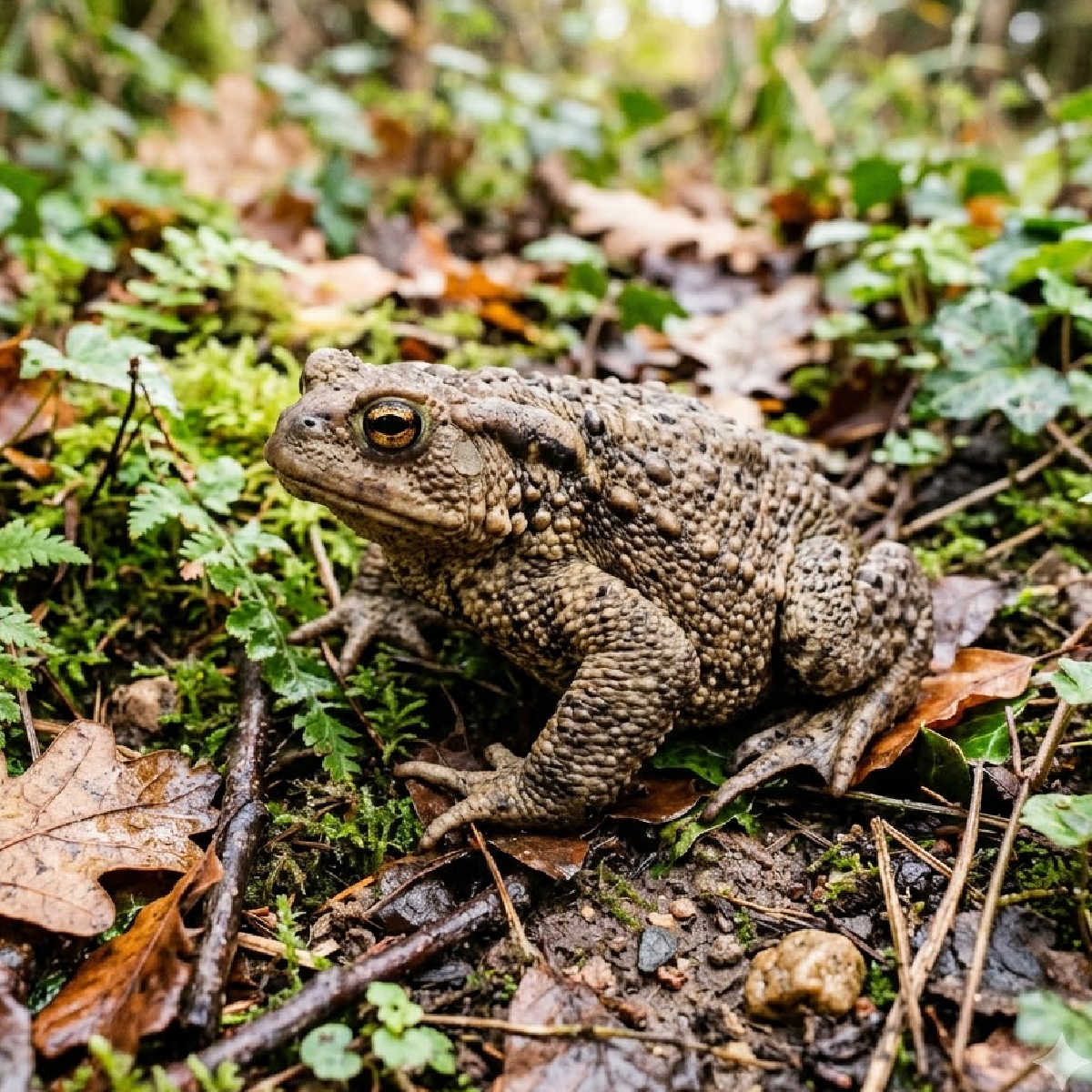
Common garden amphibians are incredibly helpful at keeping a wide range of garden pests under control.
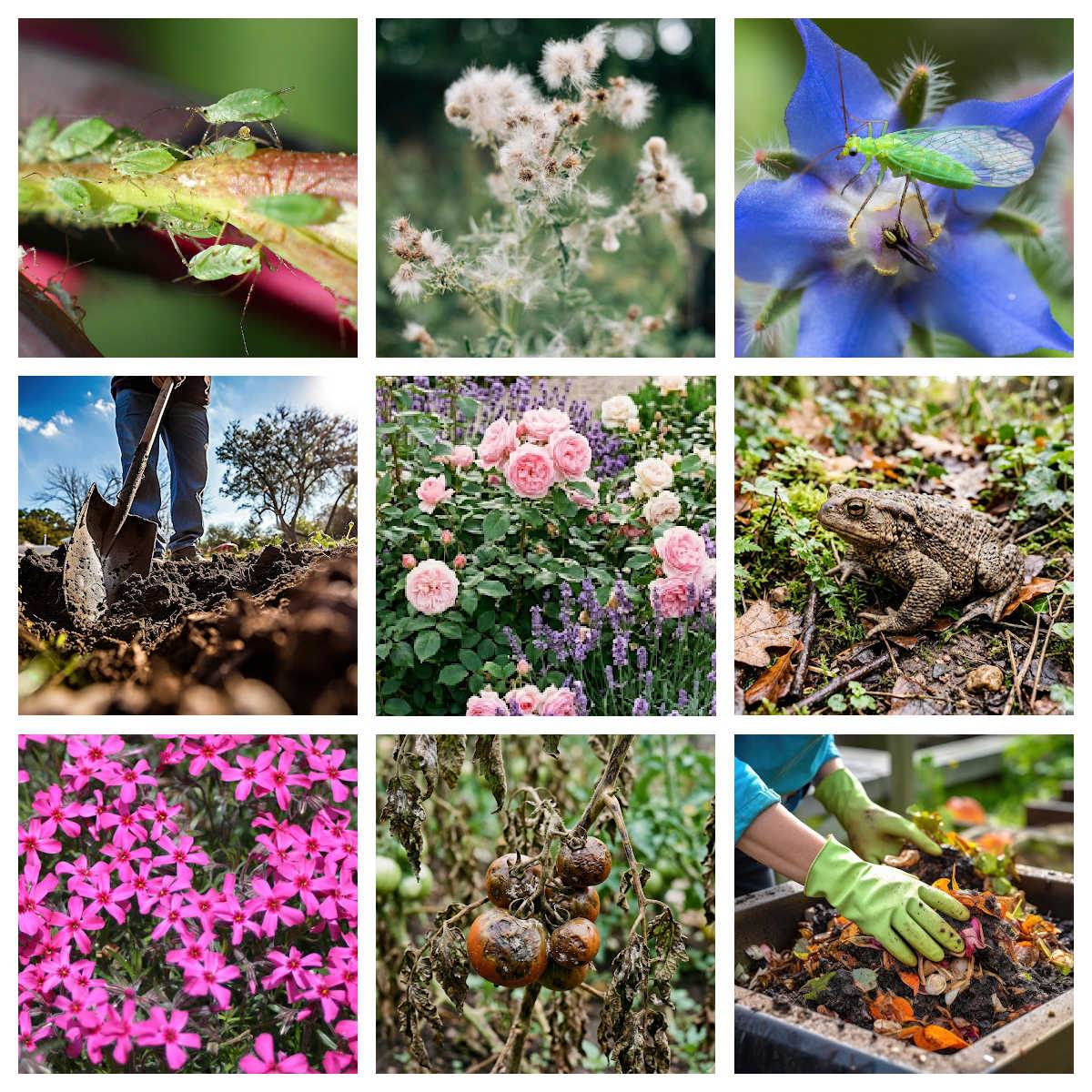
And you don't even need your own pond to enjoy their help. Common toads will happily live in compost heaps and any damp, shady spots with stones, logs and long grass and they will devour :
Encouraging Good Bugs
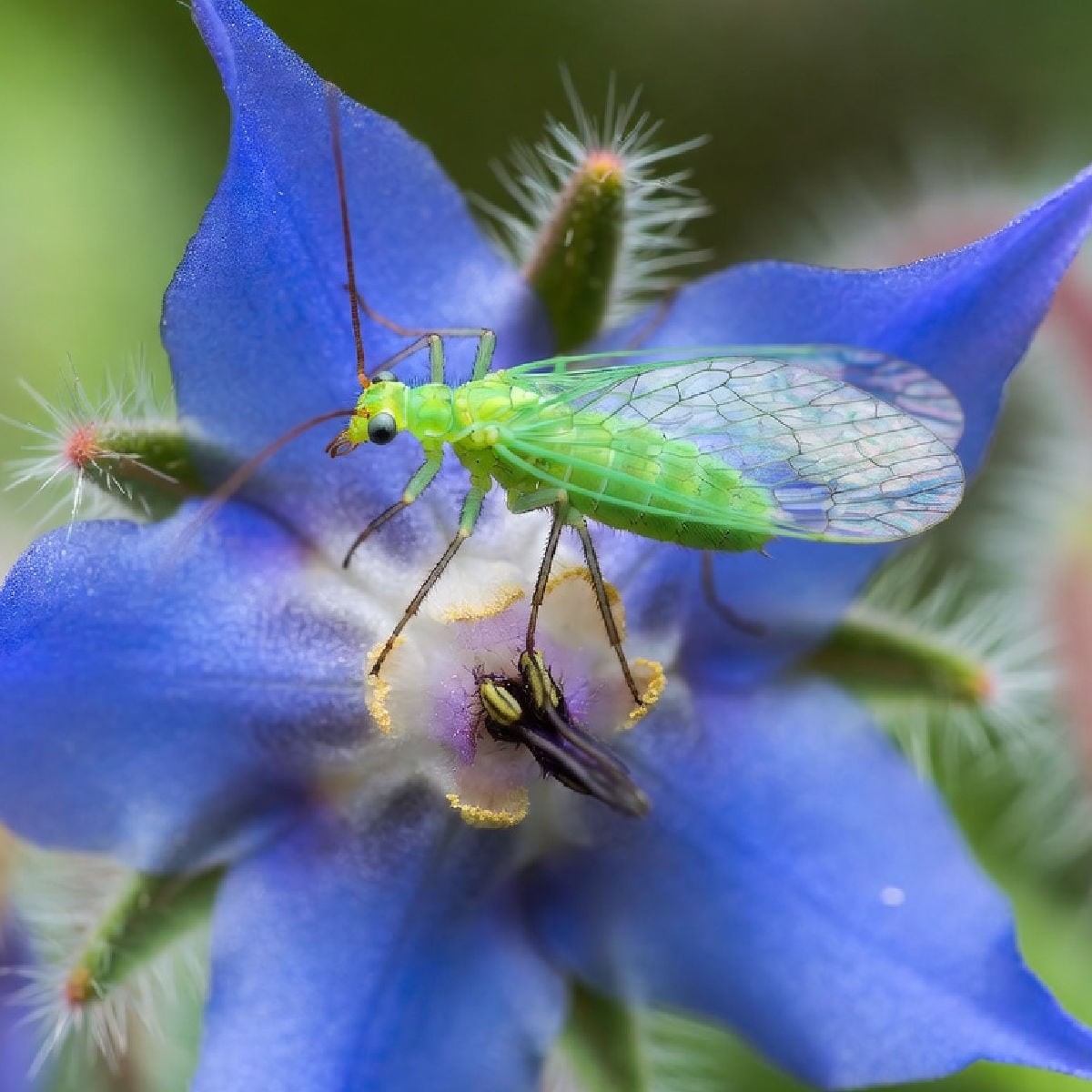
Some bugs are very effective at controlling other bugs that eat your plants. The big three you want to attract to your garden are :
- Hoverflies
- Lacewings
- Ladybirds - ladybugs
Carnivorous Predators
Hoverflies, lacewings and ladybirds are super helpful because their young are all carnivorous predators. They won't eat your plants but they will eat the bugs that do including :
- Aphids
- Thrip
- Scale
- Mealybugs
- Mites
You don't need fancy bug-homes to attract these bugs into your garden, just plant a good range of the umbellifer and composite flowers the adults feed on for nectar :
Umbellifer Flowers
Umbellifers have large flower heads made up of masses of tiny individual florets, which makes nectar and pollen accessible to our beneficial bugs who can't feed on bigger tubular flowers. Key umbellifers are :
- Fennel
- Dill
- Angelica
- Yarrow*
- Sweet Cicely
- Lovage
- Alexanders
- Cow Parsley
- Wild Carrot
- Ammi Majus*.
Composite Flowers
Composite flowers similarly pack hundreds of tiny florets into one landing pad that our beneficial bugs can easily crawl over to access nectar. Key composite flowers to attract beneficial bugs are :
- Echinacea
- Rudbeckia
- Scabious
- Feverfew*
- Elecampane
- Ox-eye Daisy*
- Chamomile*
- Calendula
- Marigolds*
- Cosmos
- Coreopsis.
*These can be toxic for cats and dogs.
Organic Pest Control
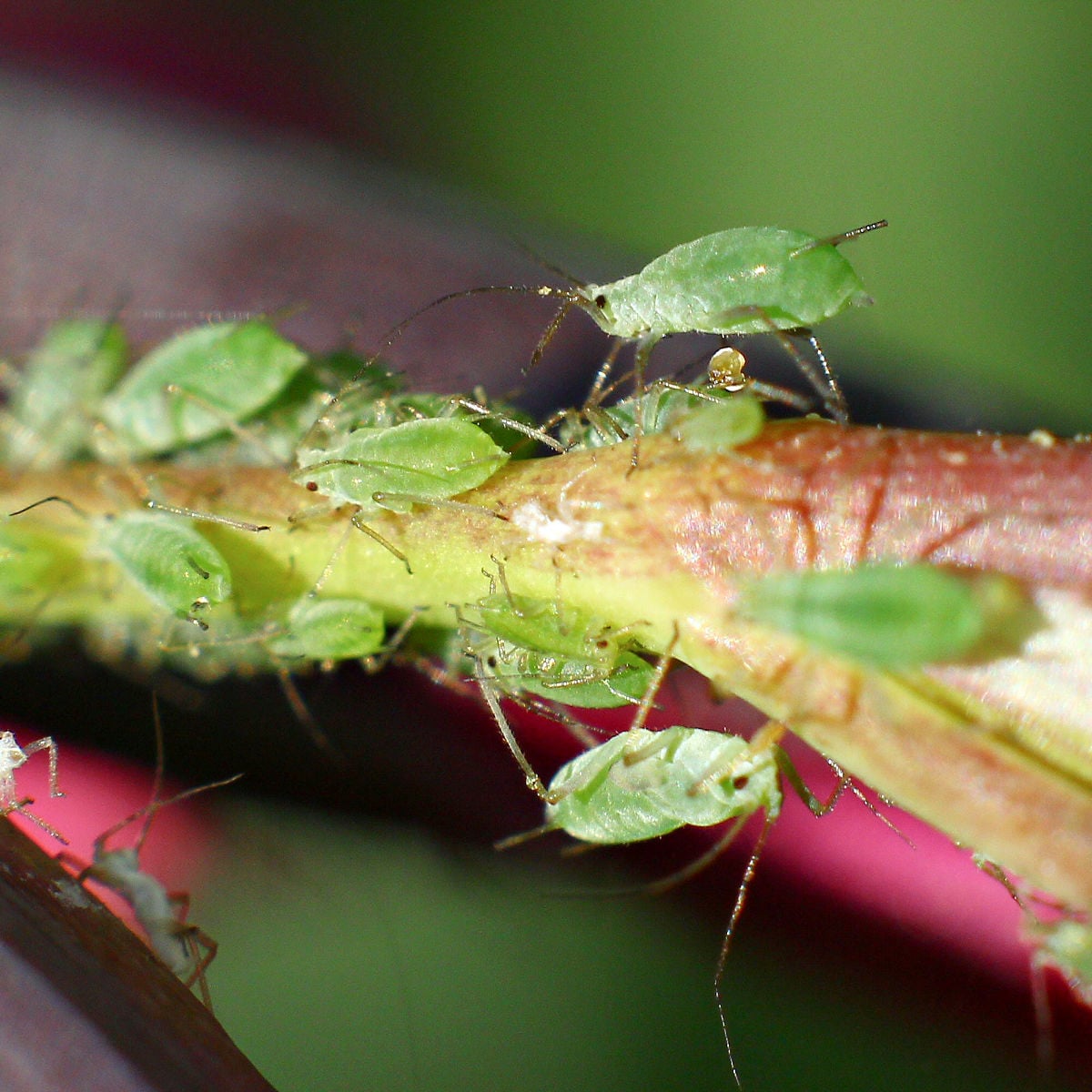
Eliminating monocultures and encouraging birds, amphibians and good bugs really can control garden pests but it is helpful to have back up DIY organic remedies to get on top of :
- Slugs & Snails
- Aphids
- Ants
- Mosquitoes
Natural Slug Repellents
The simplest ways to get rid of slugs in your garden without using toxic slug killers is to make quick DIY traps in jars with beer or yeast water.
You can also use natural slug repellents around beds including :
- Gravel & sea shell mulch
- Butterfly netting
- Spruce & pine cuttings
- Spiky cuttings e.g. roses, blackberries
- Prickle strips
- Lemon balm, mint, garlic, chives and more
- Trap vegetables such as radishes and eggplant plus these.
There's various things you can to naturally protect specific slug vulnerable plants, I recommend copper rings for anything you really don't want to lose.
For more tips check out this big guide to getting rid of slugs & snails naturally.
Natural Aphid Control
Aphids infections can stunt and distort growth plant but also cause fungal infections such as black sooty mould on for example collards.
To control aphids organically spray regularly with water or one of these quick DIY aphid repellent sprays :
- Castile Soap : 1-2% solution of liquid Castile soap in water
- Garlic : crush 4-6 cloves into 1 litre of water, leave overnight, strain and spray directly on plants.
- Chilli : simmer a tablespoon of chilli flakes in 1 litre of water for 10 minutes, cool, strain and spray.
Natural Ant Killer
Ants in the garden can all too easily become ants in our homes!
But ants do also cause problems in the garden itself as they "herd" aphids for honeydew on soft salad leaves, soft fruit like raspberries, fruit trees, roses and more. It is this honeydew which actually spreads black sooty mould.
You can easily kill off ants organically in the garden without using toxic ant killers. Simply make a baking soda (bicarb) and sugar trap like this ...
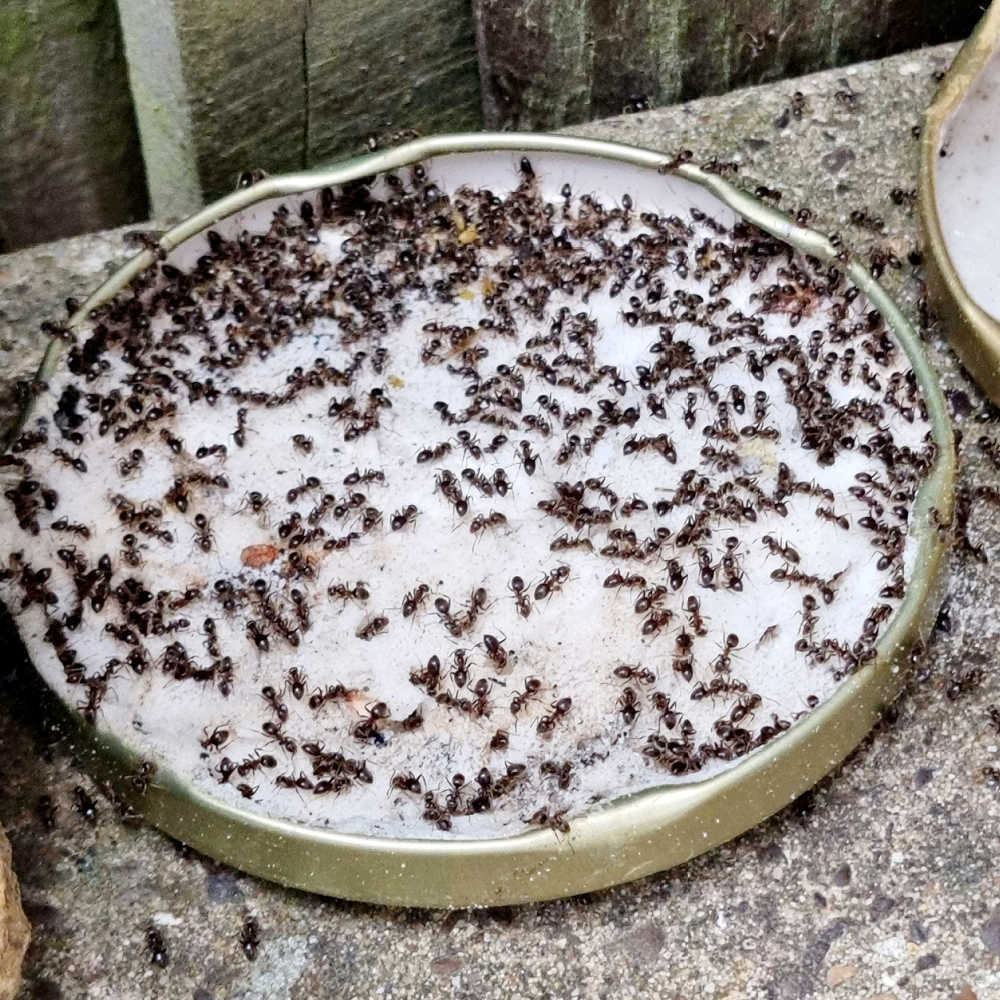
For more tips check out this big guide to getting rid of ants naturally.
Natural Mosquito Control
Mosquito sprays containing pyrethroids cause big problems in the organic garden as they are an indiscriminate pesticide which also kills :
- Bees
- Butterflies
- Ladybirds / ladybugs
- Lacewings
- Hoverflies
- PLUS frogs and toads.
To control mosquitoes without toxic sprays follow these key guidelines :
- Avoid standing water in buckets, watering cans.
- Keep water in ponds, bird baths etc moving with water bubblers & aerators.
- Use organic mosquito dunks in ponds to destroy larvae.
- Keep ponds algae free with healthy mix of pond plants.
The best mosquito repelling plants include
- Citronella grass
- Lavender
- Marigolds
- Lemon Balm
- Rosemary
- Peppermint
- Basil
- Catnip
- Geraniums
- Bee Balm
For more tips check out this big guide to natural mosquito repellents in the garden and these natural mosquito bite remedies.
Natural Weed Control
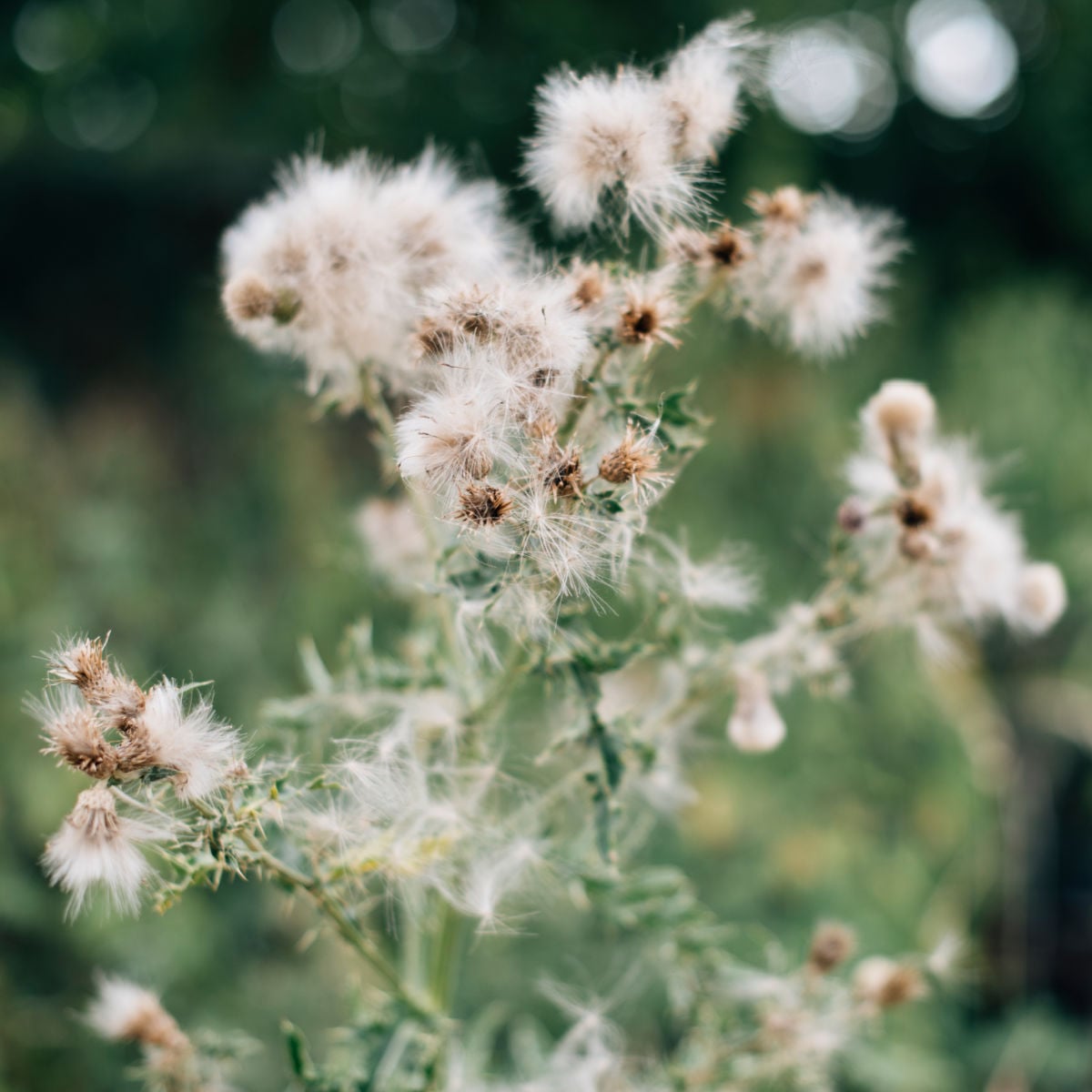
Backyard weed killers are associated with a whole host of issues for our health and the health of other creatures and critically for our soil.
The five best ways to tackle weeds organically are :
- Topping
- Tarping
- Toleration
- Ground Cover
- Buy A Hori Hori Knife
#5 really is a winner - I would not be without my Hori Hori knife!
Topping
Simply pick off weed flowers on sight - do NOT let them seed - even if you don't have time to root up.
Tarping
If you've got a real infestation of deep rooted weeds you can kill the root system by tarping :
- Cut plants down to ground.
- Water bed well.
- Cover with flattened cardboard boxes.
- Weigh down with mulch.
- Leave for 8 weeks.
Tolerate
Some non-invasive weeds actually feed our soil and help us avoid monocultures. Soil feeding weeds to tolerate in small areas include :
- Dandelions
- White clover
- Purslane
- Chickweed
- Nettles
Ground Cover
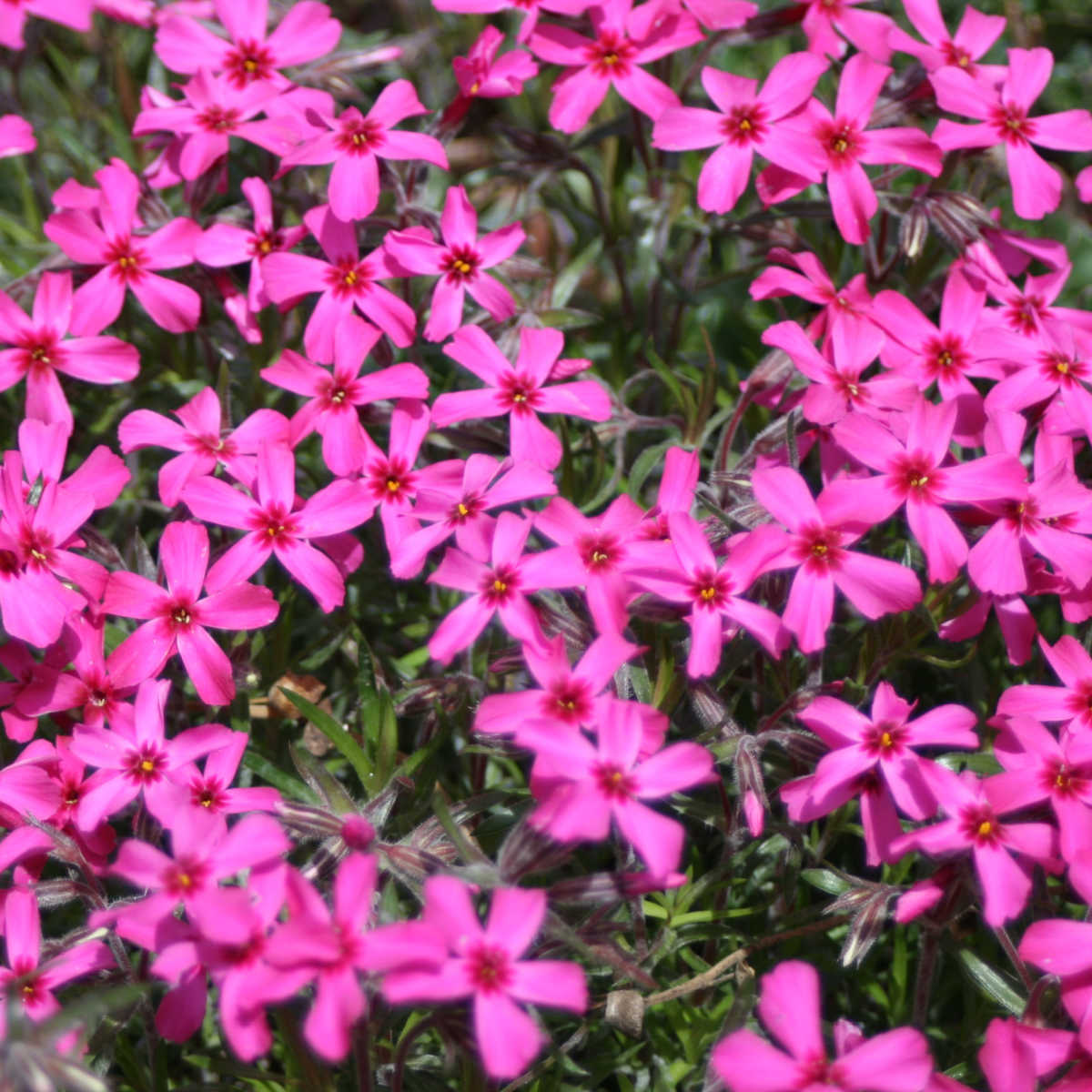
Some monocultures like rose gardens, fruit canes and hedges that leave bare soil are always vulnerable to weeds. So avoid bare soil and increase diversity with great ground cover.
Roses & Flowering Shrubs
- Creeping Thyme
- Creeping Oregano
- Alyssum
- Viola / Violets
- Hardy Geraniums / Cranesbill
- Creeping Phlox
- Low Catmint
- Lamb’s Ear
- Artemisia
- Chamomile
- Roman Chamomile
- Self Heal
Fruit Canes & Bushes
- Wild or Alpine Strawberries
- White Clover
- Creeping Thyme
- Hardy Geraniums / Cranesbill
- Chamomile
- Roman Chamomile
- Self Heal
- Alyssum
- Sweet Woodruff
- Corsican Mint
Hedges
- Sweet Woodruff
- Ajuga / Bugle
- Barrenwort
- Viola / Violets
- Creeping Jenny
- Hardy Geraniums / Cranesbill
- Corsican Mint
- Self Heal
- White Clover
Hori Hori Knife
A Japanese Hori-Hori weeding knife is a brilliant organic weapon against deep rooted weeds and invasive plants. You can use them to clear weeds between paving stones super quickly. My dad bought me mine and it truly is one of the most useful gifts I have ever received. The best brands are Nawaki and Japeto and for the use you'll get out of them controlling weeds organically, they are not expensive.
Natural Anti-Fungals
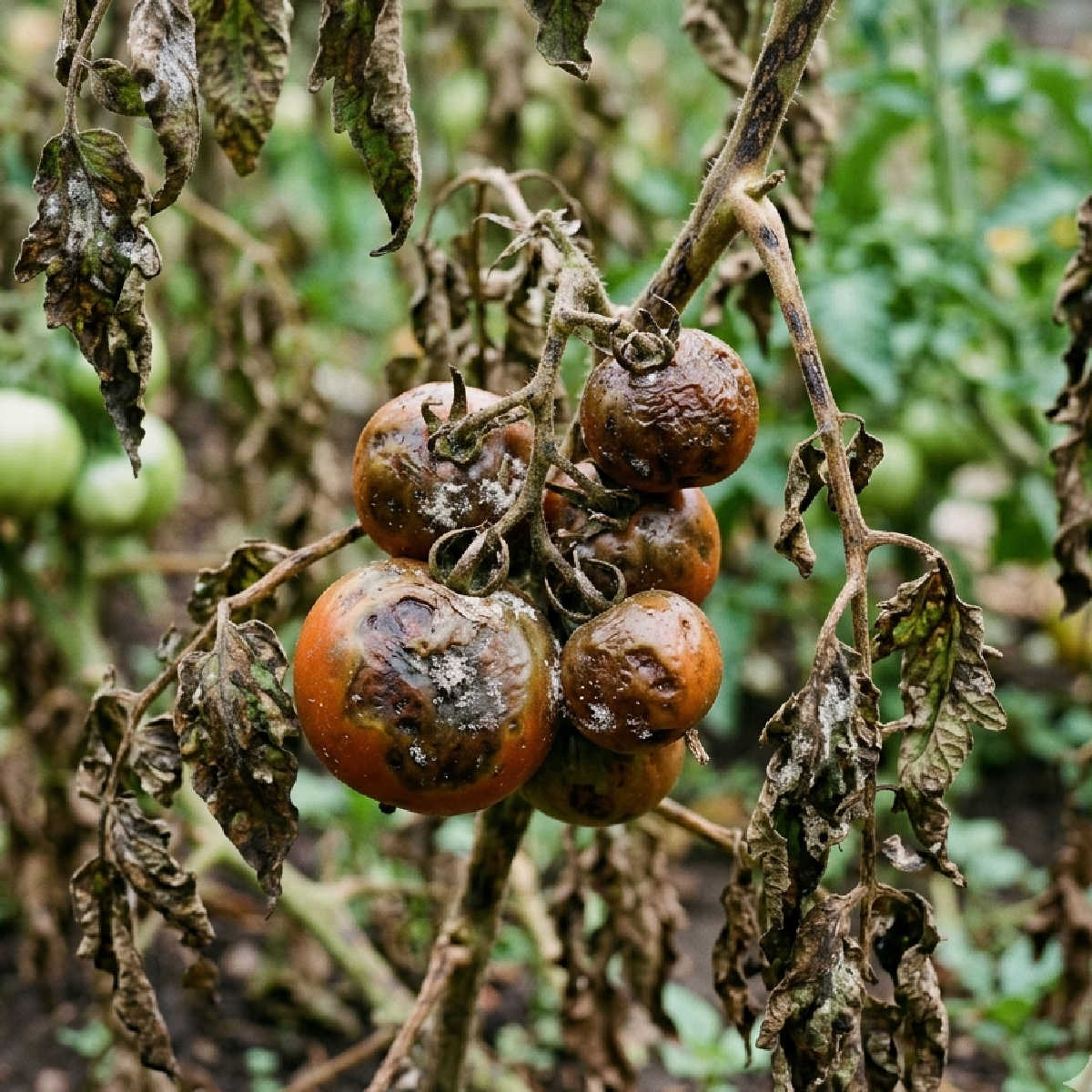
Fungal disease can damage plants and wipe out crops such as tomatoes and potatoes. But common fungicide sprays and treatments can :
- Make soil more vulnerable to repeat fungal infections.
- Kill key pollinators & bug predators e.g. bees, hoverflies.
- Pollute ponds & aquatic life.
- Reduce essential earthworm populations.
Luckily there are simple things you can do easily as an organic gardener to reduce the risk of fungal infections and stop them in their tracks
Fungus Prevention Rules
The seven basic rules for preventing fungal infections are :
- Don't over water.
- Don't water leaves.
- Water consistently.
- Leave room to breathe.
- Remove diseased leaves.
- Don't compost diseased plants.
- Rotate crops especially tomatoes, potatoes and don't succession sow plants from the same family
Anti-Fungal Plants
Companion and succession sowing anti-fungal plants can help reduce risk of infections. Build a good mix of these into your planting plans :
Recognise Fungus Early
Almost every gardener will face varieties of these 4 common fungal issues in the garden :
- Powdery mildew
- Black spot
- Blight
- Root rot
Learn how to recognise them so you can remove infected leaves, fruit and if necessary plants immediately.
Fruit trees are vulnerable to specific fungal infections e.g. plum pocket, so if you inherit or invest in a fruit tree, learn how to recognise symptoms of the most common diseases.
DIY Anti-Fungal Remedies
After removing fungal infected leaves and fruit, use these quick DIY anti-fungal sprays on adjacent leaves to prevent spread :
- Baking Soda : Mix 1 teaspoon bicarb, ½ teaspoon Castile soap in 1 litre water. Spray leaves weekly. Raises pH on leaf surface so spores can't germinate.
- Milk : Mix 1 part milk : 9 parts water. Spray both sides of leaves weekly in sun. Proteins react with UV to create anti-fungal compounds.
- Garlic : Blend 2–3 garlic cloves in 1 litre water, strain and spray. Allicin in garlic is a natural antifungal. Use every 5–7 days.
And there you go all the simple basic tips you need to garden organically.
For more tips check out my other gardening posts and follow me on Pinterest.
Original images : Creeping Phlox, Greenfly


[…] these simple organic gardening tips for beginners to encourage natural pest predators such as birds, ladybirds, lacewings and […]