


London Outdoor Pools & Lidos


London Steam Trains & Railways

London With Kids


Rainy Day London With Kids


50 Cool Things To Do In London
London is full of cool things to do but sadly too many of them are smack at the top of everyone else's London bucket list and cram full of tourists.
However, there are actually loads of cool things to do in London that are unusual, quirky and off the beaten track but still either super fun and adventurous for thrill seekers or hidden gems for culture vultures and nature lovers.
So whether you're a Londoner - like me - looking for new cool things to do or a visitor after something special do bookmark or save this big list of the very best cool things to do in London.
Table of Contents
Cool Thrill Seeking Adventures In London

If you love dare devil adventures or being seriously spooked check out these cool things to do in London guaranteed to give you a thrill ...
- Explore London's Caves By Candlelight
- Climb A Victorian Pumping Station
- Discover London's Ghost Stations
- Ride The Orbit Slide
- Zip Line A Quarry
- Race Vintage Cars
- Ride Hyperia
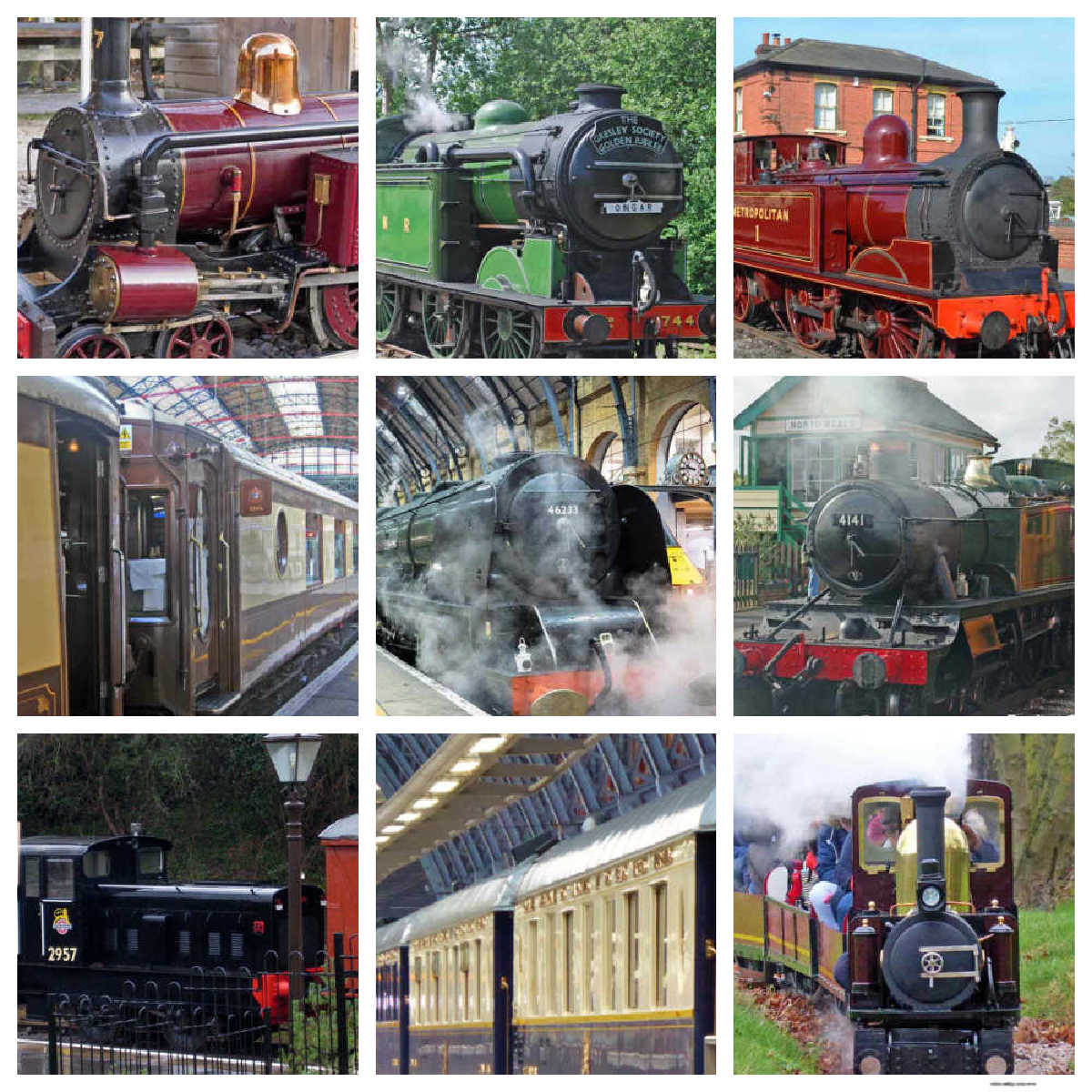
- Ride A Steam Train
Explore London's Caves
London's has its very own labyrinth of underground caves stretching for over 20 miles that you can explore on mysterious candlelit tours.
Climb A Victorian Pumping Station
London's coolest climbing centre is built into the ruins of a Victorian pumping station and offers bouldering for beginners and roped climbing for experienced climbers.
Discover London's Ghost Stations
Go underground to explore the forgotten ghost stations and lost tunnels on the London tube that were used as wartime bomb shelters but have been closed up since the 60s.
Ride The Orbit Slide
Ride the orbit slide - the world's longest and tallest tunnel slide - if you dare at the Olympic Park. Or just take the lift on a clear day to enjoy the view.
Zip Line A Quarry
London has a whole bunch of seriously cool zip wires for all ages including :
- HangLoose : England's longest & fastest zip line over an old quarry near Bluewater.
- Gripped : Dual line zip racing near Heathrow.
- GoApe Cockfosters : London's most challenging course through the tree tops of Trent Park.
Vintage Car Racing
If you love driving, race a classic vintage car round the old race track at Brooklands or alternatively take the controls of the Concorde flight simulator.
Ride Hyperia
Ride Hyperia - Britain's tallest roller coaster - or "enjoy" the inversions on the classic Colossus at Thorpe Park.
Ride A Steam Train
For little kids there are a whole host of opportunities to ride steam trains in London.
Also check out the Postal Museum and the RAF Museum in the quirky museums section below both of which have cool rides.
Cool Things To Do In London On The Water

The Thames is the very lifeblood of London and there are loads of brilliantly cool things to do on the river and London's other waterways ...
- Kayak To Hampton Court
- Canoe Around Canary Wharf
- Power Boat Down The Thames
- Sail On The Thames
- Ride The Gravesend Ferry
- Paddle The Regent's Canal
- Whitewater The Olympic Course
Kayak To Hampton Court
You can kayak down the Thames to Henry VIII's palace at Hampton Court on both supervised trips or with open hire kayaks.
Canoe Around Canary Wharf
At the other end of the river you can canoe around Limehouse and Canary Wharf.
Sail On The Thames
Sailing is a massive part of London's history and you can learn to sail today all along the Thames from Richmond to Greenwich and also on lakes like Colne Valley Park.
Power Boat Down The Thames
if you really want some speed you can power boat down the river on a Thames Rocket.
Gravesend Ferry
Or to get a real feel for the old river take the tiny Gravesend Ferry past the huge freight liners still coming into Tilbury and then explore the brilliant Tilbury Fort.
Paddle the Regent's Canal
See north London in a whole new light from a paddle board or canoe on the Regents Canal.
Whitewater The Olympic Course
Or for real thrills whitewater the Olympic course and more at Lee Valley Park.
Cool Things To Do In London At Night

London's obviously awash with cool bars, restaurants and clubs for night time adventures but there are also some seriously cool things to do at night in London you may have missed ...
- Climb The O2
- Camp In The Wild
- Sleep With Lions
- Candlelit Museum Tour
- Meet Ghosts At The Tower
- Sleepover On A Naval Warship
Climb The O2
Go on a sunset or twilight hike over the roof of the O2 for amazing views of London at night.
Camp In The Wild
Camp out in the woodland at an "almost" wild camping site right by the river Lee.
Sleep With Lions
... or at least in the Gir Lion Lodge within roaring distance of the lions at London Zoo and get after dark access to the animals.
Candlelit Museum Tour
Set in in Lincoln's Inn Field John Soanes wonderfully quirky house is as he left it 200 year ago and is open once a month for atmospheric candlelit tours.
Meet Ghosts At The Tower
Get taken around the Tower of London and the Crown Jewels by a Yeoman of the Guard after the crowds have gone. But watch out for the visitors who never left!
Sleepover On A Naval Warship
If you are looking for cool things for kids to do in London at night check out all of these sleepover adventures ...
- ... on a naval warship on the Thames
- ... with the mummies in the British Museum
- ... or the dinosaurs at the Natural History Museum
- ... or on a space race to Mars at the Science Museum!
Cool Things To Do Outdoors In London

Some of the coolest ways to enjoy London are just to get out and adventure in the great outdoors ...
- Cycle In Epping Forest
- Swim In The Serpentine
- Go Wild In The Woods
- Spot Wild Harriers
- Pick Your Own Fruit
- Ride Horses In Richmond Park
- Olympic Mountain Biking
- Olympic Track Cycling
Cycle In Epping Forest
Ancient Epping Forest on the Central Line in east London is over 8 miles long so brilliant for long cycle rides through stunning woodland.
Swim In The Serpentine
Swimming in the Serpentine in Hyde Park has to be the ultimate outdoor swim in London but it's just one of London's lidos & outdoor pools.
Go Wild In The Woods
London has an amazing 50,000 acres of woodland you can visit. Check out this guide to the best woods in London to plan your own totally free outdoor adventures.
Spot Wild Harriers
If you love wildlife head out to the enormous riverside RSPB reserve at Rainham Marsh to see wild harriers, owls and more.
Pick Your Own Fruit
There are still a good number of pick your own farms in London open from the first strawberries in June to the pumpkins at Halloween.
Ride Horses In Richmond Park
There are riding schools all over London but Richmond Park is perhaps the most beautiful.
Olympic Mountain Biking
Enjoy London's ultimate mountain bike track at the Olympic Velo Park ...
Olympic Track Racing
... or head down to south London for track racing at Herne Hill Velodrome the track for the 1908 Olympics.
Cool & Quirky Museums In London

London's big museums are brilliant but if you're looking for something quirky and cooler check out these ...
- Postal Museum
- RAF Museum
- Grant Museum
- Hunterian Museum
- Clink Museum
- Somerset House
Postal Museum
The Postal Museum is a fun hands on museum for kids but the main attraction is the mail rail London's 100 year old underground mail train reborn as a cool ride.
RAF Museum
Away from the main beat of central London museums the fantastic RAF Museum is free but has cool extras including the 4D Theatre and the Eurofighter simulator flight over the Lake District.
Grant Museum
The Grant Museum is a tiny but uber cool museum of natural history barely changed since first founded.
Hunterian Museum
The Hunterian Museum is the weird and wonderful collection of the Royal College of Surgeons. Not for the faint hearted!
Clink Museum
If you are great with gruesome head down to the Clink Museum in one of London's first prisons.
Somerset House
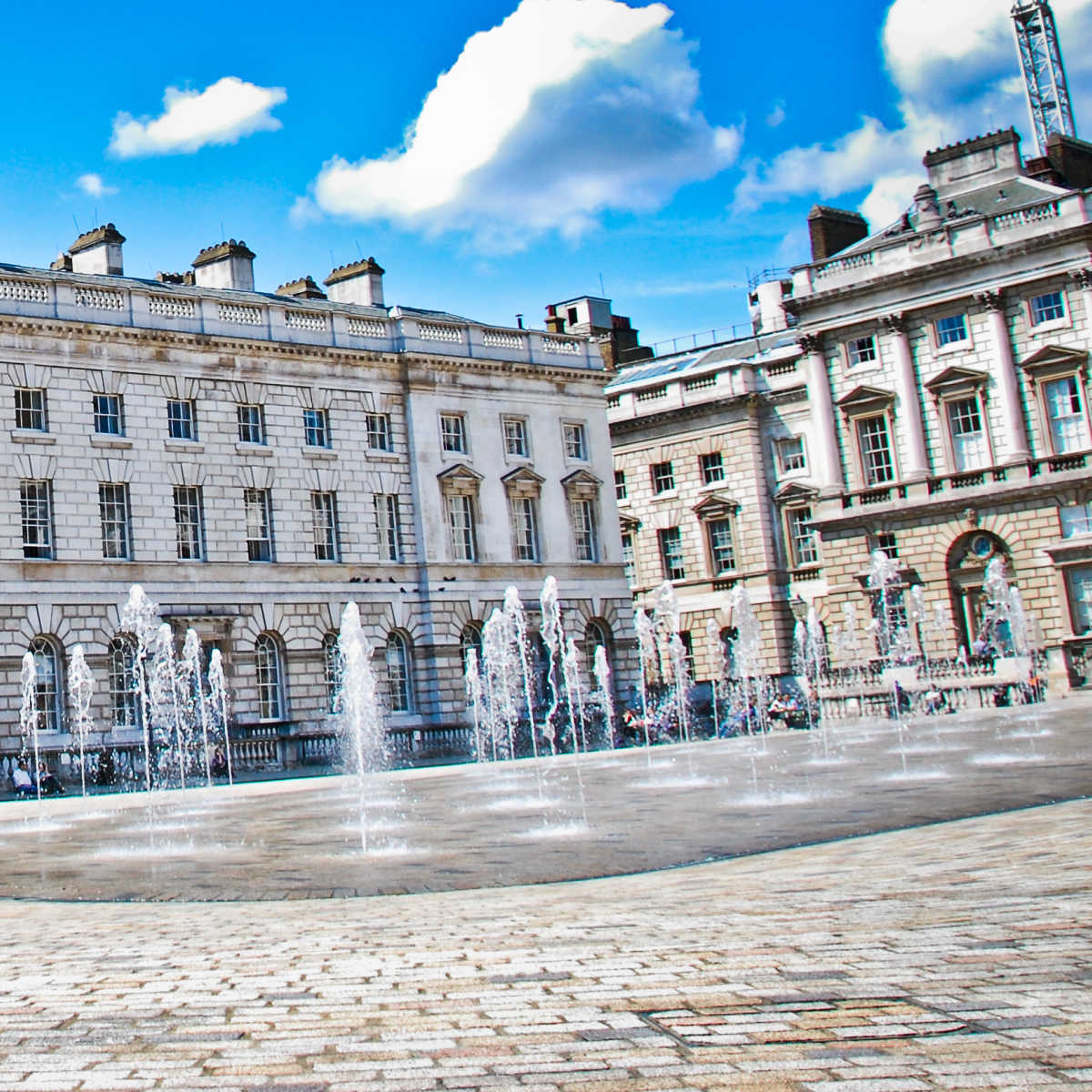
If you are looking for amazing art rather than weird and wonderful check out the Courtauld Gallery - London's best collection of impressionist art - at beautiful Somerset House with its fine fountain courtyard.
Historic Houses In London That Are Hidden Gems
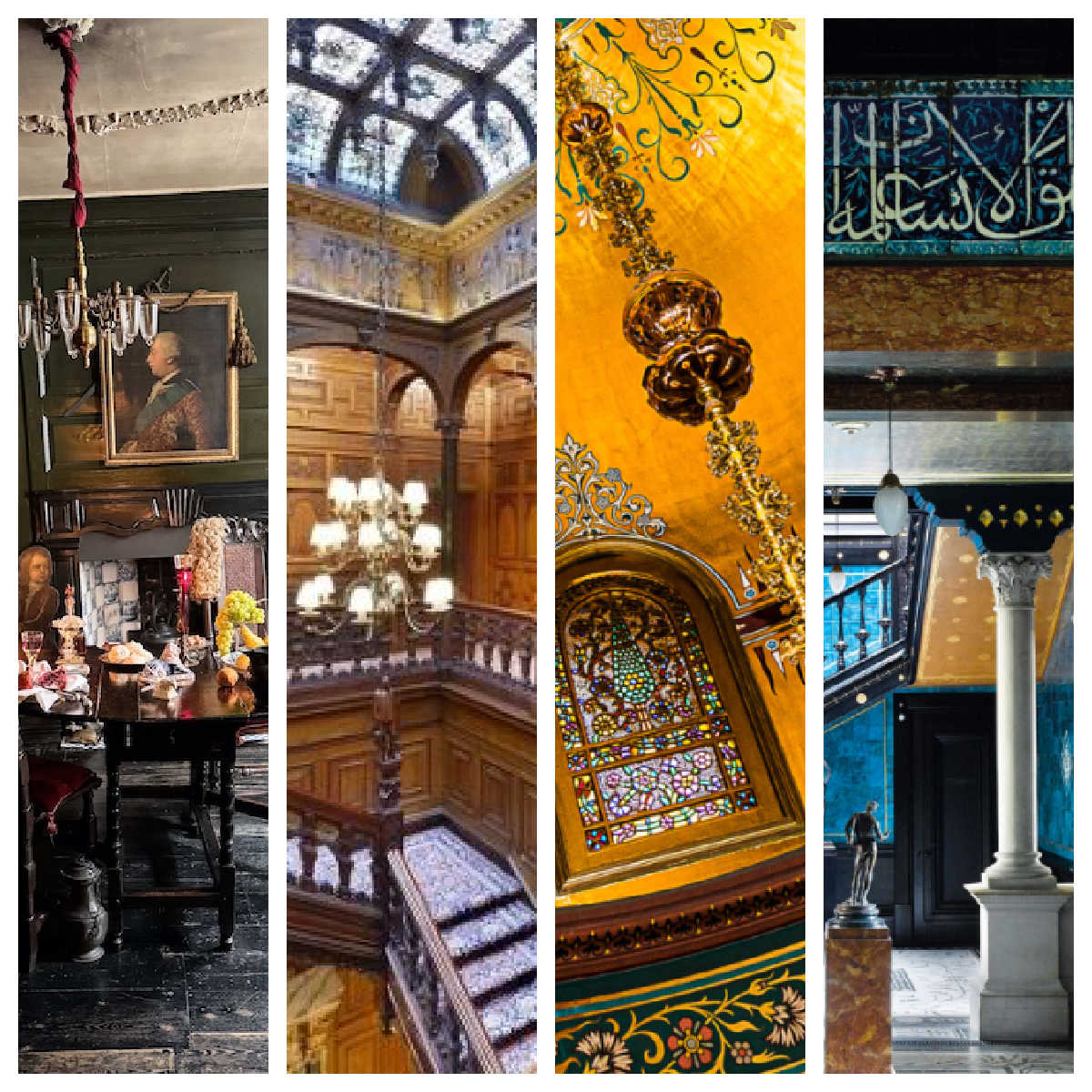
London is full of beautiful historic houses you can visit but these hidden gems are some of the coolest and right off the main tourist trail :
- Dennis Severs House
- Two Temple Place
- Emery Walker House
- Stafford Terrace
- Leighton House
- Carlyle House
- Hogarth House
Dennis Severs House
The Dennis Severs House in Spitafields is a breathtaking time capsule that captures the lives of 18th century Huguenot refugees and silk weavers.
Two Temple Place
William Waldorf Astor commissioned the stunning neo-gothic Two Temple Place in the late 19th Century - you'll recognise the interior from Downton, The Crown and more. You need to join their mailing list to register for visits.
Emery Walker House
The Emery Walker House is a beautiful Arts & Crafts decorated terrace by the river in Hammersmith.
Sambourne House
Near Holland Park Sambourne House is a lovely family home unchanged since Victorian times.
Leighton House
Just five minutes from Sambourne House is Leighton House the fabulous house of artist Frederick Leighton which is home to over 70 of his paintings.
Carlyle House
Near the Albert Bridge in Chelsea Carlyle's House was home to Thomas Carlyle and was a salon to many of the great writers of the early 19th century.
Hogarth House
Another hidden gem in west London the Hogarth House tucked away by beautiful Chiswick Park was home to artist William Hogarth.
For more ideas check out this big guide to London's historic houses with gorgeous gardens.
Cool London Places For History Buffs

If you love history but have done London's big historic sites check out these cool historic sites in London that are off the beaten track ...
- Track Down King Harold
- Await The Armada At Tilbury Fort
- Enjoy The Peace Of Lesnes Abbey
- See Shakespeare At Copped Hall
Track Down King Harold
If you've got into everything Anglo Saxon from The Last Kingdom track down King Harold's resting place at Waltham Abbey which is right on the edge of Lee Valley Park and a short walk from the Royal Gunpowder Mills Museum. It's also just a quick drive or bus ride from Epping Forest and Copped Hall.
Await The Armada At Tilbury Fort
A Thames side fort where Queen Elizabeth roused her troops before the Armada, Tilbury Fort saw continued service defending the Thames right up to WW2. Cool for history buffs and kids - plenty of space to run round - and is best visited by the very cool Gravesend Ferry.
Lesnes Abbey Ruins
Sitting in the shadow of bluebell and fossil filled Abbey Woods the ruins of 12th Century Lesnes Abbey are a lovely stop on the Greenchain walk to Oxleas Wood.
Shakespeare At Copped Hall
Beautiful Copped Hall was the setting for the first performance of Shakespeare's Midsummer's Night Dream - it is re-performed most summers - and is home to one of London's coolest archeological digs.
Unusual Things To Do For Free In London

Some of the cool things to do in London are undoubtedly expensive but some of the coolest things to do in London are actually free. There's a massive list here of 101 free things to do in London but check out some of these gems as starters :
- Dig For Fossils
- Mudlark By The Thames
- See London From A Skygarden
- Climb A Working Windmill
Dig For Fossils
Unbelievably there is an open access fossil bed in Abbey Wood where you can very easily find 50 million year old fossils including Angel Shark teeth.
Mudlark By The Thames
You can easily uncover old china, clay pipes, rather gory bones and more lost in the river in centuries past along the Thames.
See London From A Sky Garden
The Sky Garden at Fenchurch Street has some of the most beautiful views of London and can be visited free.
Climb A Windmill
There's all sorts of things to explore in modern Brixton from the fabulous food markets to the David Bowie mural but if you head just a short way up Brixton Hill you can actually climb the working Brixton Windmill and mill some flour.
So there you go, over 50 cool things to do in London for all ages. Enjoy.
For more ideas check out my other guides to fun things to do in London and follow me on Pinterest.
Original images under Creative Commons : View from the Sky Garden, The Shard, London, Somerset House, London
Fruit Tree Guild Plant Lists
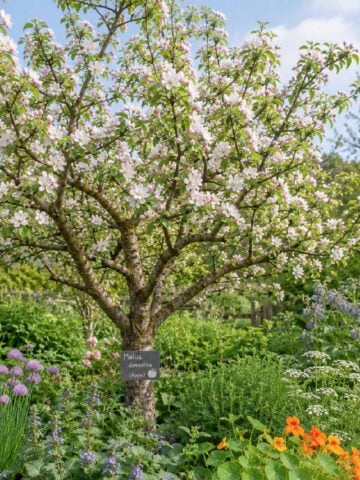
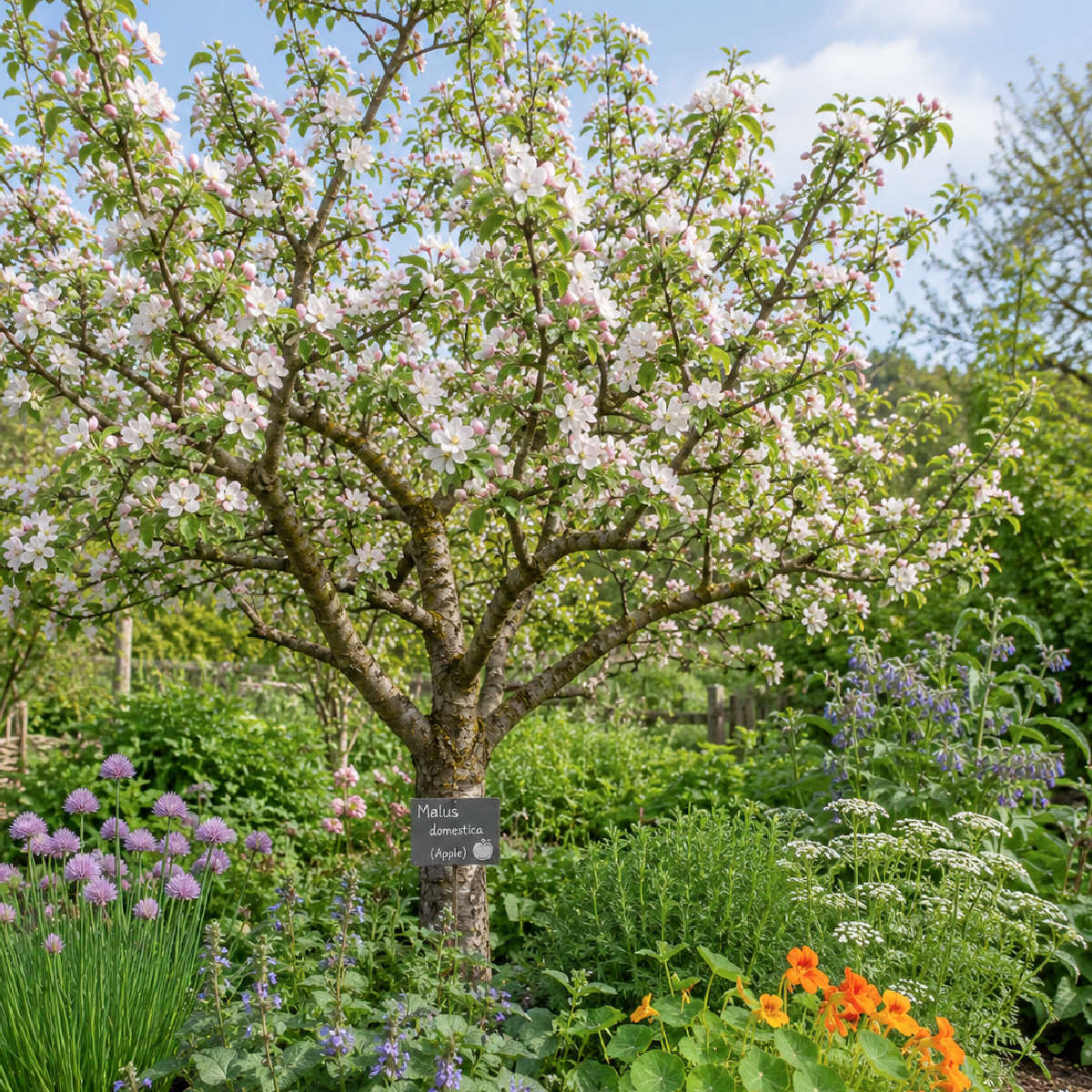
Fruit tree plant guilds are a great way to keep your backyard fruit trees healthy and protect them from pests and disease organically without the need for nasty pesticides and more.
If you've already got fruit trees in your garden, you don't need me to tell you the joy they can bring with their beautiful blossom and succulent fruit.
But fruit trees can suffer from pests and disease and struggle in bad weather. Fruit tree plant guilds help repel pests and nurture the tree so it is more resilient to fungal and bacterial disease plus drought and deluge.
To help you create simple fruit tree guilds I have for you here fruit tree guild plant lists covering all the components you need within a guild and plants to support specific fruit trees.
I do hope these lists help your fruit trees flourish and deliver bumper crops.
Table of Contents
How To Build A Fruit Tree Guild
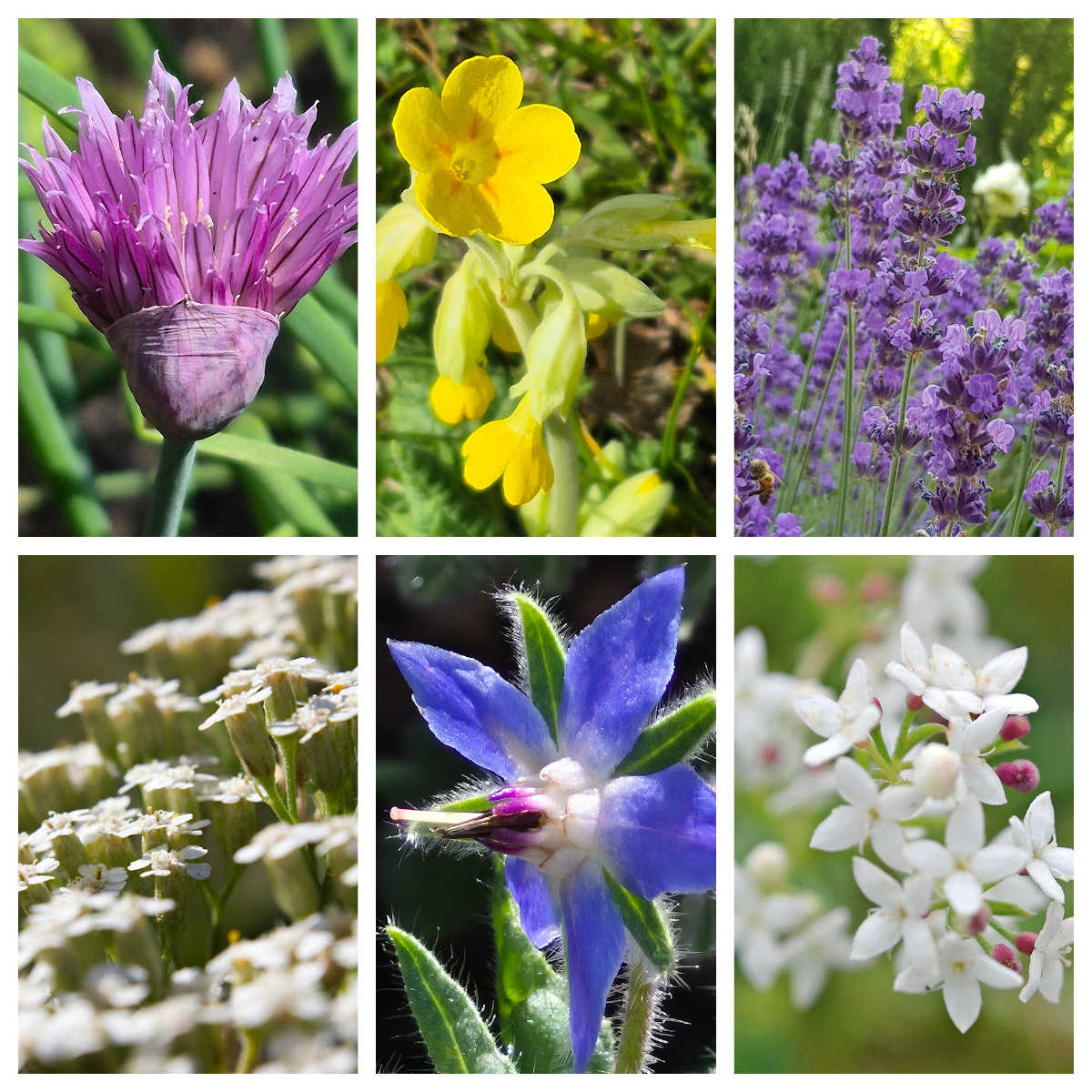
Fruit tree guild plants are combined to deliver a whole bunch of benefits :
- Nutrients & Soil Fertility
- Mulch & Ground Cover
- Insect Pest Control
- Beneficial Insect Habitats
- Early Pollinator Attraction
- Animal Pest Control
- Disease Prevention
I've listed the best plants below for each of the first six benefits. Typically, these plants will be good for most common backyard fruit tree varieties.
We'll then look separately at disease prevention which is a bit more complex.
Nutrients & Soil Fertility
Healthy fruit trees need healthy soil with balanced nutrients. The best guild plants for this are :
- White Clover
- Comfrey
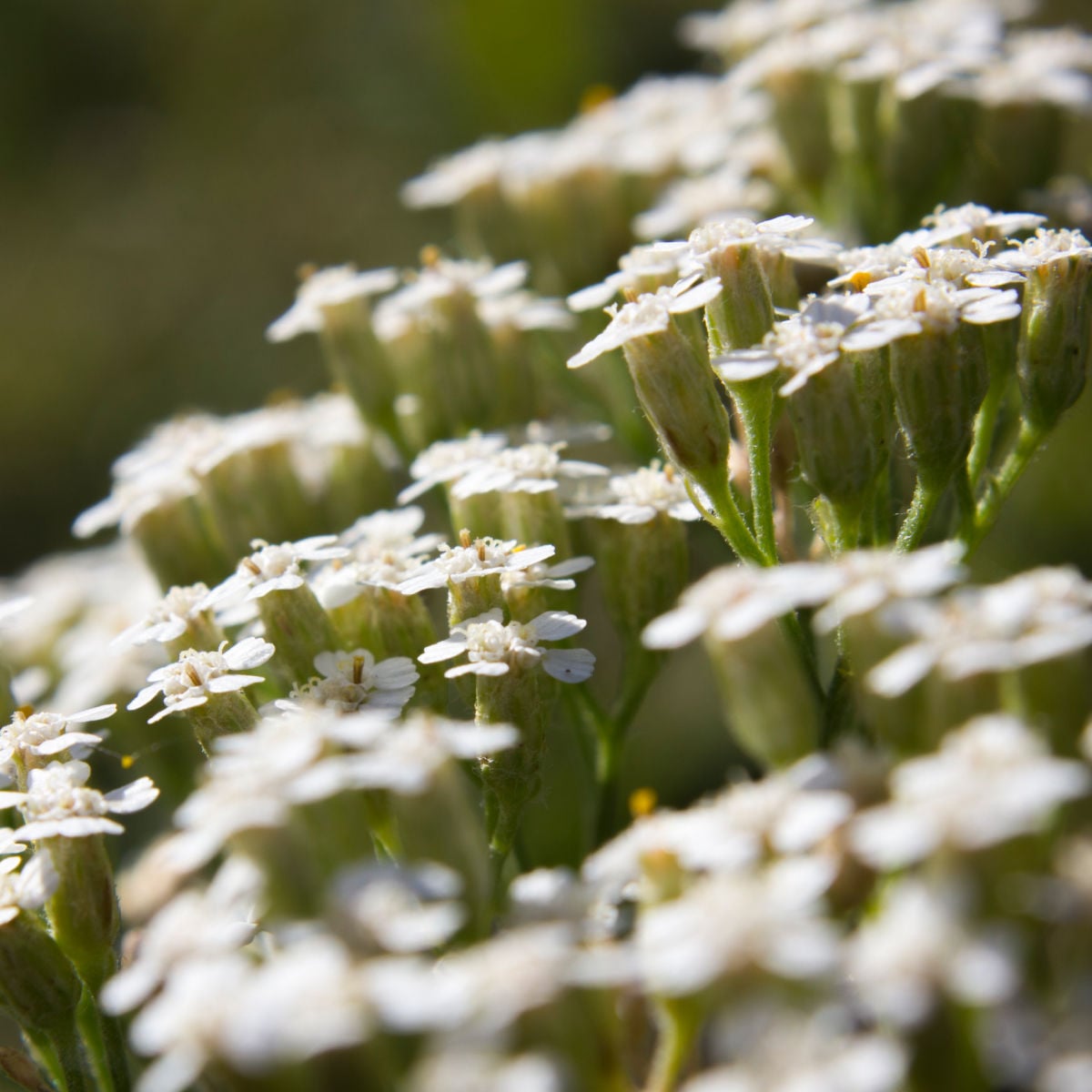
- Yarrow
White Clover
Fixes nitrogen into soil (without overdoing it) and provides a living mulch that feeds beneficial soil microbes.
Comfrey
Deep taproot mines potassium, calcium and phosphorus which improves overall tree health and ability to resist fungal disease. Keep chopping in repeatedly for nutrient-rich mulch. Also feeds bees.
Yarrow
Dynamic accumulator and improves soil structure with long taproot.
Mulch & Ground Cover
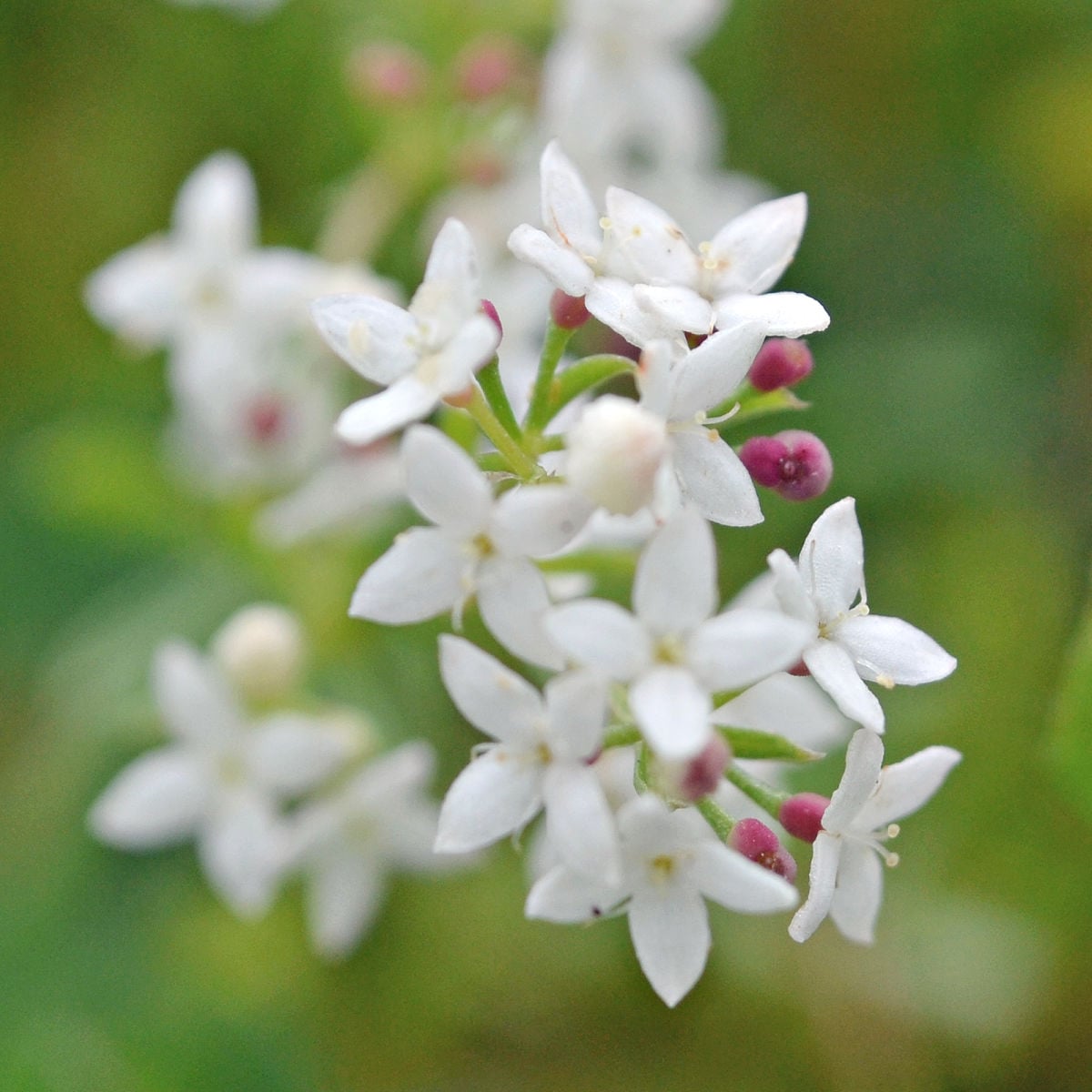
Mulch and ground cover around fruit trees suppress weeds and helps soil retain moisture and nutrients. Key fruit tree guild plants for this are :
- Strawberries
- Creeping Thyme
- Sweet Woodruff
Strawberries
Smothers grass and weeds competing for water and nutrients but its shallow roots don't compete with tree.
Creeping Thyme
Aromatic ground cover that suppresses weeds and deters some soil insects. Contains volatile thymol compounds which act as natural fungicide.
Sweet Woodruff
Shade tolerant ground cover and leaf mulch good for large trees and fruit trees in cooler zones. Mild anti-fungal and attracts beneficial hoverflies.
Insect Pest Control
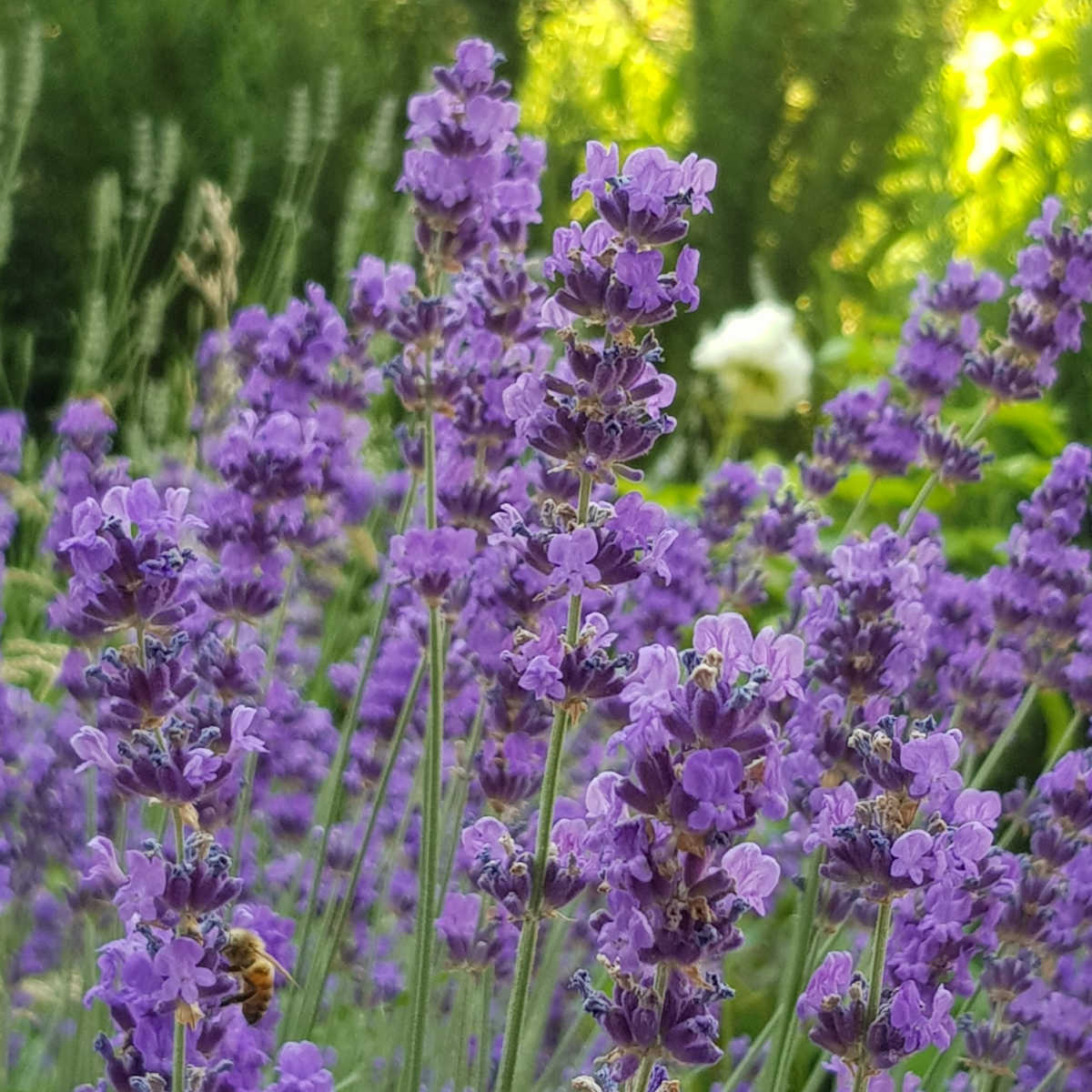
Include some of these aromatic plants in your fruit tree guild to help repel insects that eat leaves and fruit and spread bacterial disease :
- Lavender
- Marigold
- Catnip - Nepeta
- Wormwood
A mixture of these plus garlic and chives actually camouflage the tree from unwanted insects.
Lavender
Lavender repels fruit moths and confuses pest navigation. It also attracts beneficial bugs who control insect pests.
Marigolds
French marigolds are a deterrent for many flying insects and suppress unwanted soil nematodes.
Catnip - Nepeta
Catnip repels aphids and the ants which transport aphids to new leaf shoots and are a big contribution to leaf-curl in fruit trees.
Wormwood*
Wormwood is a strong general pest deterrent for moths including the codling moths that do so much damage to apple and pear trees. Is mildly allelopathic so suppresses weeds but should be on outside of guild
*Toxic to pets & humans. A traditional orchard companion plant but plant with care.
Beneficial Insect Habitat
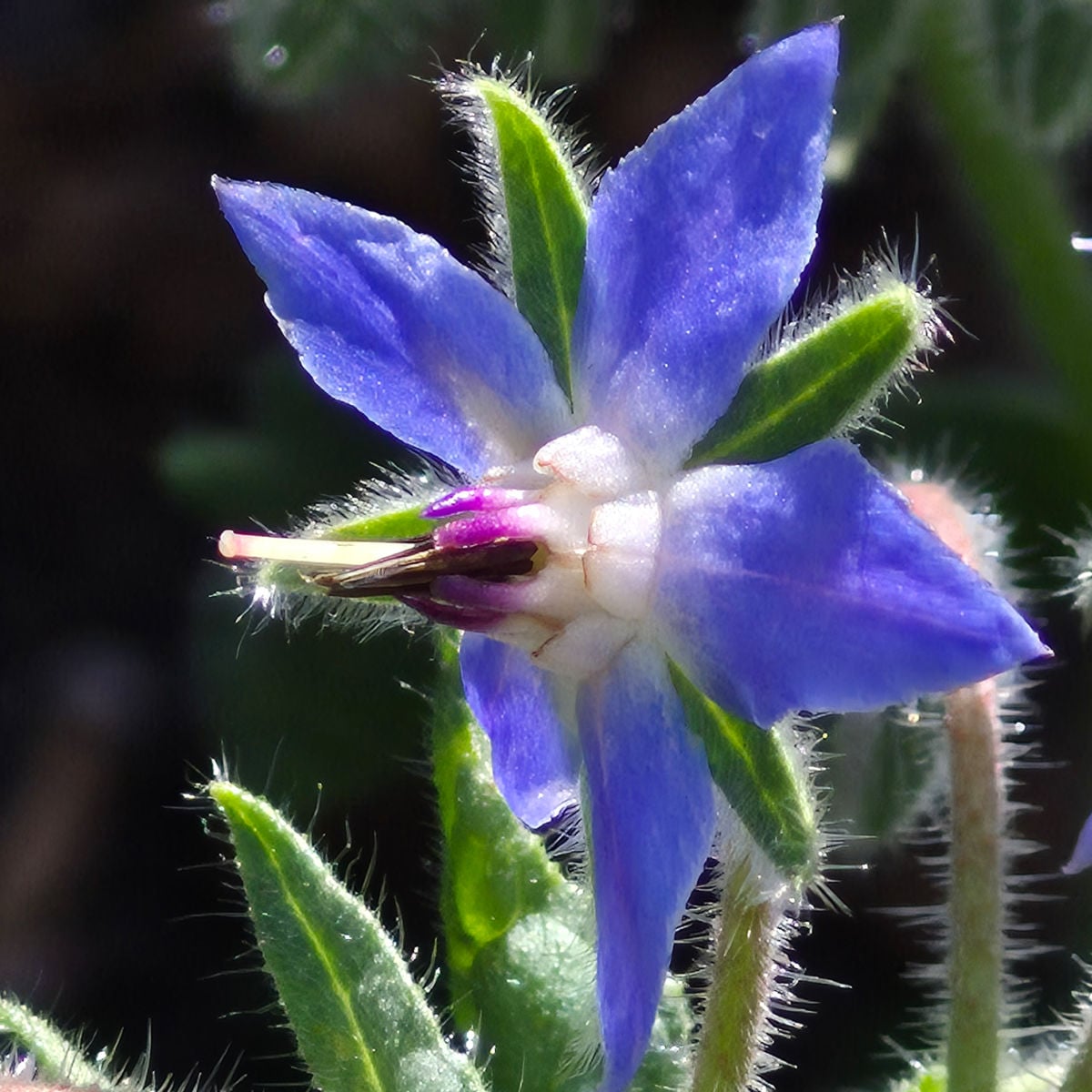
Fruit tree guilds should include plants to attract the beneficial bugs e.g. hoverflies and ladybirds who feed on aphids and moth larvae. Key plants include :
- Dill
- Phacelia
- Sweet Alyssum
- Borage
- Calendula
Dill
The big umbellifer flowers on dill feed parasitic wasps and hoverflies that prey on aphids and caterpillars.
Phacelia
Exceptional plant for attracting hoverflies to devour aphids and also a good winter ground cover crop.
Sweet Alyssum
A low growing flower with a long-season that will keep feeding the parasitic wasps which are good at seeing off codling moths and cherry and pear slugs.
Borage
Self-seeding summer annual sustaining hoverflies and parasitic wasps through peak pest season when aphid and moth pressure is highest.
Calendula
Long-flowering, attracts hoverflies and parasitic wasps. Sticky stems also physically trap aphids and small pest insects.
These other umbellifer flowers are also - with exception of fennel - good additions to your fruit tree guild to attract beneficial bugs.
Attract Early Pollinators
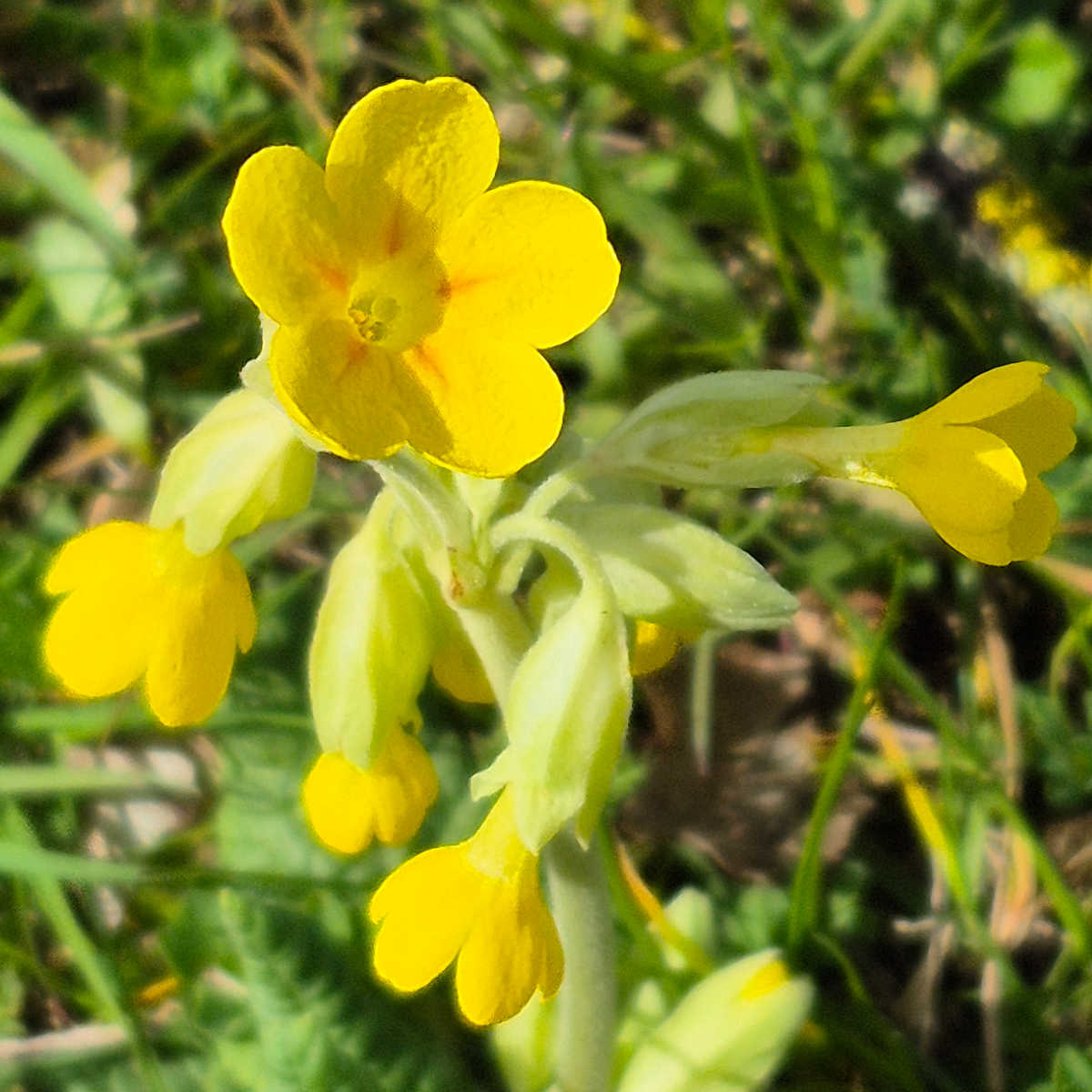
Huge orchards and streets lined with cherry blossom can draw in big crowds of bees for the short 2-4 week window that fruit trees flower.
But a few fruit trees in our backyard will struggle to pull in the pollinators if our neighbours gardens aren't also full of blossom.
So fruit tree guilds ideally need some late winter and early spring flowers for a longer bee feeding window in advance of the fruit tree blossom.
Add to your guilds traditional orchard flowers that did exactly this :
- Crocus
- Snowdrop
- Winter Aconite
- Lungwort
- Hellebores
- Grape Hyacinth
- Primrose
- Cowslip
- Wild Violets
- Snakes Head Fritillary
- Bluebell
Tolerating dandelions in the monoculture of your lawn and leaving a few corners of your garden to long grass and dead-nettle will also attract bees and provide a long term nesting habitat.
Animal Pest Control
Animals such as deer, squirrels, rodents and rabbits can cause problems for fruit trees as they chew at bark increasingly vulnerability to fungal and bacterial disease.
Two of the most useful plant groups to include in your fruit tree plant guild to repel animal pests are :
- Alliums
- Narcissus
Alliums
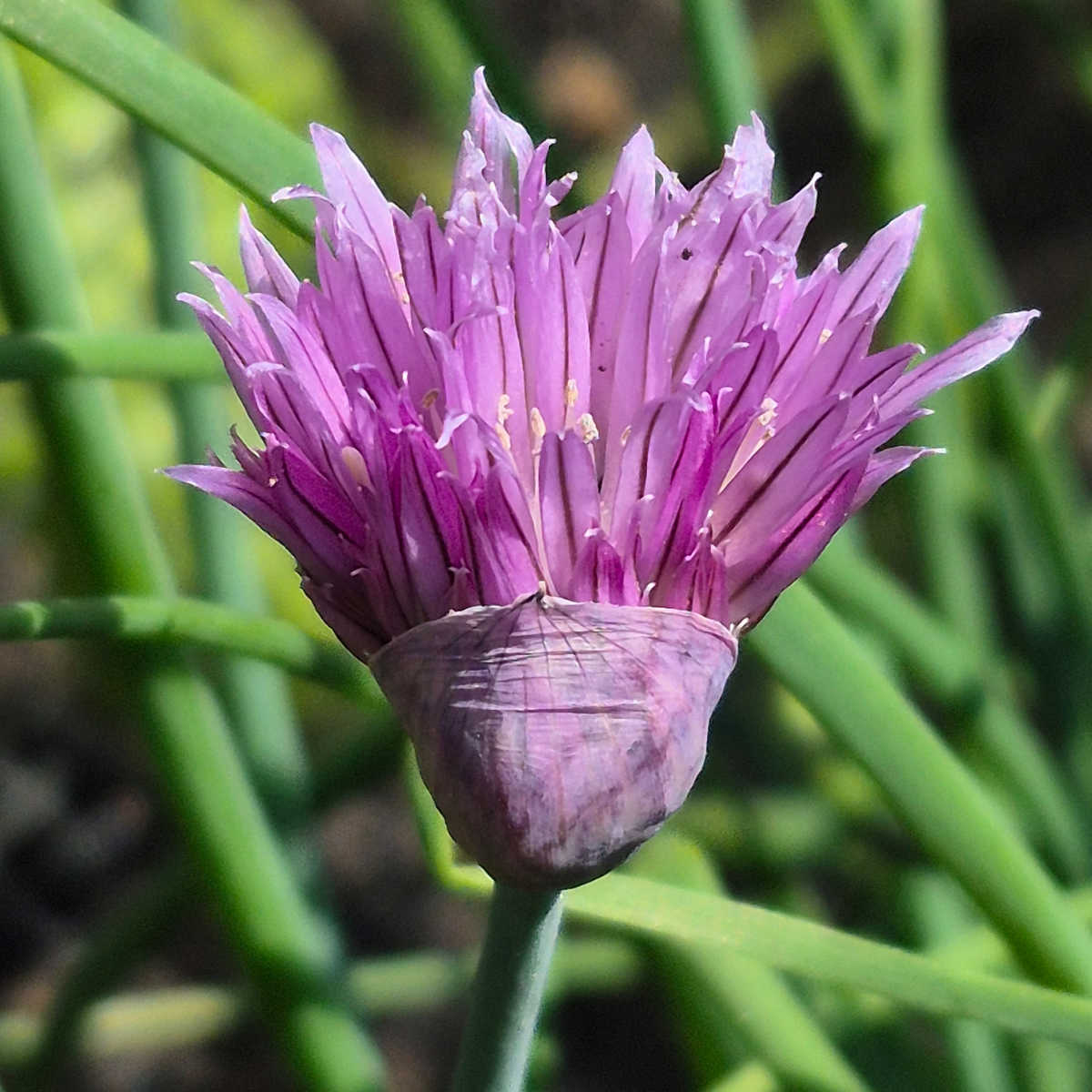
Any of the allium family including garlic and chives but also big ornamental allium flowers will help with their scent to deter rabbits and deer.
Narcissus
All the daffodil family are toxic to deer and rabbits plus the voles and mice who can kill off fruit trees by girdling the trunk, i.e. gnawing a circle all the way around the bark which cuts off circulation.
Fungal Disease In Fruit Trees
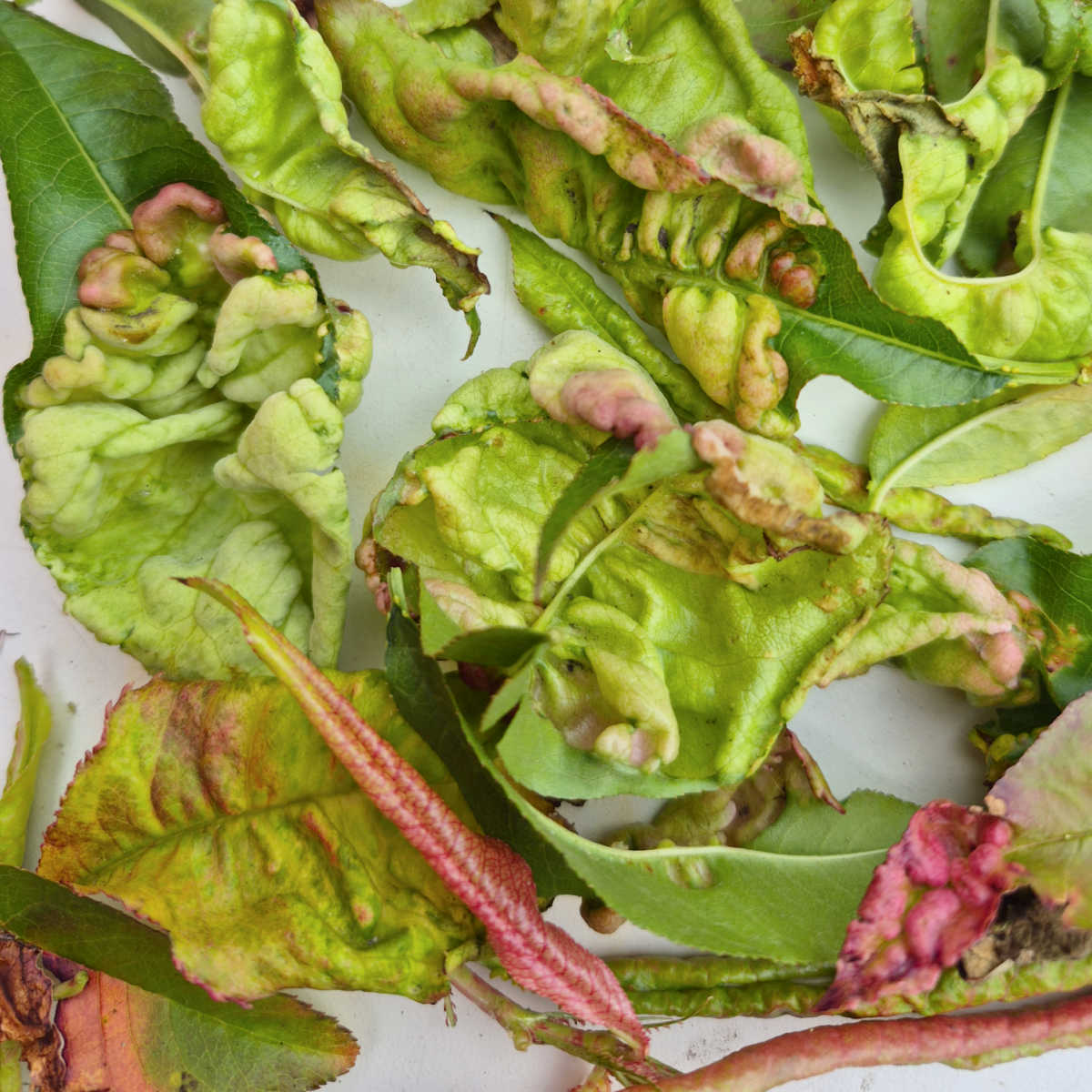
Fruit trees are vulnerable to fungal disease. There are plants - see below - you can add to your fruit tree plant guild that provide fungal prevention. But the guild won't be strong enough to prevent fungal problems if you don't :
- Avoid Tree Stress
- Balance Your Orchard (however tiny it is).
Avoid Tree Stress
Fruit trees are an investment because of the time they take to grow. So they do need some TLC to avoid the stress that makes them vulnerable to fungal disease. You don't have to be obsessive but common causes of stress are
- Poor support
- Broken branches
- Damaged bark
- Crammed in trees
- Contaminated pruning tools
- Pruning at the wrong time in damp conditions
- Overwatering or poor drainage
- Nutrient imbalance - e.g. too much nitrogen, low calcium & potassium from deeper soil
- Dead fruit left on trees.
Balance Orchard
It is very easy - I learnt the hard way - to end up with one over dominant tree in a small backyard orchard that becomes very vulnerable to species specific fungal infection. This can be down to
- Handing a prime position to one tree at the expense of others.
- Adding young trees when you already have one mature tree.
- Picking some non-dwarf trees.
- Planting badly so tree escapes the dwarf grafting.
I managed to screw up on all of these and ended up with a damson tree that was very vulnerable to plum pocket and infected other plums. Removing this tree which undermined the whole equilibrium of the garden solved fungal issues in other trees.
Fungal Prevention Plant Guild

The plants you can add to your guilds for fungal prevention include :
- Chives
- Garlic
- Chamomile
- Horseradish
- Nasturtium
Garlic
Sulphur compounds in garlic can suppress fungal spores around roots and help prevent fungal disease including apple scab. Can be used to make a DIY anti-fungal spray.
Also repellent for aphids, ants, codling moth, Japanese beetle, slugs and nematodes.
Chives
Pretty chives have same anti-fungal properties from sulphur as garlic and also deter aphids and Japanese beetles. Sulphur compounds give anti-fungal root protection.
Chamomile
Mild anti-fungal in soil and can be used as a watering tea to protect seedlings from damping-off a fungal condition that rapidly kills young trees.
Horseradish
Horseradish roots exude anti-fungal compounds into soil. Traditionally planted at corners of fruit tree guilds to prevent e.g. apple-scab.
Comfrey
We've already potassium-rich mulch builds cell wall strength in the tree, making leaves and fruit more physically resistant to fungal penetration
Nasturtium
Nasturtium have sulphur compounds with mild anti-fungal properties and helps to discourage spore-friendly damp patches.
Tree Specific Plant Guild Lists
Apple
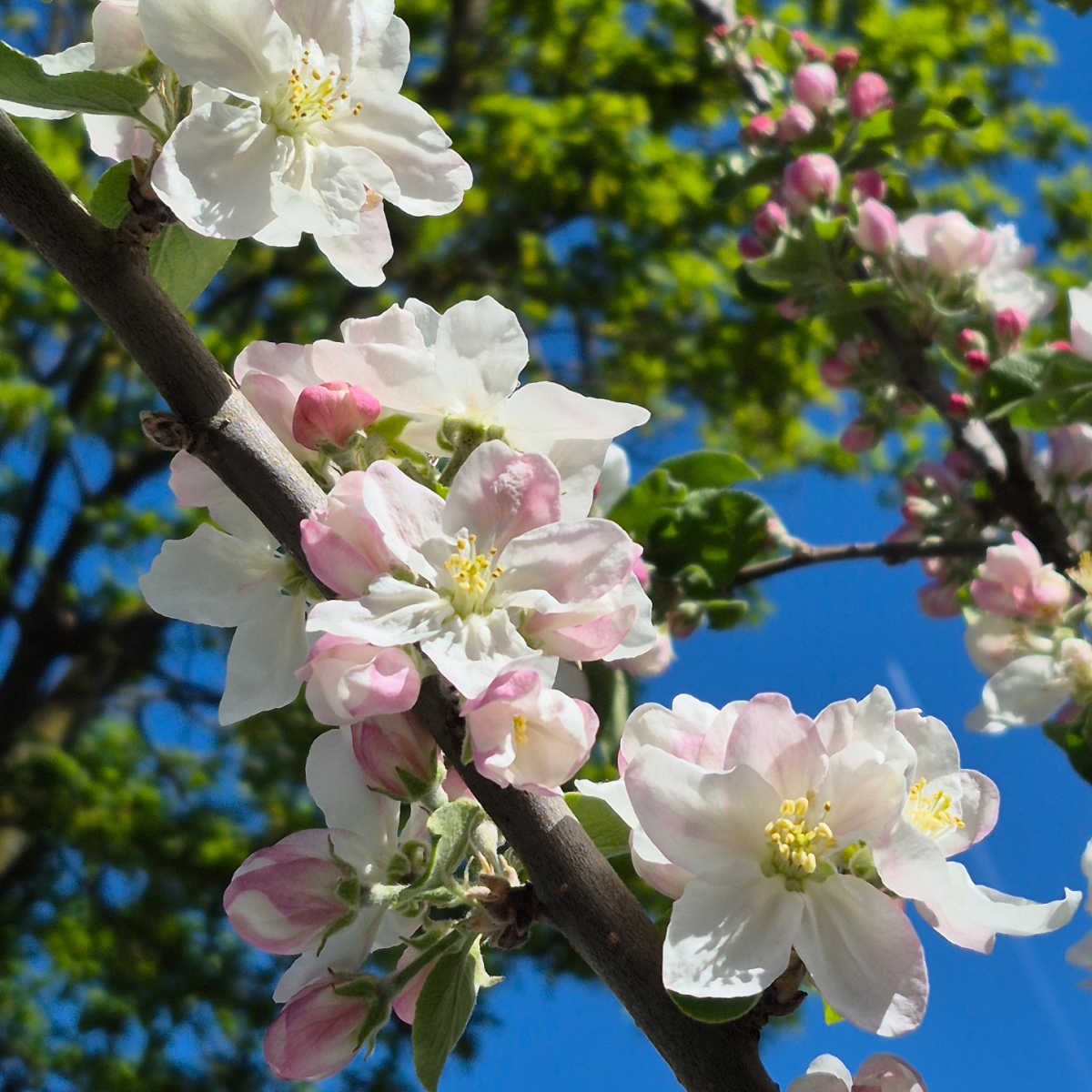
Key threats: codling moth (larvae in fruit), woolly aphid, apple scab (fungal), apple maggot fly, voles girdling trunk
- Nasturtium : specifically repels codling moth; trap crop for woolly aphid when planted in mulch ring; remove if aphid-infested before they jump to tree
- Tansy : deters codling moth, ants, beetles; aromatic oils confuse moth navigation
- Horseradish : planted at corners; root exudates reduce apple scab incidence
- Hyssop : deters pests; attracts parasitic wasps targeting apple moth caterpillars
Plum / Damson
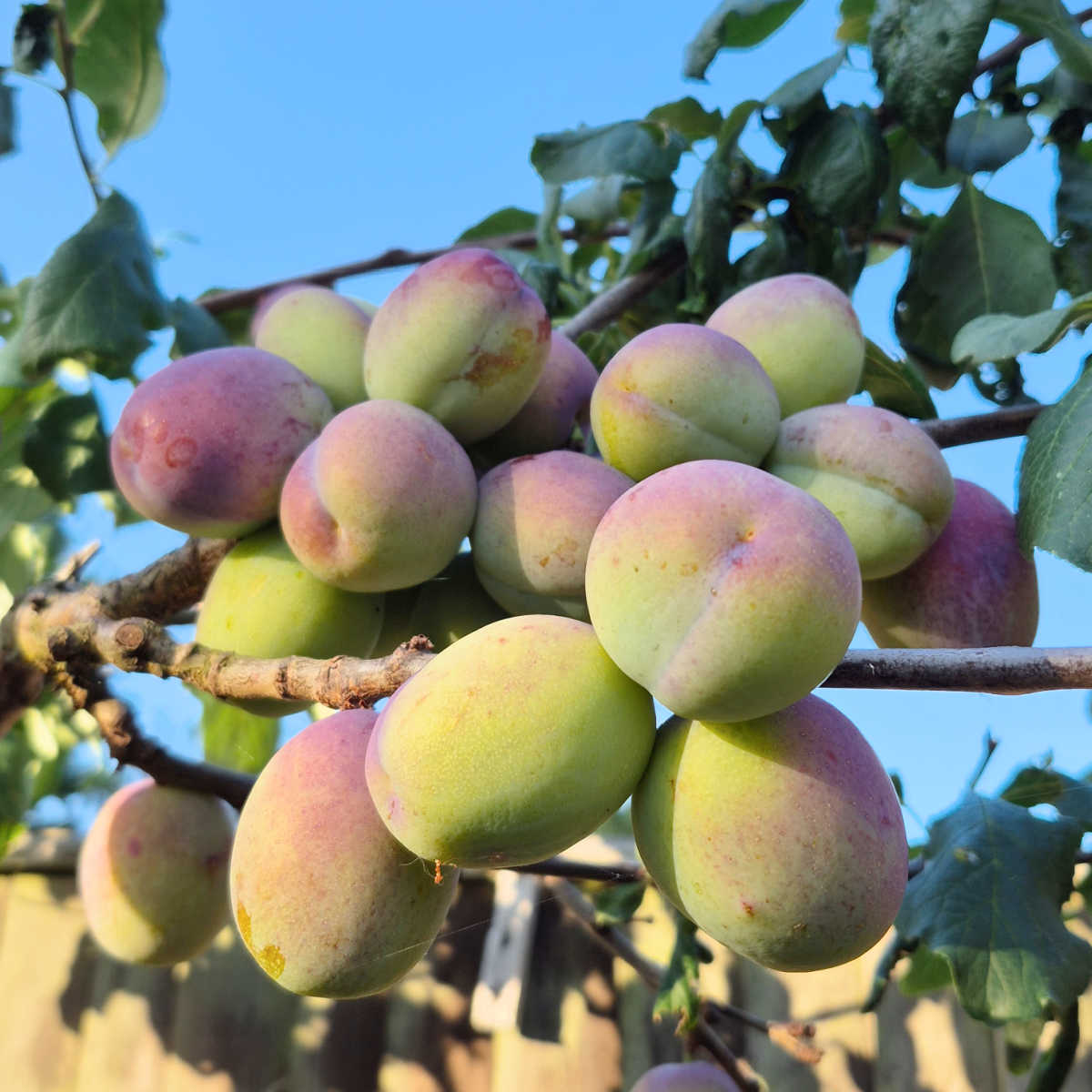
Key threats: plum moth (pink caterpillars in fruit), silver leaf disease (fungal, enters pruning wounds), brown rot, aphids, pocket plum fungus
- Tansy : deters plum moth specifically; reduces flying insect pressure
- Southernwood : (Artemisia abrotanum) — strong moth deterrent; old orchard tradition for stone fruit
- Oregano : antifungal properties help suppress brown rot spore pressure in soil; attracts pollinators
Peach
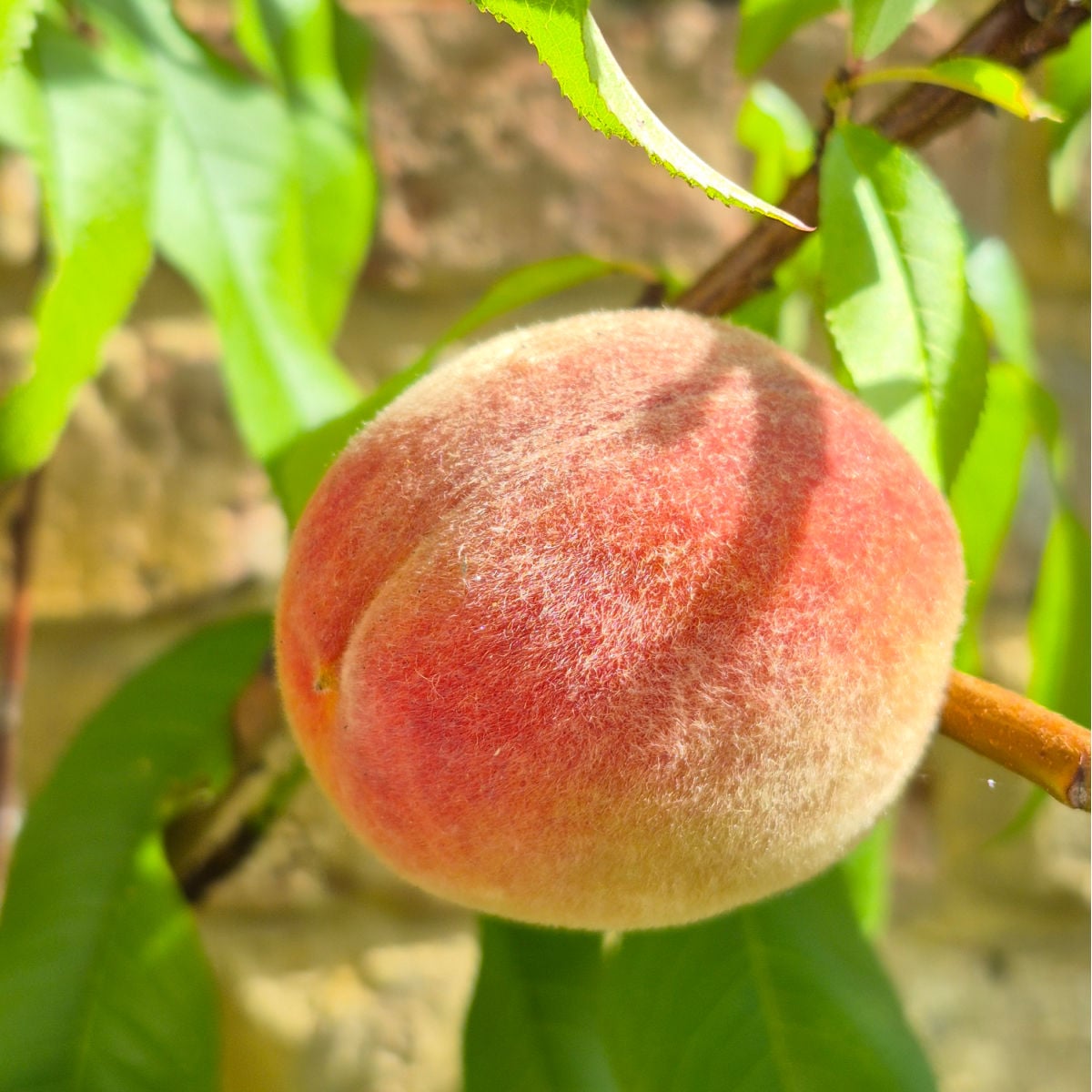
Key threats: peach tree borer (larvae kill trunk), peach twig borer, peach leaf curl (fungal), brown rot, fruit flies
- Tansy : most important specific plant; deters peach tree borer moths from laying eggs at trunk base; keep grass clear of trunk
- Basil : deters fruit flies at the tree; positioned close to base
- Asparagus : roots reported to suppress some soil pathogens; traditional pairing
- Southernwood : additional moth deterrent alongside tansy
Cherry
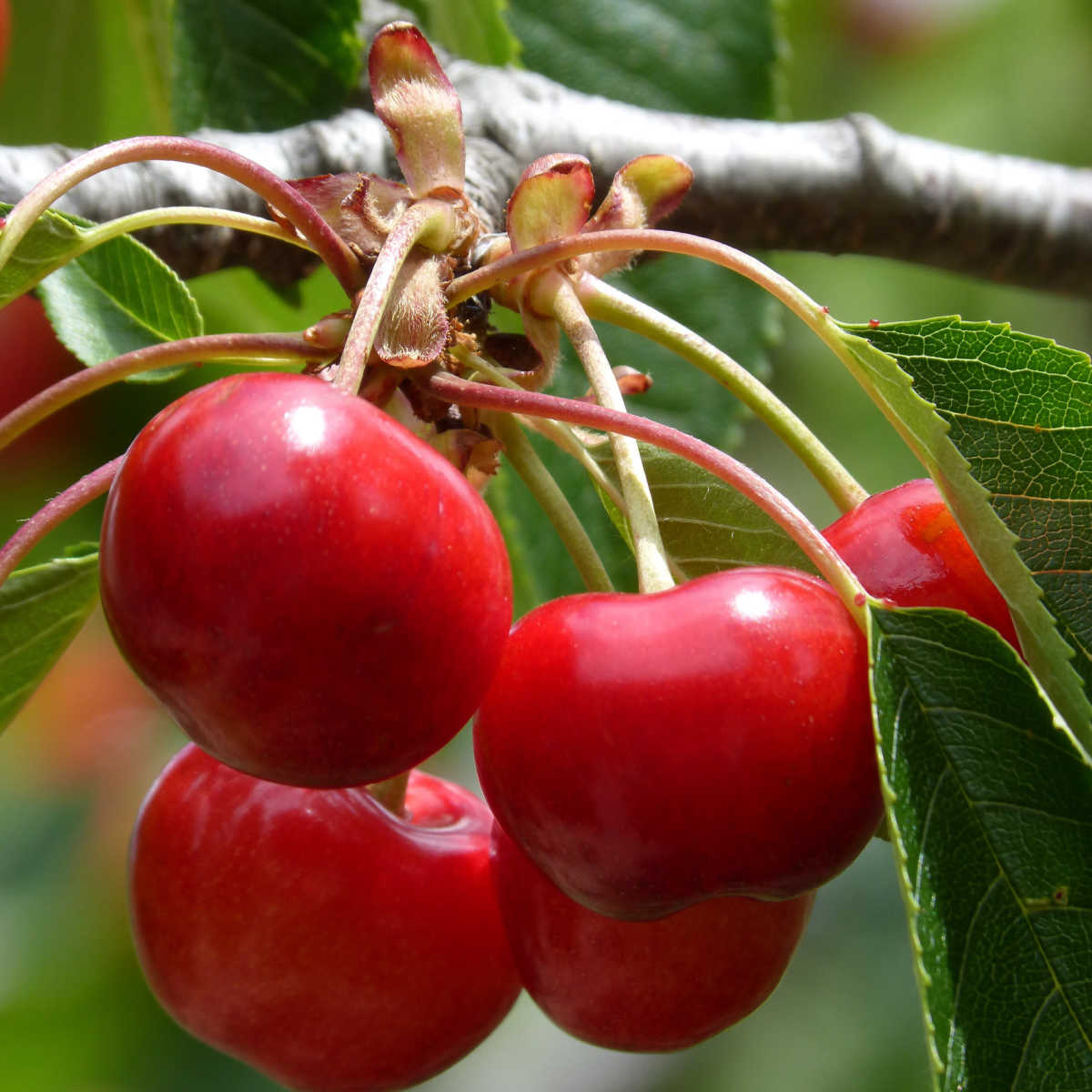
Key threats: cherry fruit fly (maggots in fruit), cherry slug (sawfly larvae strip leaves), bacterial canker, aphids, poor set in cold springs
- Tansy : deters flying insects including cherry fruit fly
- Oregano : antifungal; attracts pollinators over a long season; helps with canker spore suppression
- Pennyroyal : ground-level deterrent for cherry slug and crawling insects
- Hyssop : attracts parasitic wasps that target cherry sawfly
Apricot

Key threats: aphids, spider mites, bacterial canker, brown rot, late frost damage to early blossom
- Basil : deters aphids and spider mites; aromatic oils disrupt mite host-finding
- Nasturtium : heavy aphid trap crop; apricots particularly vulnerable to aphid colony collapse
- Oregano : anti-fungal for brown rot; extended bloom for pollinators critical given early flowering
Pear
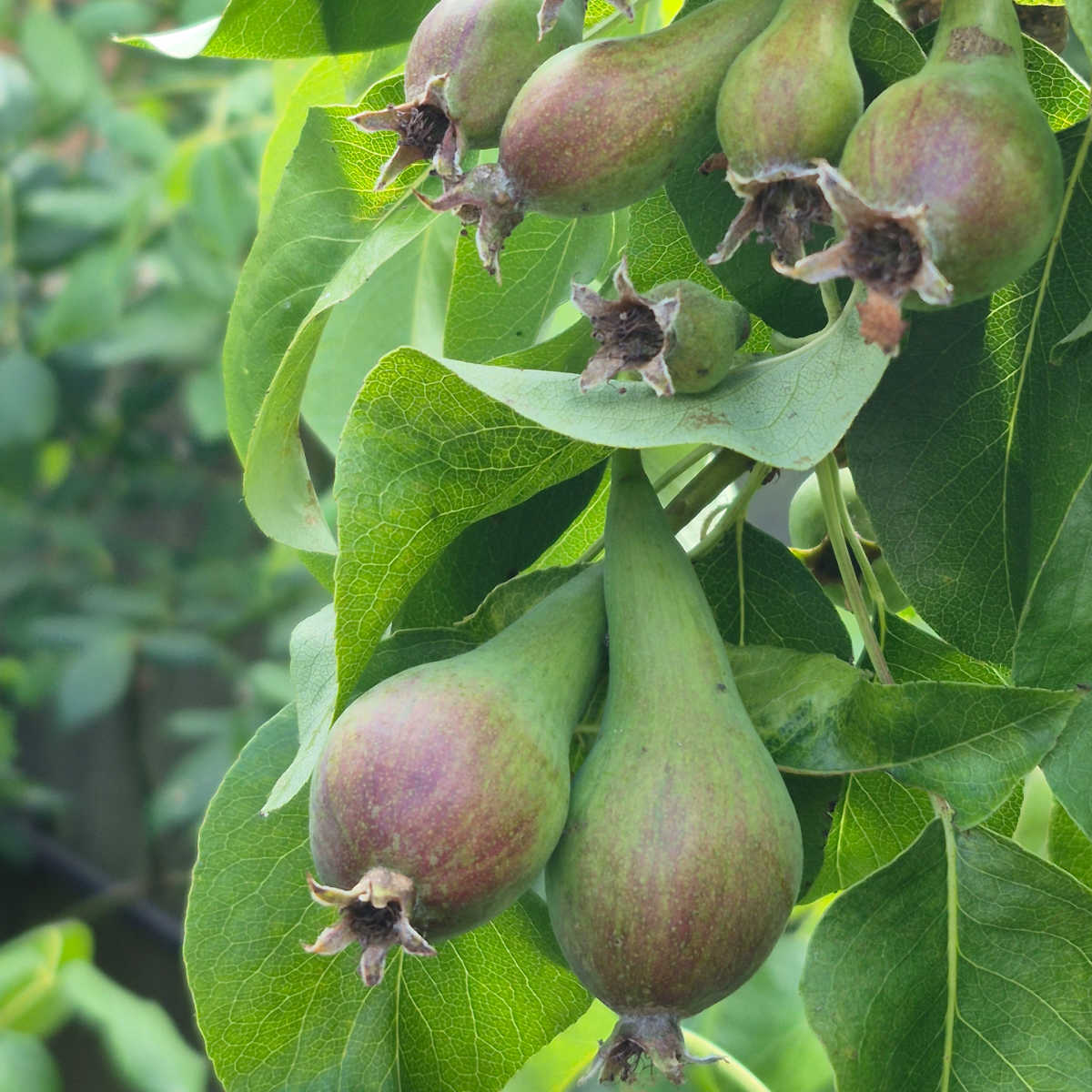
Key threats: pear psylla (sap-sucking, sooty mould), codling moth, fireblight (bacterial), aphids
- Hyssop : specifically documented to attract predatory wasps that parasitise pear psylla; also increases fruit yields
- Nasturtium : codling moth deterrent (same pest as apple)
- Catnip : extra pressure on ants that farm pear psylla colonies
Lemon
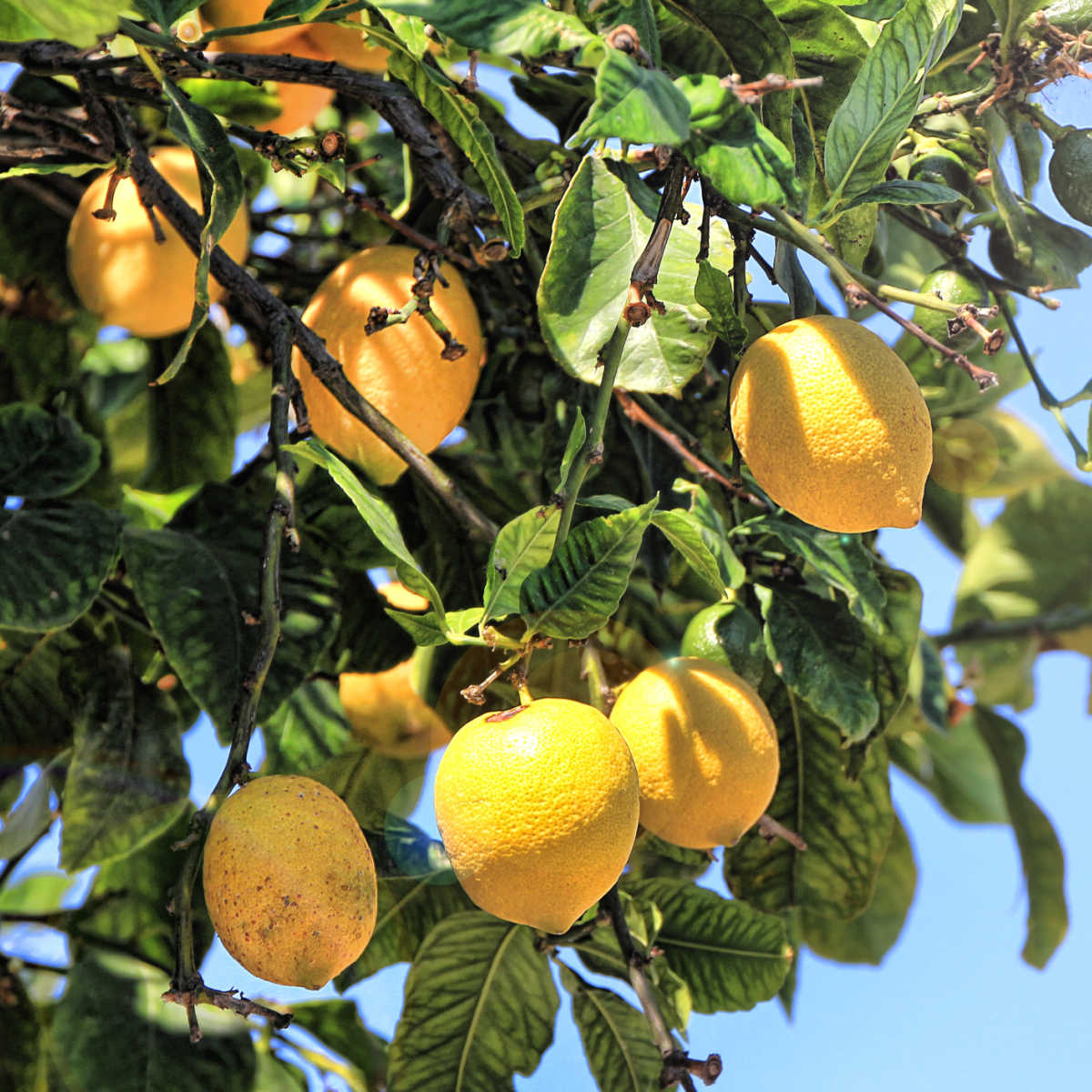
Key threats: scale insects, citrus leafminer, aphids, nematodes; hungry feeder needing constant nitrogen
- Lemon Balm : extends the pollinator season essential for citrus; attracts lacewings that eat scale
- Alfalfa : lucerne powerful nitrogen fixer suited to citrus's high demand; deep roots
- Pigeon Pea : warm-climate nitrogen fixer; windbreak; chop-and-drop mulch for feeding heavy citrus appetite
- Lemongrass : deters citrus leaf miner moth; suitable border plant in warm climates
Quince
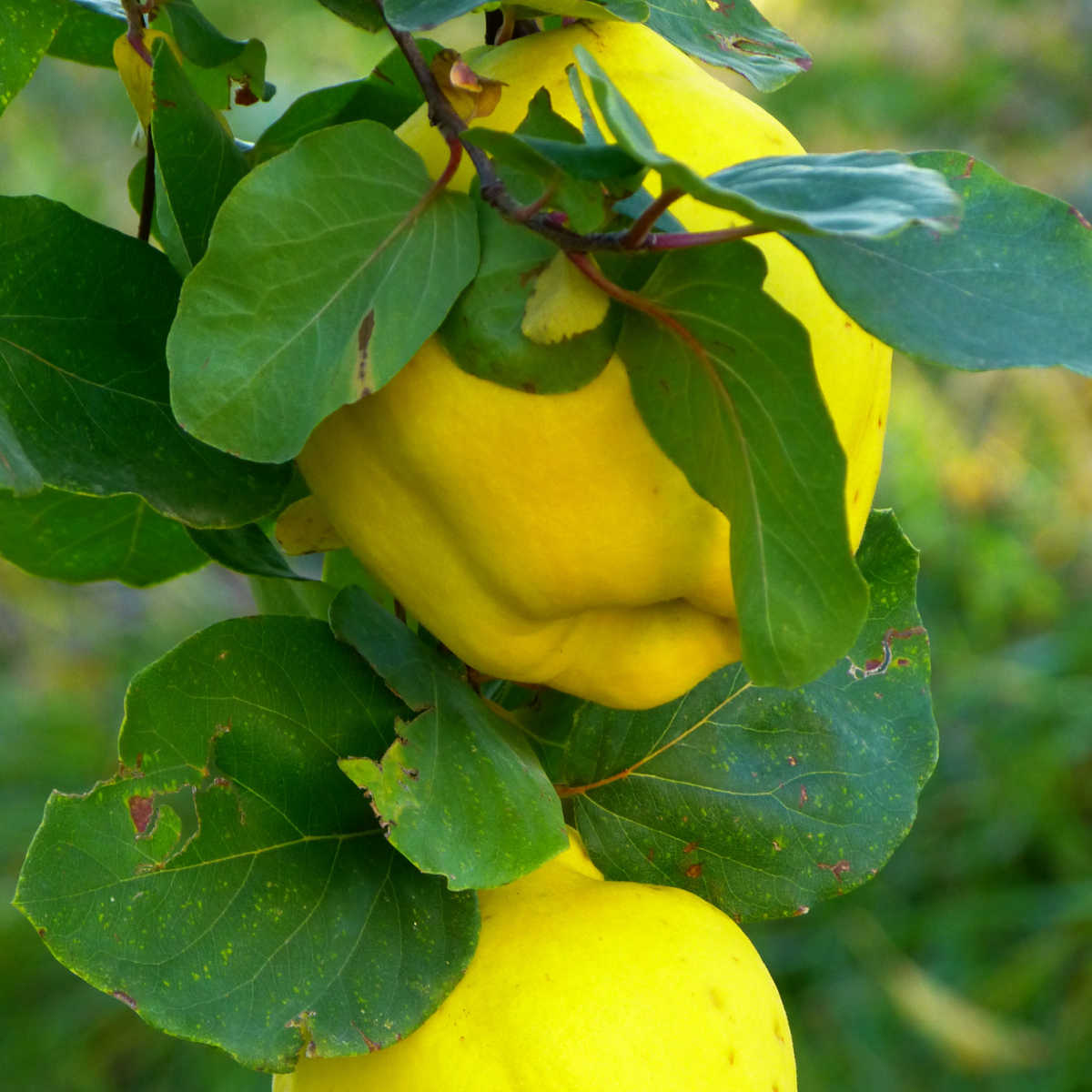
Key threats: fireblight (bacterial; same pathogen as pear), quince leaf blight, codling moth, aphids; quince and apple share many pests
- Chives : antifungal sulphur compounds specifically useful against quince leaf blight and fireblight pressure
- Hyssop : parasitic wasp attractor relevant to codling moth (shared with apple/pear)
- Garlic : antimicrobial soil effect helps reduce fireblight bacteria in surrounding environment
Fig
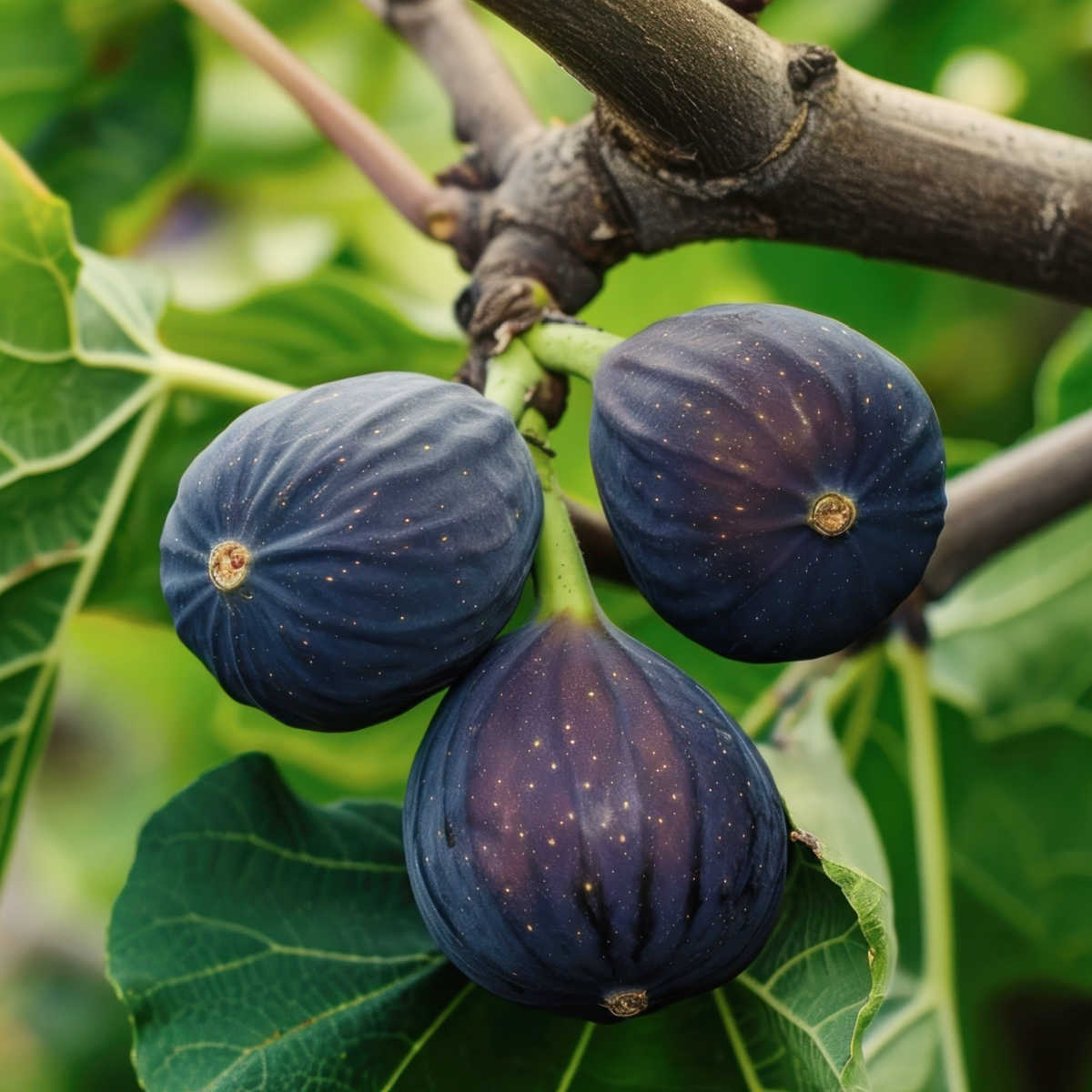
Key threats: fig mosaic virus (spread by fig mite), scale insects, ants farming honeydew pests; relatively robust overall
- Stinging Nettle : supports high diversity of beneficial insects; accumulates iron and silica
- Lemon Balm : repels fig mite and general mites; attracts lacewings
- Rue : traditional strong fig companion; general insect deterrent; deters ants
Mulberry
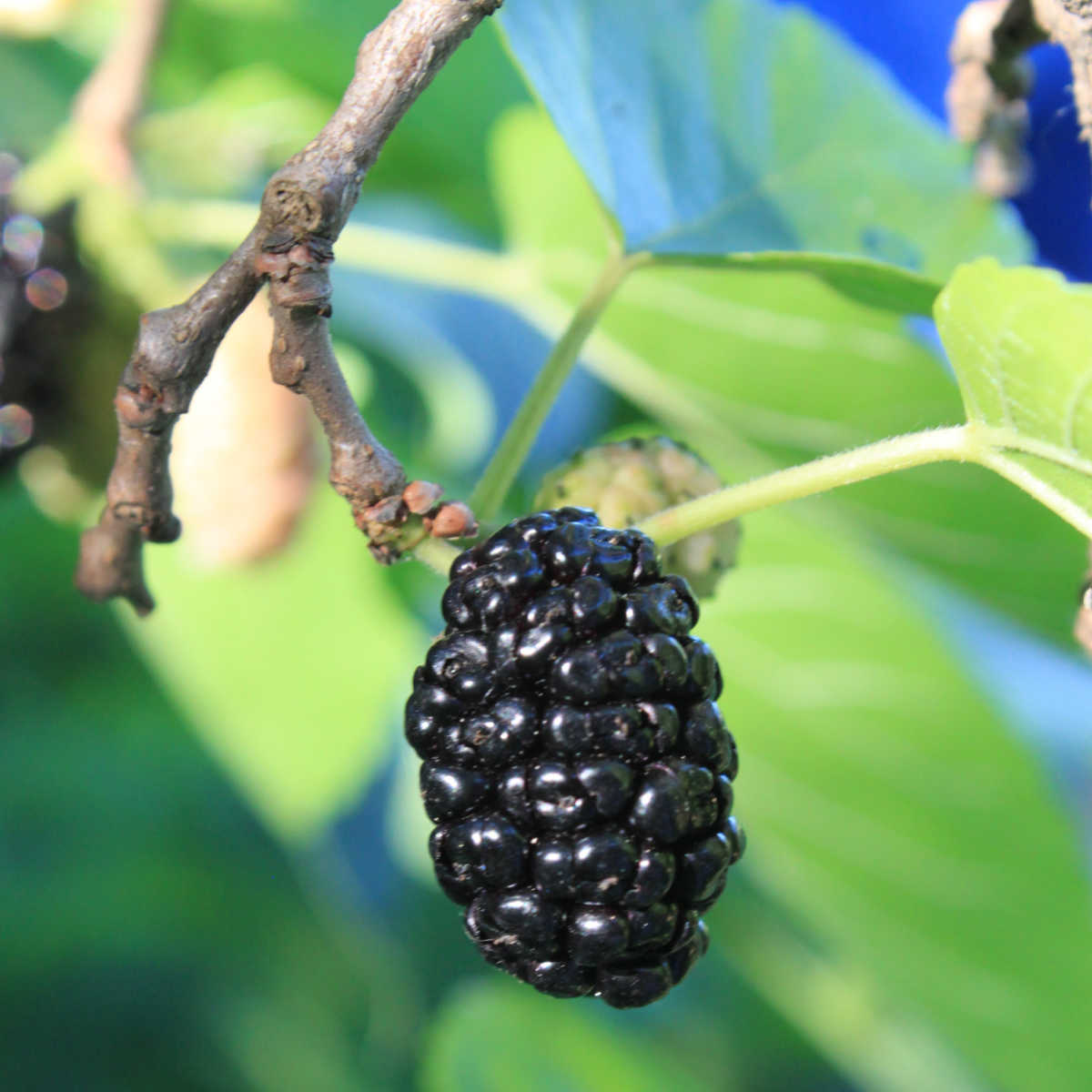
Key threats: powdery mildew, bacterial blight, leaf spot fungi, sooty canker on branches, scale insects, aphids, stem borers; one of the most robust and trouble-resistant orchard trees overall
- Lemon Balm : attracts lacewings which control scale insects, tolerates partial shade under mature canopy well.
- Rue : deters ants that farm aphid and scale colonies on branches.
- Sweet Woodruff : exceptionally shade tolerant ground cover thriving under mature mulberry canopy where most guild plants struggle.
And there you go, fruit tree guild plant lists to help your backyard fruit trees thrive.
If your fruit trees are flourishing do check out all these delicious recipes for making the most of your harvest :
For more simple organic gardening tips do follow me on Pinterest.
Original images under Creative Commons : Woodruff
Growing Zucchini Easily


Weekend Breaks In Holland By Eurostar
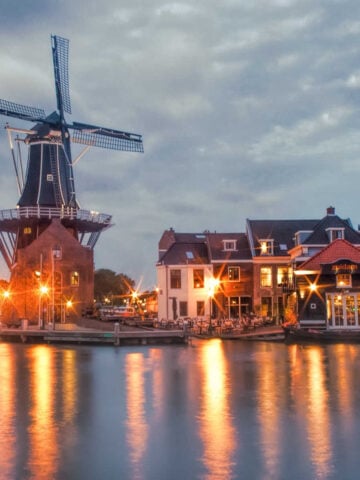
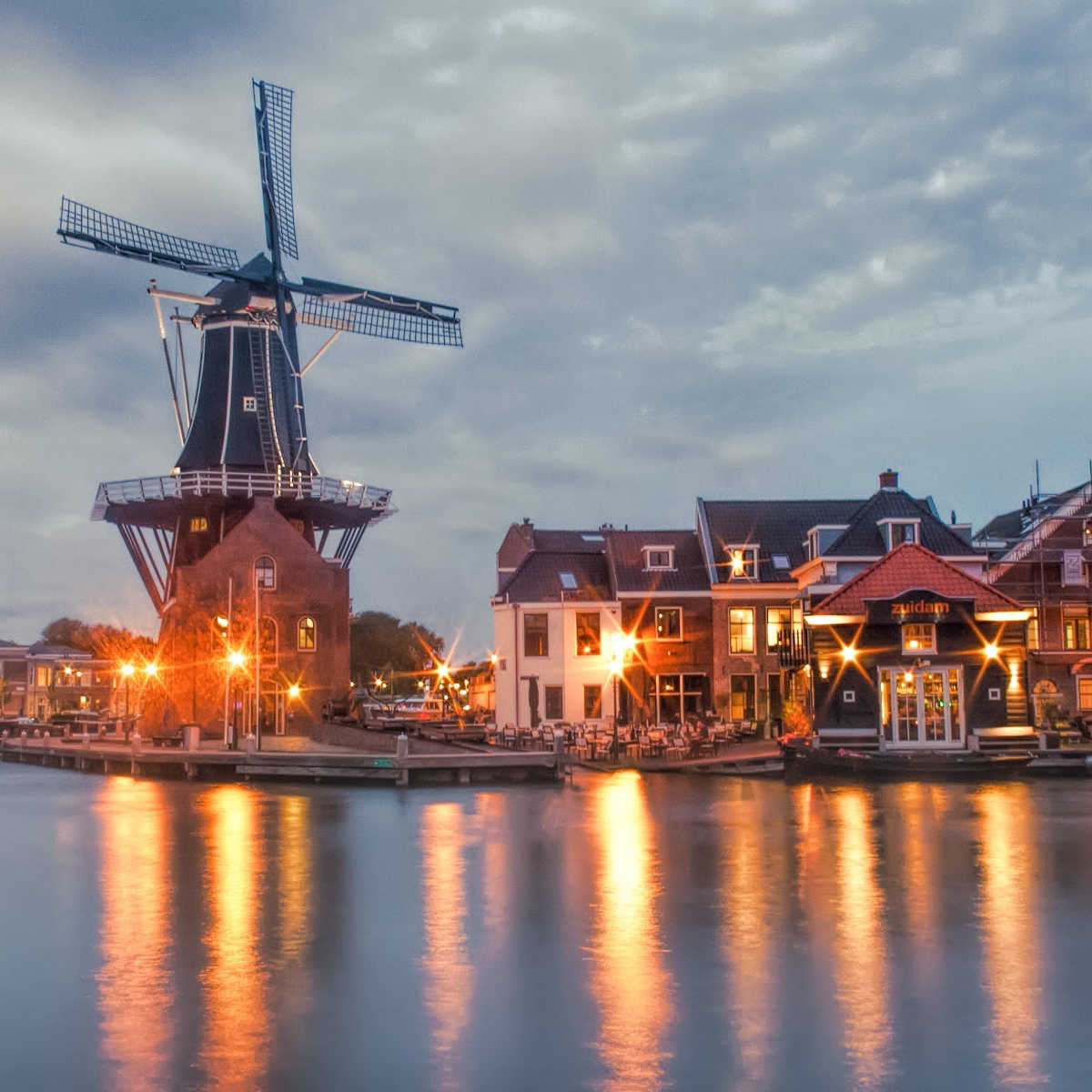
Weekend breaks in Holland by Eurostar are a great option if you are looking for flight-free mini breaks in Europe.
And we're not talking here about Amsterdam but rather all the lovely small cities and towns you can reach easily by train in the Netherlands.
So if you are looking for a flight-free weekend away from the UK or want to explore Holland on a longer European train trip do check out this guide.
Table of Contents
Super Stylish Rotterdam
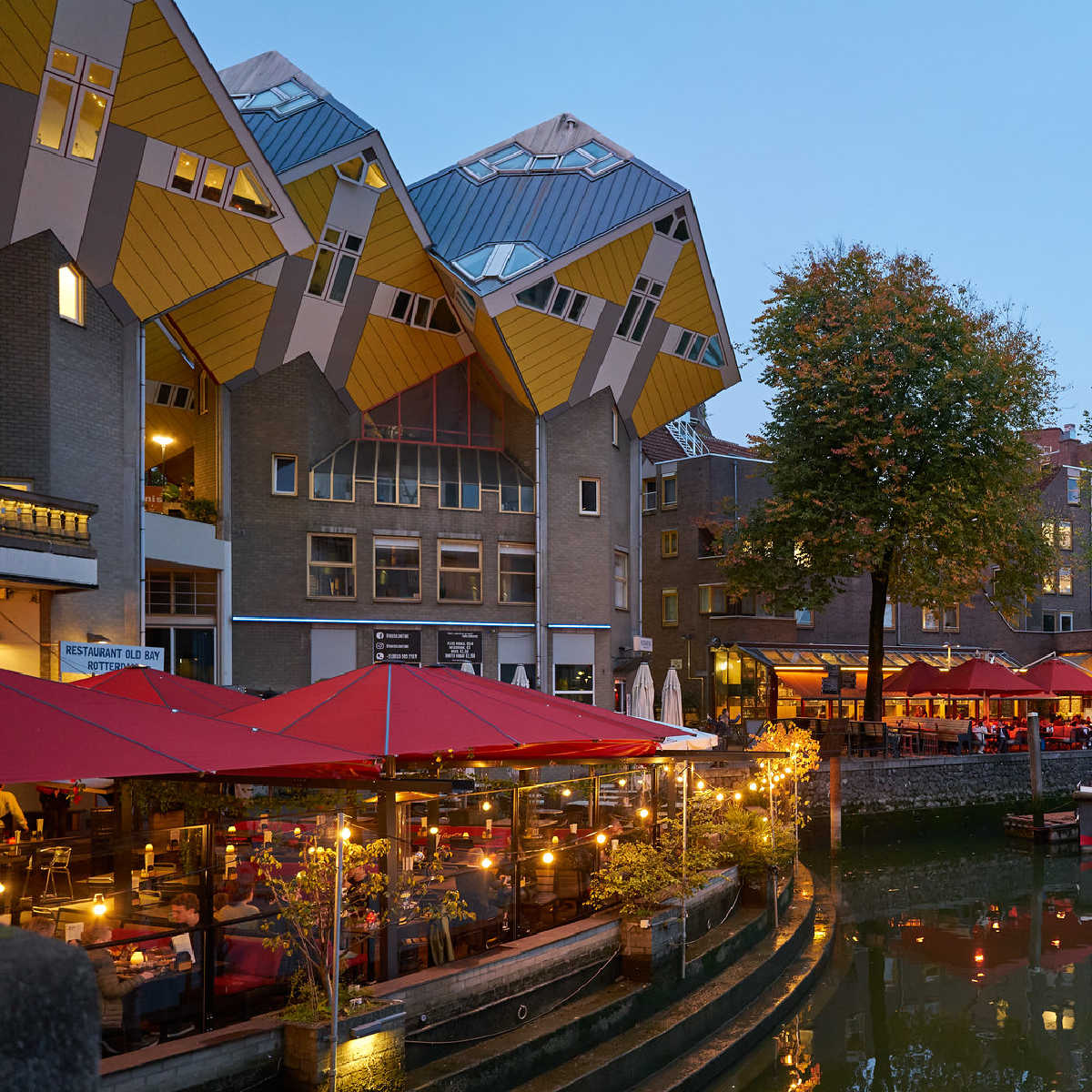
Regenerated Rotterdam is strikingly stylish and it is the gateway to mini-breaks in Holland. It is 45 minutes closer than Amsterdam - and the first Eurostar out gets you there for 10.30.
The old port city offers cool design hotels and some of Europe's most innovative modern architecture - such as the Kijk-Kubus houses and Markethal - PLUS world quality art museums including :
- Boijmans : from Rembrandt and Dutch old masters to Dali.
- Kunsthal : multiple constantly cycling exhibitions of modern art, photography and design.
For children there is a zoo & aquarium and an outdoor Maritime Museum. There's also boat trips galore - you can even stay on an old barge - and if you're there for a long weekend you could take a boat bus down to the World Heritage windmills at Kinderdijk
Rotterdam offers an easy interchange from the Eurostar to trains across Holland and the gems of Delft, Den Haag and Leiden are under 30 minutes away.
Pottering In Delft
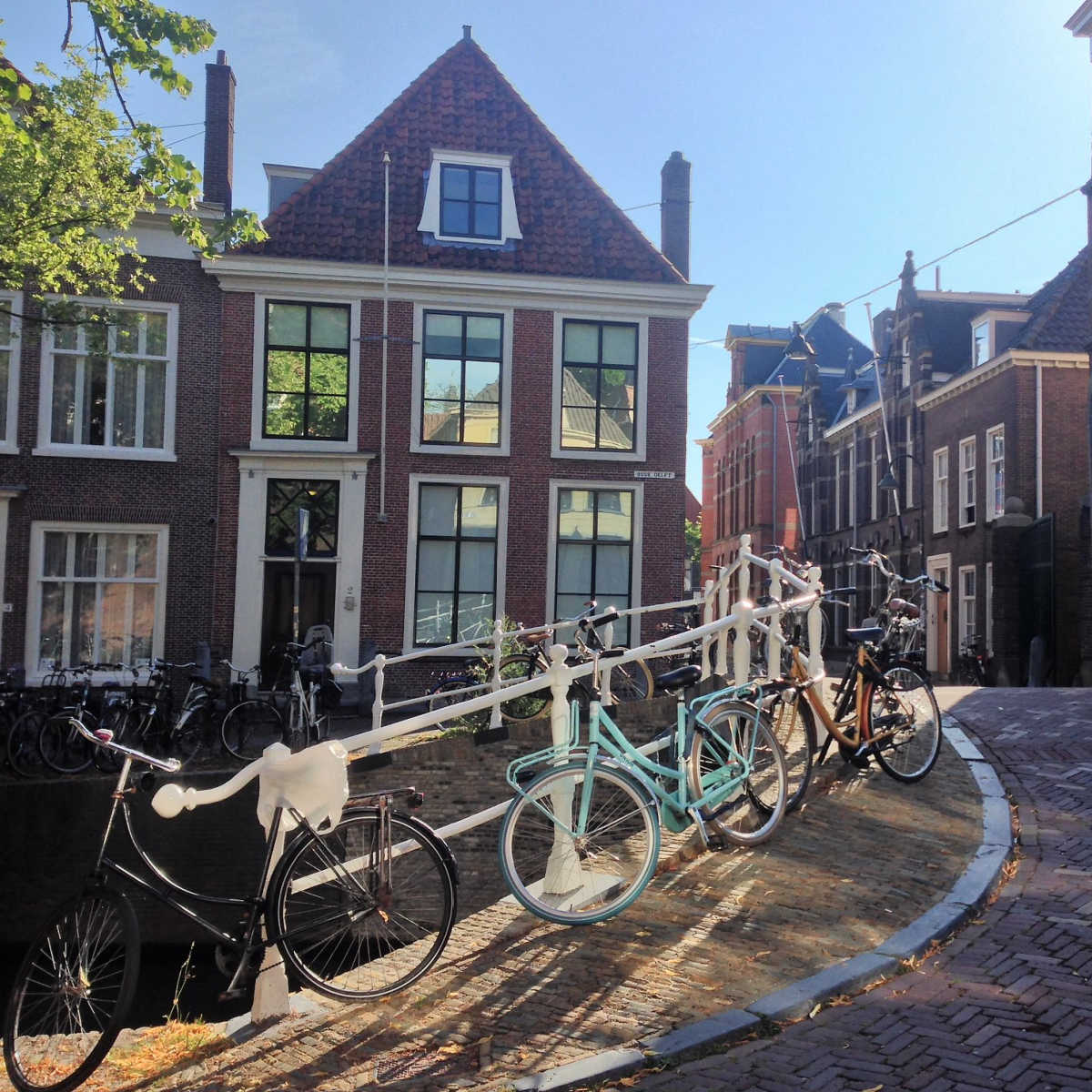
The birthplace of Vermeer and famous worldwide for its blue and white pottery, pretty Delft is just 10 minutes on the train from Rotterdam.
You can explore Vermeer's life at the Vermeer Centre and see Delftware being painted by hand in the 350 year old Royal Delft pottery. The Paul Tetar van Elfen museum is a little gem rather like the John Soanes in London.
But Delft is really about slowing down to enjoy a weekend away from the rush whilst watching the world go by at canal side restaurants. If you must tick off more sites, nip on the train to nearby Den Haag or Leiden.
High Art In Den Haag

Just 20 minutes from Rotterdam, Den Haag has grand old buildings and multiple world class museums centred around the Hofvijver ponds.
You can culture binge at :
- Mauritshuis : Golden Age artists including Rembrandt & Vermeer.
- Kuntsmuseum : C20th art such Picasso, Van Gogh & the world's largest collection of Mondrians.
- Het Palais : leading graphic artists including Maurits Cornelis Escher.
There's also the beautiful new Voorlinden modern art museum, a cycle ride away. But if you do overdose on art you can escape to Den Haag's very own beach and funfair a quick tram ride away at Scheveningen.
Lovely Leiden & The Tulips

Leiden - Rembrandt's birth place - is one of Holland's loveliest towns. Strolling by the canals is a pleasure in itself but there's also old masters - including Rembrandt - to see at :
Plus an award winning Science Museum and one of the world's biggest natural history collections to see. And that's all before we get to the tulips.
For Leiden is also the best base for visiting the world famous flower gardens at Keukenhoef, which you can reach by bus and bike.
Leiden is 35 minutes by train from Rotterdam and just 20 from Den Haag and Delft so is easy to combine with these on a longer weekend break.
Eindhoven Design
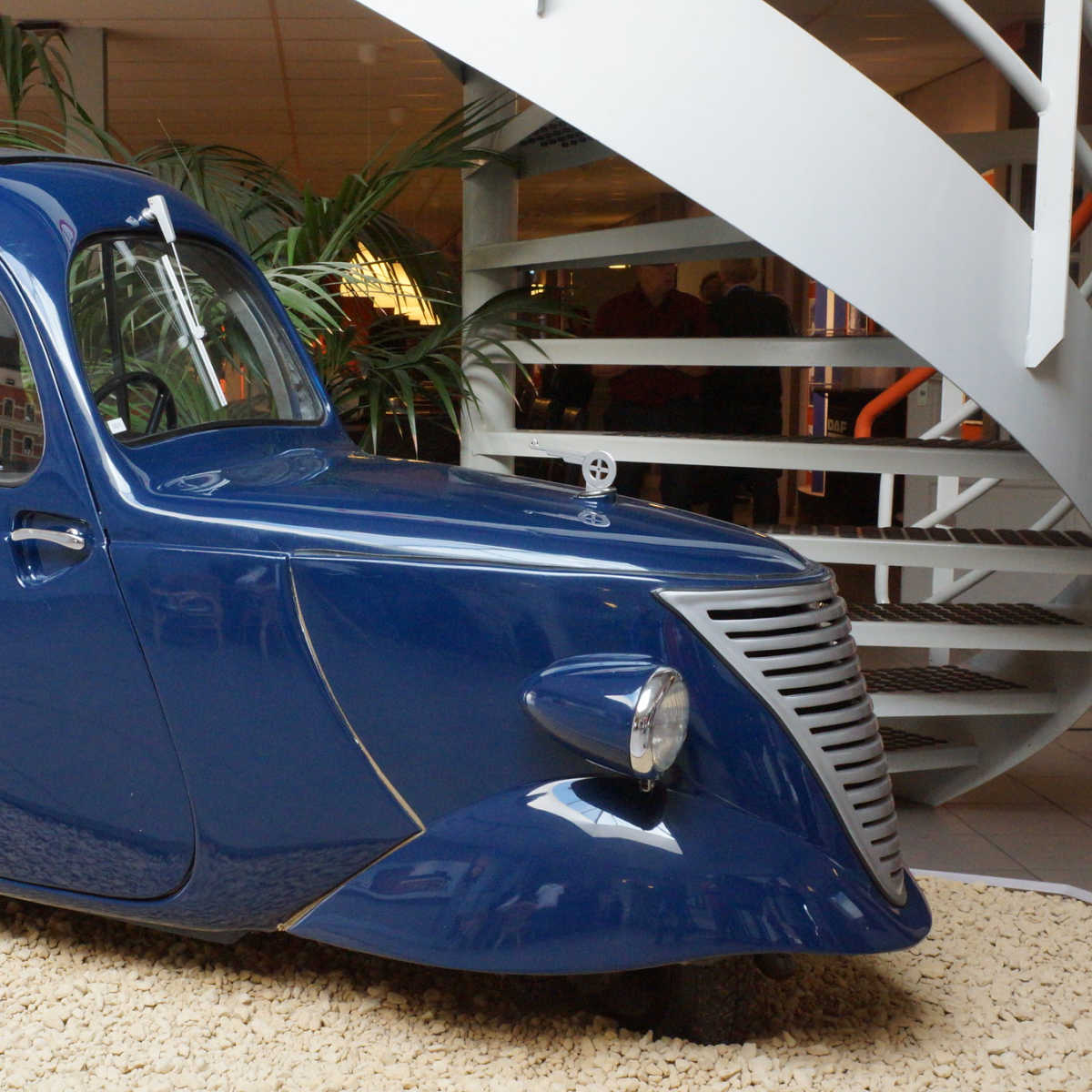
Eindhoven is one of Holland's uber-modern rather than pretty-pretty cities but if design and modern art are your thing, it's a cool place with some stylish hotels for a weekend break by train.
The Phillips and DAF design museums and Van Abbe Museum of Modern Art (Picasso, Kandinsky & more) are all an easy stroll from the station which is an hour south of Rotterdam.
Cycling Around Middleburg
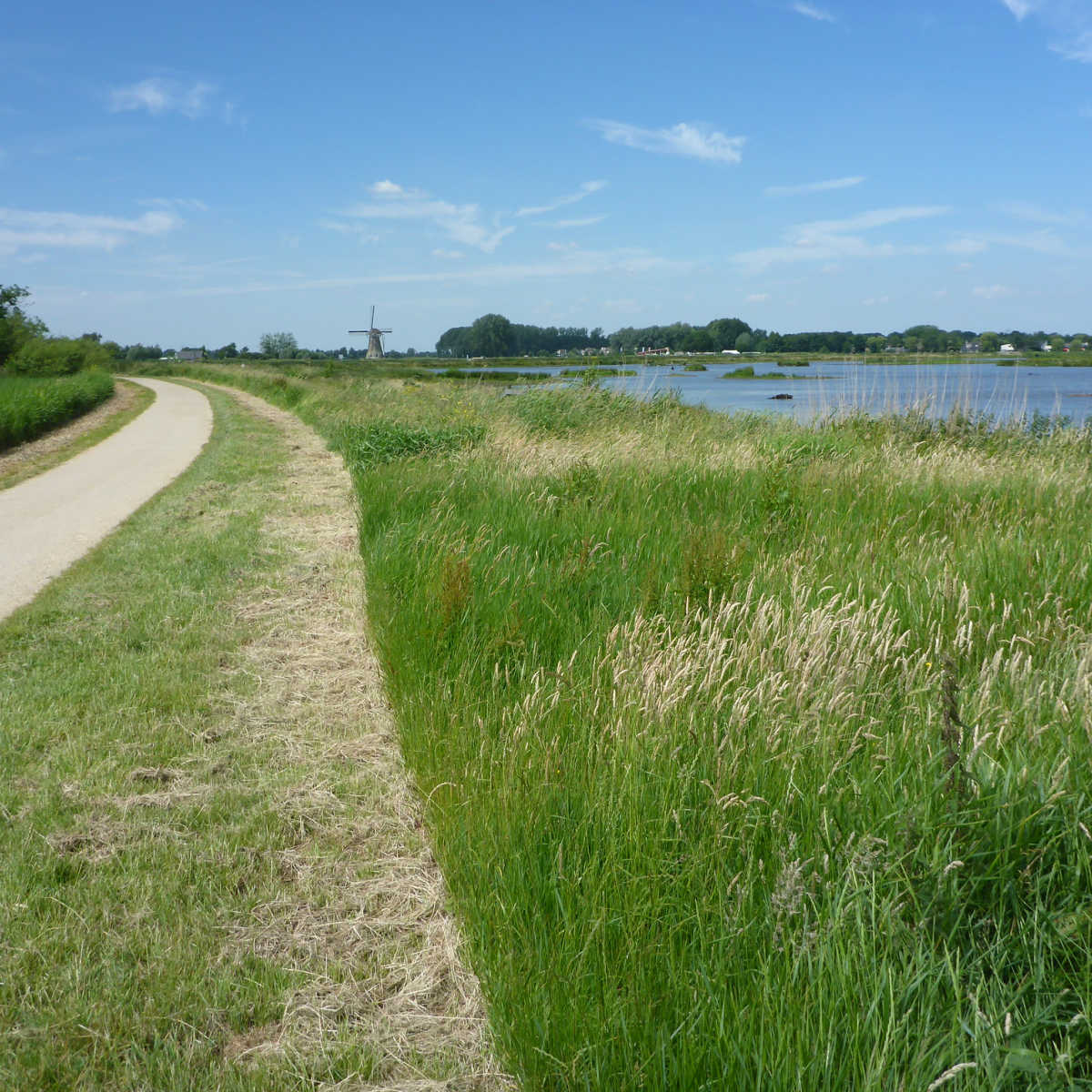
Tucked away on the Zeeland peninsula, little known Middleburg is a wonderful weekend spot for exploring the Dutch coast and its dikes by bike.
It has some lovely but affordable boutique hotels and restaurants among its cobbled streets and coastal villages such as Domburg, Westkapelle and Veere are 30 minutes away by bike.
Check out the Zeeland tourist board for beaches, local museums, Michelin restaurants and nature reserves you can cycle across along dikes. You can even ride out to one of the 7 wonders of the modern world: the huge delta works that have kept Holland safe since the great flood of 1953.
Fine Food In Zwolle
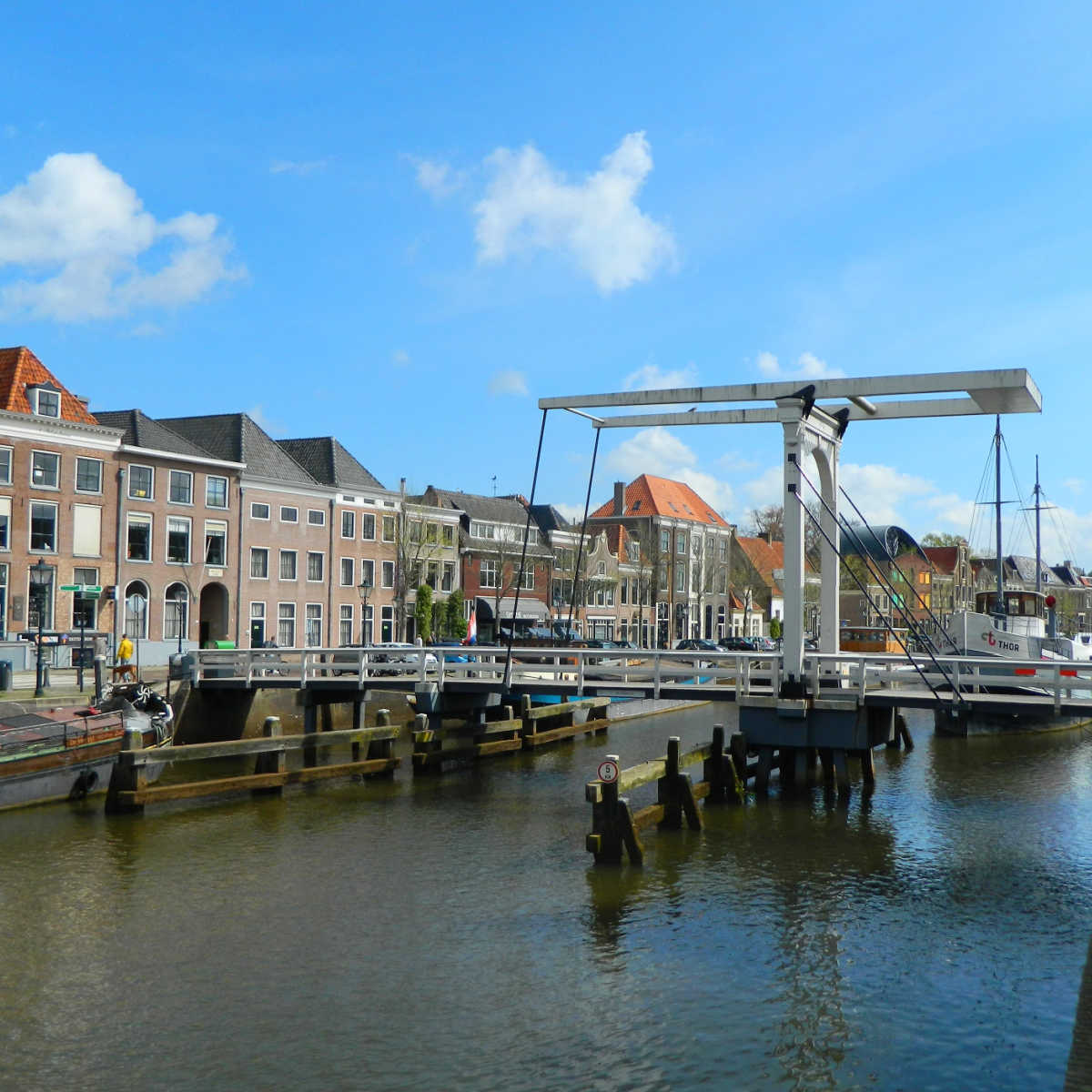
The old Hanseatic port of Zwolle takes you away from the tourist crowds of Amsterdam but has one of the world's very best restaurants with rooms, De Librije plus a cool art museum, de Fundatie, with works by Van Gogh, Chagall, Mondrian & Bernini.
When you've eaten your fill at De Librije you can cycle it off riding up the river Ijssel towpath see the pretty Hanseatic towns of Hattem, Hanselt & Kampem.
Zwolle is 90 minutes on from Rotterdam up towards the German border so better for a longer weekend.
Dordrecht Wetlands & Windmills

Dordrecht is a pleasant if not the prettiest of Holland's canal towns but offers something completely different for families and nature lovers as the gateway to Biesbosch national park.
Biesbosch is one of the last freshwater tidal wetlands in northern Europe and home to beavers and sea eagles. Accessible from Dordrecht by boat, bike and bus you can cross the park by canoe and sleep in eco lodges on the water.
Dordrecht is 25 minutes on the train - or 30 minutes by boat bus - from Rotterdam, Dordrecht is also a good place from which to visit the Kinderdijk windmills by water bus.
Jazz In Breda

Breda is another small Dutch city less than 30 minutes by train from Rotterdam. There are no knock out museums but it is bursting with canal side restaurants and bars and is host every May to one of the world's oldest and largest jazz festivals.
Frans Hals in Haarlem
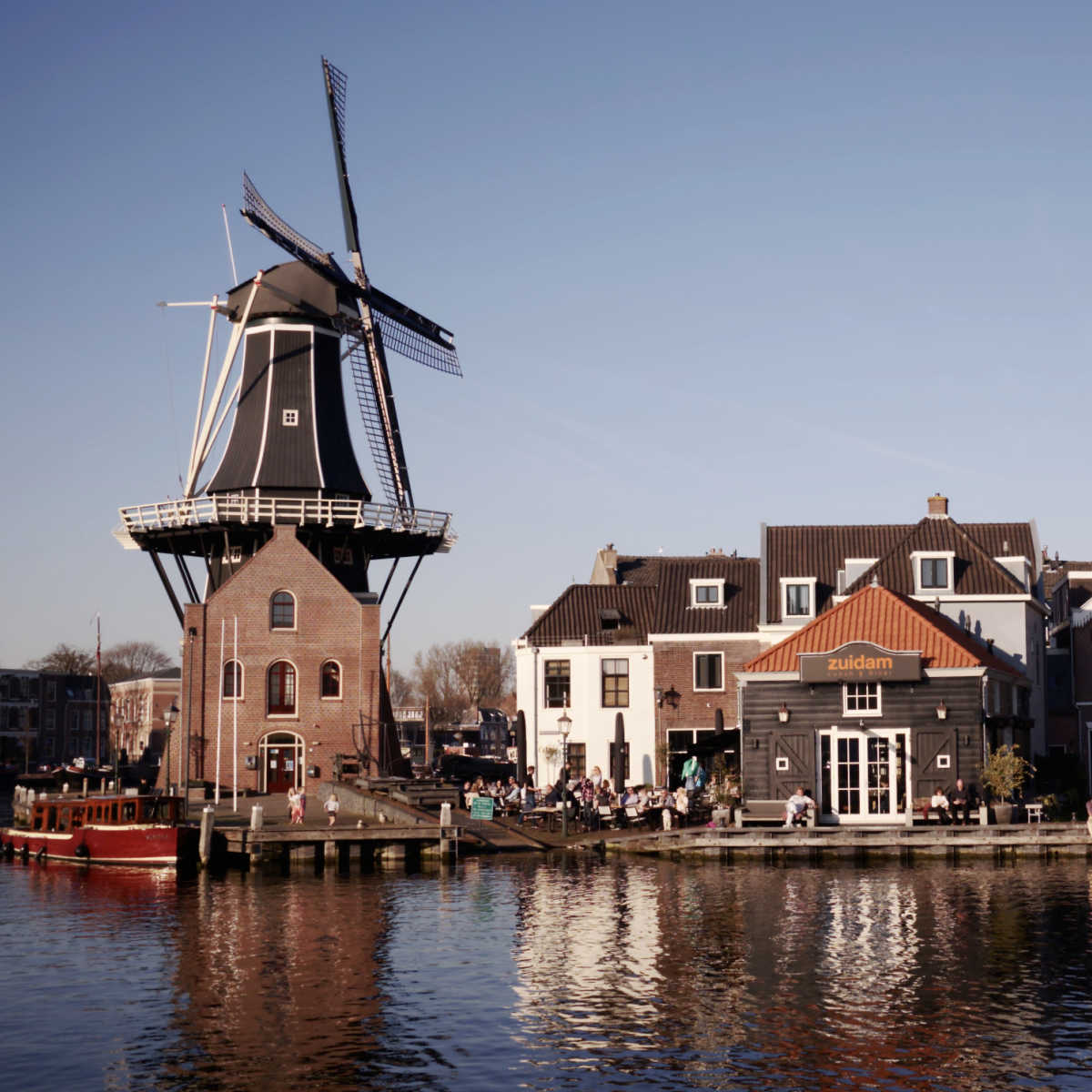
Just west of Amsterdam, Haarlem is a lovely canal side town with a good museum dedicated to native son Frans Hals and the characterful Teylers Museum which is Holland's oldest.
Haarlem is also a relaxing and more affordable base for exploring Amsterdam (15 mins by train), Leiden (20 mins) or the pretty cheese market town of Alkmaar (40 mins). You can also cycle in less than 30 minutes through dunes to Bloemendaal beach.
And there you go, 10 wonderful weekends in Holland by Eurostar that aren't Amsterdam. Enjoy.
For more ideas for flight-free travel in Europe do check out my guides to Weekend Breaks In France By Train and European Sleeper Trains.
Original image sources under Creative Commons : Zaanse Schans. cheese market, Rotterdam, Keukenhof, Mauritshuis, windmill at dusk, Delft canal, Delft bridge, Biescbosch, Eindhoven, Zwolle, Middleburg, Jazz Festival Breda, Haarlem, Dutch Landscape, Leiden
Organic Gardening Tips For Beginners
- « Previous Page
- 1
- 2
- 3
- 4
- …
- 48
- Next Page »