



Vitamin D deficiency is a huge deal for our health and increasingly common. But super supplements and vitamin D rich food may not solve the problem.
This is because we process vitamin D from sunlight and food differently. But also because low vitamin D is - for most of us - a big sign of daylight deficiency. We won't enjoy the benefits of vitamin D without fixing that first!
I learned this the hard way from many years of chronic vitamin D deficiency so in this post I've gathered together everything I learned about :
- Super surprising symptoms.
- Vulnerable groups.
- Why we need sunshine.
- Big risks of supplements.
I'll explain step-by-step the latest thinking on how vitamin D works but use the index to dive into your interests.
This is not medical advice. Always seek qualified medical advice for ongoing symptoms of ill health.
Table of Contents
Low Vitamin D Symptoms

Low vitamin D levels are a big risk factor for a surprising number of big health problems :
- Erratic Immune System
- Weak Teeth
- Brittle Bones
- Psoriasis
- Obesity
- Diabetes Risk
- Gut Issues
- Autoimmune Conditions
- Low Mood
- Blood Vessel Inflammation
- Dandruff, Itchy Scalp & Cradle Cap
That doesn't mean vitamin D deficiency is the only or primary cause of all these issues but it plays a critical role that amplifies other lifestyle risks.
Erratic Immune System
Vitamin D helps our immune system respond efficiently without excess inflammation. If we're short our body over reacts to minor infections with exaggerated fevers and swollen glands.
Weak Teeth
Vitamin D is critical for the calcium mineralisation of strong teeth enamel and dentin in growing kids and teens.
Brittle Bones
Healthy vitamin D levels protect our bones from brittleness and breakages especially post-menopause as we age.
Psoriasis
Healthy vitamin D levels help to slow the hyper-proliferation of skin cells that happens in psoriasis and calm the auto-immune activity that trigger psoriasis flare ups in the first place.
Obesity
Low Vitamin D levels can make our body more prone to gain weight. When levels are low, our bodies will often store more fat, feel hungrier and struggle to burn calories efficiently.
Diabetes Risk
Low vitamin D levels are linked to impaired insulin sensitivity in Type 2 diabetes and increased autoimmune risk for Type 1 diabetes.
Gut Issues
Surprisingly there are abundant vitamin D receptors in our gut lining that maintain the integrity of our gut barrier and the balance of our microbiome.
Low vitamin D levels can contribute to all sorts of gut problems including gastritis, IBS & SIBO, cystitis, candida and even acid reflux.
Autoimmune Conditions
Vitamin D helps immune cells distinguish between "ourself" and "non-self". With low levels of Vitamin D our own cells are at increased risk of "friendly fire" from our immune system. Auto-immune conditions closely associated with low vitamin D include Multiple Sclerosis, Rheumatoid Arthritis, Lupus and Crohn's disease.
Low Mood
Vitamin D helps to activate serotonin production in daylight hours supporting mood and focus. Low levels of vitamin D are a risk factor for depression.
Blood Vessel Inflammation
Vitamin D helps prevent blood vessel inflammation by balancing our immune system. Inflamed blood vessels can increase our risk of heart disease.
Dandruff, Itchy Scalp & Cradle Cap
Vitamin D helps to gently control the Malassezia yeast on our scalp that causes dandruff, itchy scalp and cradle cap and prevents inflammation.
If you are struggling with any of these it is worth getting your vitamin D tested.
Groups At Risk

We often think vitamin D deficiency is just an issue for people in grey, soggy places with long winters like Britain and Ireland plus northern USA states.
But traditionally people in Northern Europe weren't low on vitamin D and D deficiency is now a big issue in plenty of places with lots of sunshine!
So lots of the risk factors for vitamin D deficiency nowadays are not about where we live but about how we live. All over the world key groups at risk of vitamin D deficiency are :
- People who stay inside lots.
- People who wear suncream daily whatever the weather.
- People who always cover skin.
- People in urban areas that suffer from high air pollution.
- People who do night work.
- People on very low fat diets.
However, we are at higher risk of low vitamin D if in addition we have :
- Dark skin in northern countries with weaker sunshine
- Pale skin in countries with strong sunshine that burns pale skin.
Don't assume your vitamin D levels are fine if you live in a sunny climate.
Vitamin D From Sunlight

Traditionally, most of our Vitamin D came from UVB rays in sunlight.
When UVB light hits bare skin, it converts a cholesterol naturally present in our skin into vitamin D₃. This happens fastest when:
- Sun is high in the sky
- Our shadow is shorter than us
- UVB levels are strong.
But fair skin can create vitamin D₃ from weaker UVB rays when the sun is lower in the sky and very fair skin can even create vitamin D on cloudy days!
Darker skin is protected from strong UVB damage but struggles to absorb enough UVB from low weak light in northern latitudes to create vitamin D.
Most vitamin D from sunlight is used and stored long term in the subcutaneous layer of fat beneath our skin. The rest is processed by our liver and kidneys for instant use or stored in visceral fat around our organs.
Some scientists claim storage under our skin is critical as it provides an easily activated pool of vitamin D that :
- Strengthens our skin barrier
- Prevents hyper inflammatory skin conditions like psoriasis
- Stimulates anti-microbial peptides that protect skin from pathogens
- Triggers treg cells that help calm our immune system
- Directly fuels the t-cells on which our immune system depends.
So vitamin D from sunlight plays a critical role in protecting our skin and managing our overall immune system.
Vitamin D Rich Food

Certain food is rich in vitamin D and a very helpful way to top up vitamin D supplies when we are short on sunshine in winter.
Key vitamin D rich foods include :
- Wild Salmon
- Herring
- Mackerel
- Sardines
- Anchovies
- Egg Yolks (not battery raised)
- Butter & Lard
- Mushrooms
- Dripping & Suet
- Liver & Organ Meat
- Wild Duck
- Pheasant
- Partridge
- Grouse
- Venison
- Rabbit
- Pork
- Free Range Poultry
A helping of oily fish can give us our daily minimum dose of vitamin D but eating oily fish more than twice a week has risk, so is not an everyday answer. On other days we can get 20-50% of what we need from a combination of:
- Eggs
- Animals fats
- Meat rich in D.
So vitamin D rich food is very valuable in winter but it can't give us all the vitamin D we need. Some scientists also claim that the vitamin D in food doesn't interact with our skin and our immune system in the same way as vitamin D stored from sunshine.
In summary, Vitamin D rich food can give us a boost on grey winter days but the real solution is sunlight storage.
Vitamin D Storage

Vitamin D from the sun is fat-soluble and is primarily stored in fat in the hypodermis, our deepest layer of skin. Some vitamin D remains in outer skin cells in the epidermis where it was produced and some vitamin D is stored in the visceral fat around our organs.
Fat gets a bad rap but healthy adipose tissue can store vitamin D for 3 months or more to use when there's no sun.
And that skin storage is critical because vitamin D from food - as we've seen - doesn't give us all the same benefits as vitamin D from sunshine.
Now lying on the beach for a week in August might seem a great way to top up our winter vitamin D storage. It doesn't work like that.
Our body throttles how much vitamin D is stored at once. In intense bursts of strong UVB light vitamin D is wasted. Longer exposure to gentler UVB rays can put more vitamin D into storage.
So everyday exposure to gentle summer and autumn sunshine and healthy fats in our diet are essential for a vitamin D store that will get us through the winter.
Vitamin D Mobilisation Daily

OK so now we get to the key question of how vitamin D comes out of storage. This is critical for those of us living in northern latitudes with grey winters.
That vitamin D can sit there in storage doing nothing helpful if we let it. We need to do 3 key things every day to get our daily dose of vitamin D from storage circulating :
- Get outdoors first thing
- Get active outdoors
- Get daylight on skin
Vitamin D is released from storage into general circulation by lipolysis. Lipolysis peaks at midnight BUT only if we get daylight on our eyes for 15 minutes first thing and we burn off energy during the day.
A separate process, involving something called Opsin-3, activates vitamin D in our skin itself to do those special skin protection and immune system jobs. Daylight - however grey and dingy - on skin triggers the activation of the vitamin D itself and special vitamin D receptors that use it.
If we don't wake up our vitamin D receptors with as much winter daylight as possible, the vitamin D we do have in storage will go to waste.
The bottom line is we need daylight first thing and on our skin every day in winter to mobilise our vitamin D stores.
Why Else We Need Daylight

We tend to think daylight is just about vitamin D It isn't. Day light also :
- Sets our body clock
- Manages immune fighting T-cells
- Triggers special treg cells that stop our immune system over reacting
- Keeps our blood vessels healthy by releasing nitric oxide.
If we don't get enough daylight daily we can end up with crazy hormones, auto-immune issues, high blood pressure, cardiovascular problems and more.
If we just focus on boosting our vitamin D we can end up ignoring the much bigger daylight deficiency problem that lies behind our health issues.
We need to remember daylight gives us much more than just vitamin D.
What Blocks Vitamin D?

Unfortunately, we can still end up running short on vitamin D even if we do get plenty of safe sunlight in summer and autumn and daylight in winter and eat vitamin D rich food.
Other nutrients in our diet, chronic conditions and medications can block vitamin D in different ways. The most common culprits are :
- Low magnesium
- High sugar diet
- Insulin resistance e.g. pre-diabetes, diabetes
- Very low fat dat
- Weight loss drugs
- Cholesterol lowering drugs
- Fatty liver disease
- Chronic inflammation
- Vitamin A supplements
- Gut absorption issues - e.g. Coeliac disease, Crohn’s disease, Ulcerative Colitis
They can prevent us absorbing vitamin D or making use of it once absorbed. A high sugar diet and insulin resistance can also lock vitamin D in storage.
Sometimes we cannot boost vitamin D levels without tackling our diet, especially sugar levels, and other chronic conditions.
Supplement Limits & Risks
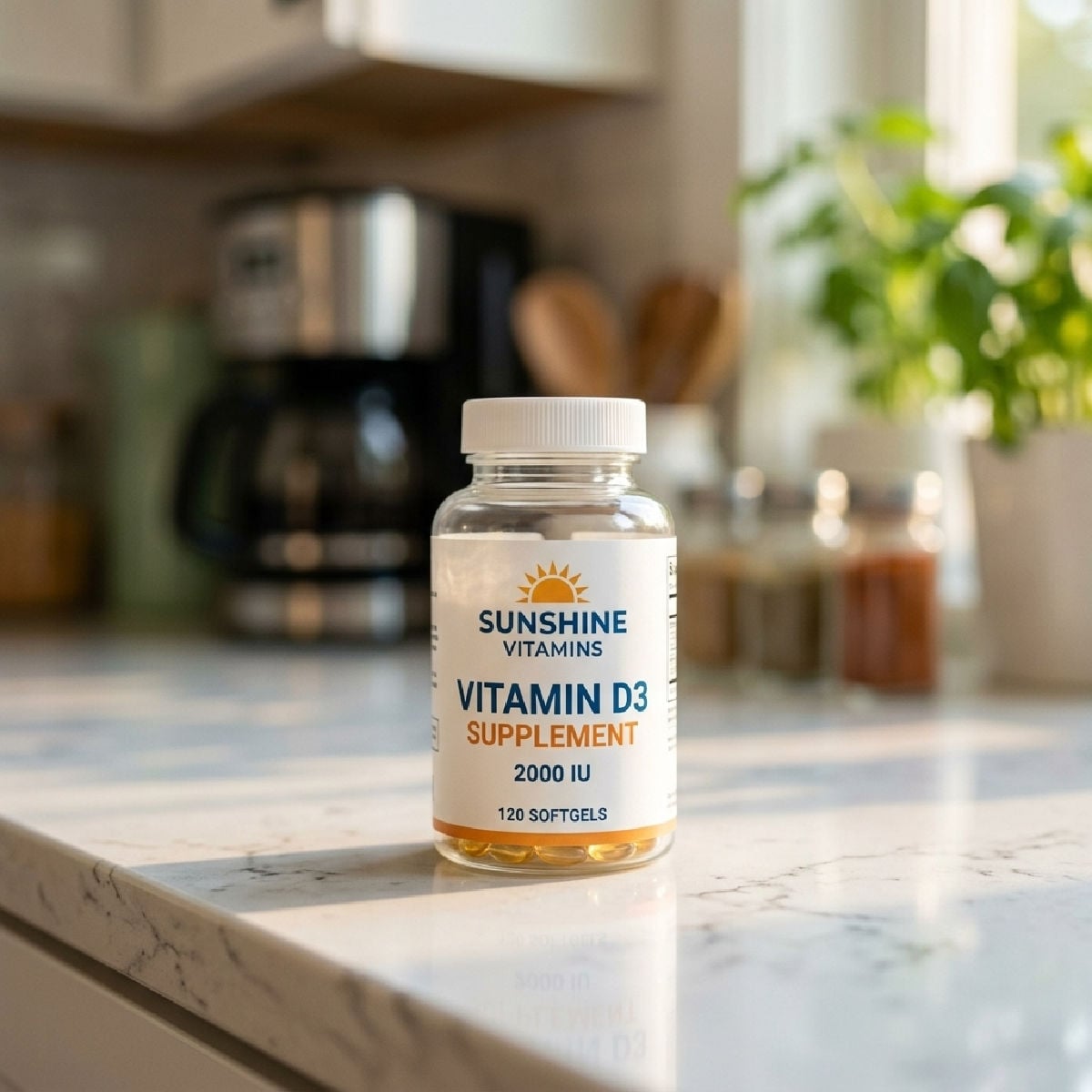
Vitamin D supplements have become very fashionable as a "treatment" for all the health issues we looked at above plus coughs, colds, flu and more.
But whilst research does show poor vitamin D contributes to these issues it doesn't consistently show that vitamin D supplements help. The problem is vitamin D supplements do NOT :
- Interact with our skin in the same way as vitamin D from sunshine.
- Tackle other daylight deficiencies.
- Release nitric oxide.
- Sort out our body clock.
- Trigger vitamin D receptors.
- Come "pre-packaged" with the fat they need for absorption.
Some scientists also claim that vitamin D from supplements is primarily stored in visceral fat not subcutaneous fat and is more likely to get "locked in".
High dose vitamin D supplements also have high health risks. Our body naturally throttles how much vitamin D can be generated in our skin by sunshine. It is impossible to overdose on vitamin D from the sun.
Supplements don't work in the same way. There's no throttle and high circulating vitamin D levels can cause hypercalcemia, a toxic buildup of calcium in our blood.
Unfortunately, Vitamin D supplements are not always a safe or sufficient way to make up for lack of daylight.
How To Boost Vitamin D

So what should we do to boost our vitamin D levels effectively without running the serious health risks of super high dose supplements?
Well, the absolute first thing everyone should do is get their vitamin D tested.
Vitamin D Tests Are Essential
Many of us have low vitamin D levels BUT plenty of people do get enough sunshine and do risk hypercalcemia by adding supplements.
If we are deficient we also want to know how low because this can help flag if underlying conditions are blocking vitamin D absorption.
So do test - quick Vitamin D checks from a pharmacist only cost $/£25-50. It is a good idea to test at the end of October so you know what your baseline is going into winter when you can't produce any more from sun.
Talk to a doctor if you have any of the conditions known to contribute to vitamin D deficiency.
Vitamin D Boosting Protocol
Standard public health advice for boosting vitamin D was until recently :
- Short burst of 15-30 minutes midday sun on arms & legs
- Daily from late April - September
- Supplements from October - April.
But many countries are now reviewing and amending their advice in light of all the issues discussed above. There isn't yet a consensus on what the new protocol should be but these are some of the emerging guidelines :
Spring & Summer
- Gently build up sun tolerance throughout spring.
- Include animal fats in your diet e.g. tallow, suet, beef/lamb far in your diet if you have pale skin that burns easily.
- Get multiple 15-20 minute bursts of sunshine throughout day.
- Never let yourself burn.
- Protect yourself from burning when possible with shade, sun hats and long sleeves and only use sun cream when essential.
Late Summer & Autumn
- Get outdoors as much as possible after summer holidays and all the way through autumn e.g.
- Eating
- Coffee catch-ups
- Working at an outdoor desk
- Playing at park
- Gardening
- Outdoor chores e.g. sweeping yard, cleaning windows
- Walk & talk strolls
- Hiking
- DIY
- Foraging & fruit picking
- Outdoor gyms
- Just sitting outside to chill
- Expose arms and legs safely.
- Still avoid burning.
Winter
- Get outdoors - without glasses - for 15 minutes first thing.
- Eat oily fish a few times weekly.
- Build other vitamin D rich food into your daily diet.
- Be physically active daily.
- Be active outdoors daily with some skin exposure e.g. on face or sleeves rolled up doing chores.
- Take a daily supplement if late October reading below winter threshold.
General Health
- Get enough magnesium
- Eat healthy natural fats
- Seriously slash sugar
- Tackle pre-diabetes & diabetes
And there you go. A big guide to how to boost your vitamin D levels naturally with safe sunshine and vitamin D rich food so you can enjoy the benefits of healthy vitamin D levels without the risks of high dose supplements.



Leave a Reply