


Cat Repellent Plants & Herbs

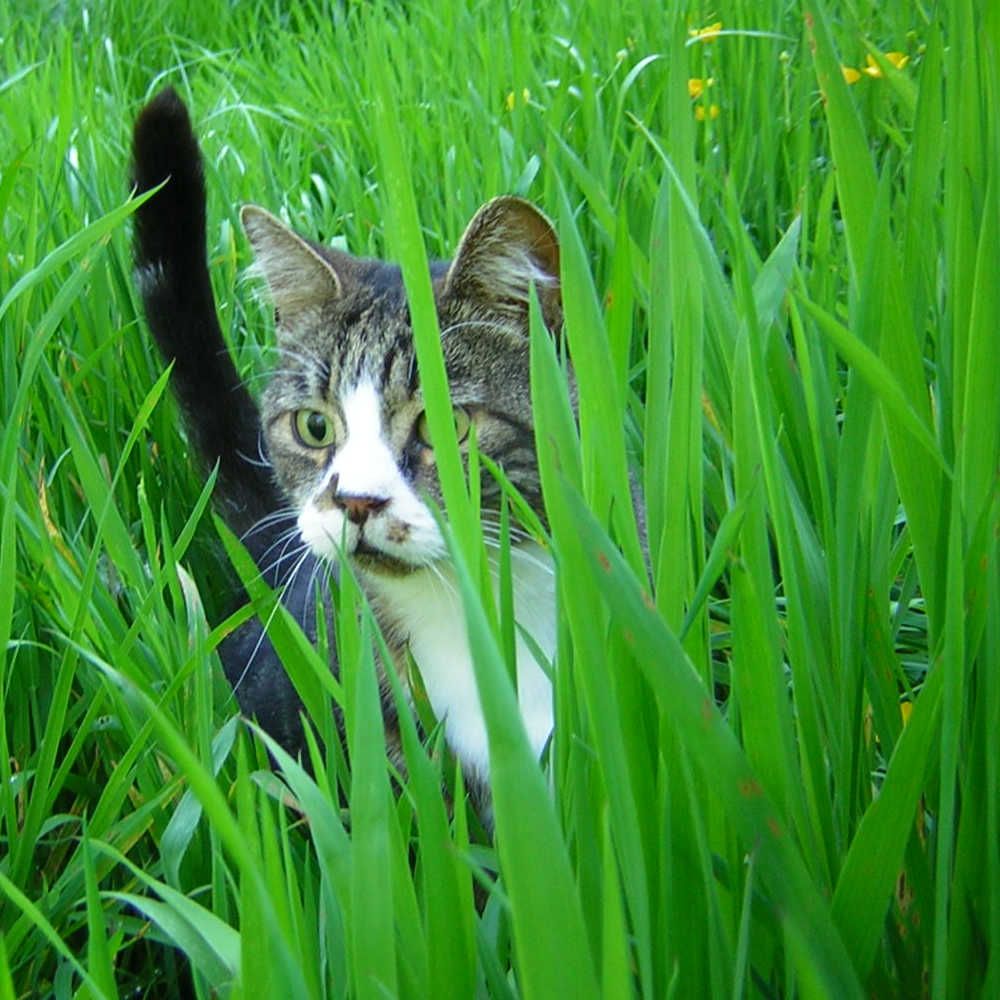
Cat repellent plants that cats hate really can stop pesky cats from :
- Pooping on gardens
- Digging up beds
- Digging in potted plants
- Squashing flowers & vegetables
- AND attacking birds!!
Some plants can even keep cats away from our garden full stop!!!
But we must use the right cat repellent plants for the right job so I have for your here a big guide to :
- Cat Repellent Perimeter Plants
- Cat Repellent Ground Cover
- Plants Cats Hate Smell Of
- How To Protect Potted Plants
- How To Protect Flower Beds
- How To Protect Vegetable Beds
PLUS key DIY cat repellent tips to use short term whilst your cat repellent plants get established.
There's loads of great info in the guide so do bookmark or save on Pinterest for quick reference.
Table of Contents
Cat Repellent Perimeter Plants To Keep Cats Out
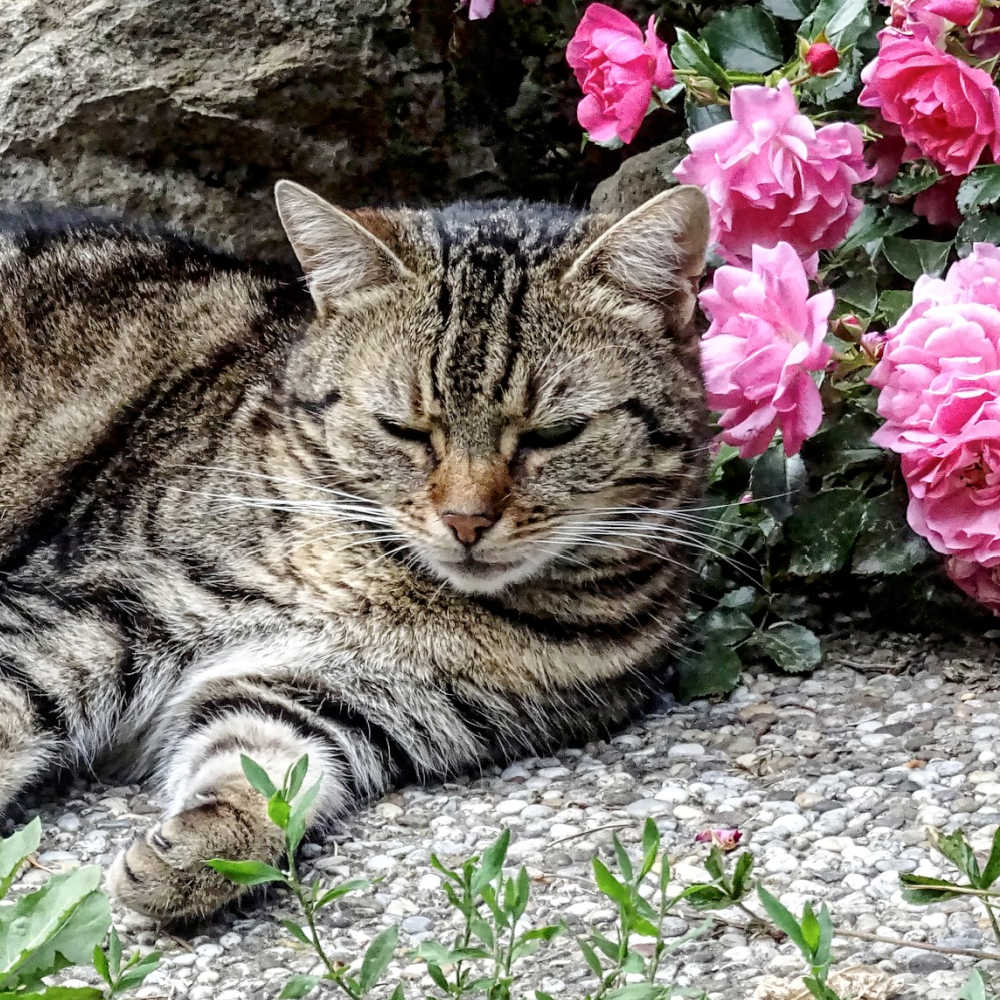
The best cat repellent perimeter plants to keep neighbourhood cats out of your backyard or garden are :
- Thorny climbing plants
- Thorny hedges.
Cuttings from thorny plants can also help keep cats off beds and pots.
Thorny Climbing Plants To Keep Cats Out Of Garden

Thorny climbers on fences and walls make it painful for cats to get up and down fences to get in your garden.
So these stunning or edible climbers make great cat repellent plants :
- Blackberry
- Rambling Rose
- Wild Rose
They can all be grown in pots to ramble over a patio fence or wall.
Blackberry
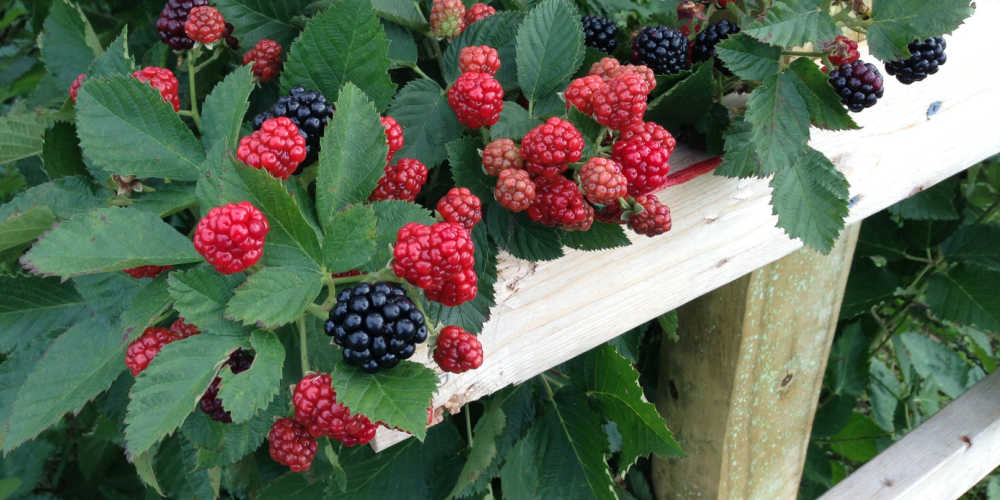
Blackberries keep cats out and deliver delicious fruit for all your favourite blackberry recipes. They are not pretty plants in winter but grow in some shade so great for hidden spots where cats get in.
Rambling Rose
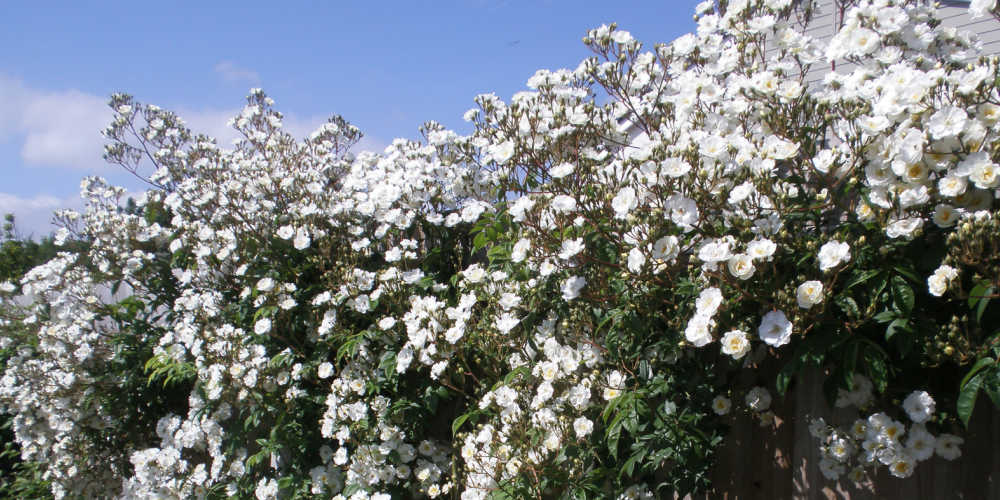
Rambling roses are gorgeous plants for keeping cats out. These thorny varieties will cover a fence or wall :
- Albertine
- American Pillar
- Bobbie James
- Easlea's Golden
- Helen's
- Kew Rambler
- Kiftsgate
- Leo's Eye
- Rambling Rector
- Sir Cedric Morris
- The Garland
- Wickwar
Wild Rose
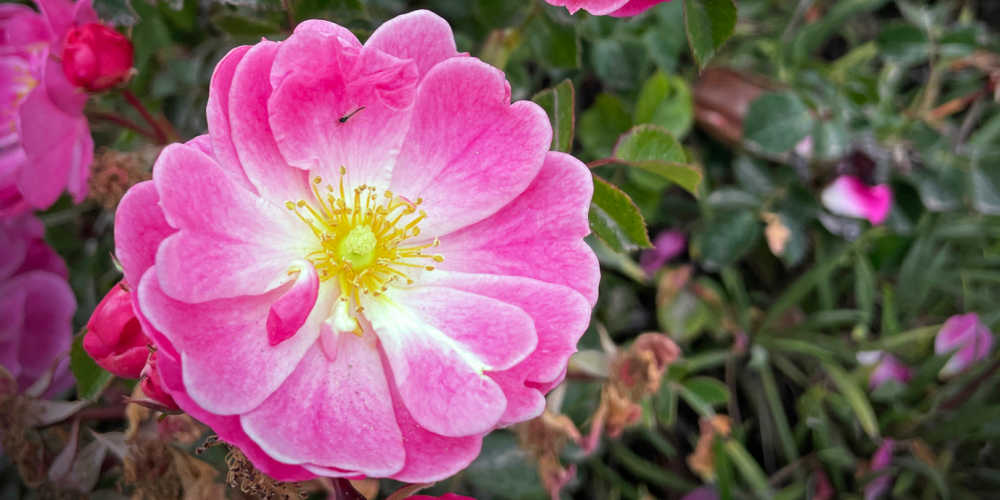
Wild rose gives a beautiful cat barrier that actually provides edible rose hips in fall and winter. Try planting :
- Dog rose (Rosa canina)
- Japanese rose (Rosa rugosa)
- Sweet briar (Rosa rubrofilia)
- Apple rose (aka as both Rosa villosa and pomifera)
Vitamin C rich rose hips can be eaten in tea, fire cider, jellies and more. Check out these tips on how to prepare rose hips for eating.
Thorny Hedges To Repel Cats
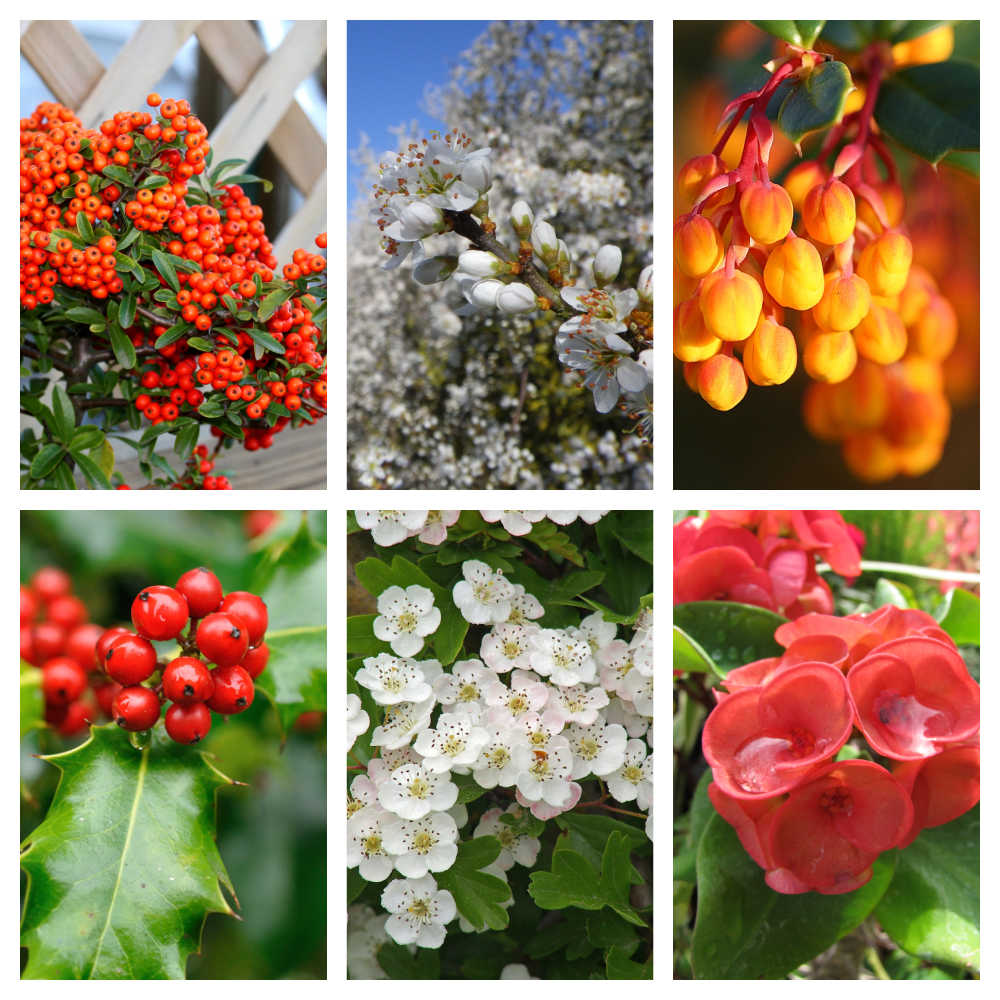
Beautiful thorny hedges are great plants to keep cats out if you have a bit more space on your perimeter :
- Berberis
- Blackthorn
- Crown of thorns
- Hawthorn
- Holly
- Pyracantha (Firethorn)
- Rosemary
Remember a mixed hedge is always more disease and pest resilient.
Berberis
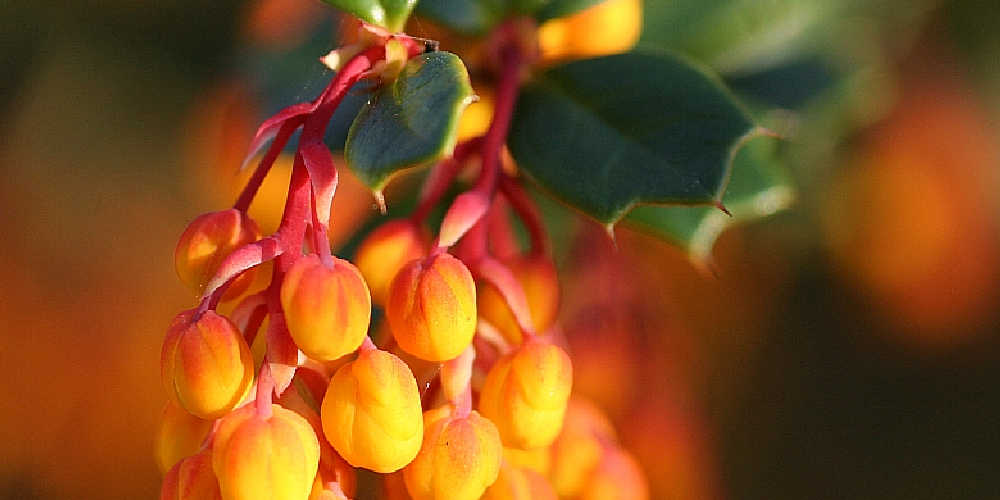
Berberis aka barbery is a dense berry laden, thorny hedge plant for keeping cats out of gardens.
These varieties are fast growing and make a very effective barrier for cats :
- Darwinii
- Julianae
- Ottawensis
- Stenophylla
You can also plant dwarf varieties like Japanese barberry as cat repellent hedging around vegetable patches and add to borders.
Blackthorn
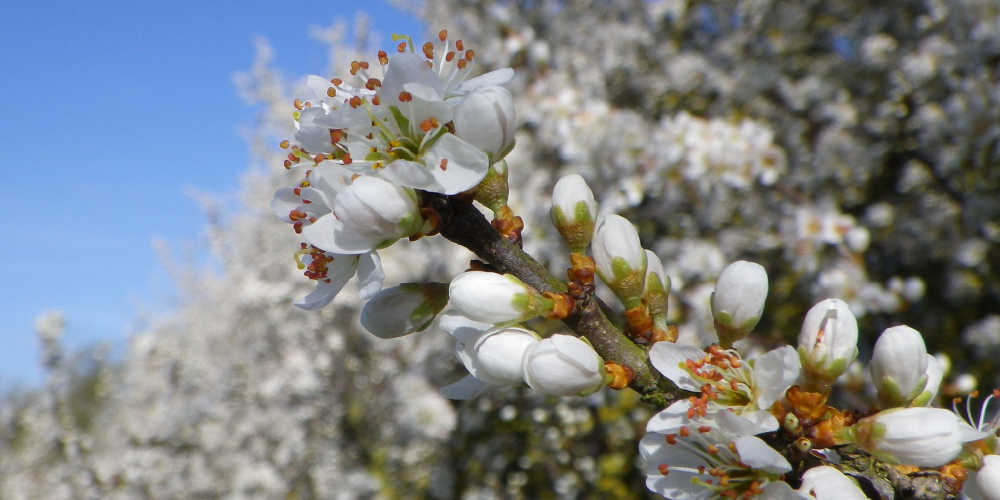
Blackthorn produces beautiful white blossom in late winter and edible sloes in fall for sloe jelly and gin.
Blackthorn combines well with hawthorn, holly and wild rose as a traditional cat repellent hedge.
Crown Of Thorns
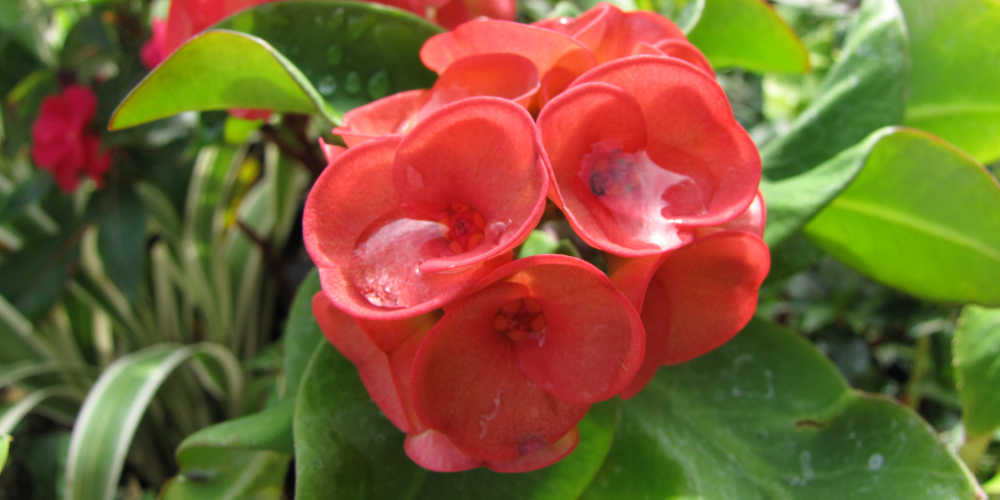
Euphorbia milii is an evergreen thorny shrub with big red flowers.
It can grow to 6 feet but not very quickly so is best used at lower half of wall to help keep cats out.
Hawthorn
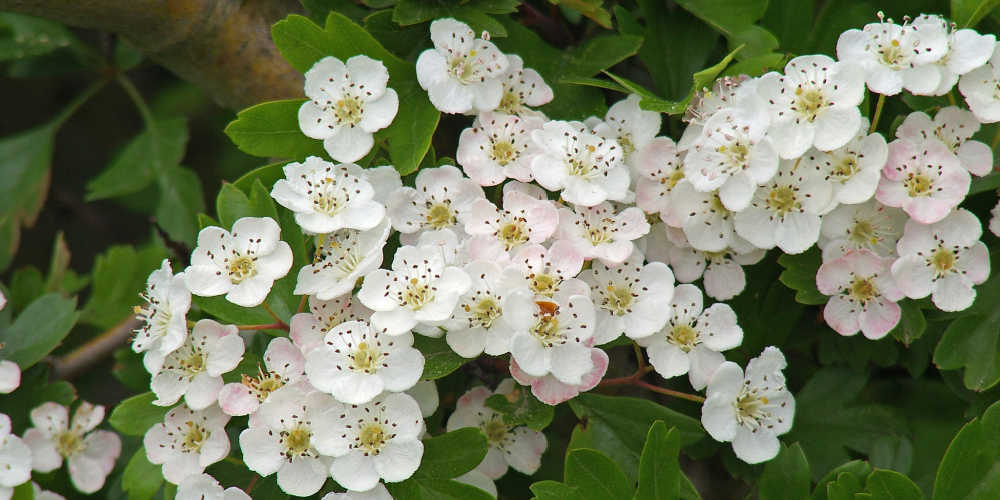
Hawthorn is a classic deciduous spiky hedge with pretty May blossom and valuable red berries for birds.
It is not the densest cat repellent hedge so is best combined with blackberries and wild rose.
Holly
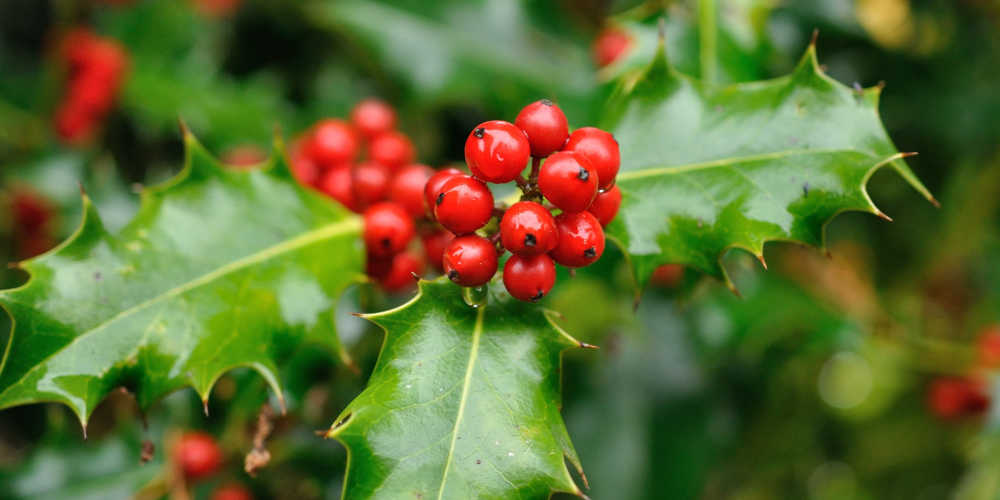
Holly isn't a fast growing cat barrier hedge but you can buy 6-8 foot plants that will fill out fairly quickly without taking over the garden.
A holly hedge will also give you free natural Christmas decorations.
Pyracantha (Firethorn)
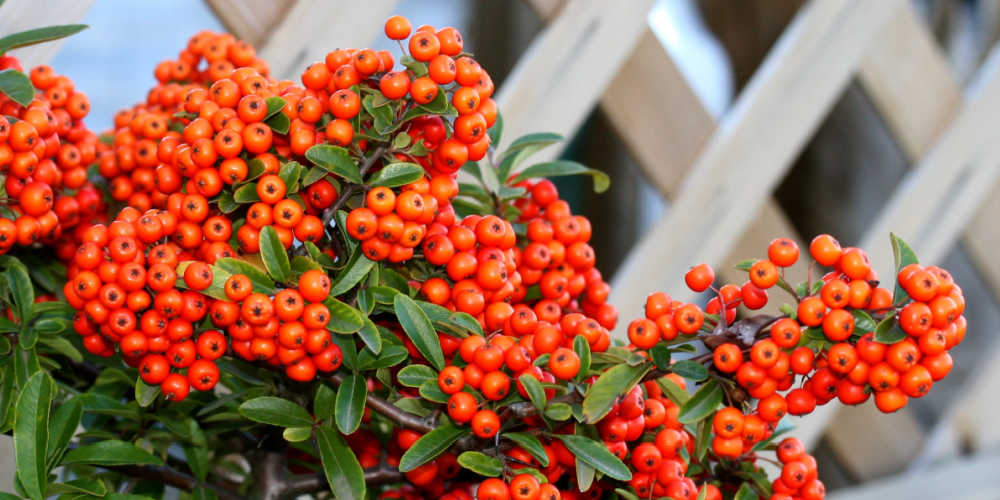
Pyracantha is a fast growing evergreen flowering hedge that is laden with berries in autumn or winter and an ever popular option for keeping cats out of gardens.
It will grow fast and is super spiky so you need to keep on top of pruning.
Rosemary
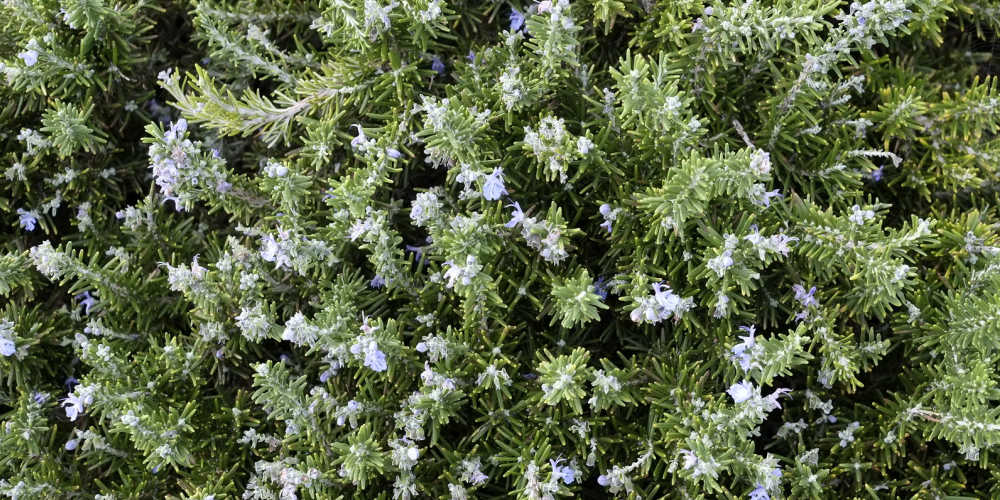
Rosemary isn't spiky but can be a good cat repellent hedge as cats don't like the smell and will get covered in it trying to push through.
You can easily grow rosemary from cuttings and it repels mosquitoes.
More Ways To Keep Cat Out Of Gardens & Backyards

You can get a cat repellent hedge growing fast with big hedge plants but that will put the price up.
And there are extra ways to keep cats out of gardens whilst your cat repellent plants get going :
- Cat Scarers
- Cat Spikes
- Water Pistol
- Lion Manure
Cat Scarers
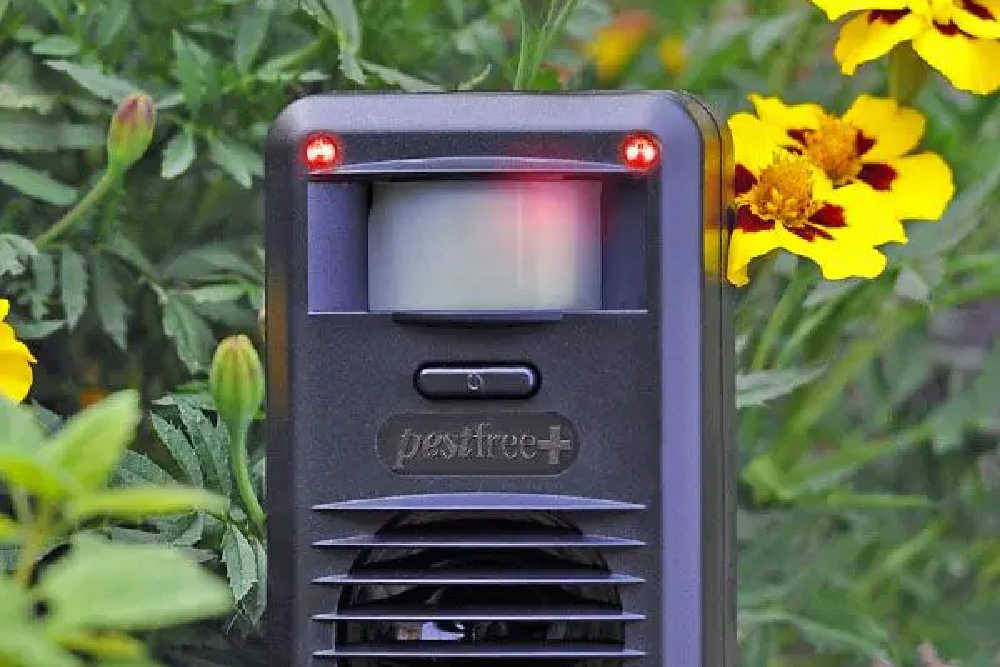
Cat scarers make ultrasonic sounds when they pick up the movement of cats in your garden or backyard.
Some like my cat scarer, light up with "predator eyes" and repel foxes.
Cat scarers work but if you have anything to draw cats - or foxes - to your garden e.g. a bird table, newly dug beds or chickens you also need cat repellent perimeter plants.
Cat Spikes
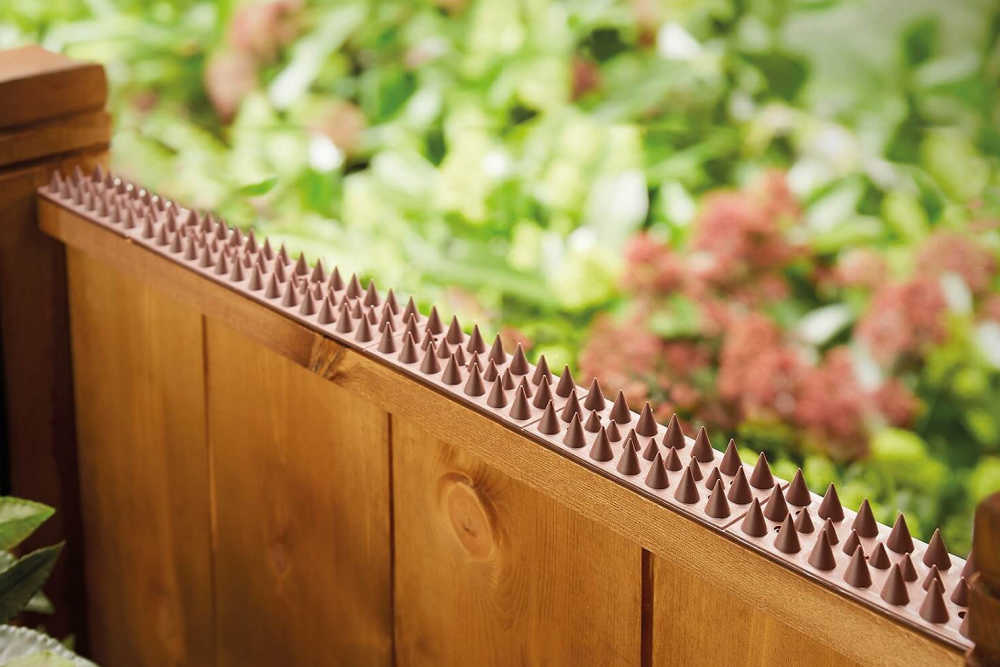
Cat spikes on fences and walls are a good extra perimeter cat repellent whilst thorny climbing plants grows.
They are basically strips of plastic spikes you can screw to the top of a fence, that cats struggle to walk on.
In my view, they are a deterrent but won't alone keep gardens cat free.
Water Pistol

Water pistols are helpful if like me you have a love-hate relationship with your near neighbours cats!!
They are all adorable and I am super happy to feed them during holidays. I just don't want them pooing in my garden or scaring my chickens!!
A high powered water pistol squirted in their direction does give the message they are not welcome!!
Lion Manure

Lion manure products, like Silent Roar, use fertiliser pellets soaked in the smell of lion dung to repel cats.
Lion manure is by no means fool proof as a cat repellent. It is best combined with other cat repellents.
Cat Repellent Ground Cover
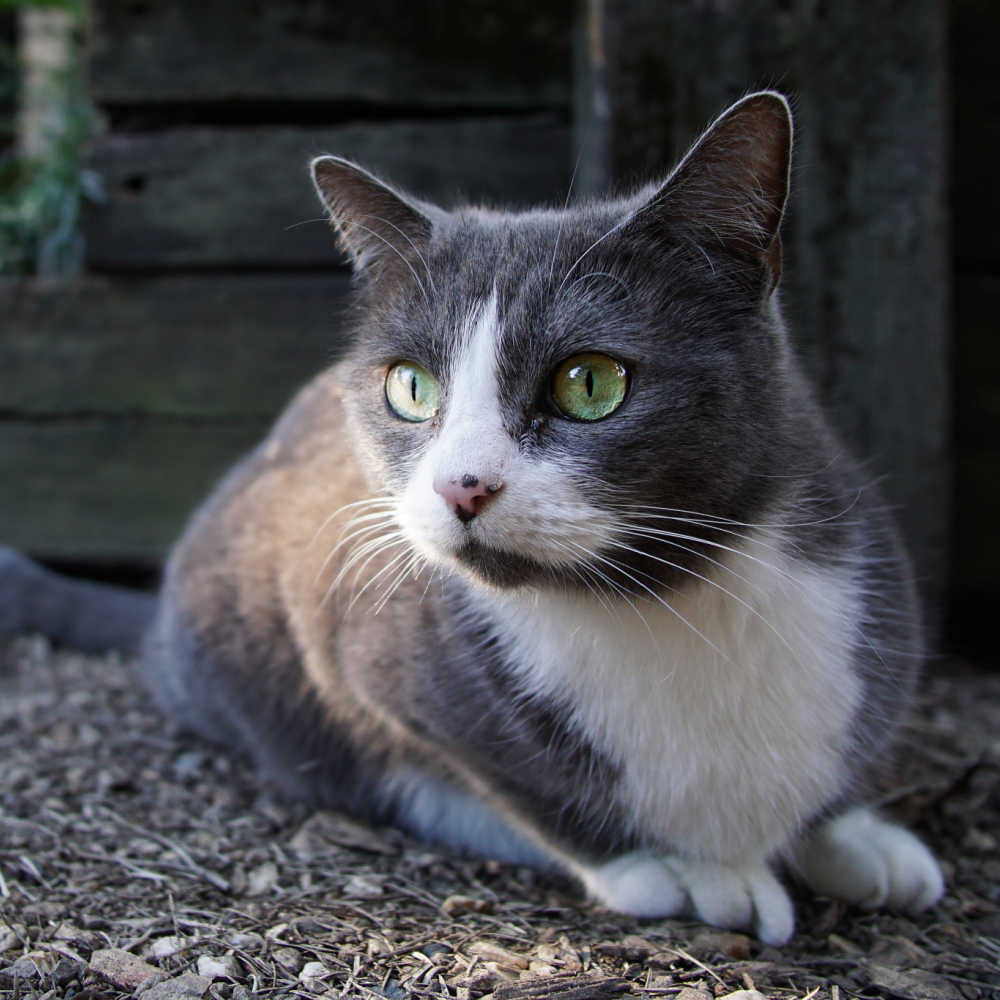
Bare patches of soil - and freshly dug beds - are cat magnets but you can stop digging & pooping with:
- Ground Cover Plants
- DIY Prickle Covers
- Prickle Strips
There are plenty of quick growing cat repellent ground cover plants that can be grown through DIY prickle covers and prickle strips.
Ground Cover Plants
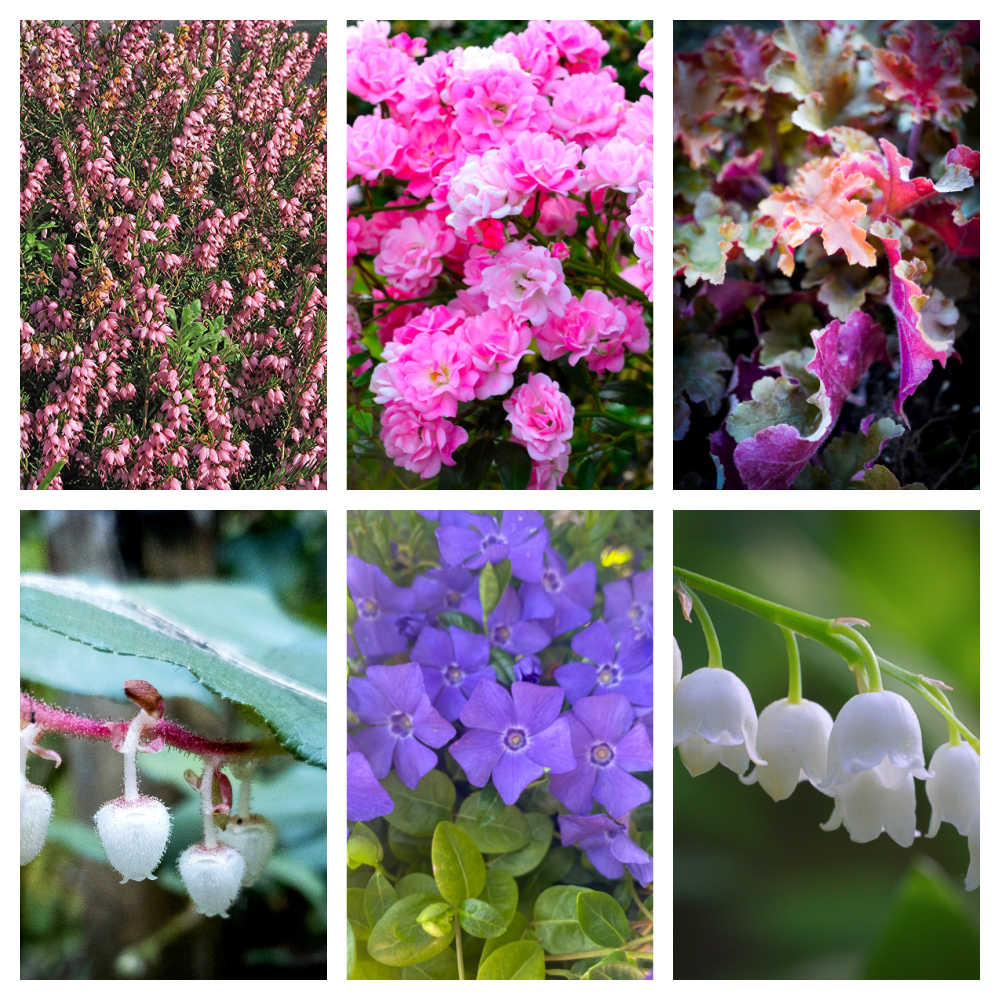
These ground cover plants that are evergreen or don't die right back help stop cats digging and pooping :
- Heather
- Heuchera
- Lesser Periwinkle
- Gaultheria
- Lily Of The Valley
- Thorny Carpet Roses
Heather
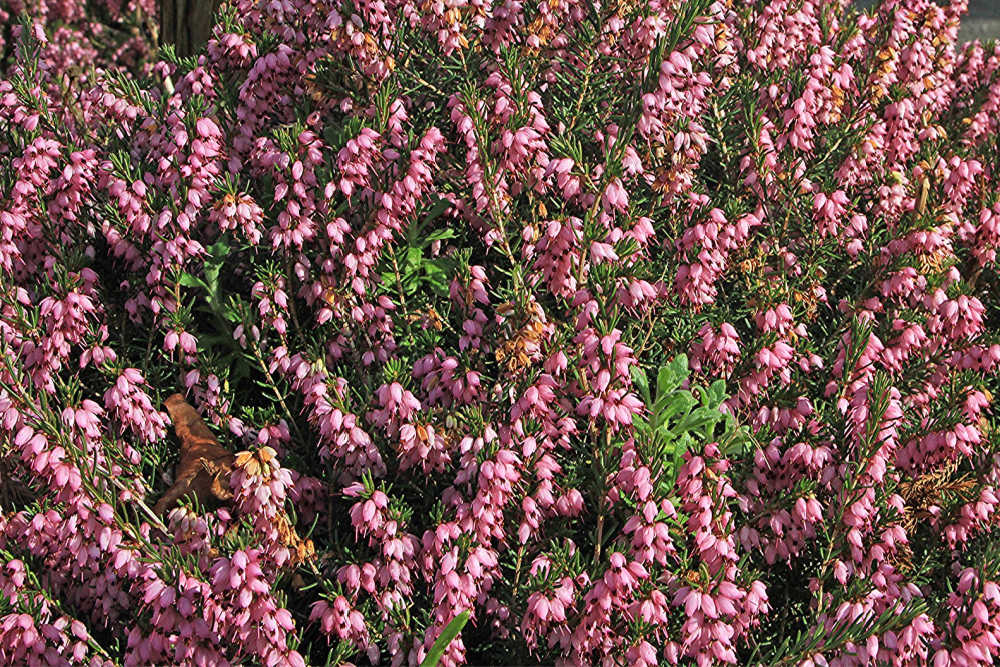
Heathers are good ground cover under plants that like low ph soil :
- Blueberries
- Cranberries
- Lingonberries
- Camelia
- Gardenia
- Hibiscus
- Azalea
- Small birch trees
- Small maple trees
Heuchera
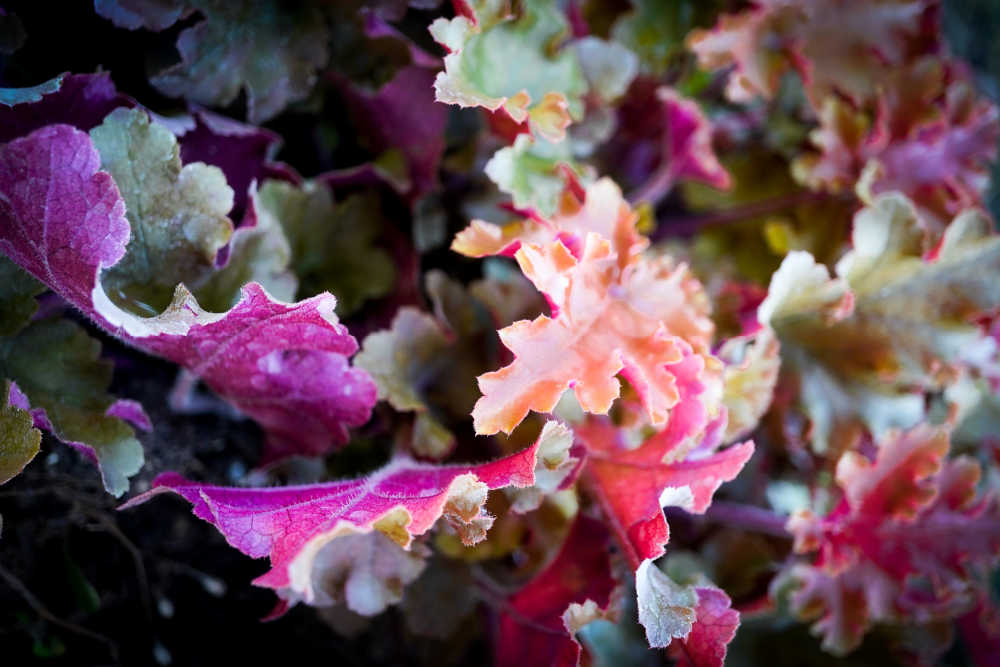
Heuchera has striking leaves all year round - unless very cold - and pretty flowers. Happy in shade so good for hidden spots cats use to poop.
Lesser Periwinkle
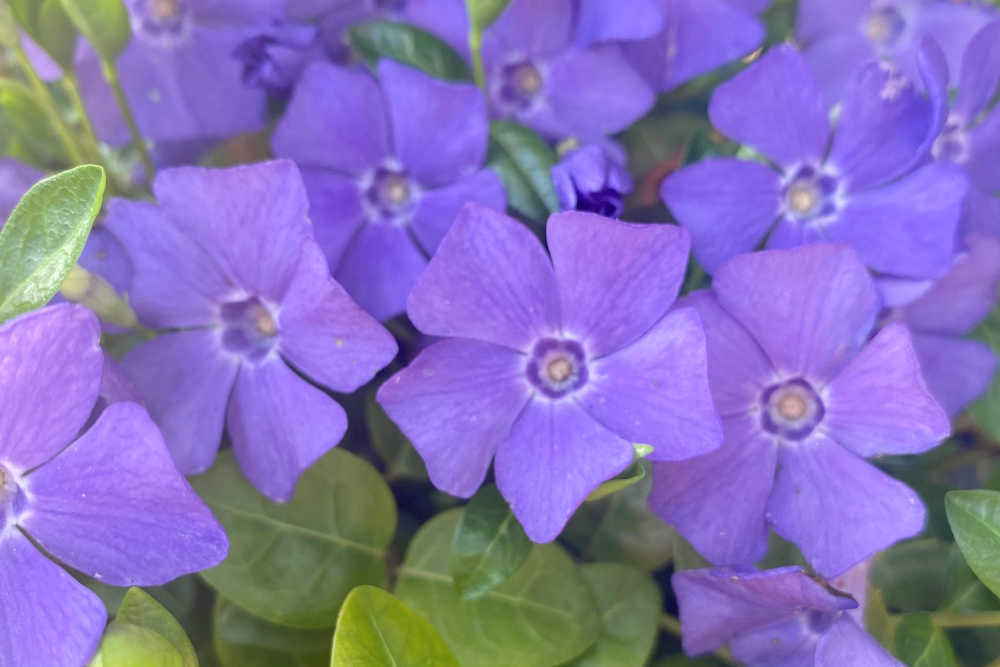
Lesser periwinkle gives quickly spreading ground cover with purple and white flowers and will grow in shade in bare ground under trees.
Lily Of The Valley
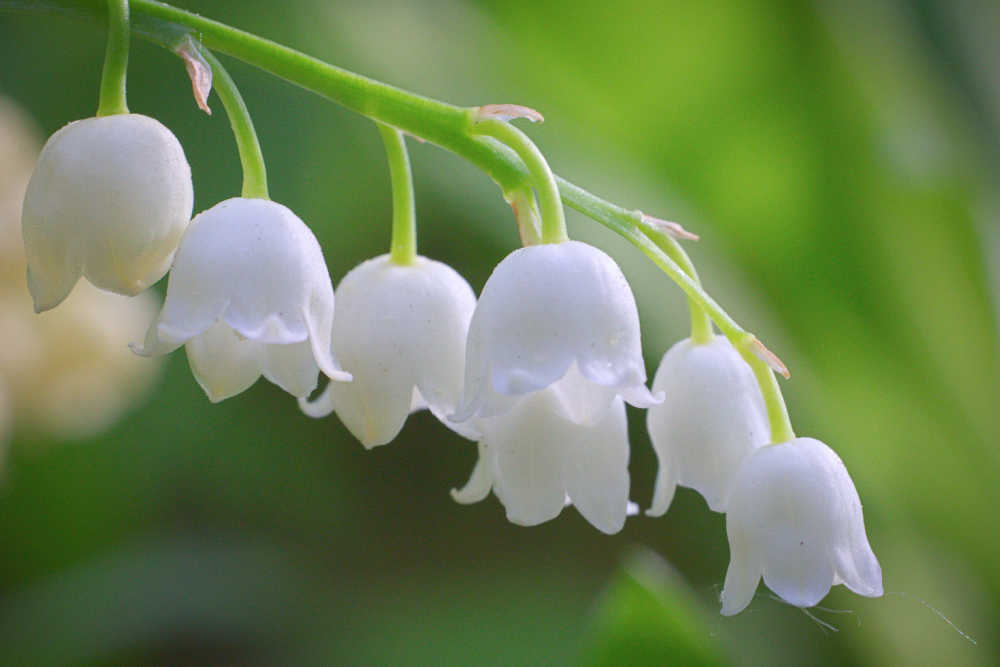
Lily of the valley provides striking ground cover with beautiful white flowers in shady areas of the garden you want to keep cats off.
It will die back in winter but still provide cover with dead foliage.
Gaultheria Procumbens
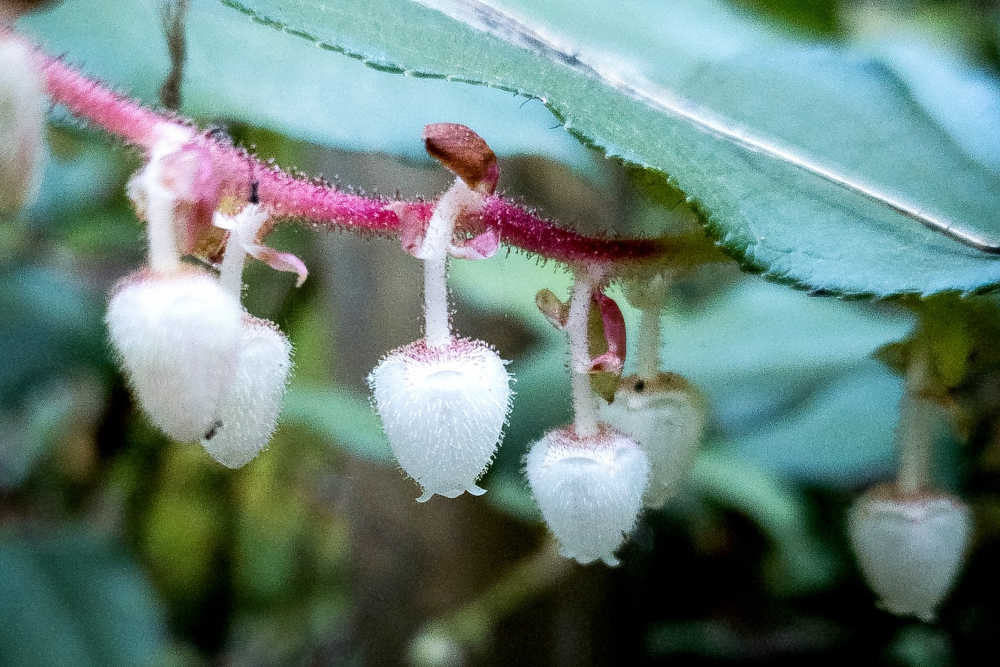
Gaultheria is a spreading dwarf evergreen with pink and white flowers and berries that will grow in the shady spots cats use as toilets.
Thorny Carpet Roses
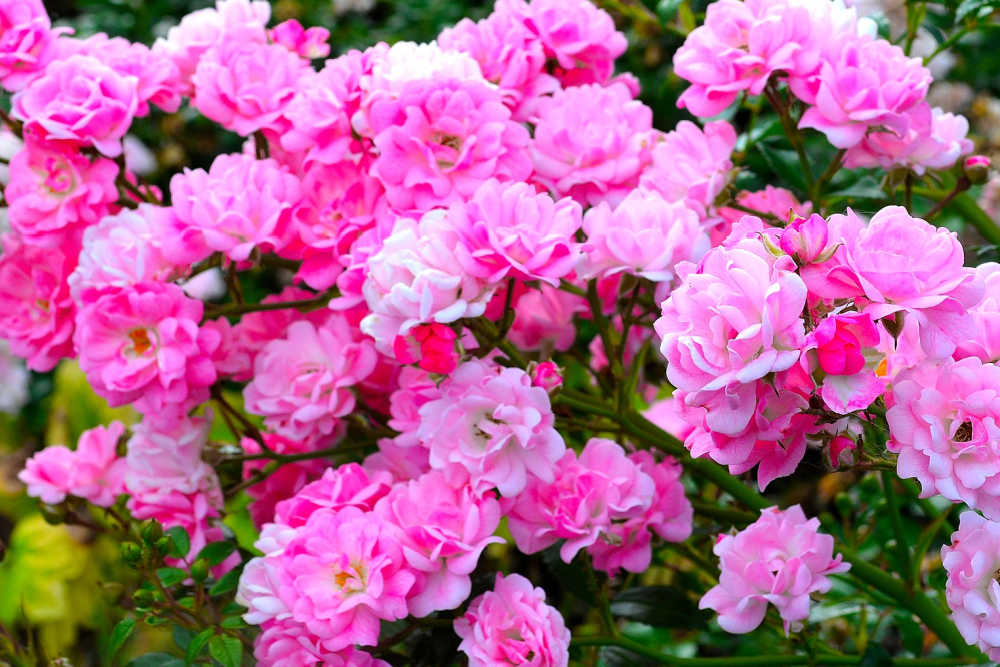
Thorny carpet roses are a great cat repellent ground cover plant to keep cats from pooping on bare ground.
They are taller than most ground cover but these are only 1-1.5 feet :
- Centre Stage
- Hampshire
- Hertfordshire
- Snow Carpet
- Suffolk
And these varieties only 2 foot :
- Cheshire
- Flower Carpet
- Grouse 2000
- Scented Carpet
- White Flower Carpet
- Worcestershire
Thorny carpet roses can also be good cat repellent plants at front of flower beds to deter cats wandering in.
DIY Prickle Covers

DIY prickle covers are a great simple way to stop cats pooping when you have unavoidable bare soil.
Simply create a pile of pruning from prickly and spiky plants and whenever you have bare soil put them down in a rough matrix.
If you don't yet have spiky plants to prune, ask amongst neighbours.
They are a great way to stop cats pooping around new fruit bushes.
You can also use them to keep slugs & snails away from vegetable beds.
Prickle Strips
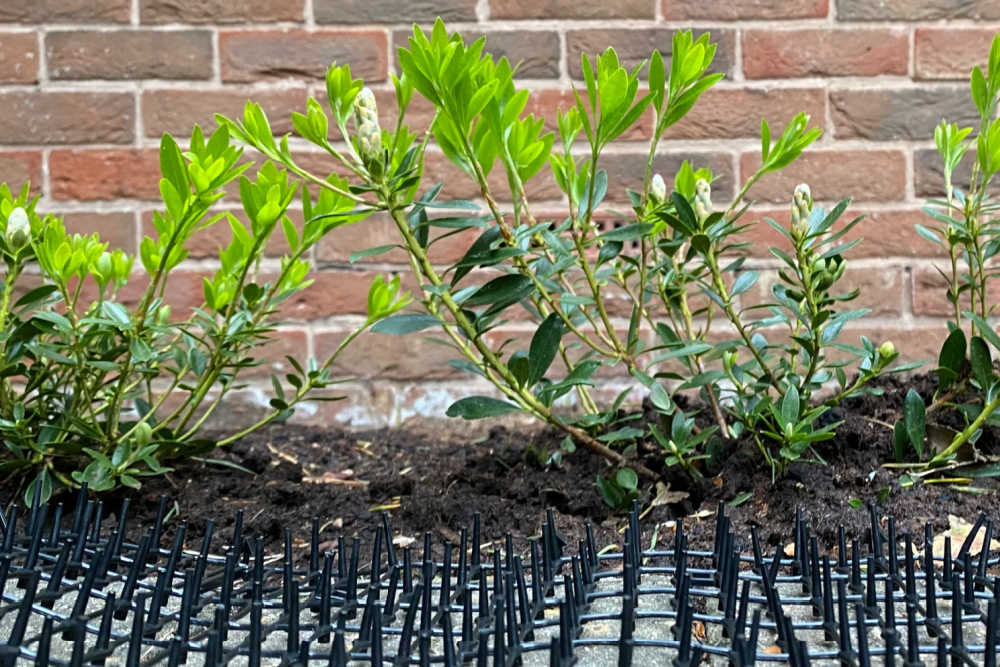
If you can't get hold of spiky plant cuttings you can buy prickle strips to stop cats digging and pooping.
Simply cut sections to cover soil around new plants and peg down.
Prickle strips do help. I have used them lots - especially for potted plants - but they are not fully cat proof and certainly NOT fox proof. So combine with cat repellent plants.
Plants That Cats Really Hate The Smell Of

You can use plants that cats hate the smell of to repel cats throughout your garden by planting them :
- Amongst patio pots
- At the front of flower beds
- Around vegetable & soft fruit beds
- On perimeters as a 2nd line defence to thorny climbers & hedges.
Plants cats hate the smell of include:
- Pelargoniums
- Coleus Canina
- Curry Plant
- Penny Royal
- Rue
- Lavender
- Thyme
- Lemon Balm
- Lemon Grass
Pelargoniums
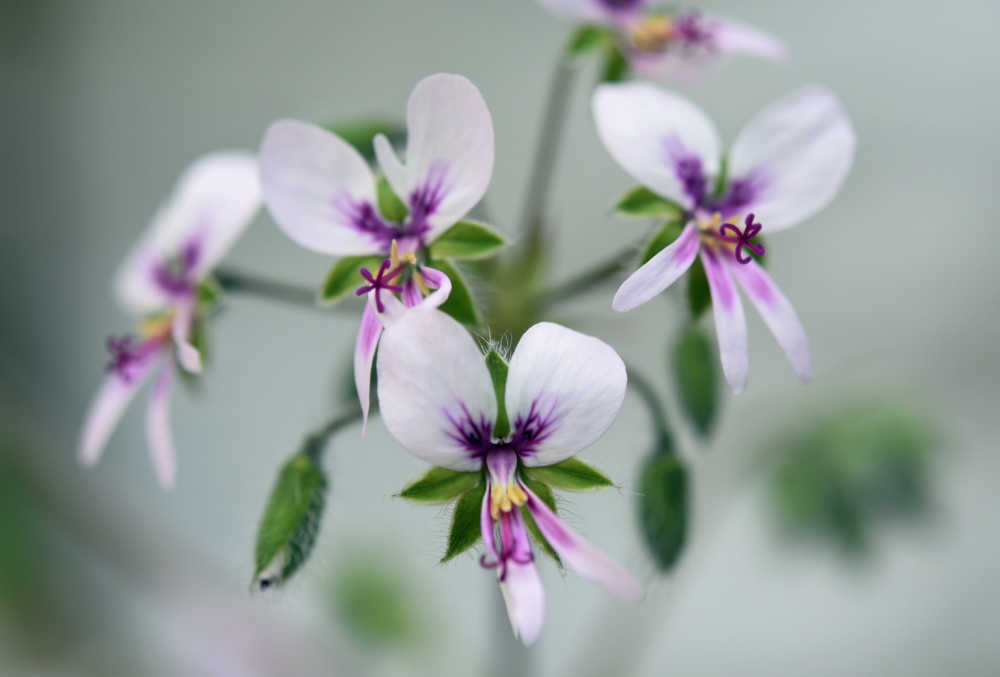
Pretty pelargoniums come in a wide range of colours including white, pink, red, violet and orange.
They are a lovely addition to flower beds and patio pots and baskets but their fragrance is hated by most cats.
Coleus Canina
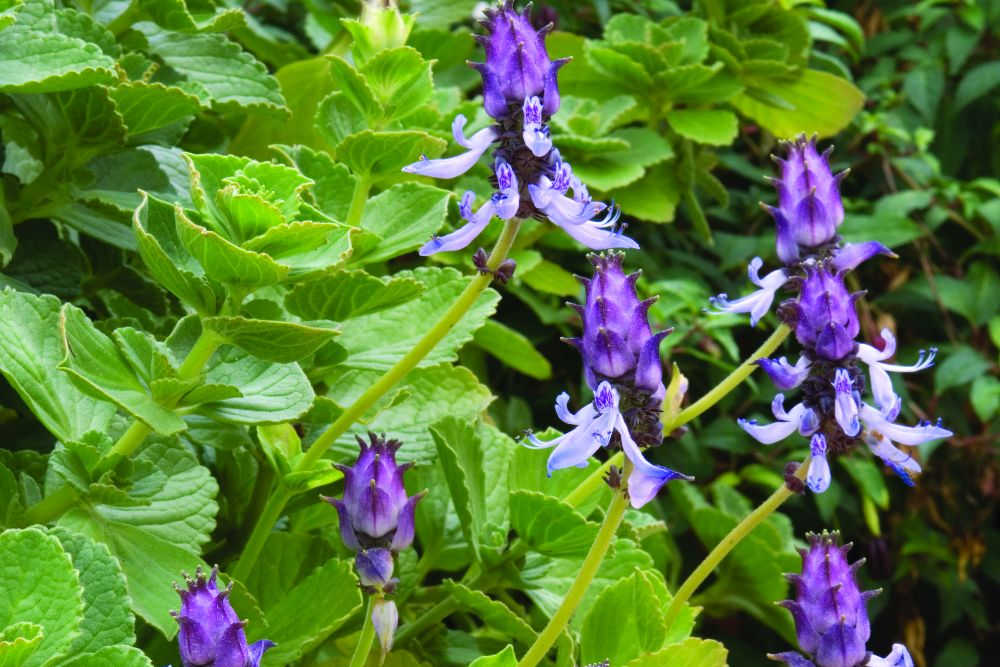
Coleus canina is the cat repellent plant often marketed as Scaredy Cat or Cat Shoo in garden centres.
It is a perennial with striking blue-purple flowers and grows about 50 cm high with a 1 metre spread.
The leaves have a pungent, dog-urine like smell that repel most cats!
Curry Plant
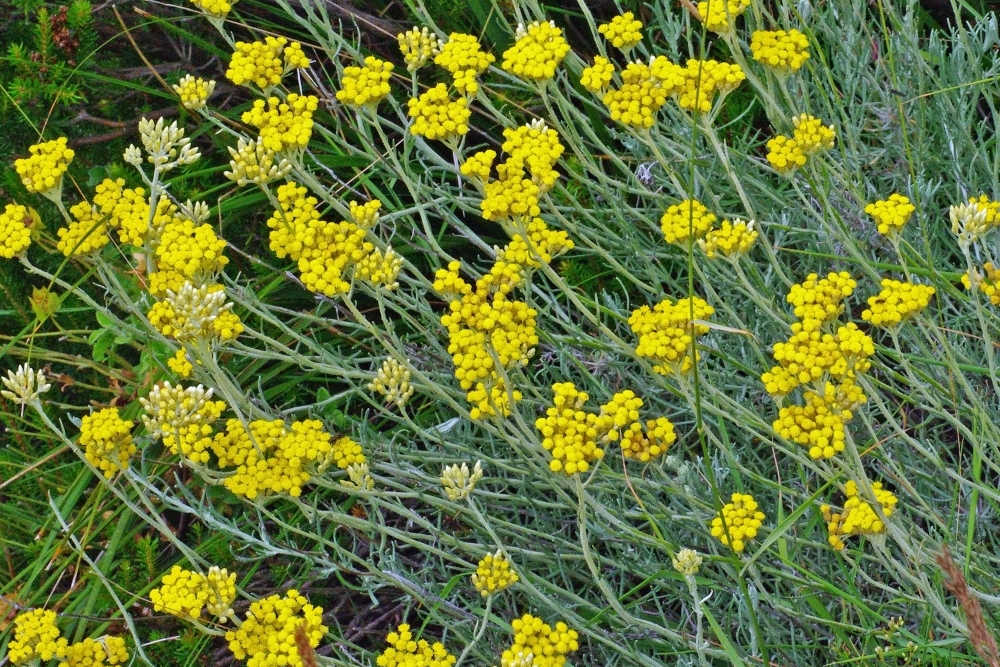
Helichrysum Italicum commonly known as the curry plant is another plant that cats hate.
It is a small sun loving shrub about 2 ft high with bright yellow flowers and a fragrance that keeps cats away.
Penny Royal
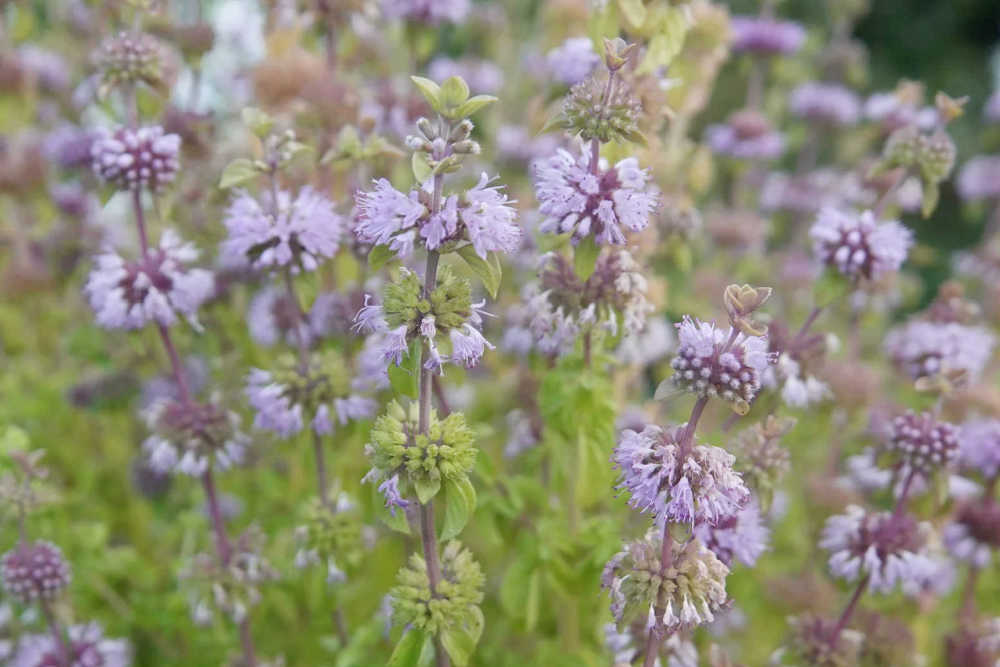
Penny royal is another plant cats hate which with little lilac flowers is pretty at the front of flower beds.
Known as the mosquito plant, it also repels mosquitoes, wasps and flies.
Penny royal is part of the mint family (mentha pulegium) but should not be grown near or confused with edible mints as it is toxic for humans.
Rue
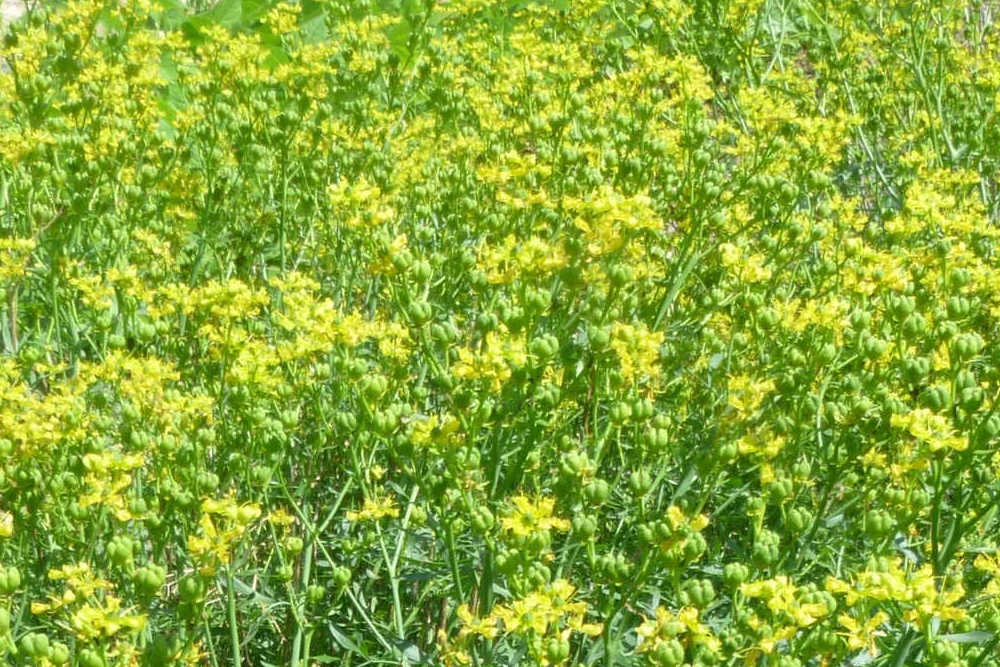
Rue is a cat repellent plant with yellow flowers that grows to 3 foot.
It also repels stinging wasps and can be grown around fruit trees to repel cat pooping as well as wasps.
Rue can be toxic for humans so do not confuse with other woody herbs.
Lavender
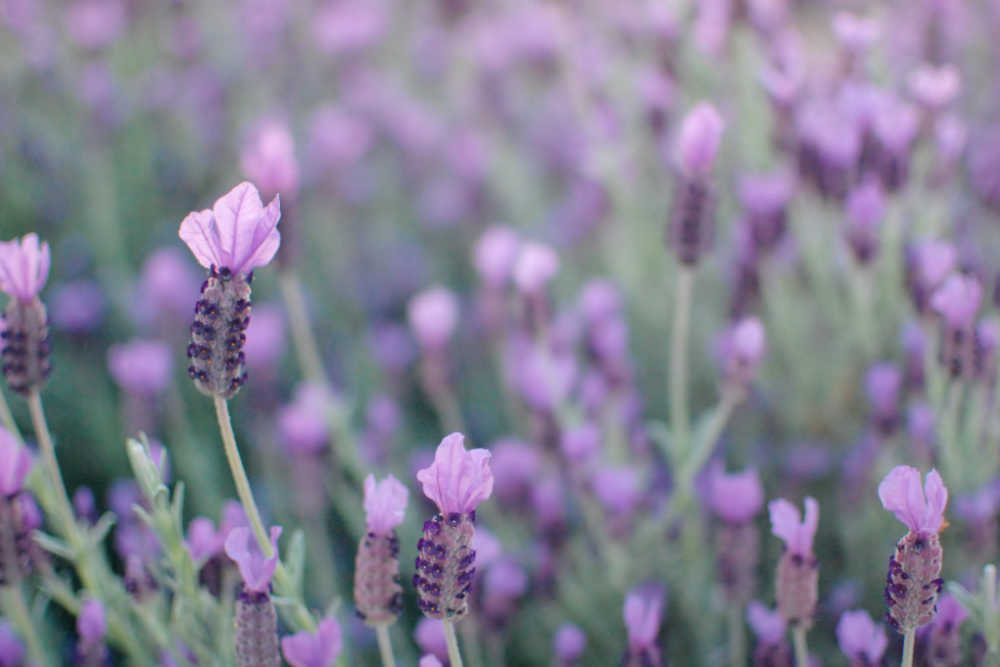
Fragrant lavender is another very useful plant cats hate the smell of.
Easy to grow and bee friendly, its dried flowers are one of the best ways to get rid of moths.
A lavender hedge can help keep cats away from vegetable gardens and repel mosquitos from patios.
Thyme
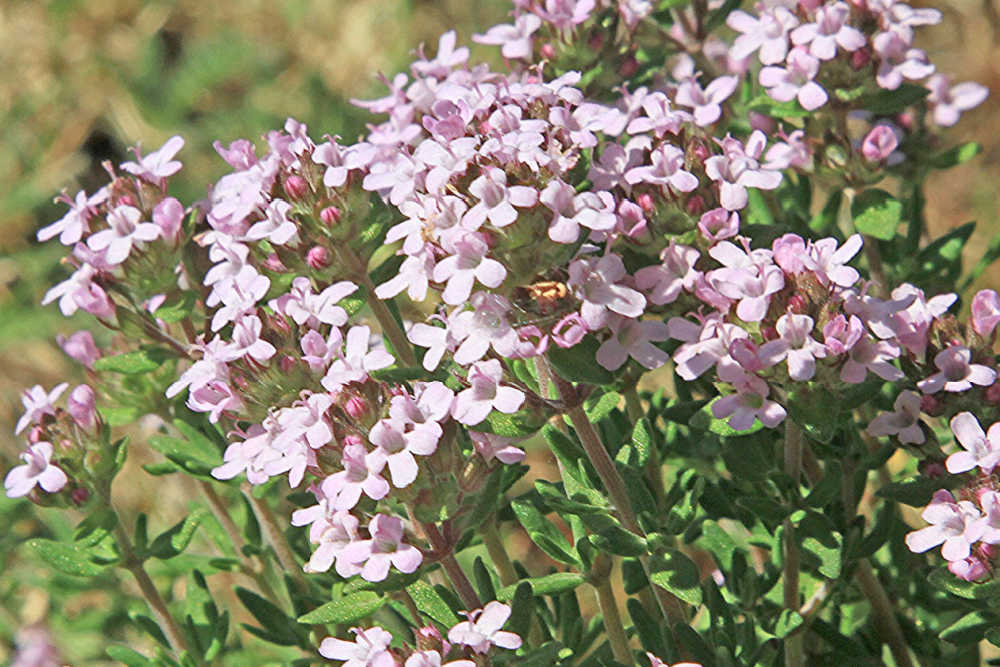
Thyme is a great plant to repel cats as it can be grown as cat repellent :
- Ground cover
- Vegetable garden hedge
- And in patio pots.
You can easily grow thyme from cuttings and also use it as a :
Lemon Balm
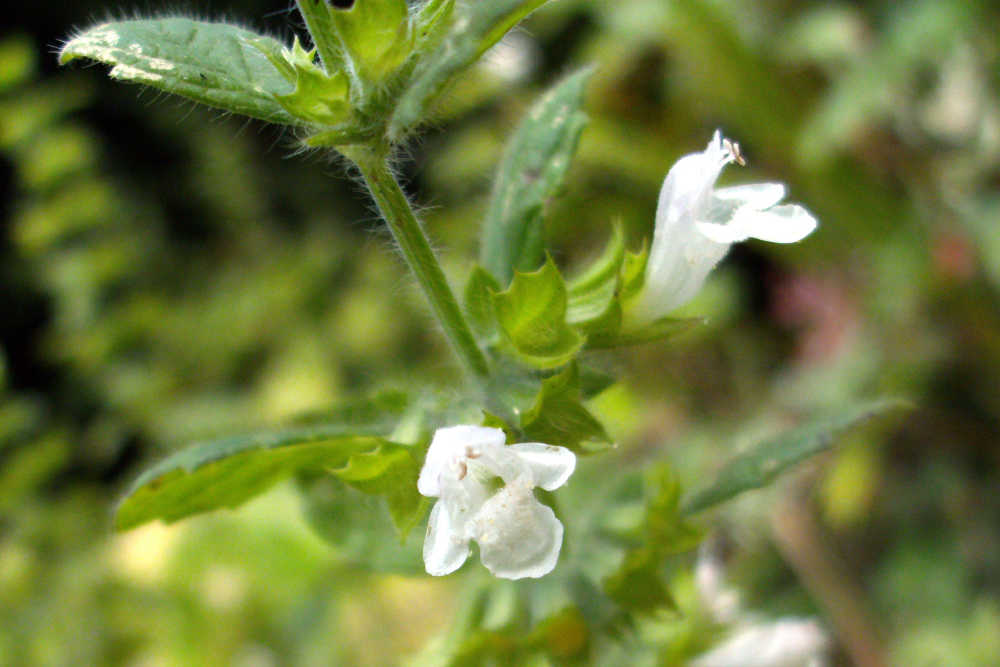
Lemon balm is a pretty herbal plant in flower beds that most cats hate.
It grows 2 to 3 feet high and has small white, pink or yellow flowers.
Lemon balm also very handily:
- Repels mosquitoes
- Repels wasps
- Treats cold sores
- Relieves mosquito bites
- And makes a lovely cup of tea!!!
Lemon Grass
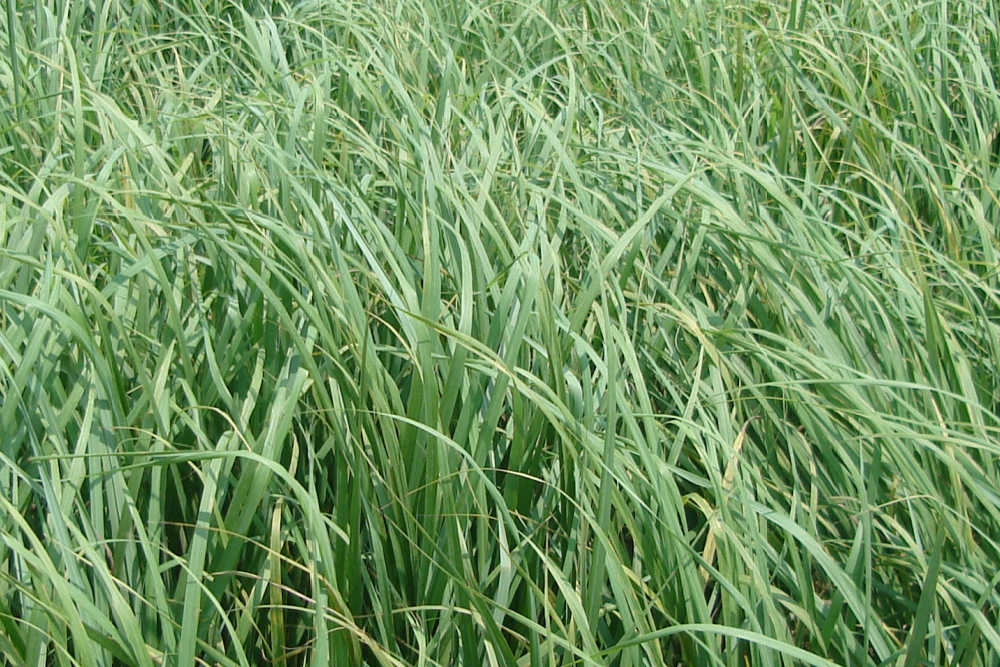
Lemon grass is an ornamental plant cats hate that can be planted as a repellent barrier at strategic points all round the garden and patio.
Lemon grass is also a mosquito repellent and wasp repellent plant.
How To Stop Cats Digging Up & Pooping On Potted Plants
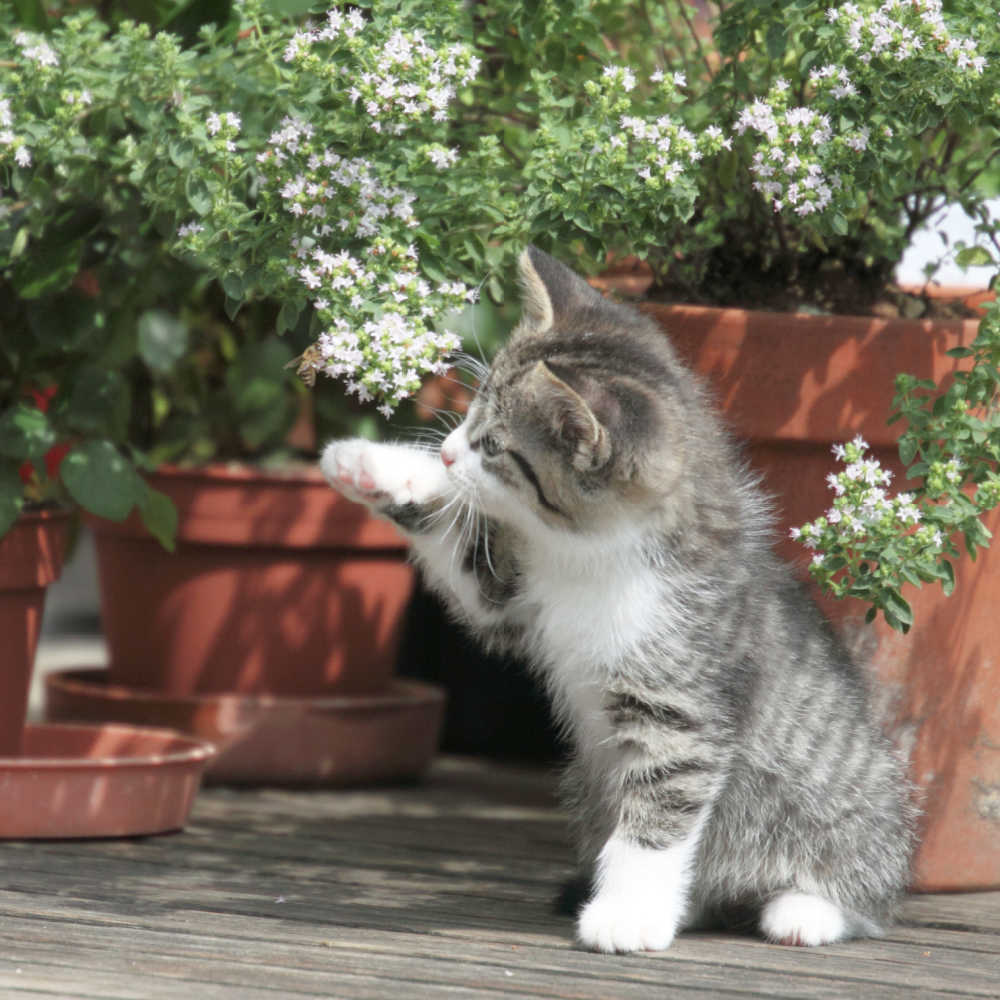
Cats can be real pests digging up bulbs etc in patio pots or pooping on gravel cover in big planters.
But again there are simple ways to keep cats - and squirrels - off our potted plants and planters :
- DIY Prickly Mulch
- Mini Windmills
- Scare Stones
- Prickle Strips
DIY Prickly Mulch
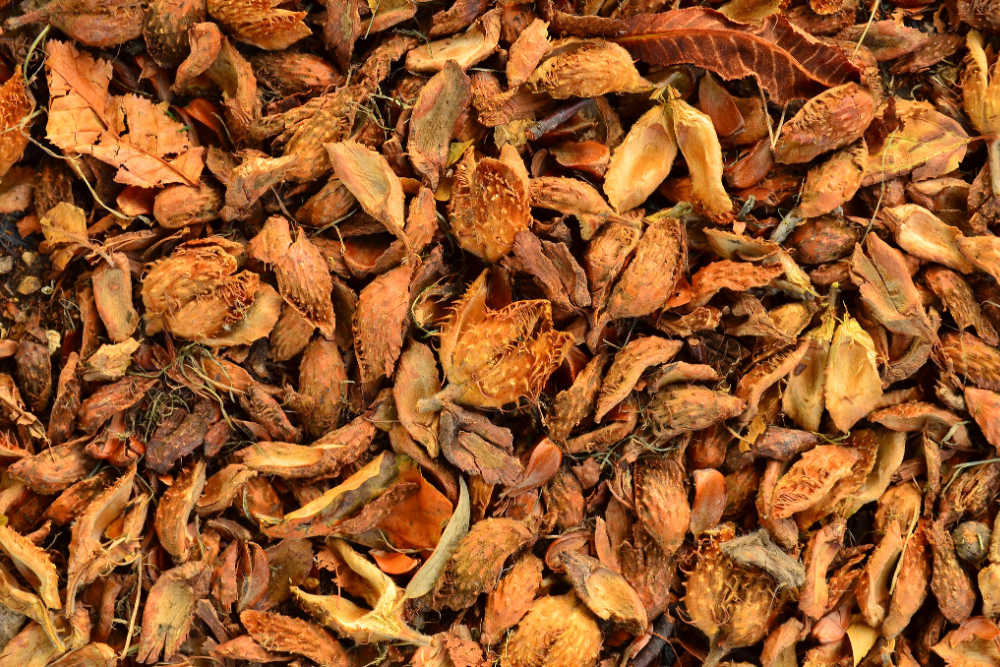
Gravel in planters basically says "Come poop here!!" to all the neighbourhood cats.
But they won't put their pretty paws on prickly mulch. Simply gather up any of the following you can find :
- Holly leaves
- Spiky horse chestnut casings
- Sweet chestnut casings
- Pine cones
- Pine needles
- Cut up rose trimmings
- Cut up blackberry trimmings
- Spiky hedge trimmings.
Mix together and apply thickly.
Mini Windmills
Mini windmills are a surprisingly good way to keep cats away from your plant pots and planters.
They are not fool proof but the erratic movement - when the wind blows - does disturb and deter cats.
You can easily make your own mini windmills with scrap paper ...

Scary Stones
Some people swear by scary stones for keeping cats off planters.
You simply paint good sized stones with bright primary colour :
- Scary monster faces
- Zig zag patterns
- Swirls.
Cats won't poop - supposedly - on the scary patterns and can't dig up or move big stones to get at soil.
You could set your kids or grandkids to work creating scary stones with some of these fun ideas ...

Prickle Strips
Plastic prickle strips are a very useful way to keep cats, squirrels, dogs and foxes out of plant pots of all sizes.
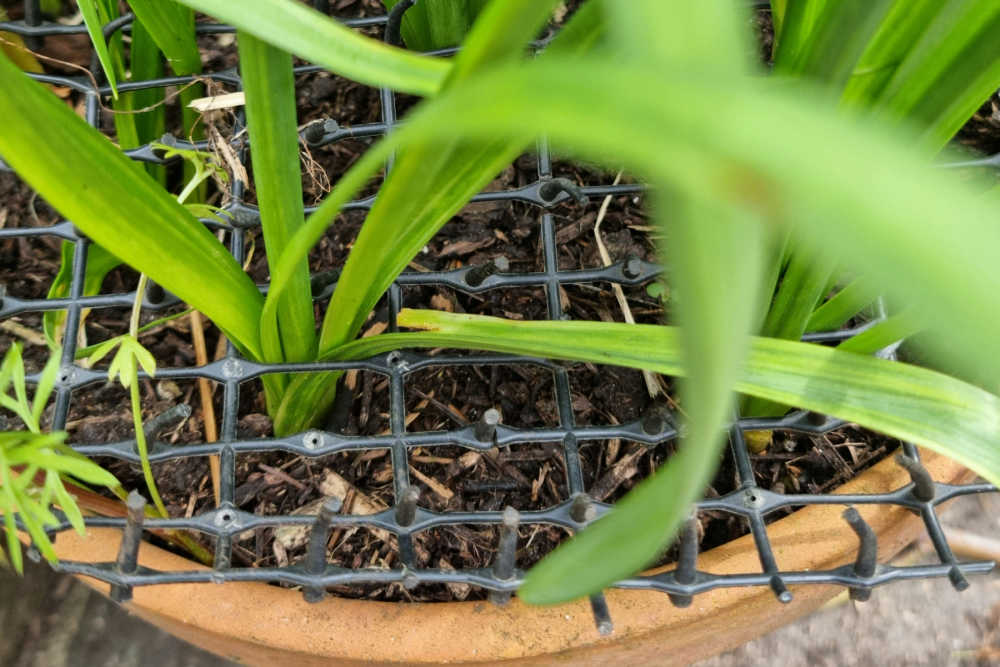
You can cut the prickle strips into pieces to fit around larger plants or just cover pots of bulbs completely and let the bulbs grow through.
Protecting Vegetable & Fruit Beds From Cats
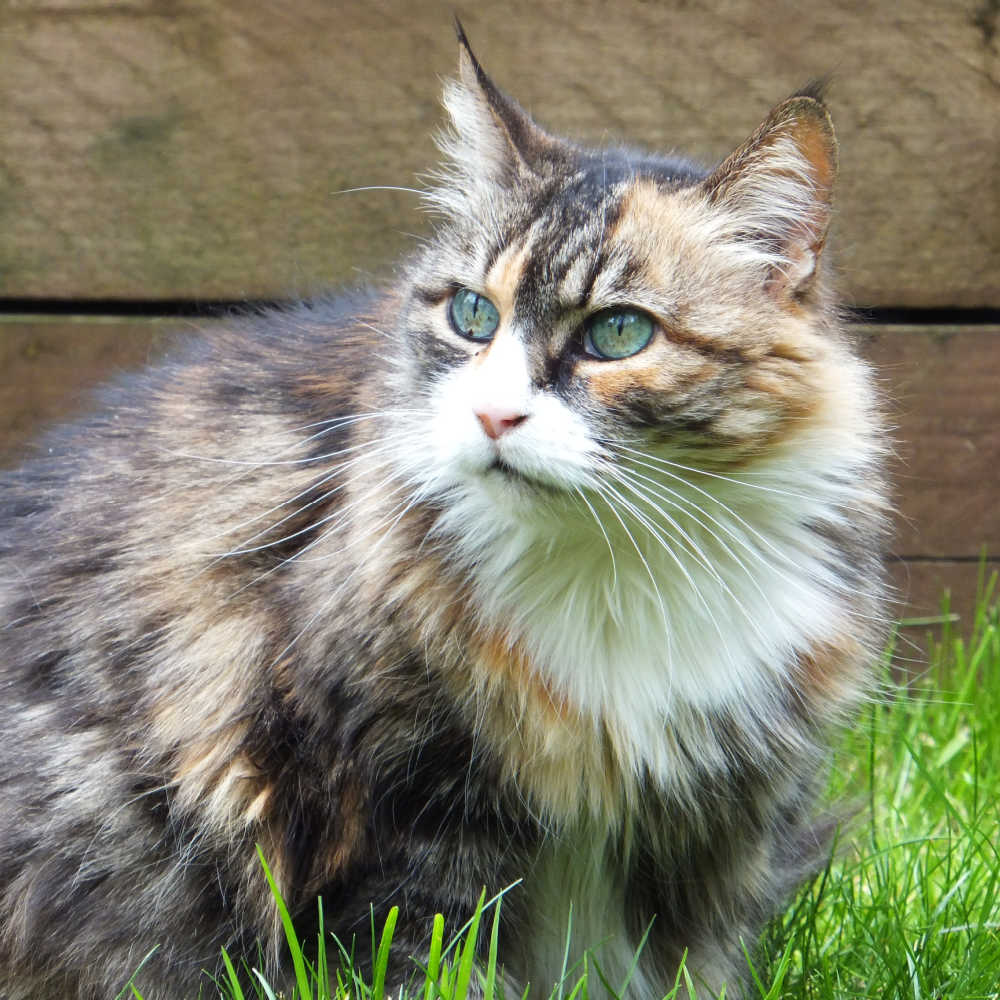
Cat poop on fruit and vegetable gardens can cause toxoplasmosis, a serious infection in pregnancy and for the immunocompromised.
You can protect crops with cat repellents we've already covered :
- Prickly hedges
- Cat scarers
- DIY prickle covers
- Prickle strips around soft fruit plants, tomatoes, courgettes etc.
But other good repellents to keep cats off vegetable beds include :
- Rigid Vegetable Covers
- Pea Stick Tripods
- Wind Chimes & Spinners
Rigid Vegetable Covers
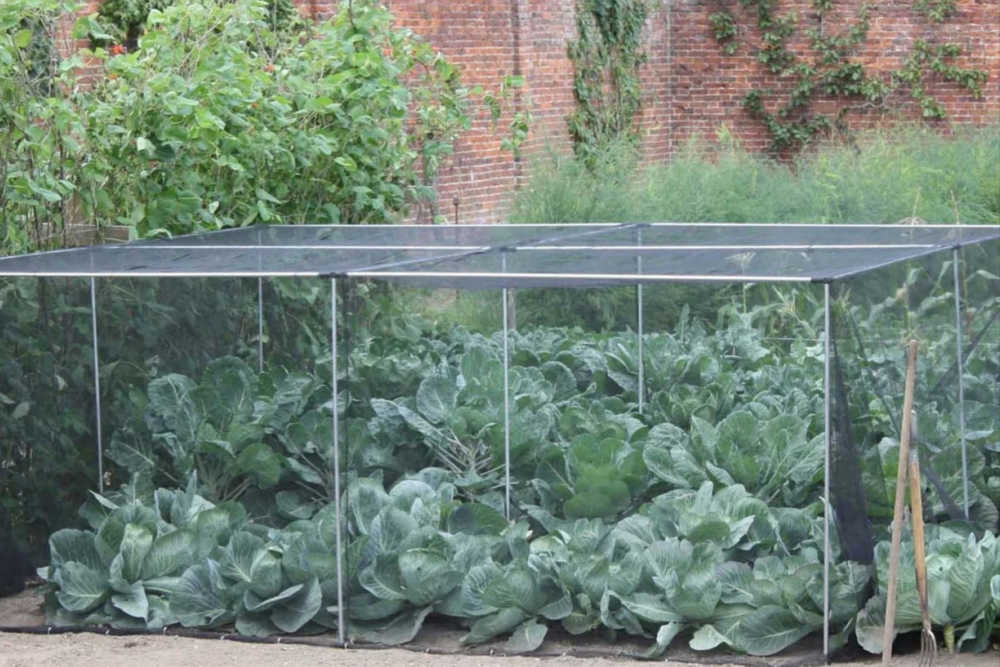
If you grow your own food and struggle to keep cats out of the garden, focus initial efforts on making beds safe with covers.
There are all sorts of covers available to keep veggies safe from cat poop.
But I would recommend vegetable cages or rigid top covers as cats will - believe me - jump on and poop on soft hooped vegetable netting.
You can buy flexible vegetable cage kits or make your own vegetable cages to keep cats off crops.
Other cat repellent options are
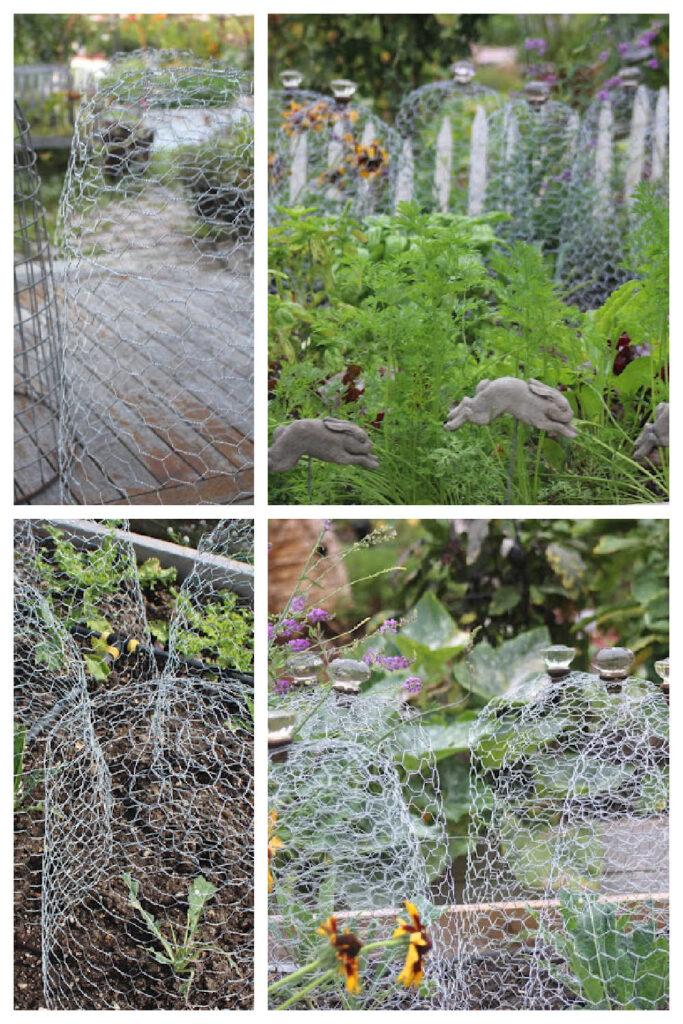
Pea Stick Tripods
Simple pea stick tripods provide extra cat protection for vegetable beds if you only have soft covers.
Make them extra protective by :
- Using thorny hedge cuttings
- Or attaching chicken wire.
You can also hang DIY wind chimes.
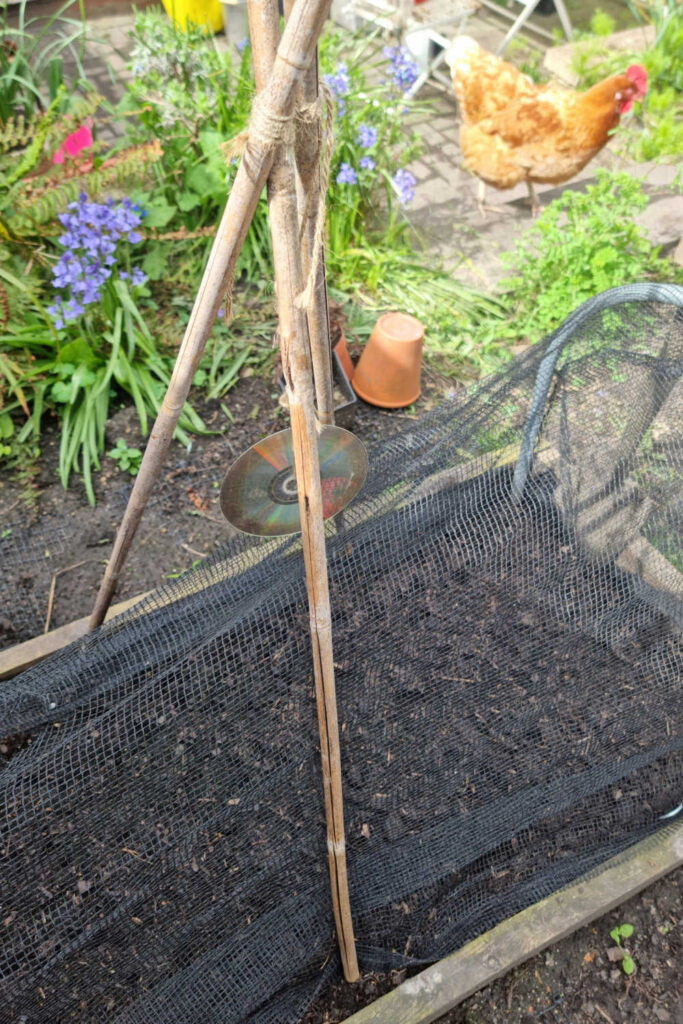
Wind Chimes & Spinners
Basic DIY wind chimes and spinners can help repel cats from pooping on your vegetable and fruit beds.
Simply tie them to frames and supports for tomatoes, raspberries and the like or to tripods over beds.
Old DVDs and CDs make brilliant spinners, with the light keeping cats, birds and chickens off your fruit!!
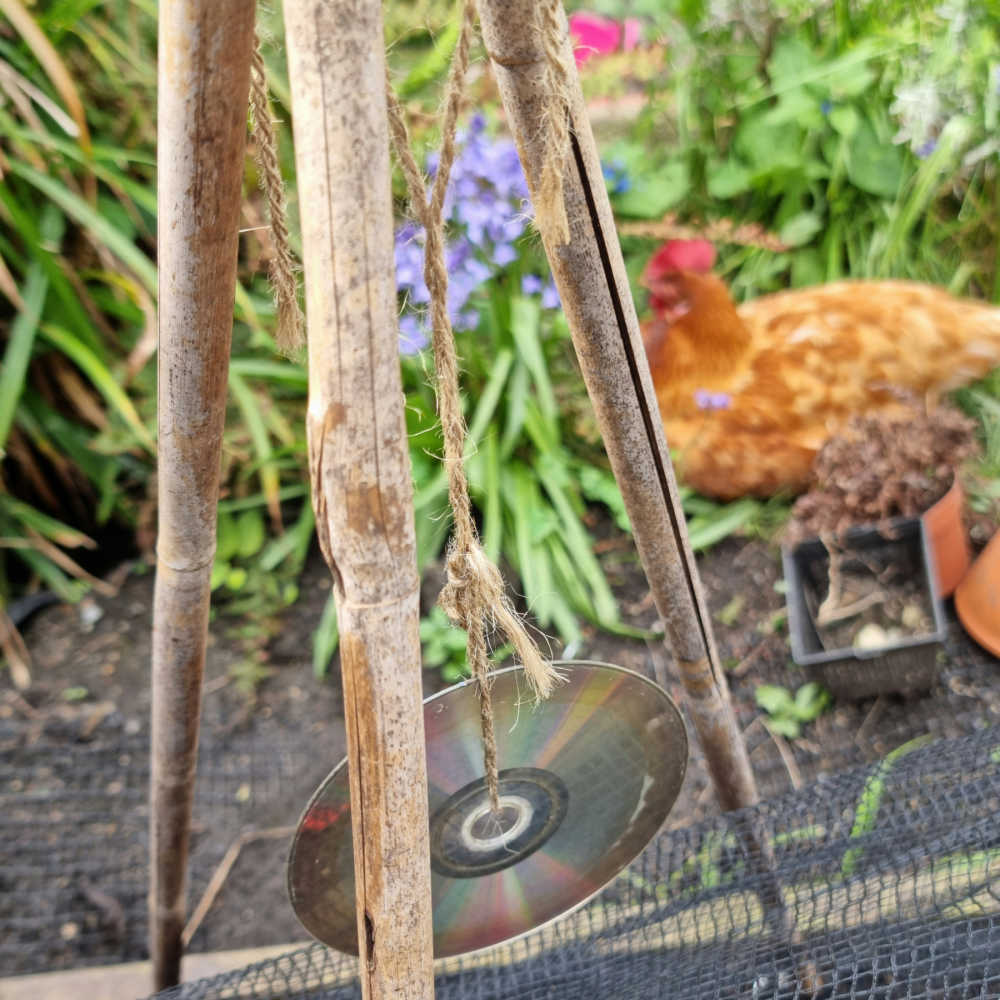
Or you can make super pretty cat-repellent wind chimes from old jewellery and cutlery ...

How To Protect Flower Beds From Cats
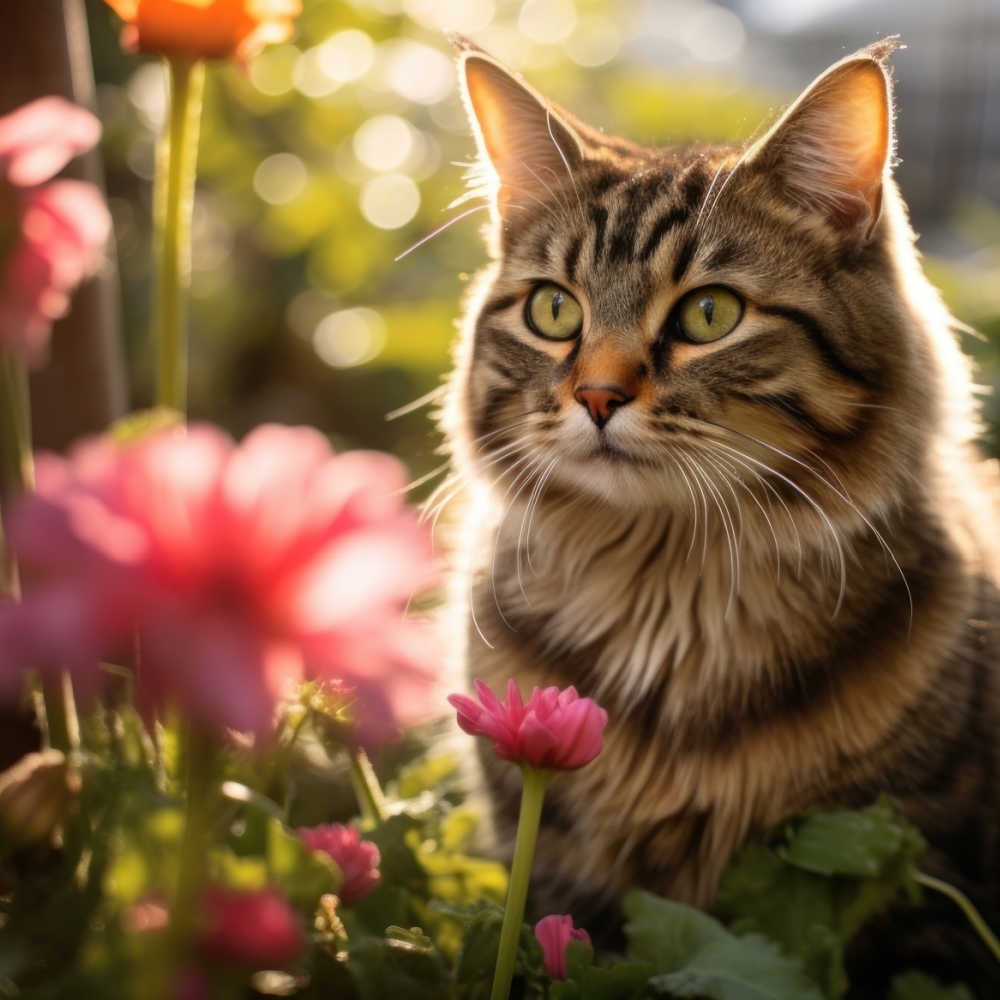
To stop cats sitting on and squashing or digging up your prize specimens grow at the front of your flower beds:
- Thorny ground cover
- And plants cats hate the smell of.
PLUS gorgeous prickly rambling roses at the back of beds to make them as unfriendly as you can.
Combine these cat repellent plants with prickle strips, cat scarers and windmills whilst plants establish themselves and use a water pistol to train your cats to stay away.
If it's your cat doing the damage you can create a hidden away :
- Outdoor litter box
- Surrounded by plants cats love.
Outdoor Litter Box
The outdoor litter box just needs to be a small area of sandy soil that you help your cat keep fairly clean.
Plants Cats Love
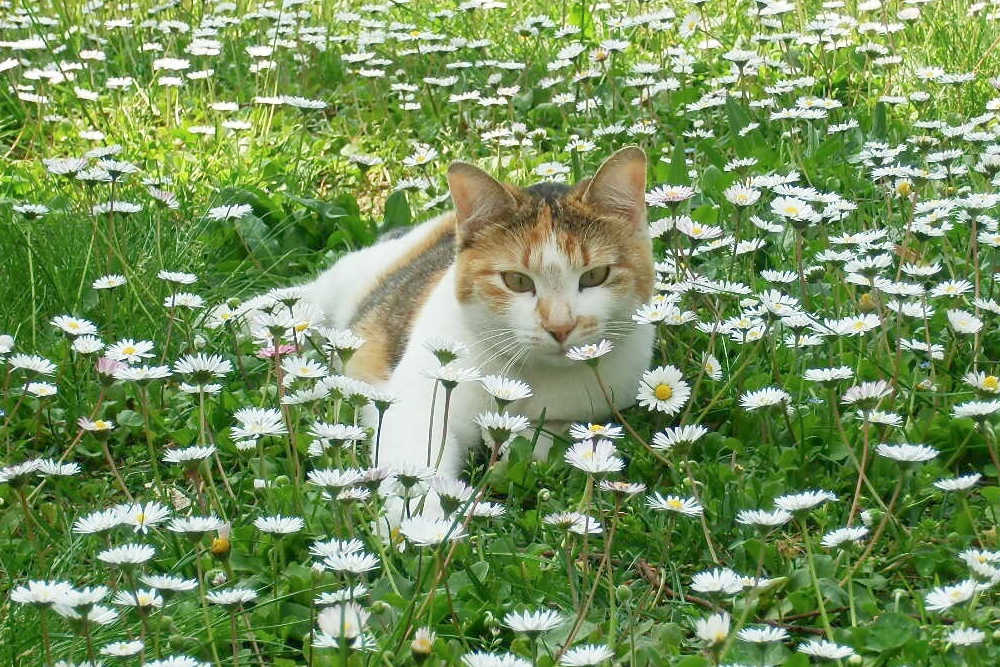
Encourage your kitty to use the outdoor litter tray by growing these plants cats love all round it :
- Catnip
- Valerian
- Chamomile
- Licorice Root
- Peppermint
- Cats Claw
- Golden Seal
Cats are of course contrary ...
And you can be sure your cat will love some plants most cats hate, so plant these by the litter box too!
But remember NOT to eat herbs growing by the litter box as these could pass on toxoplasmosis.
And there you go, all sorts of plants cats hate to repel them from your garden. Let me know what works for you.
Do bookmark the guide or save on Pinterest to come back to.
For more simple gardening tips check out my other grow your own posts and follow me on Pinterest.
Original images: 1, 2 used under creative commons licence.Easy Low Carb Side Dish Recipes


Healthy Pregnancy Snacks


Healthy pregnancy snacks we can grab easily on the go truly are a lifeline as our baby bump grows.
Quick healthy snacks can stave off pregnancy nausea in the first trimester and boost energy when we're big and tired in the third.
The right healthy pregnancy snacks can also boost our nutrition going into labour which can in fact help with our newborn's breastfeeding and sleep and even with baby colic!
So I have here a big list of grab-and-go healthy pregnancy snacks including easy snack ideas for :
- 1st Trimester Morning Sickness
- 3rd Trimester Fatigue
- Stashing In The Freezer
I do hope these snack ideas help. Let me know what works best for you.
And do bookmark or save on Pinterest for quick reference.
This is not medical advice. Contact your doctor for any concerns during pregnancy.
Table of Contents
Anti Nausea Snacks For Pregnancy First Trimester

The best pregnancy snacks in our first trimester are super simple as nausea and our strong sense of smell puts us off anything else.
But nutritionally we still need key minerals like B12, iron & magnesium PLUS plenty of protein for us & baby.
Food rich in vitamin B6 can also help ease morning sickness symptoms.
So stock up on these nutrient rich, anti-nausea snack ideas :
- Very Plain Carbs
- Frozen Berries
- Cold Meat
- Super Simple Protein
- Nutrient Rich Nuts
- Pregnancy Nausea Tea
- Pregnancy Nausea Cookies
Very Plain Carbs
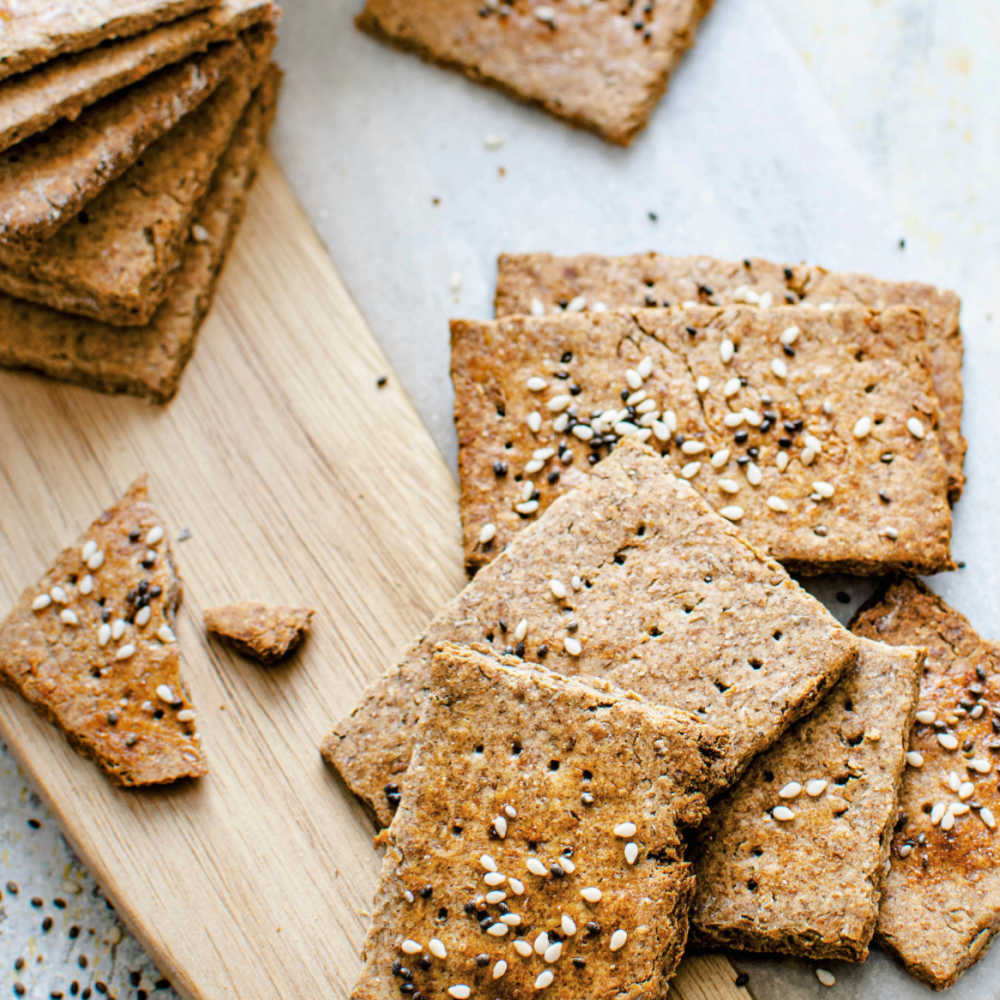
Many of us have saturated ourselves with carbs causing blood-sugar issues. But if we have pregnancy nausea in the first trimester they may be all we can keep down :
- Plain oat cakes
- Plain crackers
- Wholemeal, wholegrain toast
- Spelt bread - lower GI
- Sweet potato crisps - lower GI
- Pretzels - you can make your own pretzel bites to flash freeze
- English muffin - less nausea inducing than other bread
- Baked potato - chill it in fridge after cooking then reheat or eat cold to lower GI impact
- Rice crackers - are a handy kids snack so practice making now:

Do check ingredients and avoid stuff with added sugar or artificial ingredients as both inflammatory.
Seek medical advice if you can't keep food down at all. You may have hyperemesis gravidarum like Kate Middleton.
Frozen Berries
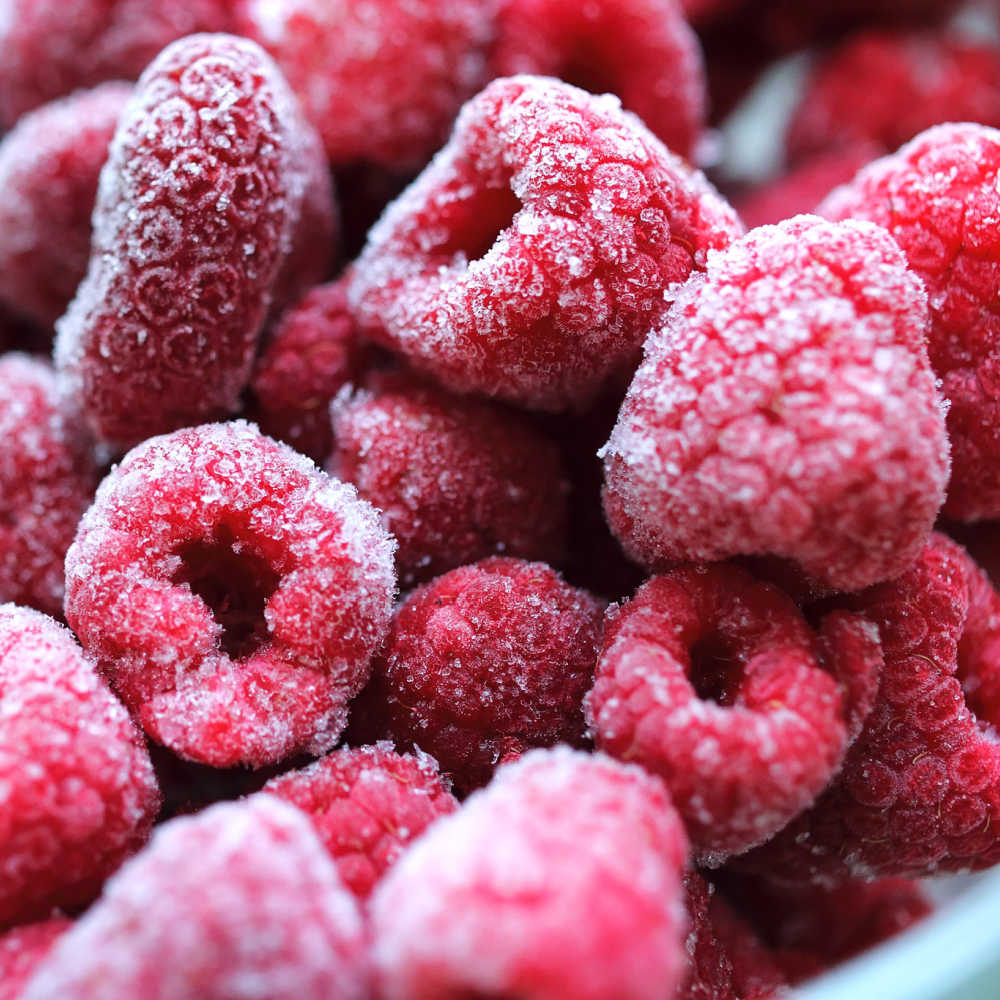
Sucking something relieves nausea but frozen fruit are a healthier option than anti-nausea sweets :
Buy bags of mixed berries with e.g. :
- Raspberries
- Blueberries
- Blackberries
- Strawberries.
Or flash freeze garden raspberries and foraged wild blackberries.
Other great nausea relieving snacks to keep handy in the freezer are :
- Grapes
- Peas - which are rich in folic acid
- Red pepper sticks - rich in B6.
Cold Meat

It is easy to end up deficient in protein, iron and B12 during pregnancy if we don't eat meat.
But eating just cooked meat in the first trimester can be challenging!!
So good quality slices of cold meat can be a healthy snack option :
- Beef - a nutrition power house
- Turkey - rich in anti-nausea B6
- Chicken - not as good for iron but sill nutritionally valuable
- Ham - you can freeze cooked to add protein to green soup.
Cold meat is more nutritious sliced off a roast joint than in packets with sugar, weird additives and the risk of listeria. Make sure meat is cooked well - not rare - and stored safely.
Super Simple Protein
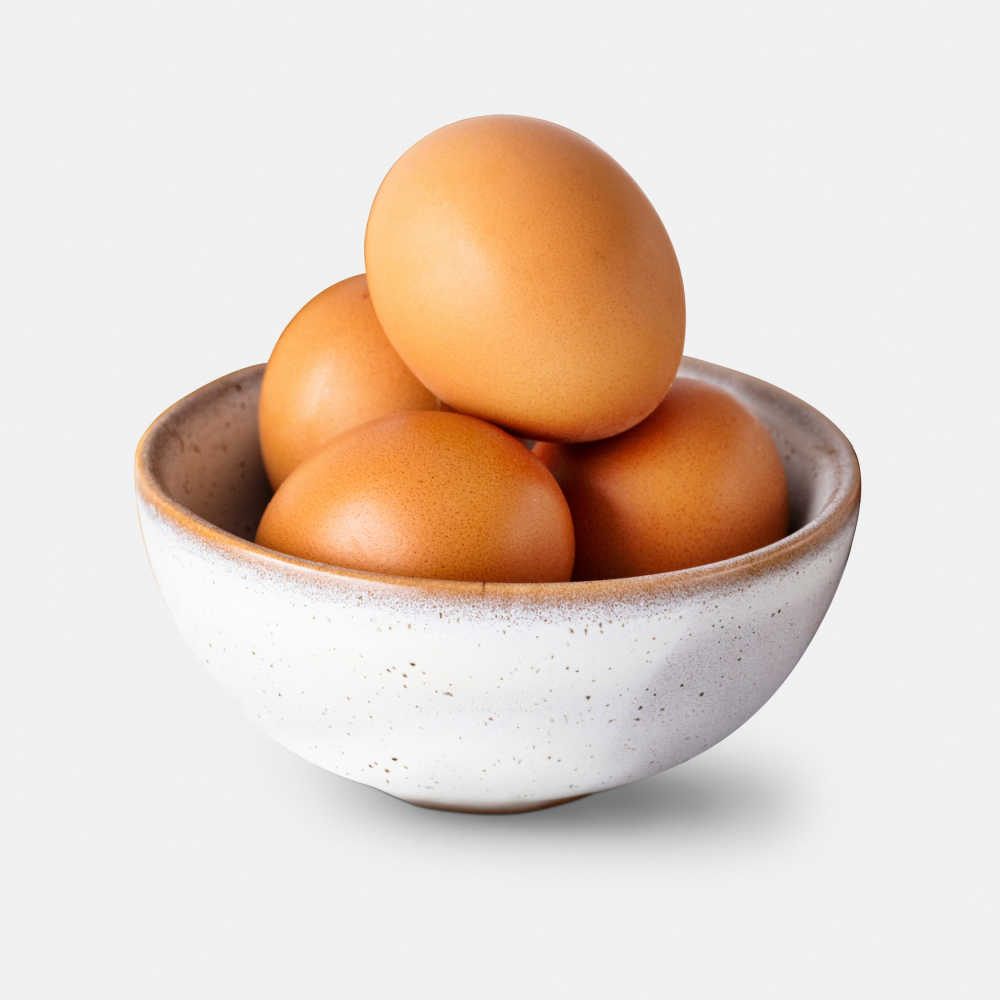
Other super simple options for protein rich snacks when feeling nauseous in the first trimester are :
- Cottage cheese - with crackers
- Hard boiled egg - very fresh eggs are less likely to trigger nausea
- Tuna & rice - both are B6 rich
- Hummus with vegetable sticks
- Mashed avocado & egg on toast or with B6 rich red pepper sticks
- Roast chick peas - very easy to make your own roast chick peas :

Nuts
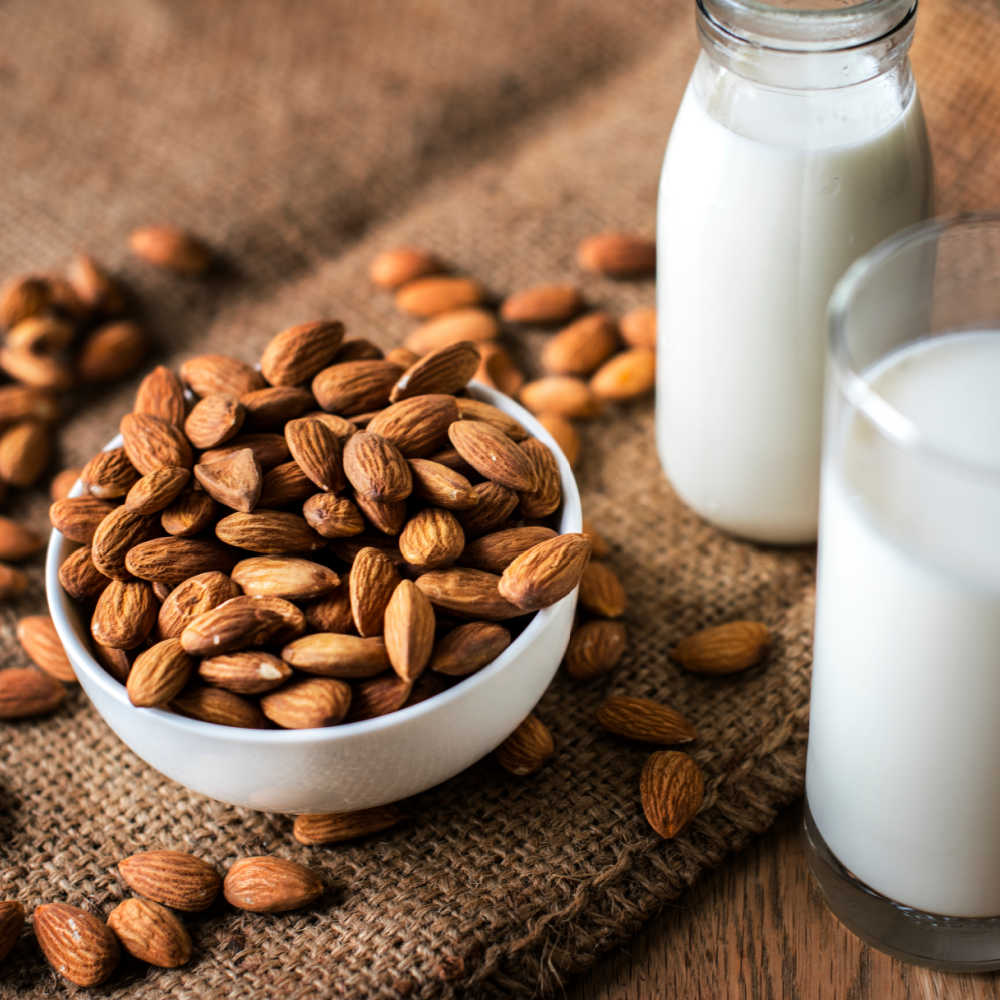
Nut allergies have made us nervous of eating nuts but if you don't have a nut allergy they are safe to eat in pregnancy and are rich in B6, B12 & magnesium for better sleep :
- Almonds
- Cashews
- Brazil nuts.
Pregnancy Nausea Teas
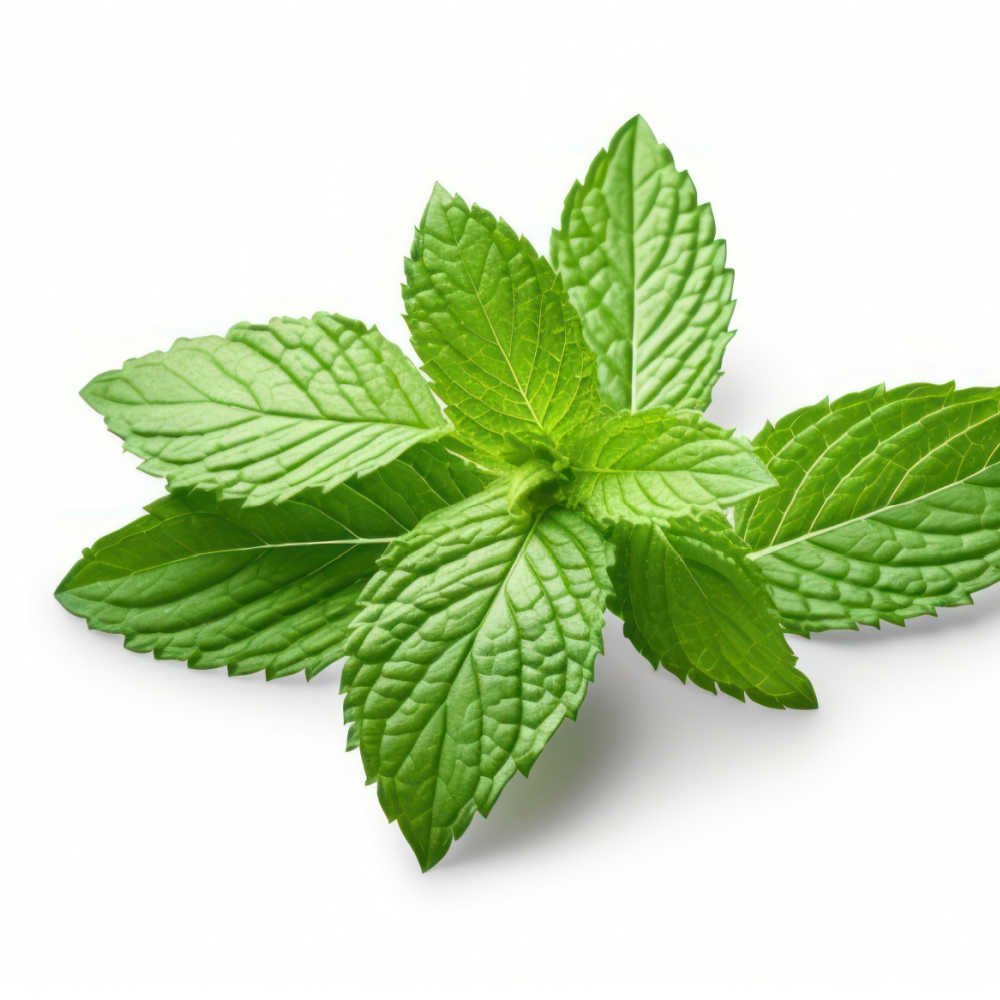
Drinking anti nausea tea can help us keep down other pregnancy snacks if we’ve got morning sickness:
- Ginger
- Lemon
- Peppermint
- Chamomile
You don't need to fork out for fancy pregnancy teas, make your own from from the kitchen cupboard.
If you are not a tea sipper, chill the tea and then combine with sparkling water which also helps with nausea.
Pregnancy Nausea Cookies

High blood sugar in pregnancy can lead to both polyhydramnios and gestational diabetes so we do need to keep an eye on the carbs.
But homemade ginger or lemon cookies can be a healthier option.
Ginger Anti Nausea Cookies
These ginger cookies are made with almond flour, honey and coconut sugar so gentler on the stomach than those made with all-purpose flour ...

Lemon Anti Nausea Cookies
These lemon cookies are made with almond and coconut flour so again gentler on the stomach in the first trimester of pregnancy. If you are cutting right back on sugar you could skip the glaze without losing out on the delicious lemon flavour ...

For more tips to help with morning sickness do check out this big guide to pregnancy nausea remedies.
2. Nutritious High Protein, Low Carb Pregnancy Snacks

We may not need to eat for two in pregnancy but we do need to keep our energy up as baby & bump grow.
So healthy pregnancy snacks that boost energy without sending blood sugar sky high are super valuable in 2nd & 3rd trimesters.
Ideally these snacks also need to :
- Deliver key nutrients
- See off constipation
- Ease inflammation.
And luckily there are a whole load of quick and easy pregnancy snacks that do just that including :
- Simple Keto Snacks
- Super Fruits
- Nuts & Seeds
- Delicious Dairy
- Quick Fish
Simple Keto Snacks
You don't have to be fully signed up to a keto diet to enjoy the low carb energy boosting benefit of these quick Keto snacks including delicious :

Super Fruits
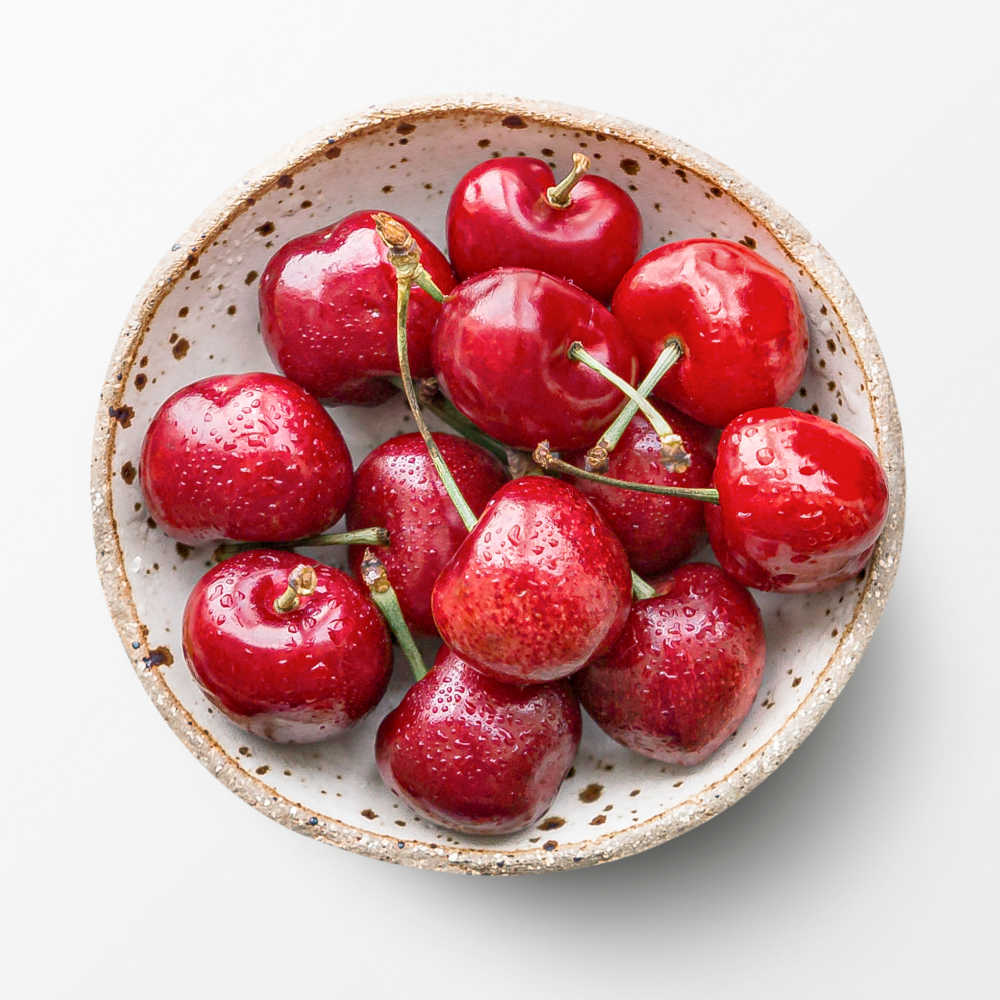
Fruit make great snacks as it is :
- Full of vitamins & antioxidants
- And fibre rich to ease constipation.
But most fruit is high in sugars so try these for a low GI option :
- Raspberries
- Apples
- Dried apricots
- Dried prunes
- Cherries.
Most fruit is also acidic and triggers acid reflux so if you suffer with heartburn try these low acid fruit.
Nuts & Seeds
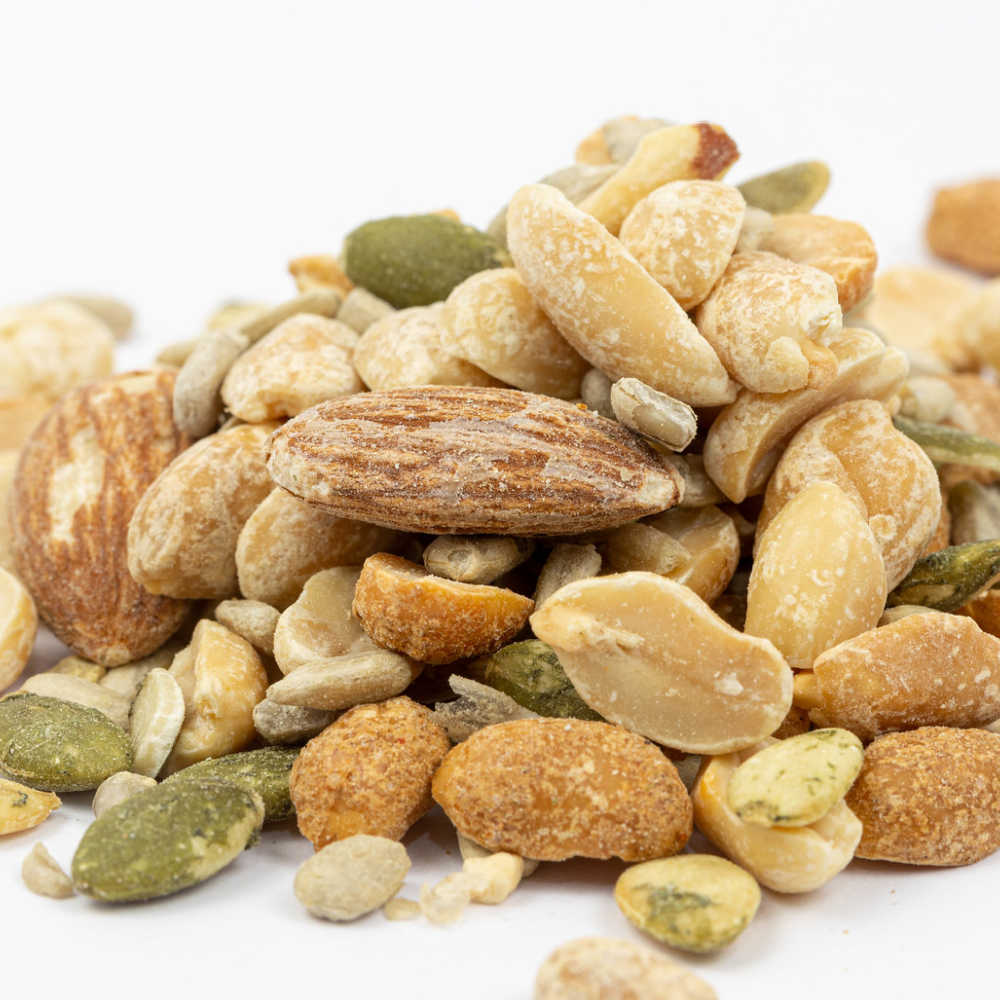
Nuts and seeds make great healthy pregnancy snacks as they are :
Stock up on a range of these to make trail mix or add to other snacks :
- Sunflower seeds
- Pumpkin seeds
- Flax seeds
- Chia seeds
- Walnuts
- Pistachios
Nut butters are a great quick protein-rich option with crackers and you don't need to stick to peanut butter as it is now easy to buy :
- Almond Butter
- Cashew Butter
- Hazelnut Butter.
Delicious Dairy
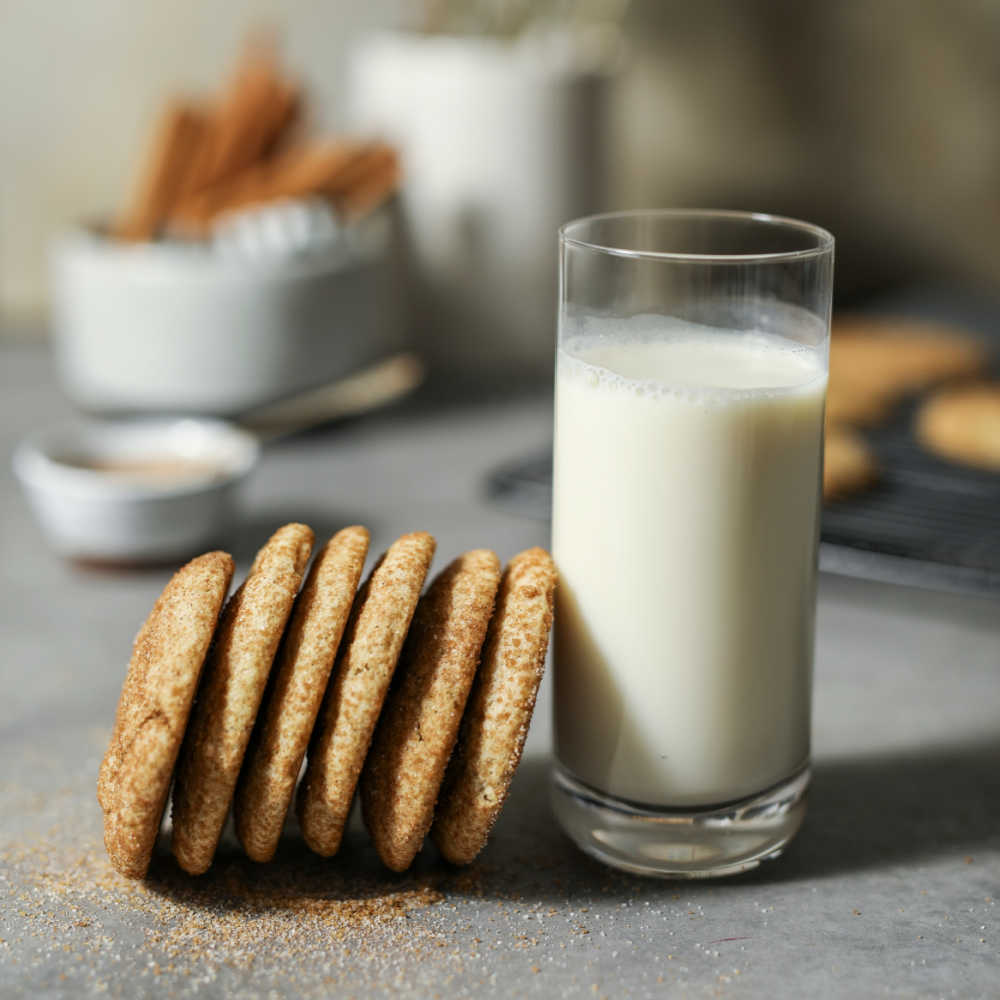
Many of us have ditched dairy but full fat milk from pasture fed cows is :
- Nutrient rich
- Helps us absorb key nutrients
- Balances hormones
- And keeps us full.
So if you enjoy milk combine your other snacks with one of these :
- Glass of full fat milk
- Slices of cheddar
- Natural yoghurt - make sure it has no sugar or additives.
Do remember to avoid blue or unpasteurised cheese.
For a quick pick-me-up pregnancy snack when you're exhausted in the 3rd trimester nothing beats a big bowl of porridge with :
- Full fat milk
- Nuts
- Seeds
- Frozen berries
- Topped with honey or cream!!
A big bowl of porridge is also a real winner when you are breastfeeding.
Quick Fish
Fish is a great easy to digest source of protein and important fats BUT the smell can trigger pregnancy nausea in the first trimester.
Simple no faff options which minimise nausea triggers are :
- Salmon fillets - just shove in oven for 20 minutes at 350f as is.
- Cod fillets - as above, plain mash will help your stomach handle it.
Another great option is to get in the habit of making fish bites for the freezer. They are great kids food :
- Salmon bites - you can bake or air fry these quick salmon nuggets
- Cod fingers - or make your own super healthy fish fingers.

Healthy Pregnancy Snacks For The Freezer

There are all sorts of delicious low-carb, protein-rich pregnancy snacks you can make easily for the freezer from no bake energy bites to :
- Black bean brownies
- Frozen yoghurt berry bites
- Protein popsicles
- Pregnancy muffins
Many of these are also a great freezer stash for when you're breastfeeding and again need energy boosting snacks you can grab and go.
Black Bean Brownies
These black bean brownies are chocolatey but otherwise low GI and protein and fibre rich ...

Frozen Yoghurt Berry Bites
These berry bites make gorgeously delicious healthy freezer treats ...

Protein Popsicles
If you are pregnant over summer protein rich popsicles make a cool, energy boosting pregnancy snack.
This very simple recipe is just yoghurt and berries ...

Whilst these breakfast popsicles have added granola ...

And these pregnancy popsicles have granola with coconut and mango ...

Pregnancy Muffins
Muffins are easy to make and make healthy so again are great snacks to stash in the freezer when pregnant and then when breastfeeding.
These blueberry muffins are packed with oats & yoghurt but sugar free ...

Whilst these oat muffins are full of energy boosting bananas and flaxseed ....

And there you go over 50 super easy, healthy pregnancy snacks to ease nausea in the first trimester and boost energy - without sugar spikes - all the way through pregnancy.
Do bookmark or save on Pinterest for quick reference.
And for more simple tips explore my other pregnancy & baby tips posts and follow me on Pinterest.
Original image sources : Pregnant woman by Raw Pixel and Fresh Blueberries above white background with copy space, Green grape by Marco Verch under Creative Commons 2.0
Natural Antihistamines For Allergy Relief

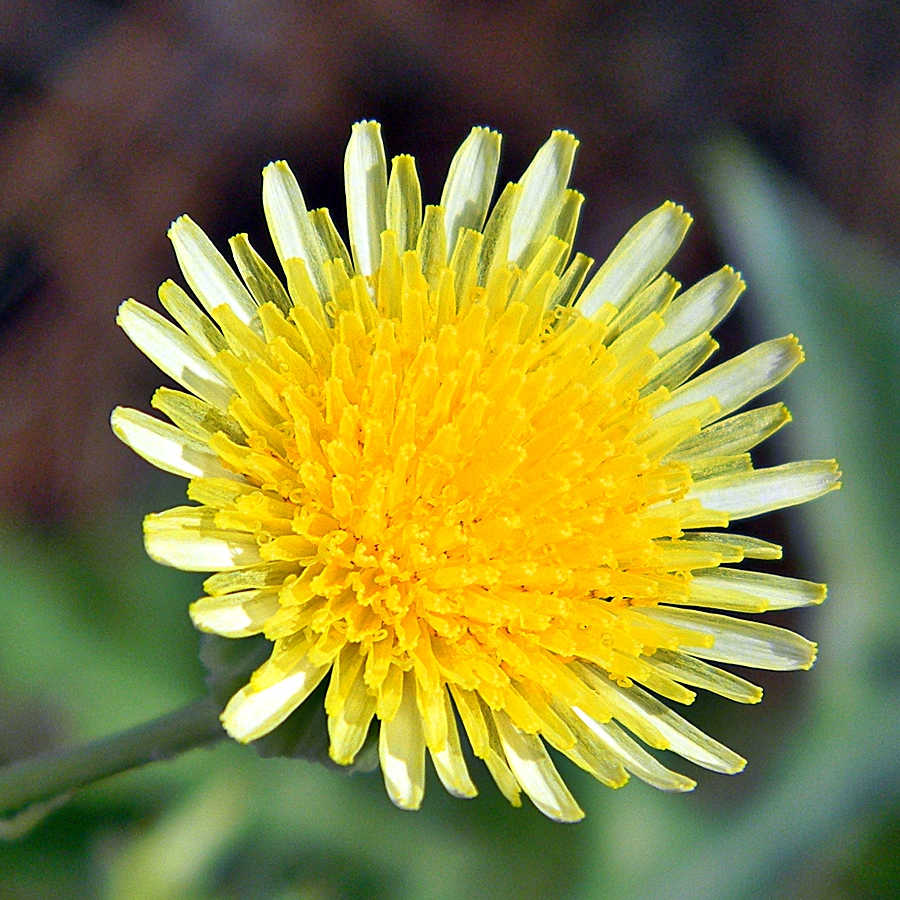
Foods rich in natural antihistamines really can offer allergy relief and especially so in the summer when our sinuses are suffering with pollen.
So I have for you here a simple guide to natural antihistamines covering :
- Antihistamine Basics
- Allergy Relief Diet
- Antihistamine Ingredients
- PLUS Allergy Relief Extras
Hopefully it will help you include lots of healthy antihistamines in meals easily AND spot surprising issues in your diet that make hay fever worse.
(If you are suffering with an insect bite or sting check out these home remedies for bites & stings).
This post should not be read as medical advice. Always see a doctor regarding new and changing symptoms of allergies.
Table of Contents
Basic Introduction To Natural Antihistamines
In this section I will quickly introduce you to to the basics of :
- Natural Anthistamines
- Flavonoids
- Bromelain
- High Histamine Foods
- Sugar & Histamine Issues
- Gastritis & Histamine Issues
- Histamine & Food Sensitivities
It is all useful but if you're in a rush skip to the Allergy Relief Diet section.
Natural Antihistamines
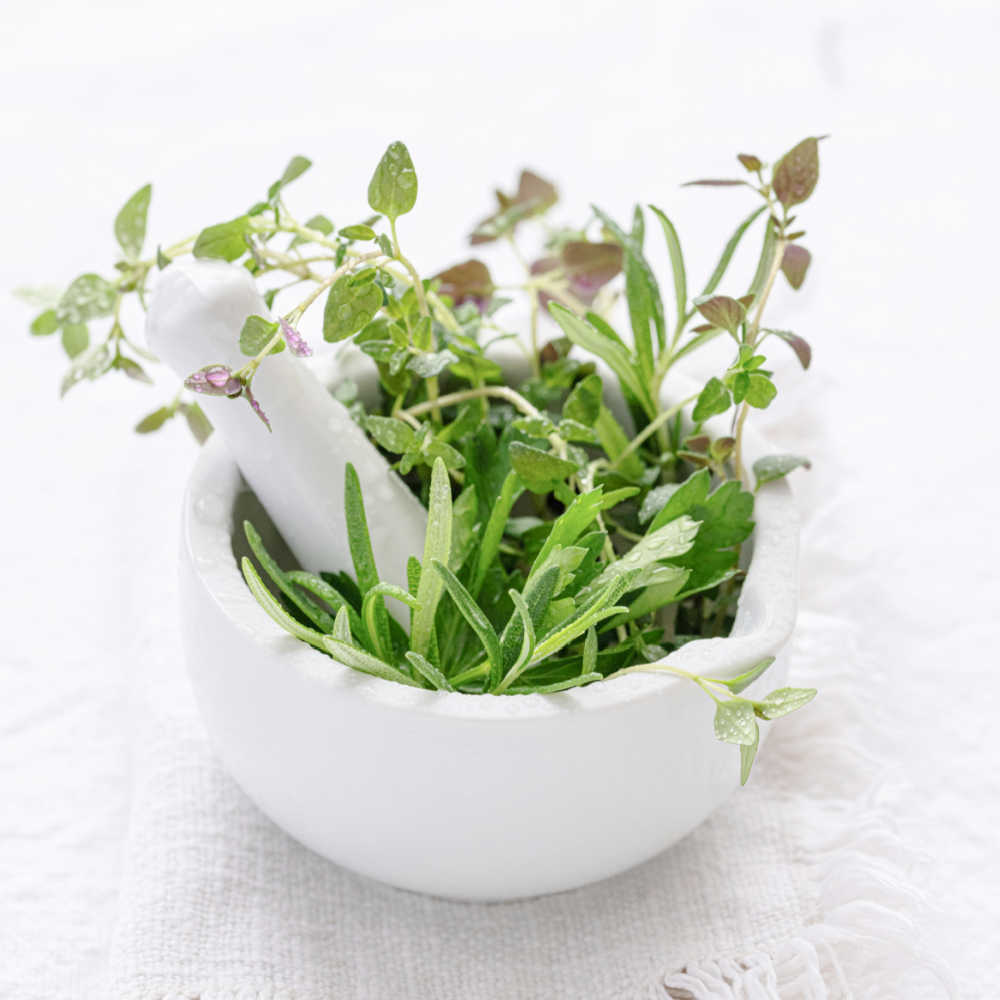
Many plant foods contain natural antihistamines that balance our body's inflammatory responses and help prevent excess :
- Inflammation
- And mucous production.
They also help our bodies handle foods high in histamines e.g. fermented foods, pickles.
Helpful natural antihistamines include flavonoids that give plants colour plus the enzyme Bromelain.
Flavonoids

Research suggests we can get relief for hay-fever like symptoms from common flavonoids such as :
- Quercetin : capers, dill, kale, watercress, coriander, radicchio.
- Rutin : apples, figs, black tea, green tea, olives, asparagus.
- Luteolin : thyme, beets, celery, spinach, beets, chili peppers.
But it is not clear from research how our body uses flavonoids like Rutin, Quercetin & Luteolin. Gorging loads or taking supplements doesn't help!!
But enjoying a range of flavonoid rich food in our diet makes a difference.
Bromelain
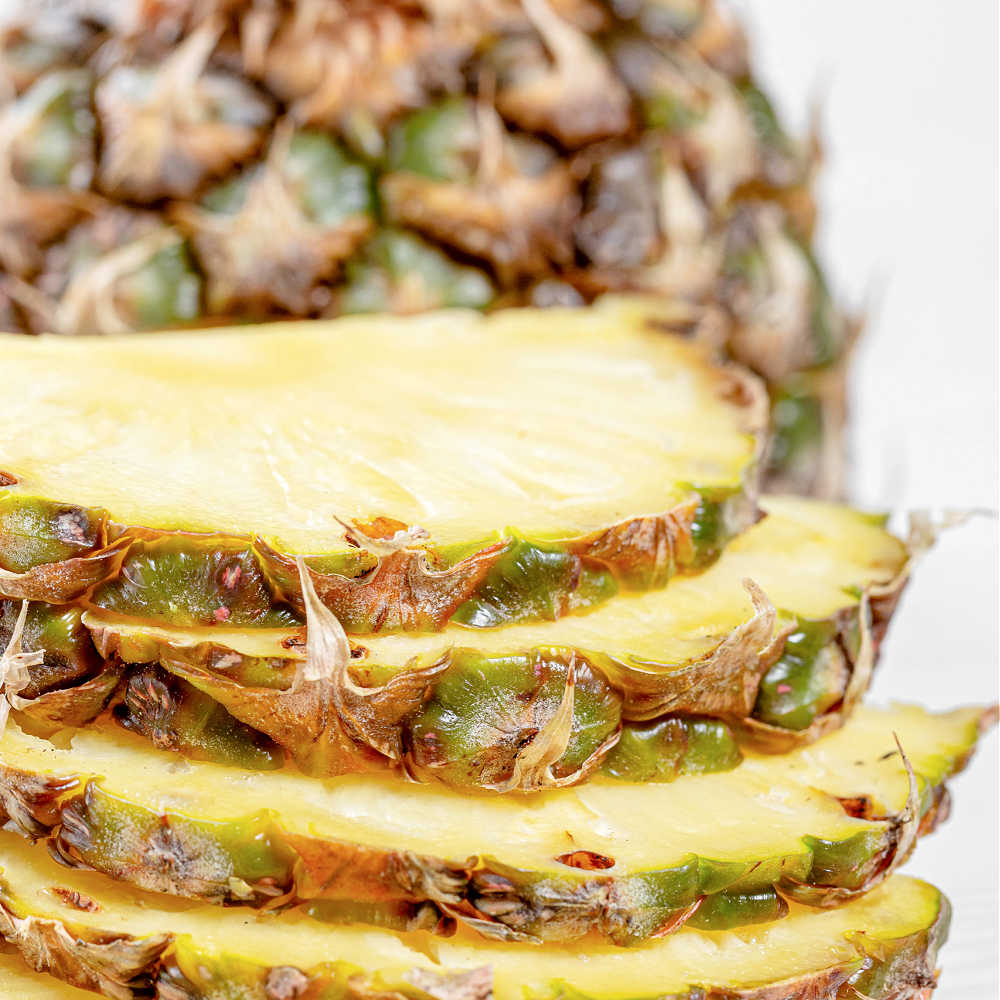
Bromelain is a digestive enzyme, found in pineapples, that can help relieve runny nose symptoms of allergies and hay fever.
You can buy Bromelain supplements but again it is not clear they help.
The secret of these natural antihistamines seems to lie in their interaction with other food including food high in histamines PLUS some other key chemistry in our gut.
High Histamine Foods

Some very nutritional foods like tomatoes are high in histamine or trigger the release of histamine.
They are great in moderation as histamines play a key role in our immune system flagging dangers but many of us saturate our body with e.g. yoghurt and fermented food.
Our sky high histamine levels can then be sent even higher by both :
- Crazy sugar levels
- Gastritis.
Sugar & Histamine Issues

Sugar seems to be a triple whammy for histamine problems as it:
- Causes high inflammation itself.
- Triggers histamine production as it erratically spikes & falls.
- Turns our gut into a gas works that produces even more histamine!!
Slashing sugar is one of the best things we can do for histamine issues as we'll see in the Allergy Relief Diet.
Gastritis & Histamine Issues
The human gut naturally produces the gases methane and hydrogen as part of normal digestion.
But both get out of hand in gastritis causing painful wind and belching.

Excess gas very often goes hand in hand with excess histamine. The hows and whys of this are not totally clear but it is a thing and your sensitivity to high histamine food may actually be too much gas!!
Histamine & Food Sensitivities
Some of us do have genuine food allergies and intolerances but often the problem is not actually the food itself but rather the state of our gut.

I thought I was super sensitive to tomatoes that seemed to cause headaches, itchy skin and sore eyes.
It wasn't the tomatoes.
I just had crazy gas issues and high histamine from a fashionable but silly gut health diet. Sorting out the gas solved the tomato sensitivity.
So if you feel you are sensitive to high histamine food always look at your overall gut & digestive health first.
Allergy Relief Diet

It's very easy to get caught up in crazily obsessive diets but we do NOT need to drive ourselves nuts avoiding all high histamine food and gorging ourselves on antihistamines.
There are four very simple changes we can make to our diet to help ease allergies and hay fever :
- Seriously slash sugar
- Ease up on gassy food
- Stop saturating our bodies with high histamine food
- Enjoy flavonoid rich food
It is also worth testing for :
- Iron deficiency if you eat little red meat as it's tied to allergy issues.
- Magnesium deficiency as it's tied to hormone imbalance which in turn triggers histamine production especially in perimenopause.
Seriously Slash Sugar
Sugar messes with our whole body triggering back pain, dandruff, acid reflux and allergy issues of all sorts!!

So slash as much sugar as you can from your diet, especially leading up to and during hay fever season.
I give sugar up completely every year for Lent and the impact is amazing!!
If you can't go the whole hog do as many of these as you can :
- Avoid all sodas
- Chuck out candy
- Ditch cereals with added sugar
- Halve your breakfast juice
- Don't fall for granola or protein "health" bars that are full of it
- And watch out for sugary yoghurts
- Buy bakers not factory bread
- No cookies between meals
- Save up sugar for dessert - after protein - to stop the spikes.
Ease Up On Gassy Food
If you have excess gas symptoms ease up on gas producing food :
- Fruit Juice
- Pulses & Beans
- Very Gassy Vegetables e.g.
- Onions
- Garlic
- Artichokes
- Broccoli
- Brussel sprouts
- Fermented Food.
This isn't about obsessively avoiding all of this food just easing up.
Stop Histamine Saturation
Obsessive food monitoring can in fact contribute to food sensitivities, so we absolutely don't want to agonise over high histamine foods.
But we need to stop saturating ourselves day in - day out with these common histamine triggers :
- Yoghurt
- Probiotics
- Tomatoes
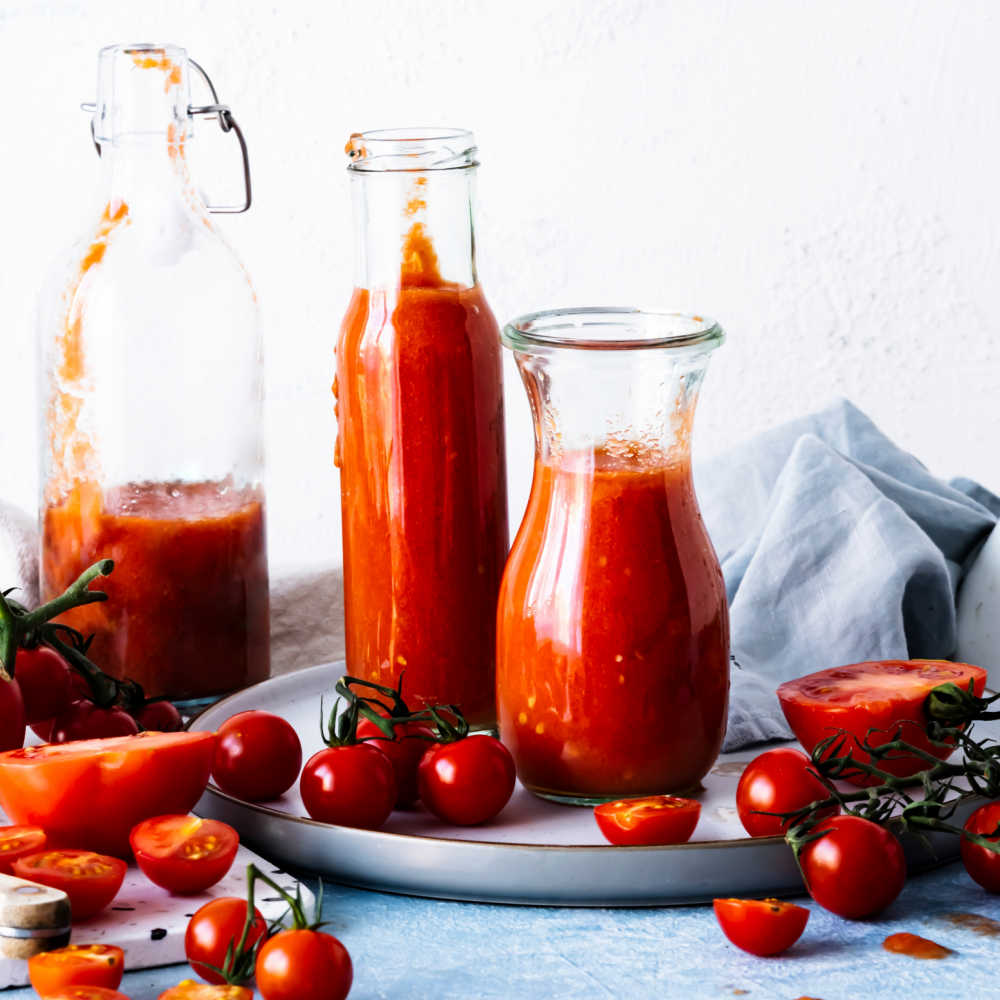
- Cheese
- Orange juice
- Beans & pulses
- Alcohol.
The easiest way to cut down is the half as much - half as often rule which can get us into the balanced diet ballpark without faff or fuss.
Enjoy Flavonoid Rich Food
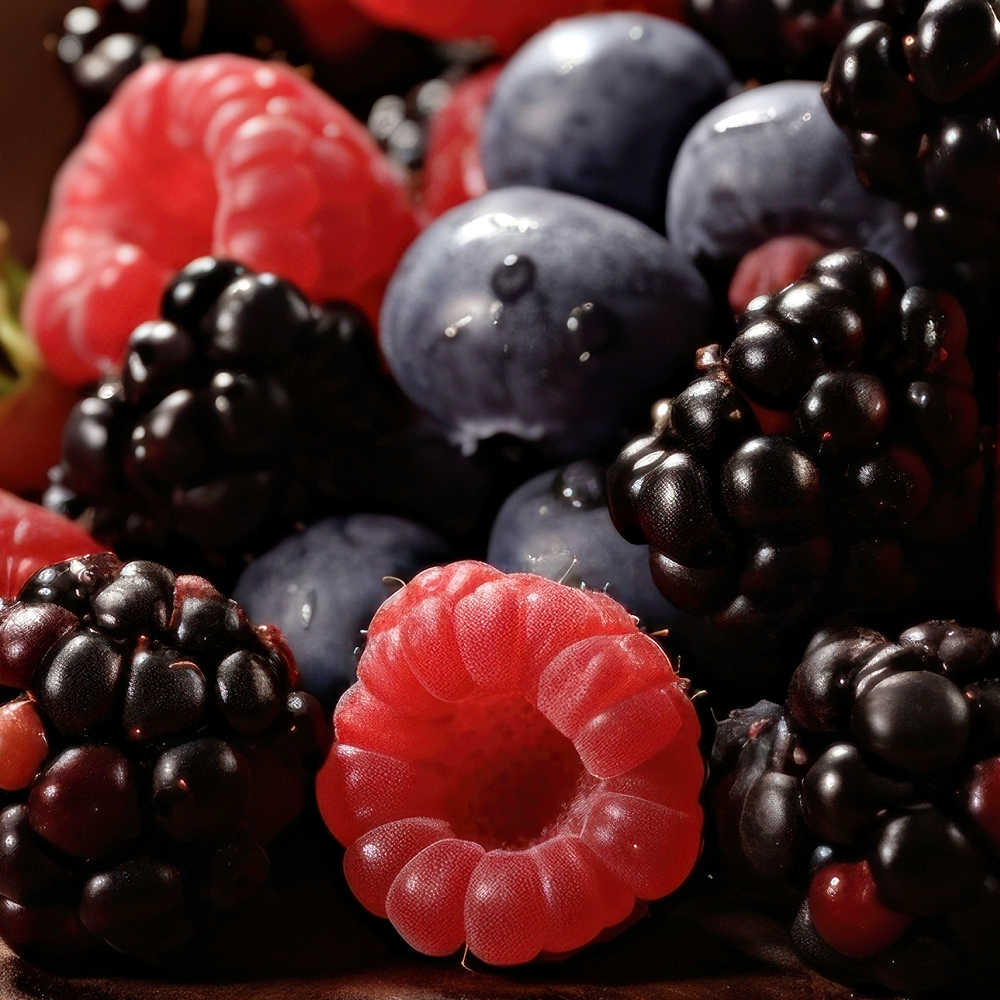
The final step in our allergy relief diet could not be easier. It is simply to add a great mix of flavonoid rich food into our daily diet including :
- Berries & Fruit
- Salad Leaves
- Herbs & Spices
- Garnishes
- Leafy Greens
- PLUS antihistamine extras.
The key word here is mix. We want a wide variety of flavonoids and other natural antihistamines so we don't saturate ourselves with anything.
You'll find lots of examples of all of these in the list of antihistamine foods in the next section.
Naturally Antihistamine Foods To Add To Your Diet

Use this big list of 45 naturally antihistamine foods to boost your antihistamine intake day in day out.
Some may look weird and wonderful but are easy to grow simply or forage for free and are higher in nutrients than many mass produced vegetables grown in poor soil.
Remember you are not trying to tick-off all of them and should not saturate yourself with any of them.
Just use the list to widen the range of plants you eat and enjoy regularly.
Also remember, our individual body chemistry is complex. You may be sensitive to food on this list that helps others so always listen to how your body reacts.
Natural Antihistamine Berries & Fruit
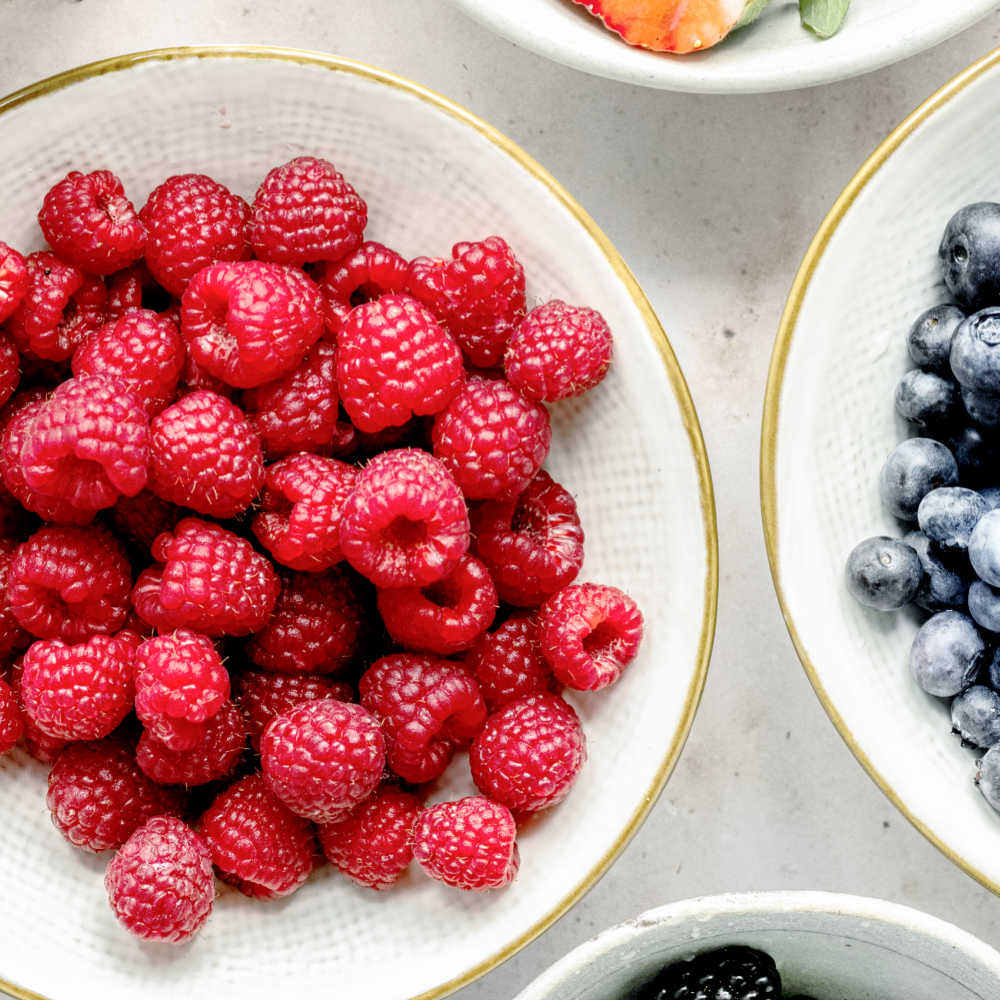
Many delicious berries are natural antihistamines including:
- Elderberries
- Blackberries
- Cranberries
- Blueberries
- Raspberries
- Mulberries
Fresh berries can be expensive but you can pick for free elderberries and blackberries and easily:
Other fruit that can help with histamine levels include :
- Apples
- Pineapple
- Figs
- Juneberry / saskatoon.
Natural Antihistamine Salad Leaves
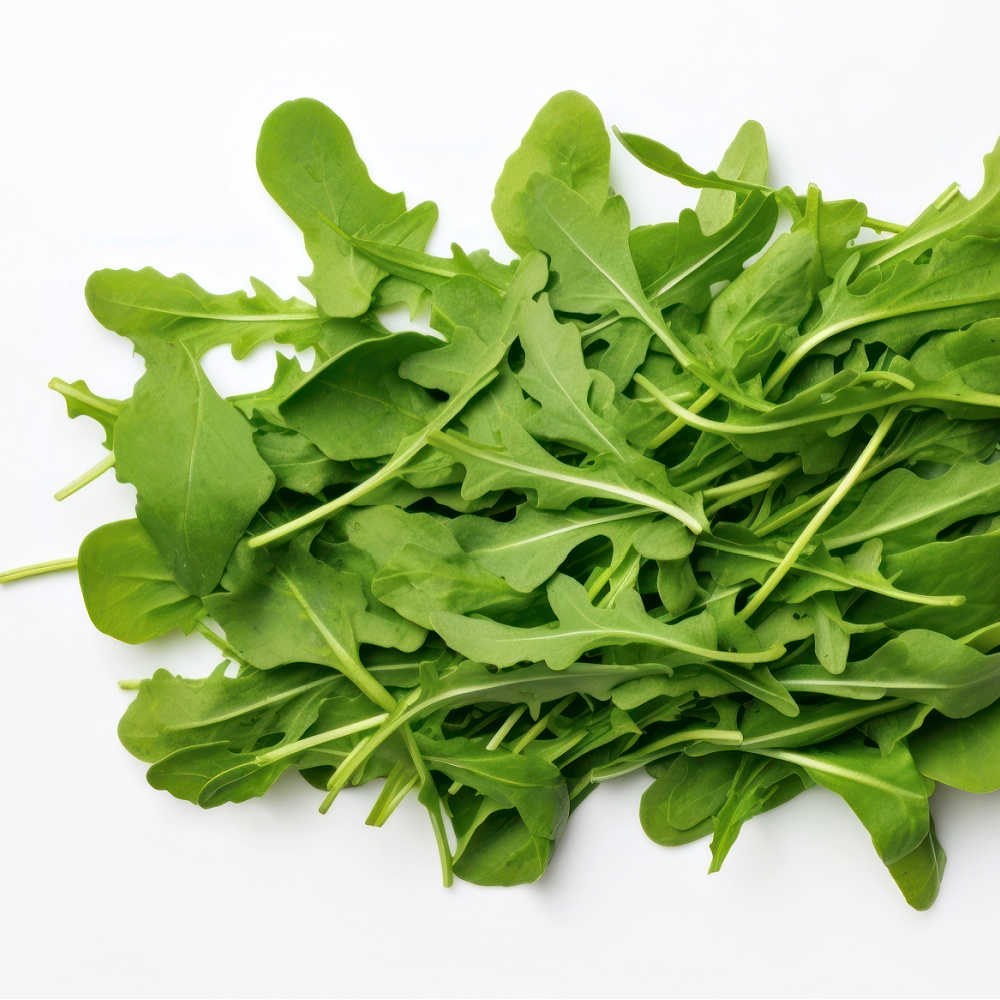
Many of the slightly less common - but super tasty - salad leaves are rich in natural antihistamines :
- Watercress
- Raddichio
- Asparagus
- Red leaf lettuce
- Wild rocket
- Romaine lettuce
Fancy salad leaves can be expensive but they are super simple and quick to grow for ourself in containers.
Natural Antihistamine Herbs & Spices
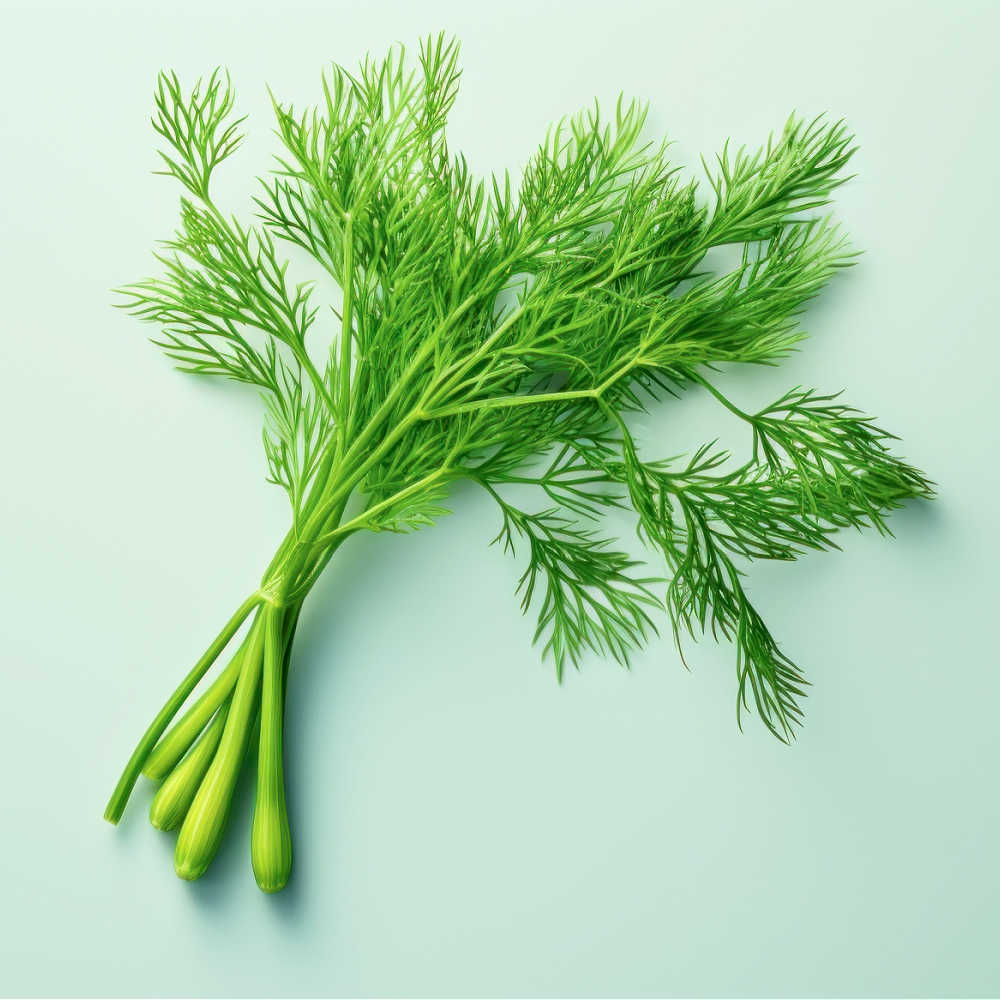
Adding a mix of herbs to food helps our body balance histamine levels.
Chuck some of these in cooking or sprinkle on salads or drink in DIY tea:
- Thyme
- Dill
- Parsley
- Cilantro / coriander
- Oregano / marjoram
- Tarragon
- Ginger
- Turmeric
- Basil
- Chamomile (part of the ragweed family so if you are sensitive to ragweed you may also be sensitive to chamomile)
- Nettles
- Rosemary
A mini herb garden gives us instant cheap access to natural antibiotics for all sorts of simple remedies. It is easy to get started with :
Natural Antihistamine Garnishes
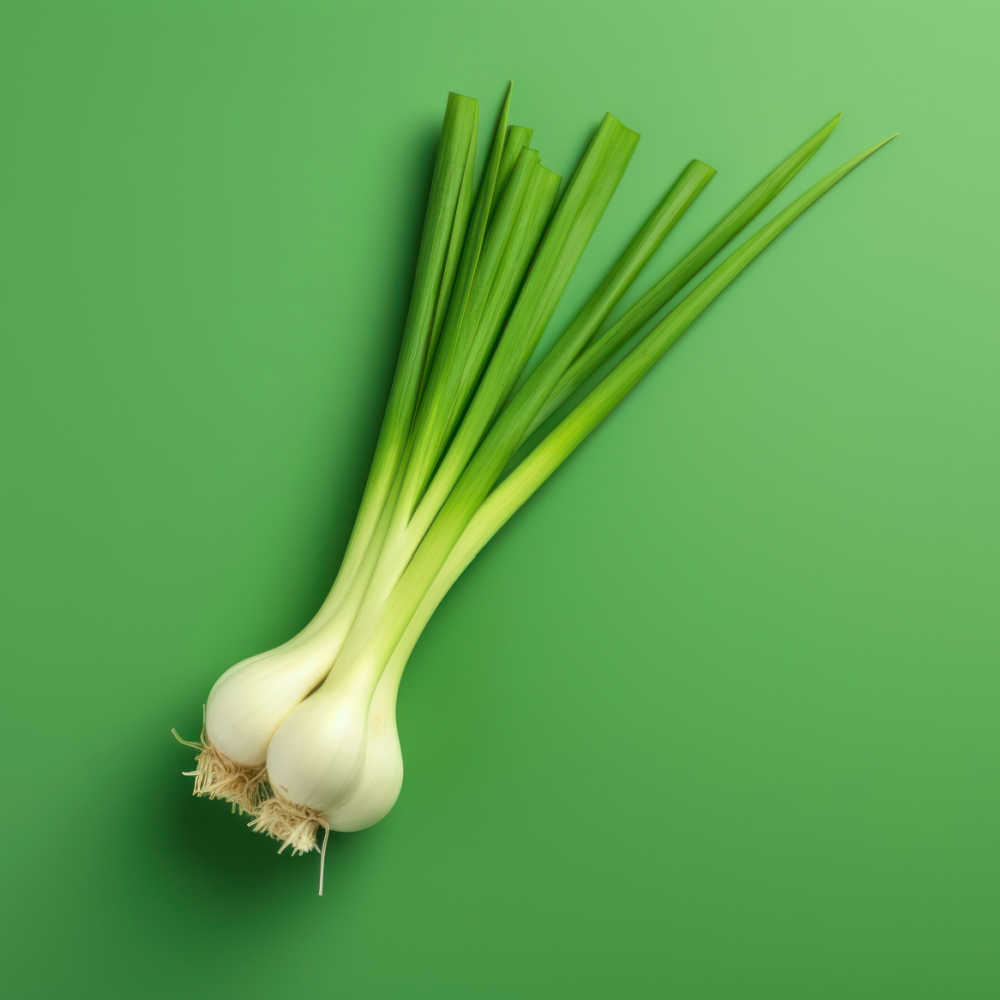
We never eat huge quantities of garnish but they really pack a punch. Capers for example are incredibly rich in the antihistamine quercetin.
So adding extra flavour to food can help balance our gut and histamine :
- Lovage
- Capers
- Banana peppers
- Fennel leaves
- Okra
- Red onions (raw)
- Ancho peppers
- Serano pepper
- Moringa / drumstick
- Chia seeds
- Green chilli peppers
- Scallions
Natural Antihistamines In Leafy Greens
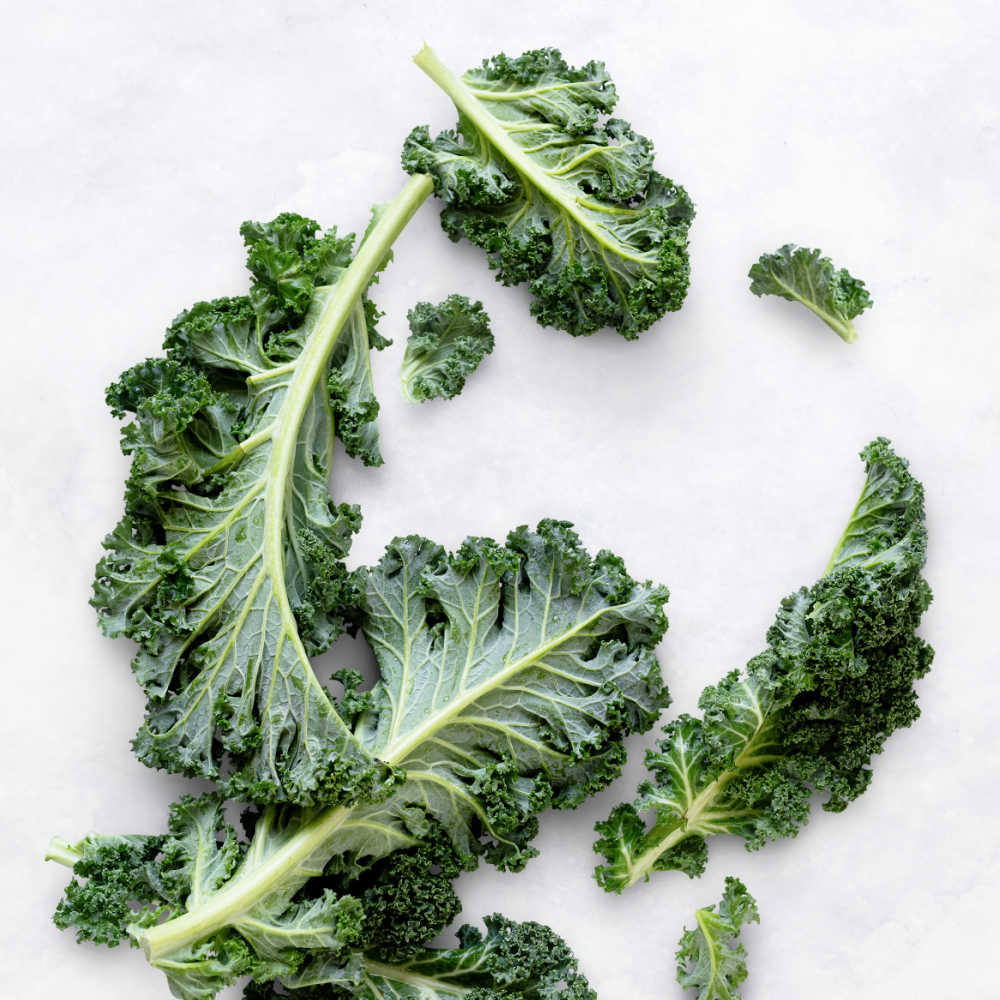
Eating leafy greens daily is a great way to ease inflammation as they are rich in iron, magnesium and a range of antihistamines.
Old faves like spinach and collards are good but adding in a mix of more unusual quercetin rich green leaves can help build our allergy resilience :
- Dock
- Kale
- Mustard greens
- Turnip leaves - they taste amazing with butter, who knew!!
- Radish leaves - radishes are super easy and quick to grow
- Sow thistle - a kind of dandelion also known as hare's lettuce.
If you are struggling to eat leafy greens daily try making :
- Quick Green Soup
- Blending leafy greens into macaroni cheese or lasagna
- Adding them to berry smoothies :

Or for even more ideas check out these green vegetable recipes.
But do make sure you cook your greens properly to reduce the impact of anti-nutrients that can block key minerals and cause gut issues.
Extra Naturally Antihistamine Foods
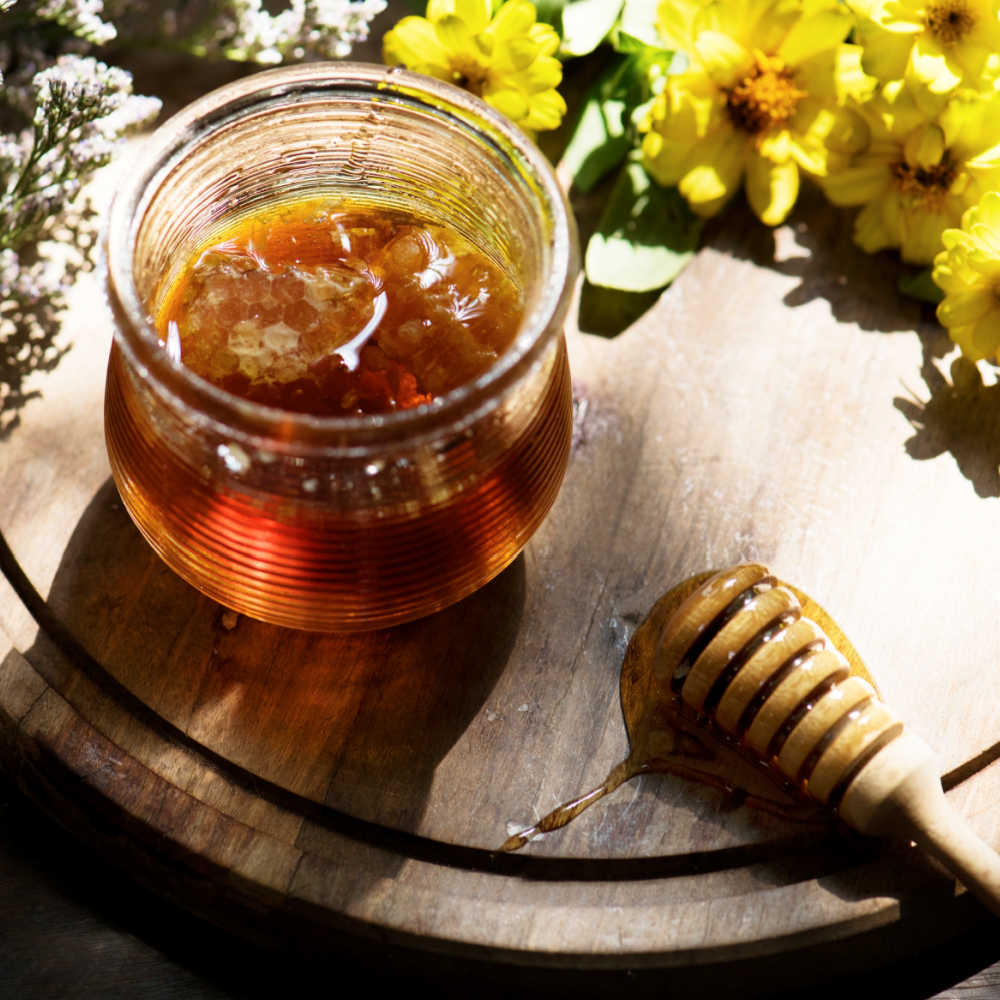
I am not a big fan of fancy super foods unless I can grow them easily in my garden or pick for free!!
But these super foods can be worth stocking as they do seem to help with allergy relief and a host of other every day conditions :
- Green tea (*see below)
- Natural honey
- Carob powder - a natural sweetener
- Buckwheat
- Goji berries
The honey is definitely a winner as it is a natural antibiotic that helps with everything from coughs, colds & sore throats to heartburn, sunburn and mosquito bites!!
Green tea, is a little more complex as it has antihistamine effects but may block the DAO enzyme that helps us manage histamine. So only drink in moderation and keep an eye on your personal sensitivity to it.
Allergy Relief Extras

Hay fever and other environmental sensitivities appear to have increased in the last 50 years.
Scientists don't agree on causes and it's easy to fall down rabbit holes finding answers for allergy issues.
But cutting back on chemically intensive cleaning products and toiletries does seem to help.
We don't need to be completely obsessive about removing all "toxic" chemicals but these simple - and very often money saving - changes can make a difference :
- Avoid cleaning with bleach.
- Use natural disinfectants.
- Pick less toxic cleaning products.
- Make quick natural pest control products to get rid of flies & ants.
- Try to wash clothes less.
- Try to wash hair less.
- Simply spend more time outdoors all year round (unless you are in an area with pollution issues).
I do hope these tips help you ease your hay fever and allergy issues.
But remember it is NOT qualified medical advice. See a doctor for new or changing symptoms.
For more simple practical tips check out my other healthy living posts and follow me on Pinterest.

How To Sell Clutter Easily Online


DIY Natural Dandruff Treatments


Natural Urinary Infection Remedies


Natural UTI remedies can relieve the pain of bladder infections fast.
And surprisingly it is easy to make effective urinary infection remedies from basic kitchen ingredients.
By combining homemade remedies with simple diet changes we can also prevent UTIs recurring.
In this guide I will cover key tips on how to relieve UTI pain including:
- UTI Symptoms
- UTI Causes
- Quick Natural UTI Remedies
- How To Prevent Recurrent UTI
- Gut Healthy Recipes For UTI
- Taking Antibiotics For UTI
This is NOT medical advice. UTI can be dangerous infections. See a doctor with these symptoms or if other symptoms persists.
If you are familiar with UTI symptoms & causes jump to the home remedies.
Table of Contents
Common Symptoms Of UTI

Low level UTI can be relieved with natural home remedies but they can become dangerous infections and so it is important to recognise:
Common UTI Symptoms
The most common symptoms of urinary tract infections include :
- Constant need to pee
- Difficulty peeing
- Pain peeing
- Cloudy pee
- Particularly pungent pee
- Bloating
- Inflammation in the urethra.
These symptoms may be treatable with natural UTI remedies.
Dangerous UTI Symptoms
Always seek urgent medical help for any of the following symptoms :
- Fever
- Very low temperature
- Drowsiness
- Confusion
- Vomiting
- Blood in urine
- Pain around pelvis
- Pain under ribs
- Back pain
- Pain during sex
- Discharge.
Check here for medical advice.
UTI Symptoms In The Elderly
The elderly often experience specific UTI symptoms for which they will need additional support :
- Sudden "strange" behaviour which may be verbally aggressive and even uncharacteristically violent
- Hallucinations
- Voracious appetite
- Falling
- Incontinence
- Sleeping much more than usual.
Common Causes Of UTI

UTI are caused by bacteria like E. Coli entering our urethra to breed.
Our gut protects us from such bacteria but may fail due to diet, lifestyle and medical treatments.
Common triggers for UTI include :
Dehydration
Peeing frequently flushes out E. Coli and stops it attaching to our urethra.
Dehydration blocks this process.
It is a major cause of UTI in the elderly as they may not drink enough for fear of incontinence.
Constipation

Persistent constipation increases the risk of bacteria like E. Coli getting into our bladder and urethra.
For quick DIY relief try these simple natural constipation remedies.
Sugar
Sugar is a huge trigger for UTI - diabetics get more infections - just as it is for acid reflux, gastritis, back pain, poor sleep and more!!!
If you get recurrent infections cut right back on sugary food and juice.
Sex
Sex is a common cause of UTI as bacteria from the anus and genitals can enter and infect the urethra.
Staying hydrated, peeing pre and post sex and bathing after sex helps.
Poor Hygiene
Not wiping properly after the toilet lets anal bacteria enter the urethra.
This can be a challenge for the elderly and frequent UTI in elderly relatives in care is a red flag that they are not receiving the help needed.
Heartburn Medication
Long term use of antacids and PPI for acid reflux can increase gut infections from E. Coli as they lower our protective stomach acid.
To prevent recurrent UTI infections you can heal heartburn naturally with the 6 week acid reflux diet.
Repeat Antibiotics
Antibiotics are life saving but repeat use can destroy the bacteria that defend our digestive system.
Healing minor UTI infections with natural antibiotics and gut friendly food can break the cycle.
Quick Natural Remedies For UTI & Bladder Infections

Scientific research now shows traditional natural remedies relieve urinary tract infections because they:
- Attack bacteria that cause UTIs
- Stop bacteria sticking to urethra
- Generate urine as natural diuretics
- Trigger the release of urine
- Flush bacteria out when we pee
- Ease excess inflammation.
These DIY remedies made from kitchen ingredients all combine a number of these powers:
- Green tea
- Kefir
- Natural yoghurt
- Celery juice
- Parsley water
- Cucumber
- Pineapple
- Cinnamon water
- Ginger
- Garlic tea
- Herbal teas including peppermint, sage & fennel seed
- Cranberry juice
- Cheese
- Traditional herbal remedies
Natural UTI remedies have most impact taken at the first sign of symptoms. Combining different remedies can boost effectiveness.
Remember to seek medical advice if symptoms persist for more than 3 days or recur or you have any of these symptoms.
Green Tea
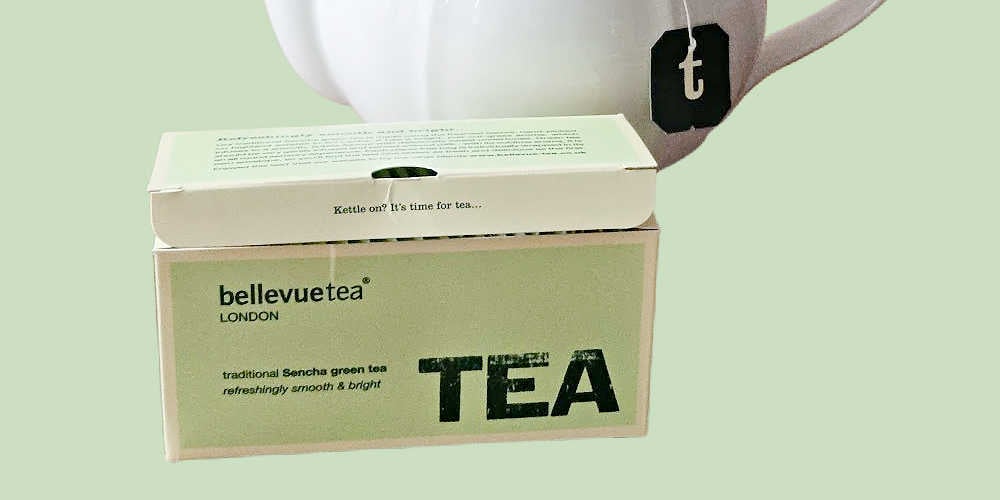
Green tea is a diuretic - it helps us pee - and has natural anti-microbial properties to relieve UTI and other infections such as gastritis.
Kefir

Kefir is fermented milk containing live bacteria that help our gut fight the bugs behind urinary infections.
You can drink it as is or add to porridge or smoothies combined with other UTI remedies.
Natural Yoghurt

Natural yoghurt includes bacteria such as lactobacillus bulgaricus and bifidobacteria that can fight the E. coli bacteria which causes UTI.
But make sure the yoghurt is sugar and additive free. One big "healthy" brand I checked out contained:
Water, Skimmed Milk (Reconstituted), Glucose-Fructose Syrup, Sugar, Maltodextrin & Flavourings.
This is the stuff that causes recurrent UTI infections in the first place!!
Your healthy yoghurt should ONLY contain milk and live cultures.
Celery Juice

Celery juice has natural diuretic & antiseptic properties that can both kill off and flush out infection.
You can easily make DIY celery juice as an alternative to sugary fruit juice.
Parsley Water
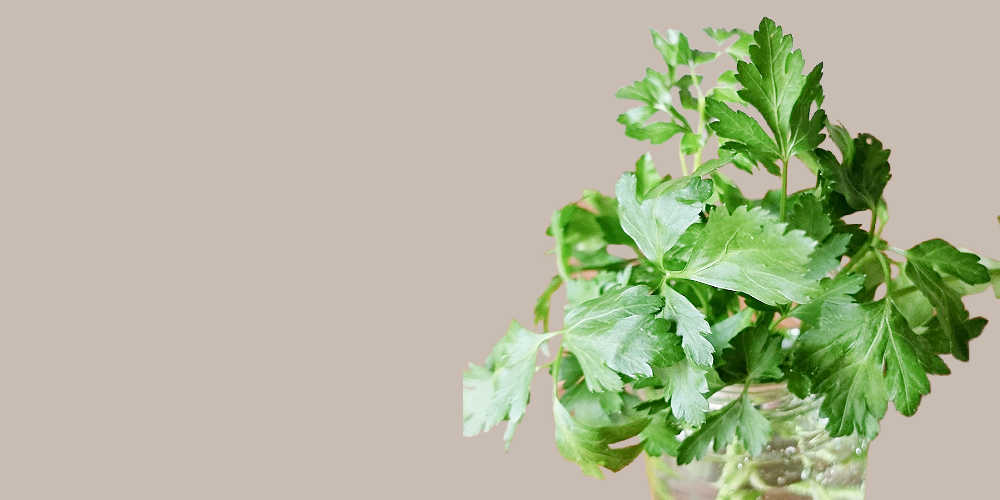
Parsley is a traditional remedy for all kidney related infections and drinking parsley water can clear UTI.
You can make DIY parsley water by:
- Simmering roughly 20g of parsley
- In a few of litres of water
- For 5 minutes
- Then leave it to cool
- Before straining.
It is super easy to grow parsley so you always have some available.
Cucumber
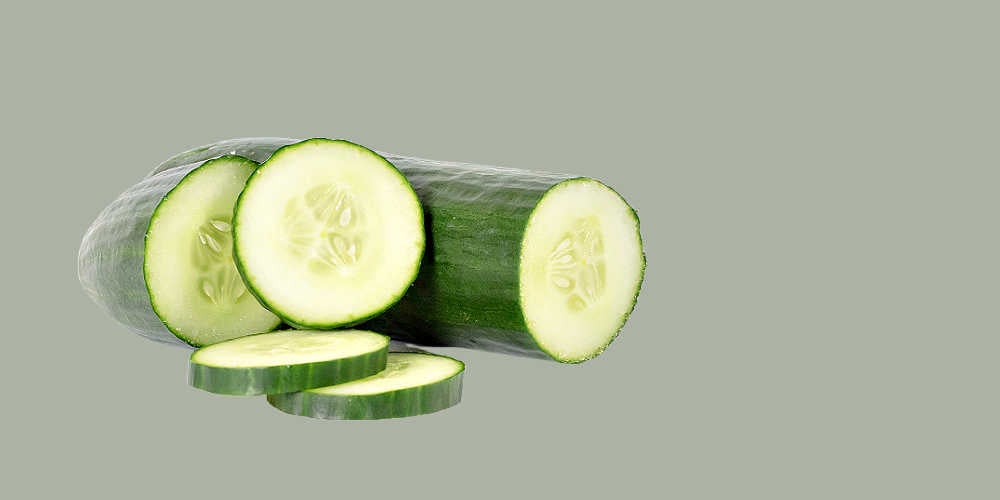
Cucumber is a gentle diuretic that is easy to digest when you have a UTI.
For quick UTI relief blend a cucumber smoothie with :
- Natural yoghurt
- Parsley
- Avocado
- Almonds.
Pineapple Smoothie
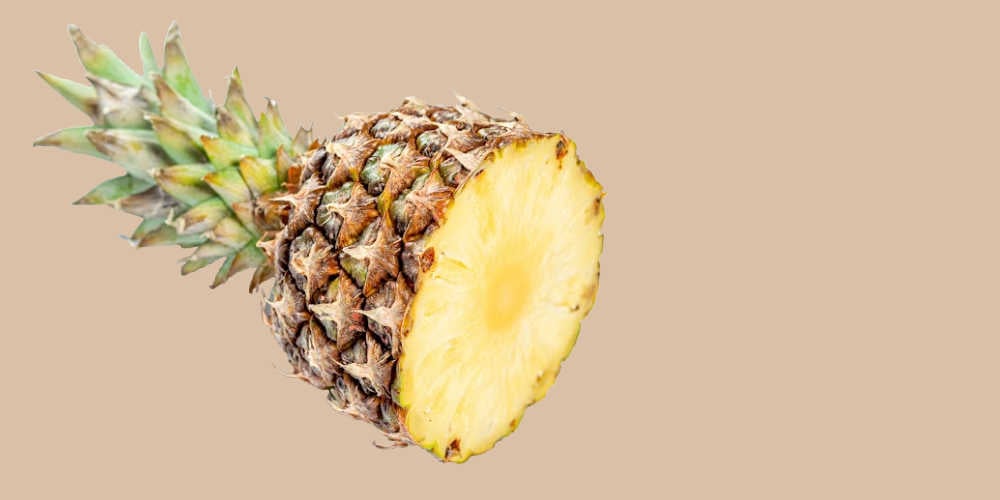
Pineapple contains bromelain which can naturally ease inflammation.
If your urethra feels inflamed blend pineapple in a smoothie with :
- Natural yoghurt
- Ginger
- Cinnamon.
Pineapple is acidic so cucumber is a better bet if you have heartburn.
Cinnamon Water
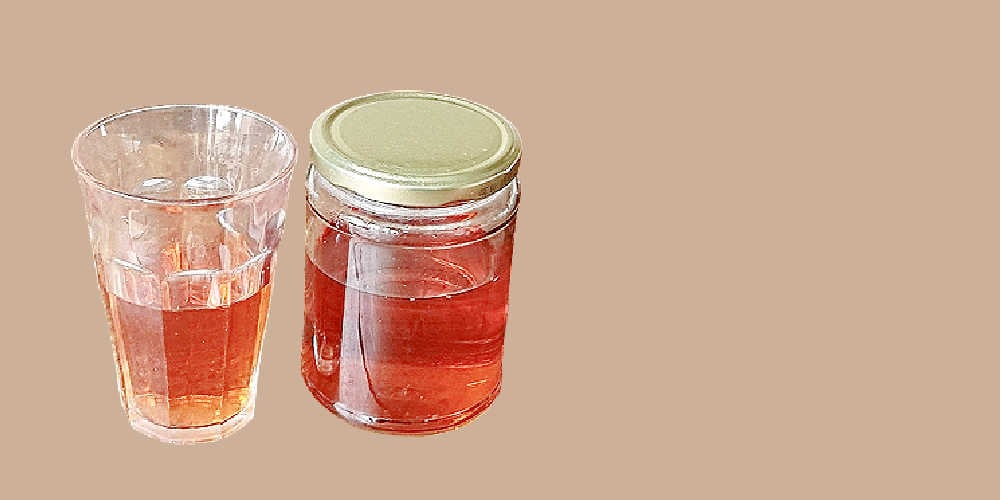
Cinnamon is an antibiotic that has been shown to inhibit E. coli growth.
Make cinnamon tea and drink 3 or 4 times a day warm or chilled :
- Add 4 or 5 cups of water to a pan
- Add ½ teaspoon of cinnamon per cup
- Bring to boil
- Simmer for 5 minutes
- Strain and drink or chill.
Ginger
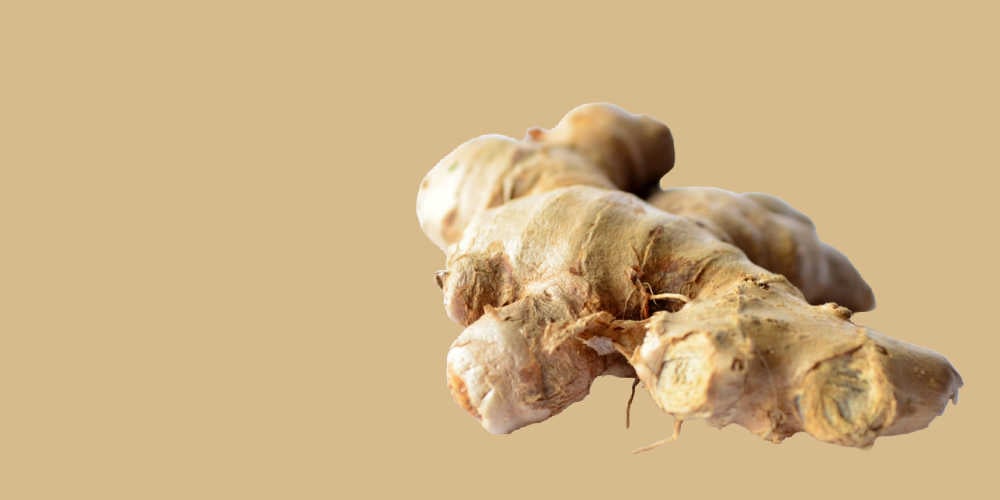
Ginger is antibiotic and anti-fungal and inhibits E. Coli and candida.
You can drink ginger tea or juice as a UTI remedy or chew raw ginger.
DIY ginger juice is easy to make even if you don't have a juicer ...

Garlic

Garlic has anti-microbial powers and was traditionally used to ease UTI.
You can treat UTI with plain garlic tea or try this garlic lemonade recipe :

Avoid garlic if you suffer with reflux, IBS or gastritis symptoms.
More Herbal Teas
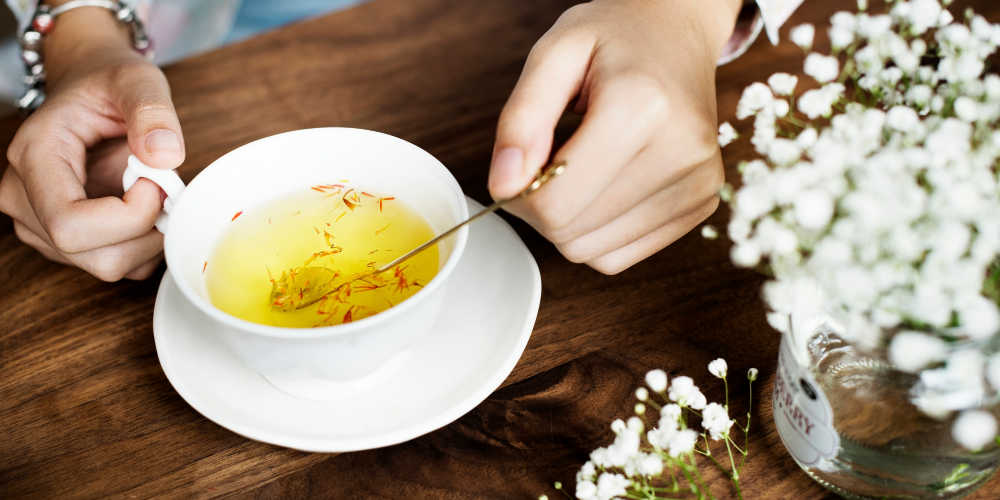
Traditionally these herbal teas have all been used as natural remedies for urinary & bladder infections :
- Peppermint - some people with acid reflux and heartburn find mint makes symptoms worse
- Sage
- Dandelion
- Fennel seed
- Nettle
- Aniseed
- Goldenseal - popular in North America but less easily available in Europe.
Cranberry Juice

Cranberries are one of the best known natural remedies for urinary infections and can help:
- Stop bacteria attaching themselves to and breeding in urethra walls
- Trigger urine release
- Ease inflammation
- Balance gut bacteria so our digestive system defends itself.
But most cranberry juice includes added sugar which feeds E. Coli. So make your own sugar free cranberry juice or just eat cranberries.
Cheddar, Parmesan & Gruyere
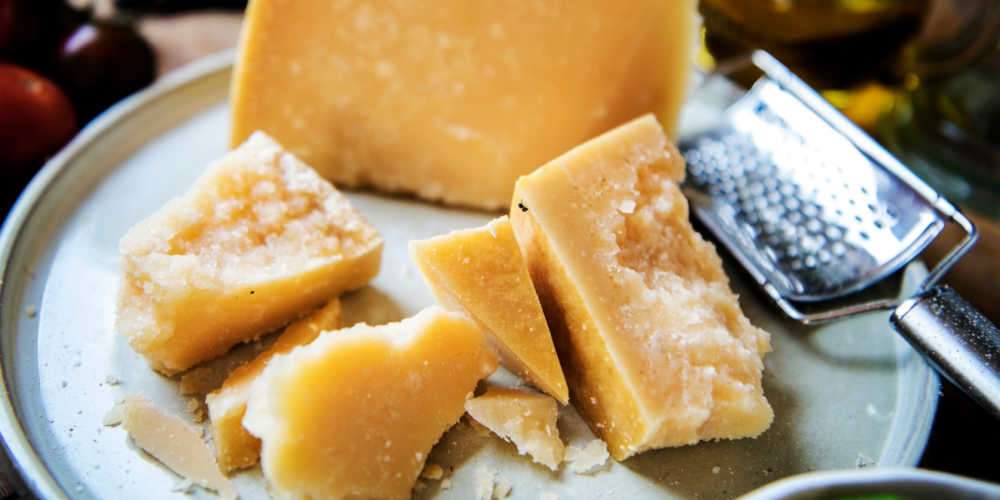
Cheddar, parmesan and gruyere cheese all contain the bacteria Lactobacillus reuteri which can prevent and treat recurrent UTIs.
Cheese won't be an instant remedy for your UTI but pasture fed cheese can help stop infections coming back by improving gut health.
Other Traditional Herbal Remedies For UTI
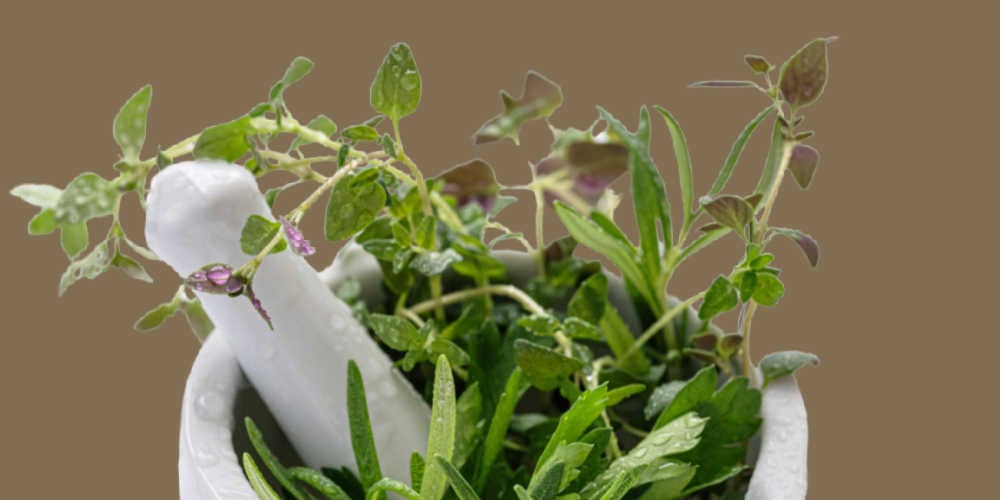
A wide range of other herbs were traditionally used in Chinese and Indian medicine to treat UTI and can be bought in health stores.
Research is now evaluating if they could be a reliable alternative. to bug resistant antibiotics.
If you want to try these traditional remedies purchase from a trusted health store and check with your doctor before taking :
- Bear berry - arctostaphylos uva-ursi
- Self heal - prunella vulgaris
- Common mallow - malva sylvestris
- Golden seal - hydrastis canadensis
- Chinese cinnamon - cinnamomum cassia
- Bindi - tribulus terrestris
- Haritaki - terminalia chebula
- Green chiretta - andrographis paniculata
- Purple cone flower - echinacea purpurea
- Butterfly pea flowers - clitoria ternatea
- Black jack daisy - bidens pilosa
- Black mustard - brassica nigra
- Chinese hibiscus - hibiscus rosa-sinensis
- Java or malabar plum - syzygium cumini
- Chinese date - ziziphus jujuba
- Gale of the wind - hyllanthus amarusNeem - azadirachta indica
- Holy basil / tulsi - ocimum sanctum
- Punarnava - boerhavia diffusa
- India mallow - abutilon indicum
How To Prevent Recurrent Urinary Tract Infections

Healthy Habits
5 simple healthy habits can help to stop urinary infections coming back over and over again :
- Good toilet hygiene
- Good sex hygiene
- Staying hydrated
- Eating plenty of fibre as part of a balanced diet to avoid constipation
- Cutting down on sugar.
But the biggest thing we can do to prevent recurrent UTI is improve gut health so our digestive system can fight back against E. Coli.
Improving Gut Health
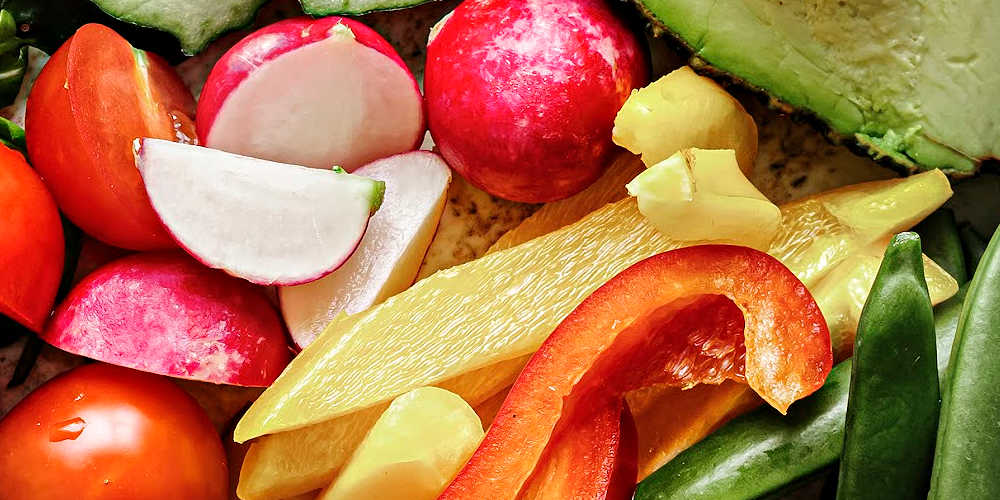
We can increase good gut bacteria with 6 easy changes to our diet :
- Enjoy lots of different vegetables
- Munch on nuts, seeds & pulses
- Flavour with gut healthy herbs
- Eat natural yoghurt
- Savour proper cheese from farmers
- Have a little fermented food daily :
- Kefir
- Kombucha
- Sauerkraut
- Kimchi
You don't have to chuck out all your recipes to make these changes. Just build this food into everyday meals.
But if you do want new ideas check out these gut healthy recipes for UTI.
Gut Healthy Recipes For UTI

These UTI friendly recipes are all built around traditional ingredients for healing urinary infections ...
- Mung Bean Soup
- Chicory & Blue Cheese Salad
- Okra Stew
- 10 Ways With Pomegranate
- Roast Fennel With Healing Herbs
Healing Mung Bean Soup
Mung bean soup is a traditional remedy in Chinese medicine to ease bladder infections. Use this simple recipe to quickly make your own ...

Chicory & Blue Cheese Salad
This deliciously healing salad combines chicory, a traditional diuretic remedy, with blue cheese, rich in good gut bacteria ...

Healthy Okra Stew
Okra is full of mineral and vitamins and believed to have anti-microbial & anti-inflammatory powers to help heal digestive infections ...

Tasty Pomegranate Recipes
Pomegranate has been used as an anti-microbial remedy for thousands of year and research suggests it can treat UTI. For ideas try these tasty pomegranate recipes ...

Roast Fennel
Fennel is a gentle diuretic that is great roasted with garlic and served with lots of gut healthy parmesan ...

What To Do If You Need Antibiotics For A UTI

You should always seek urgent medical advice if your UTI persists for more than 3 days and if you experience any of these symptoms.
You may need antibiotics.
If you take antibiotics for your UTI remember to boost good gut bacteria after completing the course.
You don't need probiotic supplements just a diet rich in:
- Fermented food
- Fibre from a wide range of vegetables & pulses.
They will help good bacteria thrive and prevent future urinary infection.
I do hope these natural remedies for urinary infections help you get on top of your UTI and stop them recurring. Let me know what works best for you.
For other digestive problems do check out my natural remedies for gut health and follow me on Pinterest.
Photos: Woman holding abdomen, Pineapple slices by Marco Verch, rawpixel.com and sloely.com under Creative Commons 2.0
How To Grow Raspberries In A Small Space
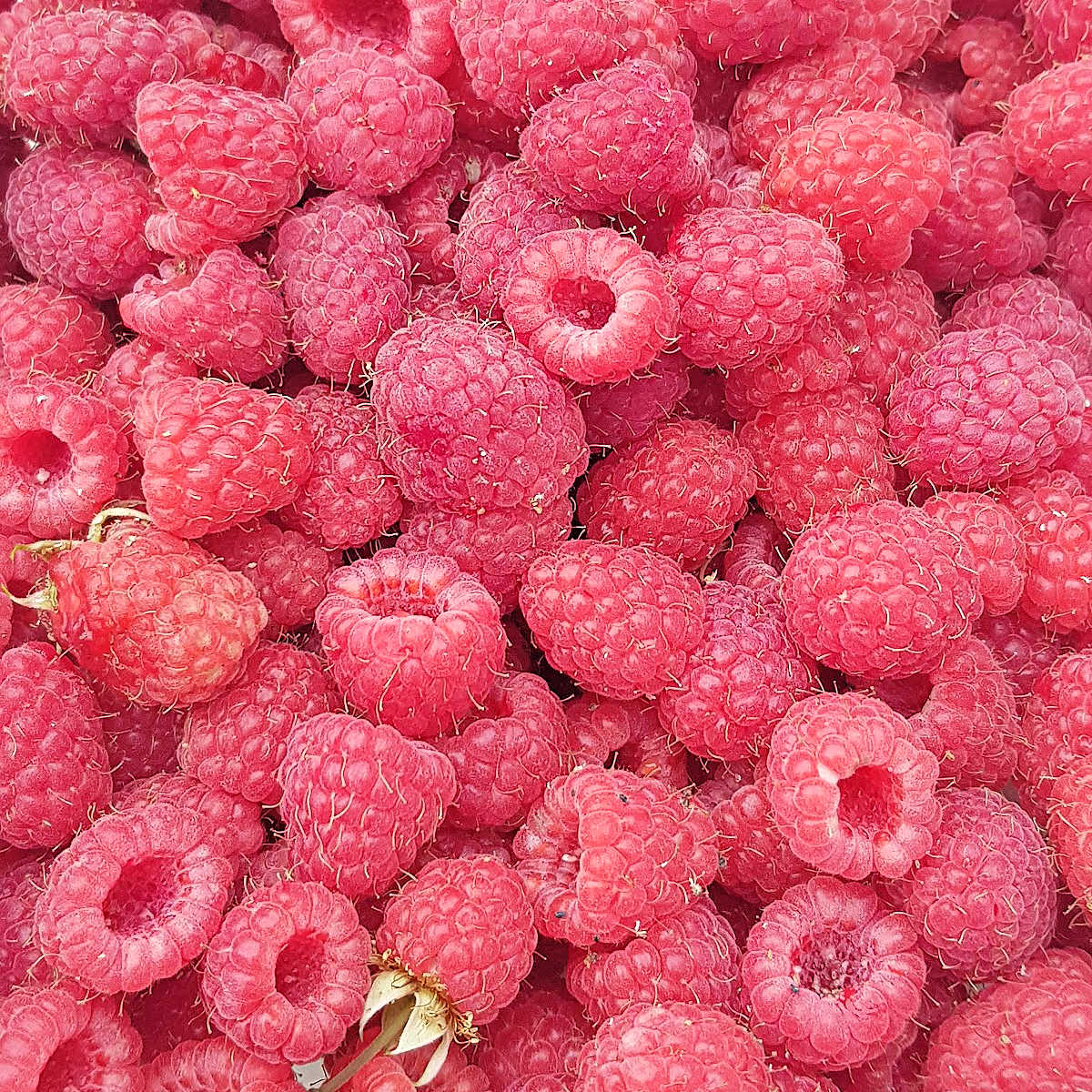
Raspberries deliver bumper summer berry harvests from just a few canes in a small garden and are easy for new gardeners to grow.
They are also a super useful addition to a fruit & vegetable garden as they will grow happily against a shady fence or wall and can be grown in pots and containers.
In this post I'm sharing everything I have learned from growing raspberries for 10 years in a small London garden including :
- How many raspberry canes to plant
- How much space raspberries need
- Best raspberry companion plants
- Harvesting & storing raspberries
- Pruning raspberries for maximum fruit yield in a small space.
I do hope these step-by-step raspberry growing tips help you grow your own. If you have any questions please shout.
Table of Contents
1. Growing Raspberries In A Small Space Or Garden
To plan your raspberry planting we need first to look at these questions :
- How many raspberry canes do I need for a good harvest?
- How much space raspberries need?
- What are high yielding varieties?
- Are autumn fruiting canes worth it?
- Where to plant raspberry canes?
- How to train raspberries?
Jump on to grow raspberries in pots.
How Many Raspberry Canes Do I Need For A Good Harvest?
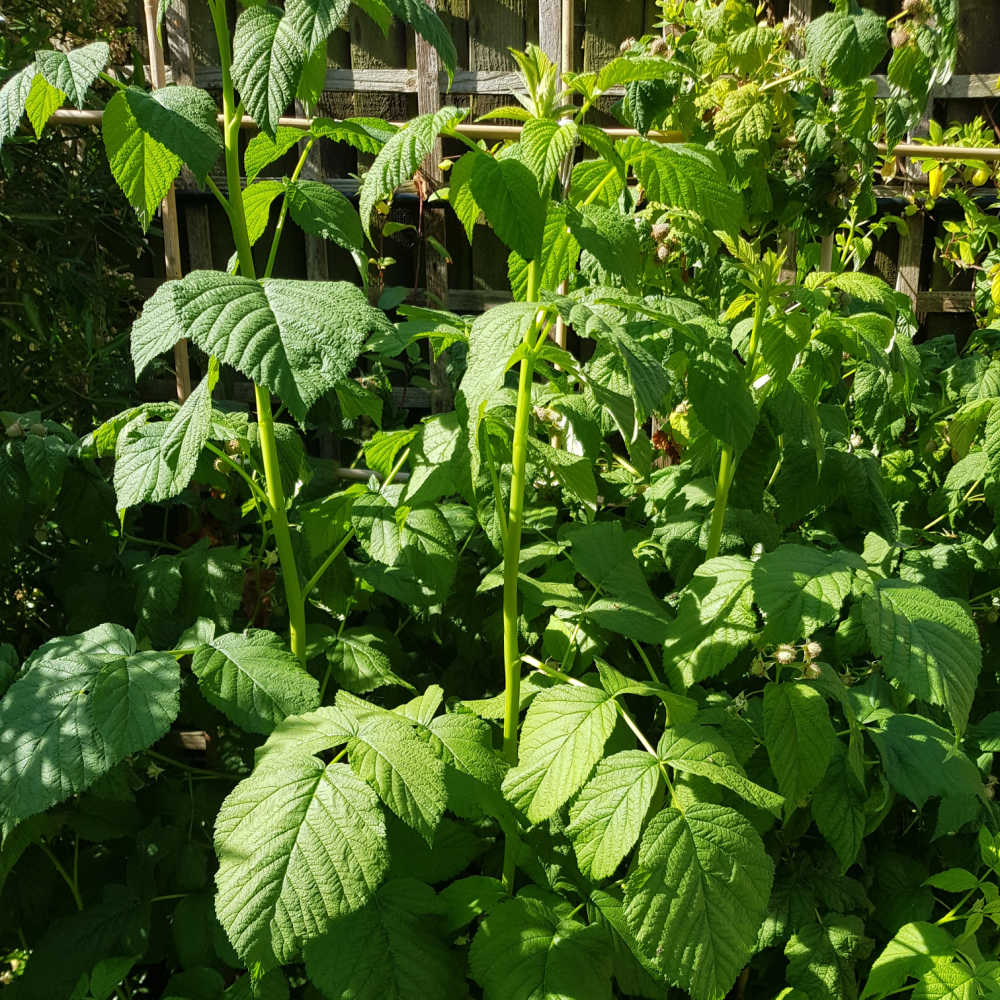
The basic guide to working out how many raspberry canes to grow is :
- 2-3 raspberry canes for couple.
- 5-6 canes for a small family.
- Each cane gives up to 2lb / 900g.
- Or roughly 6 small punnets of fruit.
- Well spaced high yielding varieties fruit more than crammed in canes.
- Extend your fruiting season with a mix of raspberry varieties including types that fruit in August.
- Some raspberry canes can double crop each year with clever pruning.
How Much Space Do Raspberry Canes Need?
Raspberry canes will grow in a small space but need fresh air to thrive :
- Space canes 1 ft / 30cm apart.
- Each row of canes needs 1 ft / 30cm of space from front to back including space to stake tall canes.
- Canes can grow as high as 2.5m
- Raspberry canes can be grown very close to a fence or wall.
- But give a bit of breathing space rather than growing up the wall.
- Raspberry bushes can grow in pots.
What Are High Yielding Raspberry Varieties?
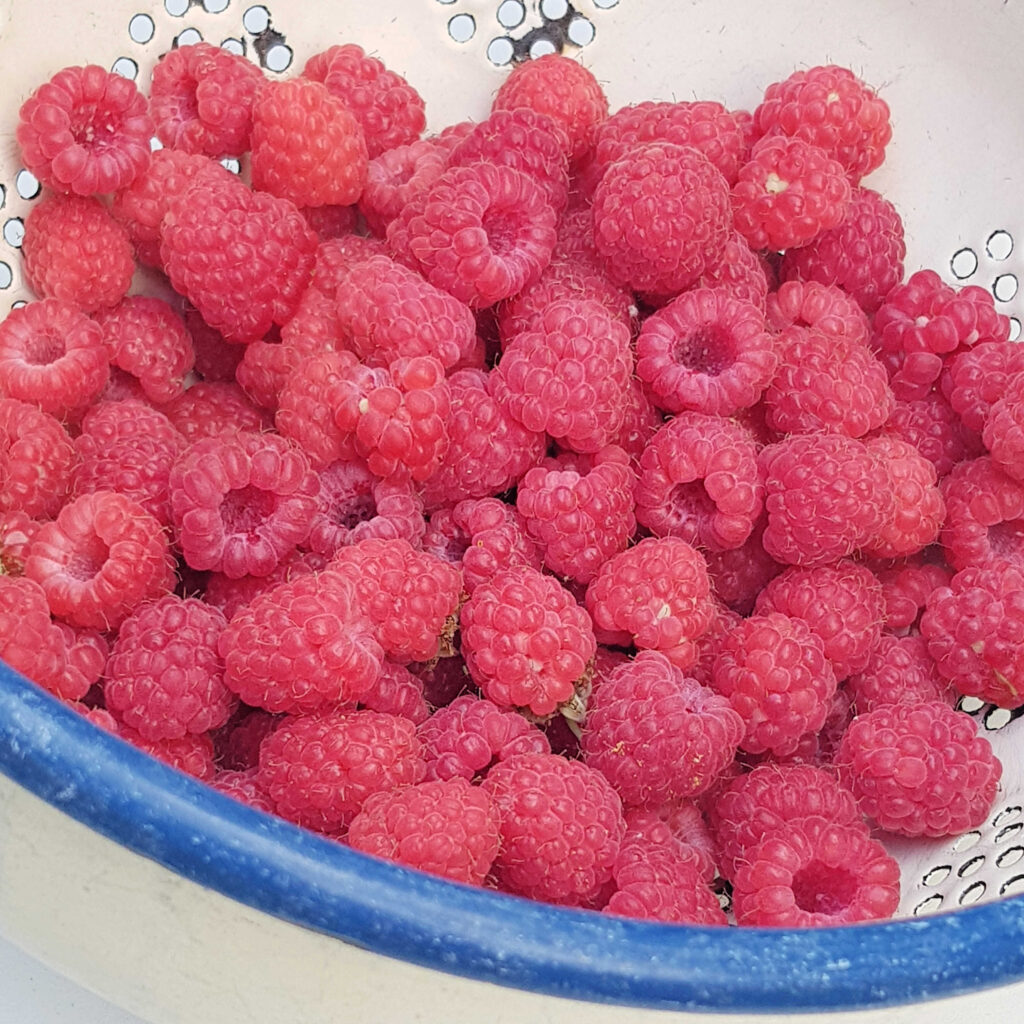
The highest yielding raspberry varieties vary by climate.
- High yield US raspberries include :
- Boyne
- Cascade Delight
- Killarney
- Royalty
- High yield UK raspberries include :
- The Scottish Crop Institute and East Malling Institute are specialist UK raspberry breeders and good sources of information.
Autumn Fruiting Raspberries
Some raspberry types fruit in fall :
- Autumn fruiting raspberries crop in late August through September.
- Plants are smaller and yield less.
- Double cropping autumn varieties increases yield but involves tricky pruning for beginners.
- In a small space by a shady fence you will probably get better autumn yields from blackberries.
Where Are The Best Places To Plant Raspberry Canes?
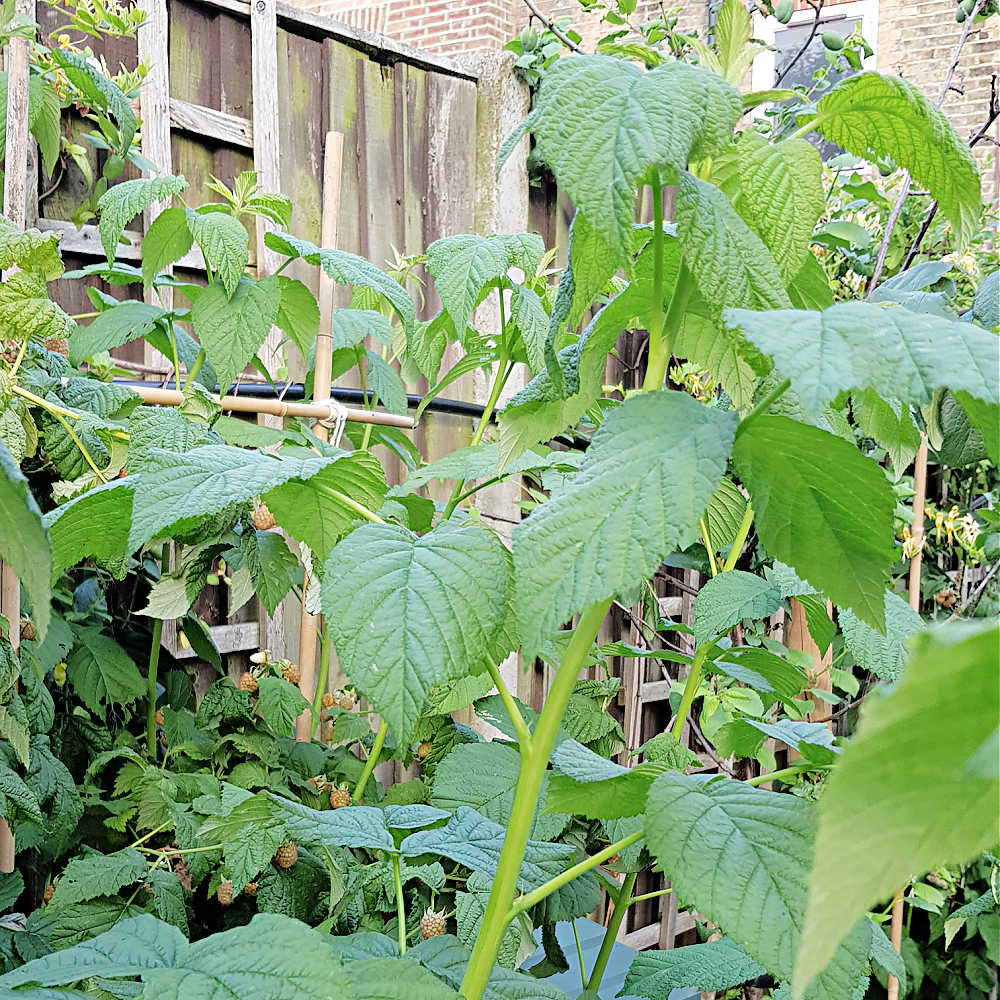
Raspberries are useful in a small garden as they will grow happily where other food will struggle :
- Raspberry canes need wind shelter.
- And not too much sun.
- They also have shallow roots so need a spot where top soil won't dry out quickly in summer.
- So a north-east or even north facing fence or wall is a good spot.
How To Train Raspberries?
Raspberry need sturdy supports to stop their tall thin canes falling over :
- Don't fret about perfect support, mine are currently tied to makeshift bean pole tripods!
- As a grow your own beginner you can train raspberries with any 6ft canes or posts you can pick up free.
- For a basic support trellis :
- Put 6ft post at ends of row
- Make 3 loops of wire or string round posts at 2ft, 4ft and top
- Train raspberries through loops.
Or if you are handy at DIY you can build a raspberry trellis like this :

We will now look at growing raspberries in pots. Jump ahead to start planting raspberry canes.
2. Growing Raspberries in Pots & Containers
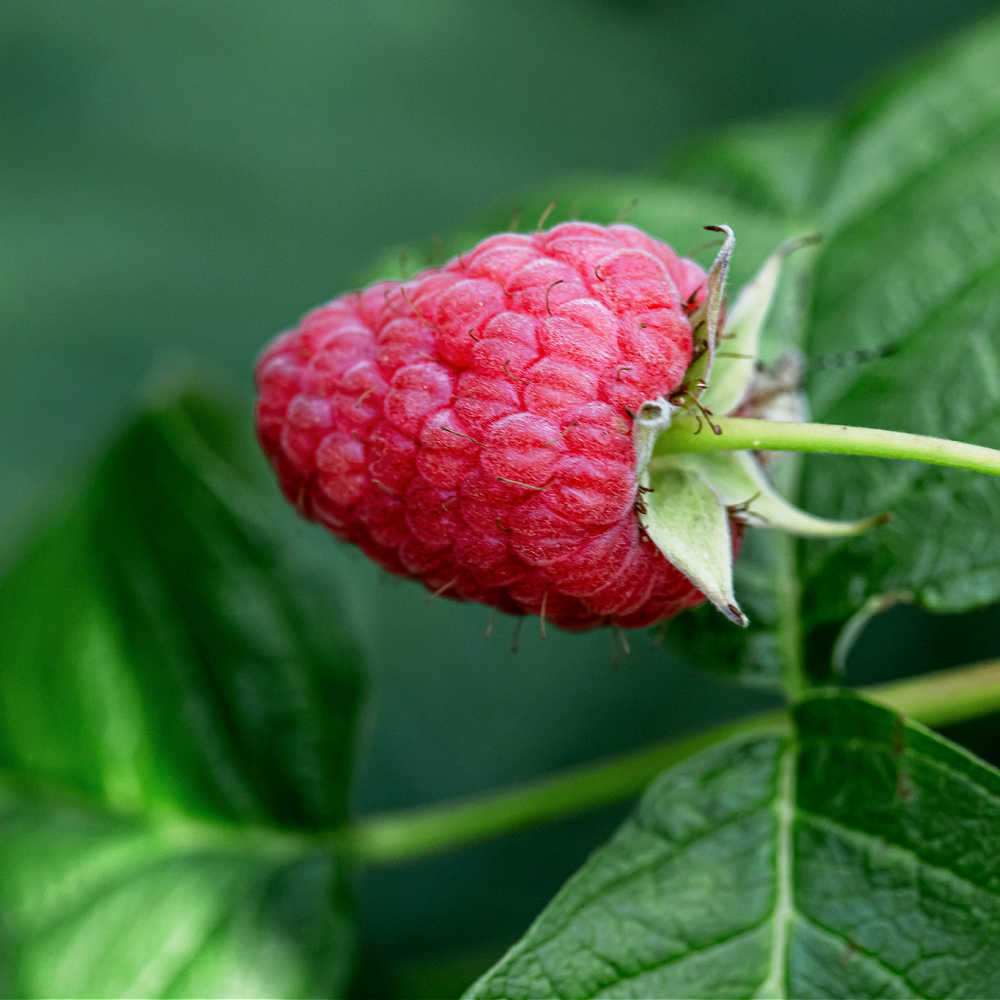
Raspberries will grow in pots & containers in a small space on a patio or balcony :
- But canes won't flourish long term without space for new growth.
- Dwarf bushes are a better choice.
Dwarf Raspberry Bushes
- Varieties like Ruby Beauty only grow to 3ft but branch heavily to give good yields in limited space.
- Other dwarf raspberries include :
- Pots must be > 20 inches wide.
- And must drain well as raspberries do not like water laden soil.
- 1-2 inches of gravel at the bottom of the pot will help drainage.
3. Raspberry Plant Care
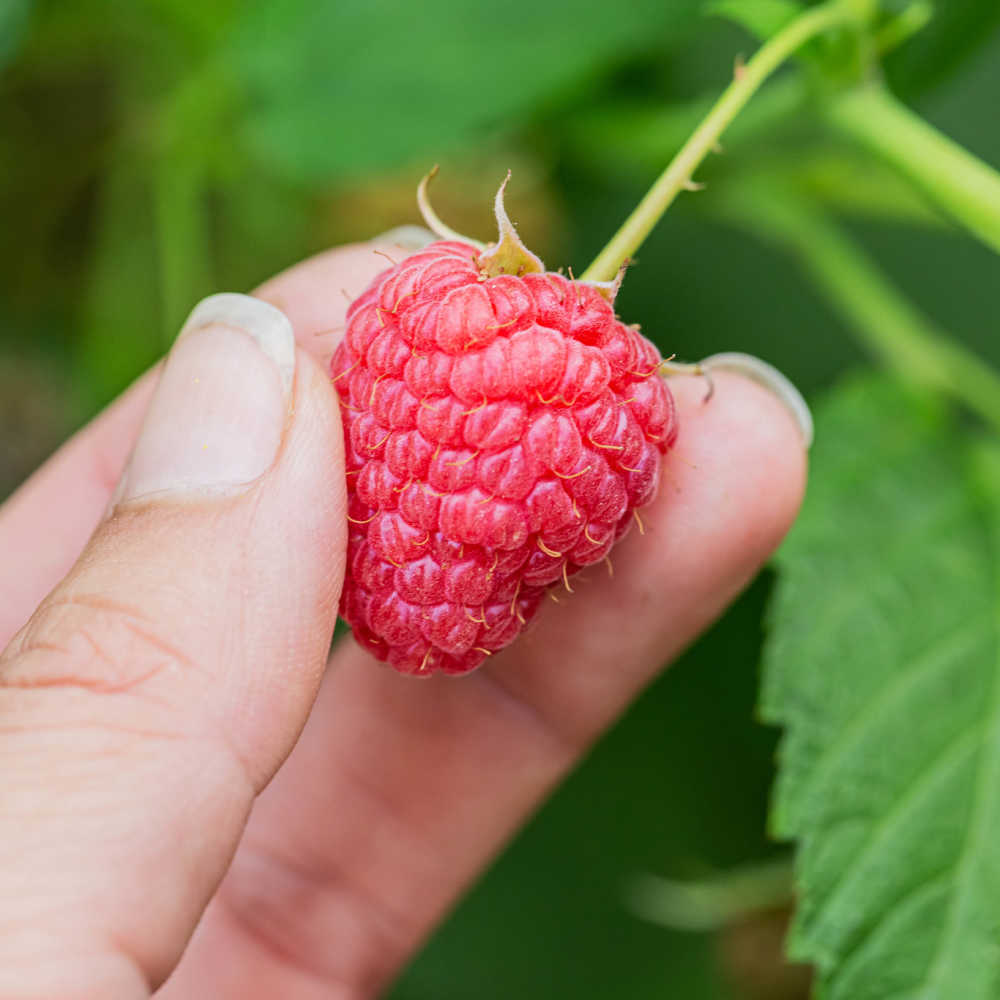
We are now ready to look at specifics of planting & caring for raspberries:
- When to plant raspberries?
- What soil do raspberries like?
- How to plant raspberries
- How to water raspberries
- How to feed raspberry plants
When To Plant Raspberries?
- The best time to plant raspberries is between November and March.
- Pre-Christmas is good as gives canes longer to grow.
- Soil should not be frozen
- Or water logged.
- So a dry not too cold day is ideal.
Best Soil For Raspberries
- Raspberries - unlike blueberries - are not super fussy about soil.
- Experts say raspberries don't like clay or shallow or chalky soil.
- But I grow raspberries on an old marsh which is London clay with gravel topping PLUS some chalk!!
- So don't lose sleep over it ...
- More important their shallow roots:
- Do NOT like soggy ground
- Or dried out top soil.
- So use raised beds for drainage.
- And plant by a fence to give the base of canes summer shade.
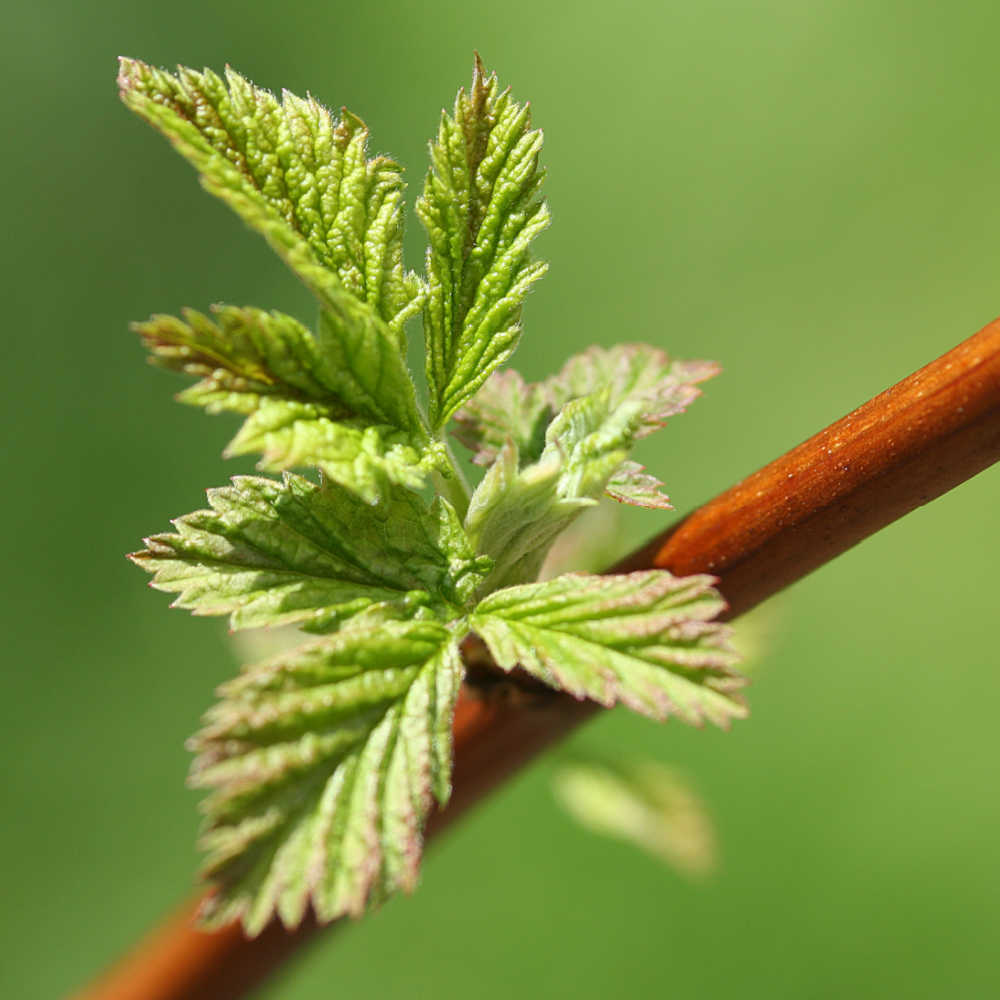
How To Plant Raspberries
- Clear bed of weeds and old roots
- Add compost or phosphorous rich bonemeal to surface of bed.
- Position canes 12-18 inches apart.
- Dig shallow hole 2 in. deep wide enough for roots to spread out.
- Cover roots firmly with soil.
- Tread down soil & water.
- Cut back canes to 10 in. unless you have bought long summer canes.
How to Water Raspberries
- Water little and often in dry spells to keep shallow roots moist.
- Don't over water.
- Morning watering helps to prevent roots getting soggy overnight.
- A few inches of mulch e.g. straw, wood chips, grass cuttings, leaves will help keep soil moist.
Feeding Raspberry Plants
- Feed raspberries in February with potassium rich feed e.g. sulphate of potash, chicken manure or just well balanced garden compost.
- Don't over feed especially with nitrogen as causes lots of cane growth but low raspberry yield and may contribute to spur blight.
4. Growing Raspberries From Cuttings
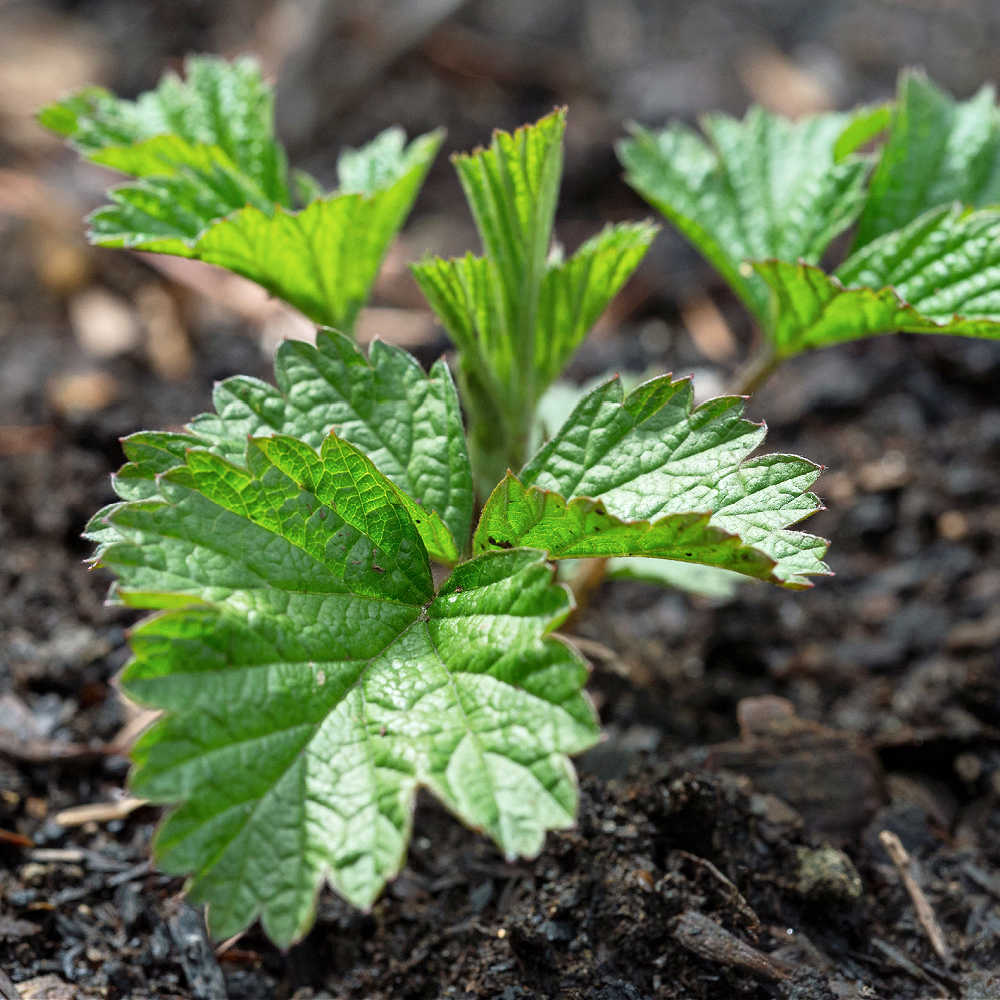
Growing raspberries from cuttings is a cheap way to grow your own and a fun plant life cycle activity for kids :
- Raspberry plants can be grown easily from root cuttings.
- Most raspberry growers will have cheeky new root suckers growing up outside their raspberry bed.
- So do ask raspberry growing friends for these unwanted new canes they will dig up anyway.
- You will want at least 6 inches of root to be cut with your shoot.
- The cutting can be planted as you would bought bare roots above.
- Try to replant at same depth.
- There is always a risk of transferring fungal disease with cuttings but this should not be an issue if your gardening friends have thriving well-spaced canes & high yields.
5. Harvesting Raspberries
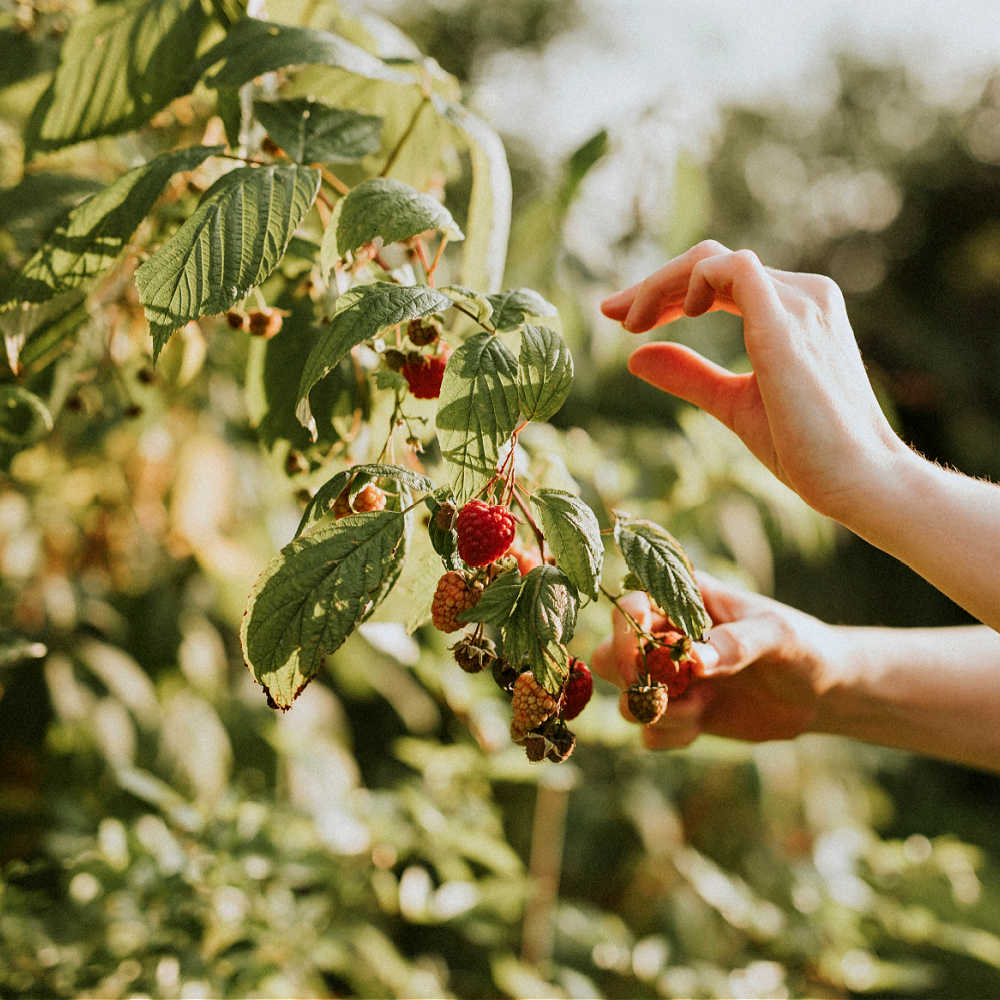
Harvesting raspberries is simple :
- Summer fruiting raspberries are ready to pick from June to August.
- Ripe raspberries are a rich red although colour varies by variety.
- Ripe fruit slip off stems easily.
- Harvest little and often as fruits ripen else you will lose your raspberries to birds and squirrels.
- Pick first thing if you can.
- But not straight after rain.
- Unripe fruit won't ripen picked.
- Use a wide container for picking as raspberries are delicate & damage easily piled on top of each other.
- Canes will fruit for 3-6 weeks.
- Remove damaged, moulding fruit to control common pests.
6. How To Prune Raspberries
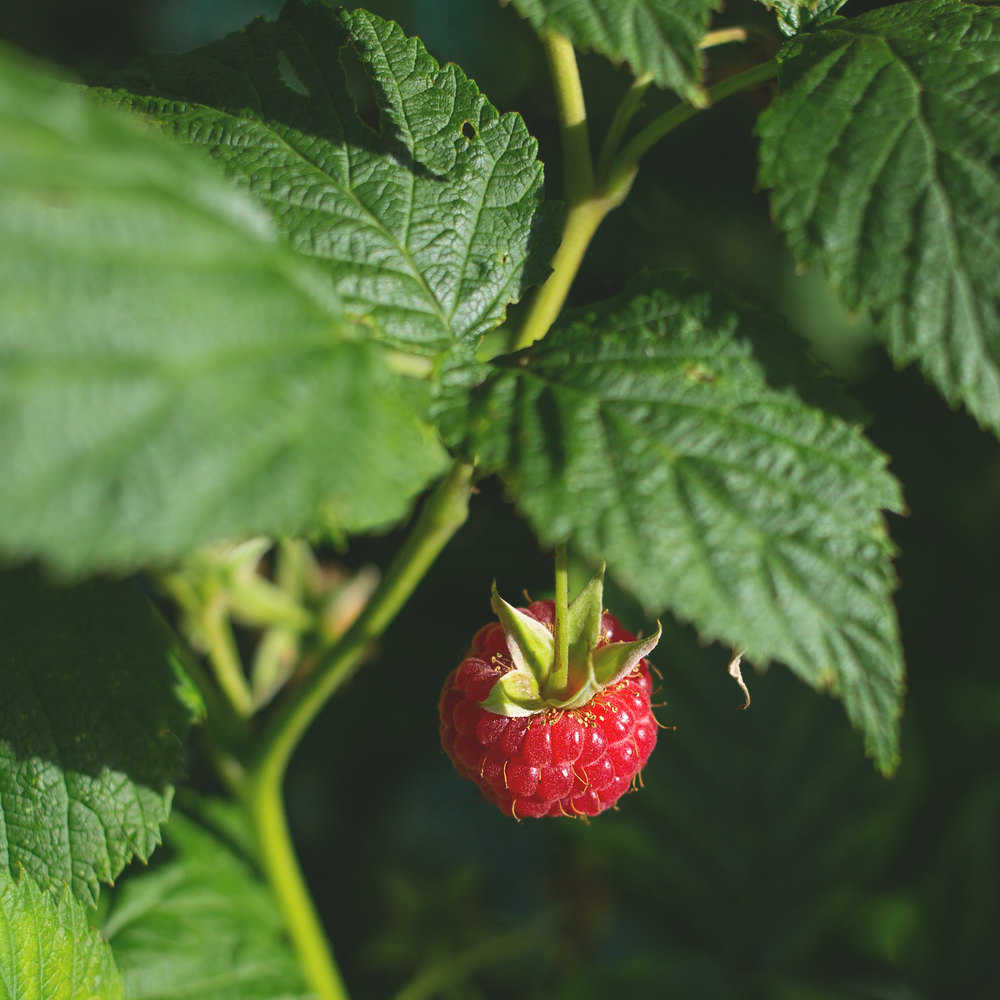
Pruning raspberries is not complex but can initially be confusing. You just need to master these basics :
- New green canes grow each year.
- But these canes only fruit in year 2.
- New canes need tying to supports.
- Old canes need to be cut down at the end of the season after fruiting.
- You can prune old canes right after fruiting, autumn or late winter.
- Prune in dry weather to stop blight.
When you prune old canes, the new canes - just to confuse you - will be brown but the difference is clear :
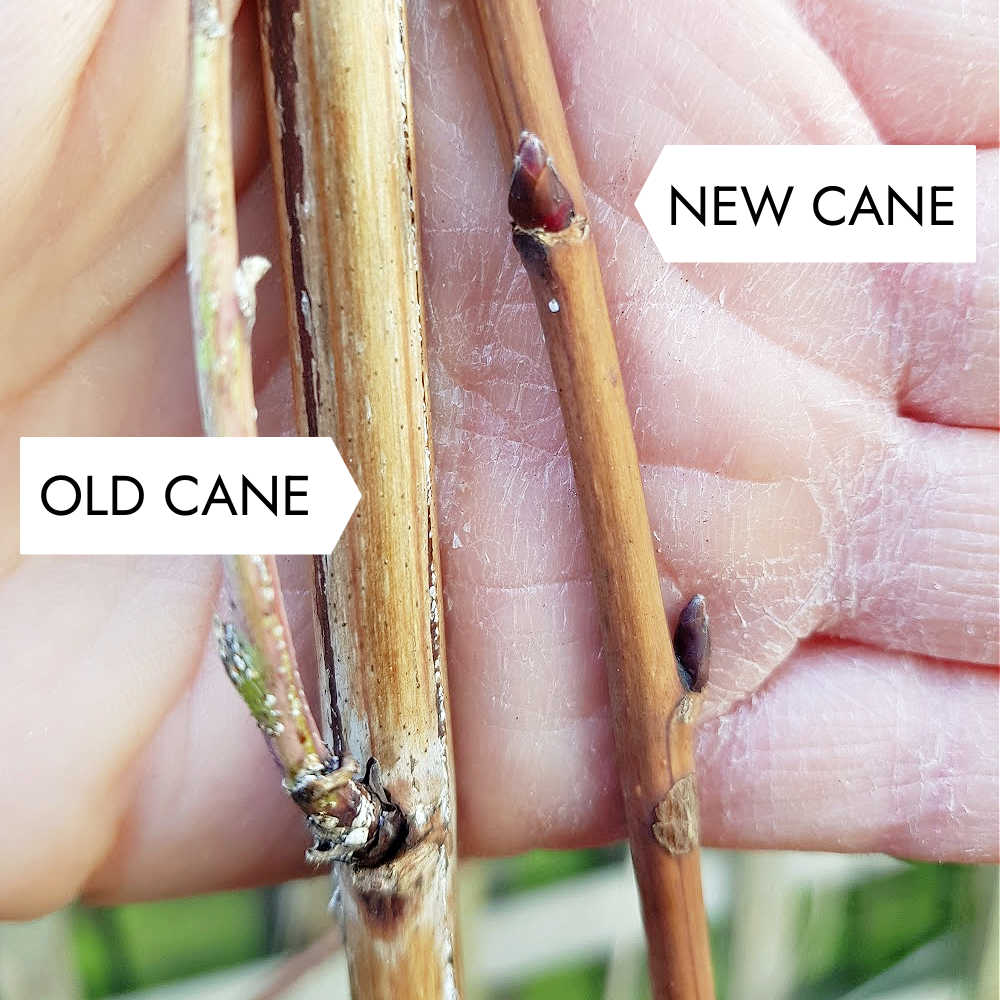
- The old cane on left is thick & dry
- New right cane smooth & supple
You can double raspberry crops with some clever pruning but I would ignore this initially as a beginner.
7. How To Store Raspberries
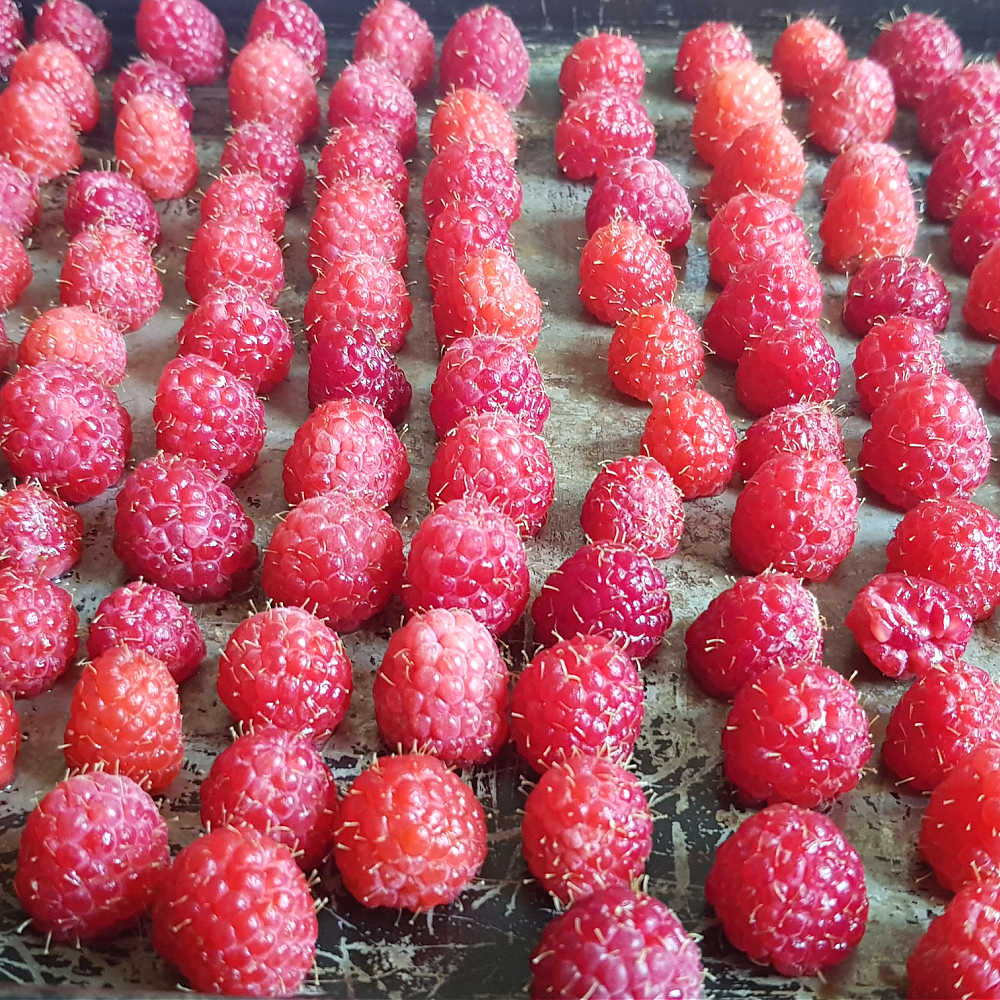
Raspberries don't keep well so store in a single layer in the fridge and eat in 2 days or flash freeze them :
- Spread fruit out on baking tray.
- Put in freezer for at least 3 hours.
- Remove fast with small pallet knife.
- Pop in freezer bags or glass jars.
8. Common Raspberry Pests, Diseases & Problems
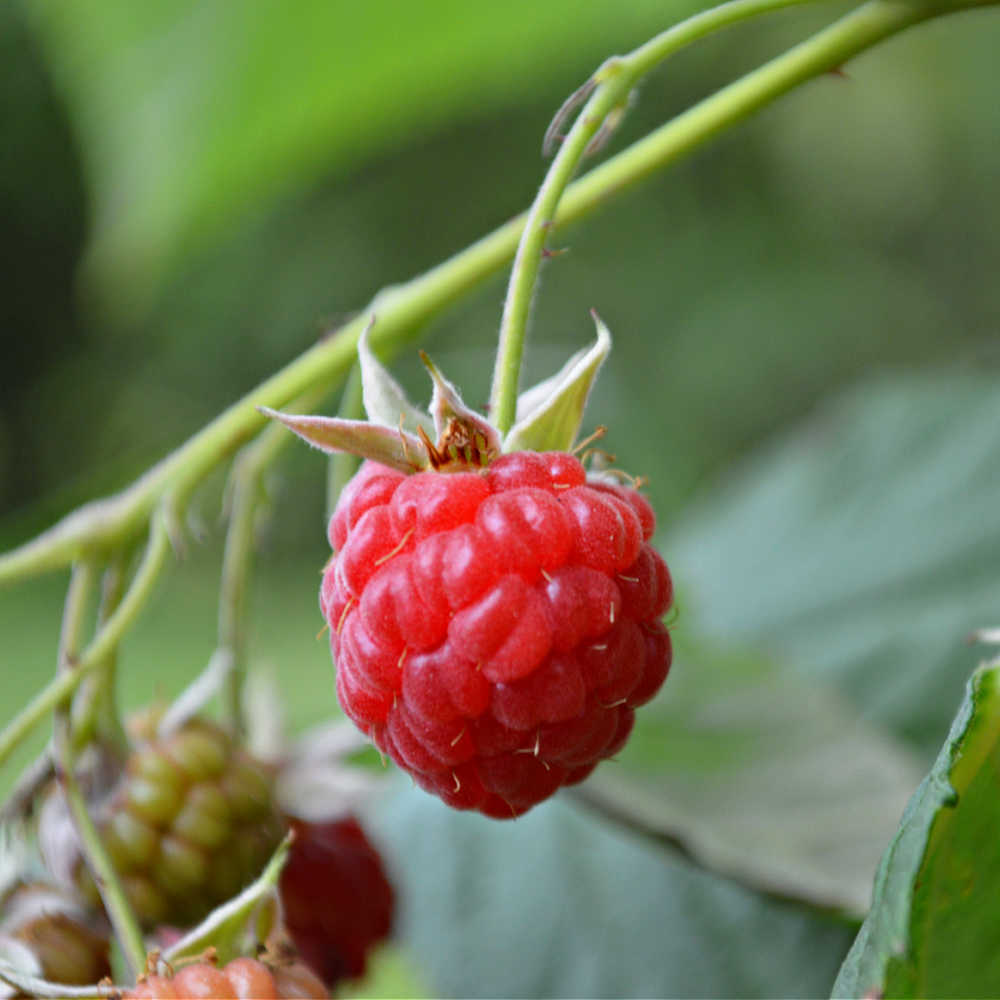
Small children and squirrels stealing snacks have been my biggest pests in 10 years growing raspberries!!
But raspberries can suffer pests and diseases so do use these healthy growing tips to help prevent them.
Simple Ways To Prevent Raspberry Pests & Diseases
- Plant with enough space for air to circulate well between canes.
- Stick to a single row if space tight.
- Don't let raspberry roots get soggy.
- Use raised beds if drainage poor.
- Water lightly in the morning.
- Look out for bugs in spring and pick them off manually.
- Harvest berries as soon as ripe and remove mouldy fruit.
- Watch out for brown or yellow leaves which are a sign of poor air circulation and damp. Adjust watering and thin out weak canes.
- Grow with companion plants.
Common Raspberry Pests
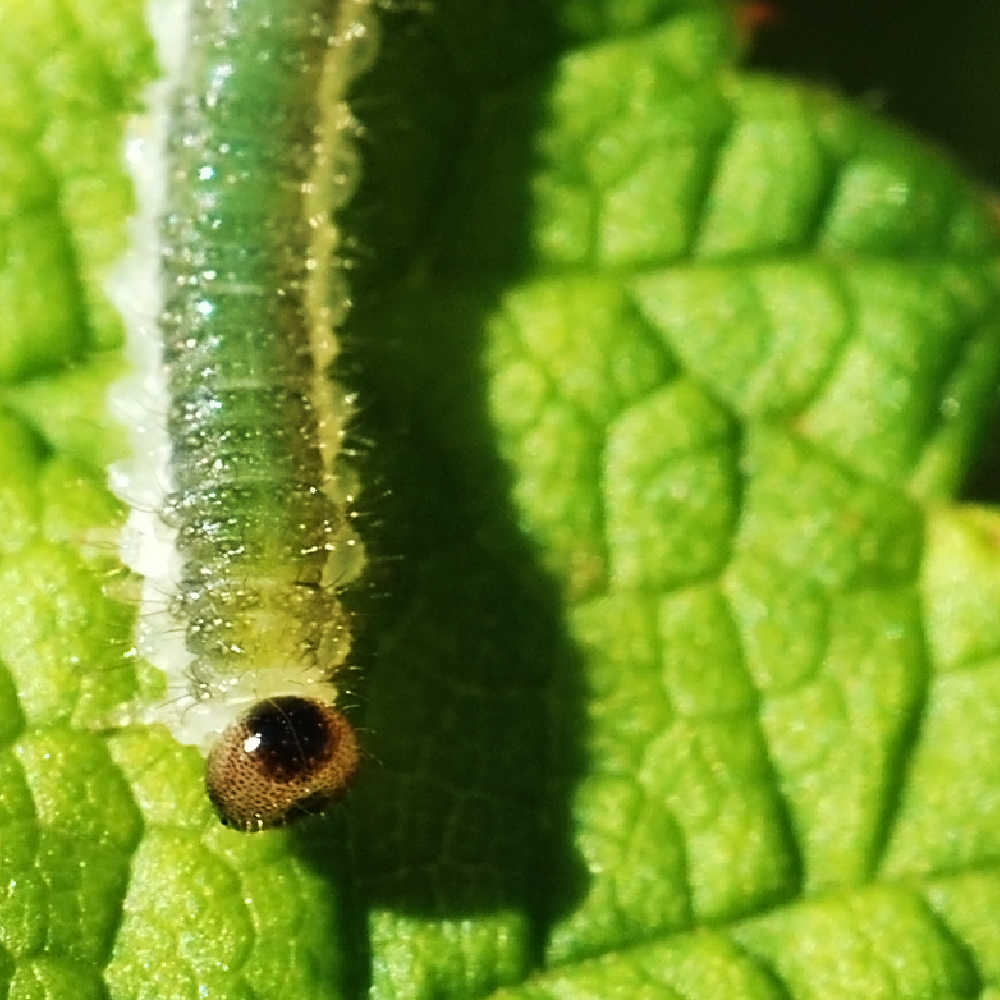
These are all common raspberry pests you may see on your canes :
- Raspberry Beetle / Worm
- Raspberry Sawfly
- Raspberry Aphids
- Raspberry Cane Borers
- Raspberry Leaf & Bud Mite
- Spotted Wing Drosophilia
- Picnic Beetles
Most can be easily spotted and picked off manually and with a few exceptions don't do much damage.
Raspberry Beetle & Worm
Small ladybird-sized brown beetle lays white-brown Raspberry Worm larvae in fruit. Infected fruit get dry grey-brown patches. They over winter in soil emerging in spring. Read this guide on How To Control Raspberry Worms for more help.
Raspberry Sawfly
The caterpillars of raspberry sawfly eat whole leaf leaving only veins intact. Clusters are easy to spot and pick off for drowning in soapy water.
Raspberry Cane Borers
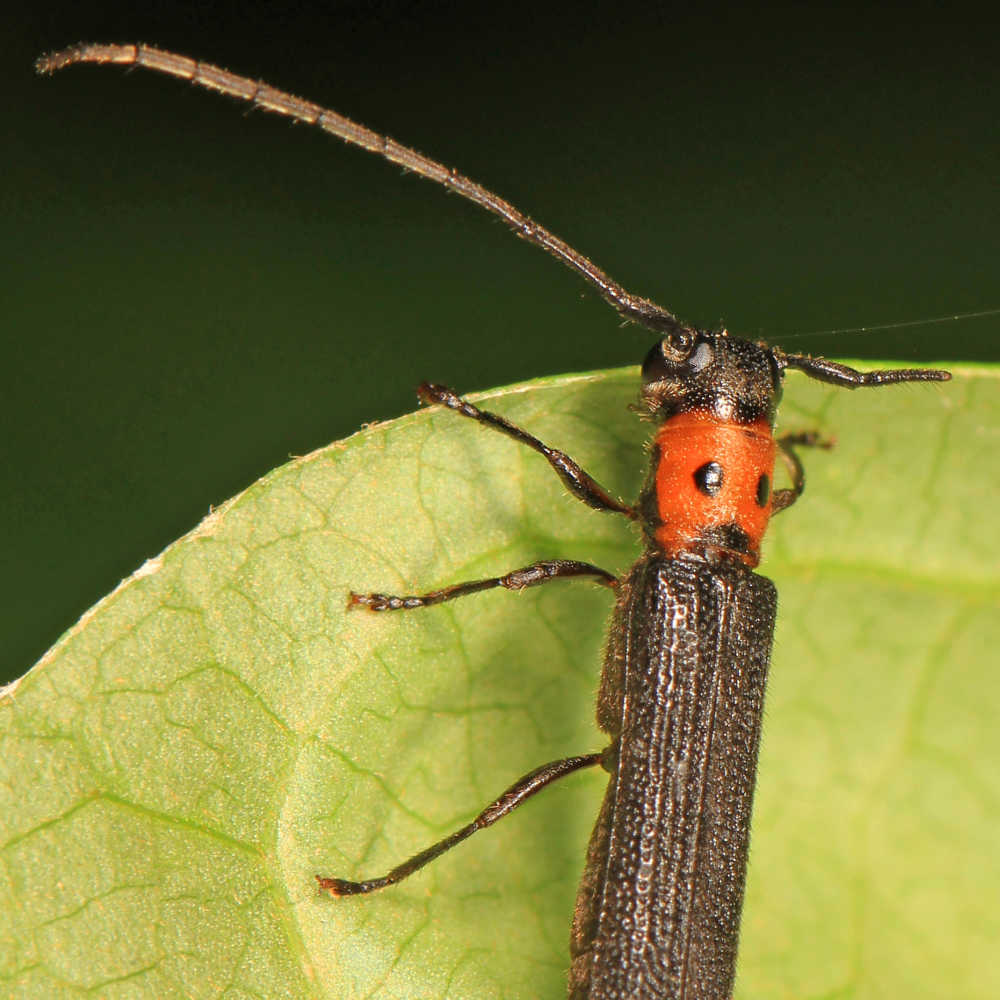
If raspberry cane tips are wilting or black, look out for striking thin beetles who lay eggs inside cane.
Raspberry Aphids
Raspberry aphids cause leaf curl cutting yield & spreading disease. Remove from under side of leaves with soapy water. Encourage ladybirds & lacewings as predators.
Raspberry Leaf & Bud Mite
This tiny sap sucking mite causes yellow patches in leaves but doesn't damage overall cane or fruit.
Spotted Wing Drosophila
This fruit fly lays white larvae in raspberries. Control by harvesting fruit as soon as ripe and hanging DIY fly traps to catch adults.
Picnic Beetles
1cm long brown-black beetles with yellow-orange spots that eat berries. Don't leave old rotten fruit on canes.
Raspberry Diseases
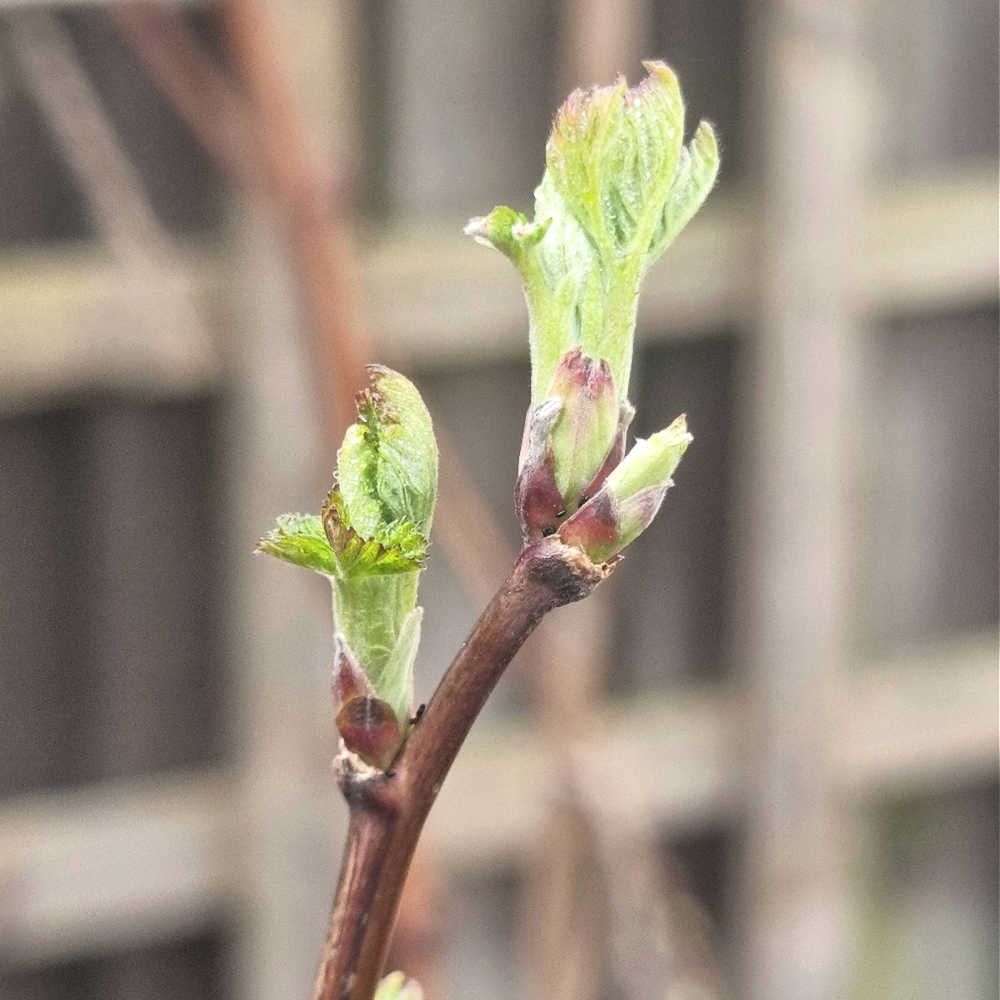
Raspberry canes in moist but not soggy ground with plenty of air circulation typically flourish but canes growing in poor conditions can suffer from these diseases :
- Raspberry Root Rot
- Raspberry Spur Blight
- Raspberry Cane Blight
- Raspberry Rust
Raspberry Root Rot
Wilting brown leaves, dying plants and rotting roots are signs of raspberry root rot from poor soil drainage. If growing in shelter of fence raise bed to prevent water logging. Don't over water plants.
Raspberry Spur Blight
Purple, brown & then black markings beneath leaves & bud in lower parts of new green canes are signs of raspberry spur blight from poor air circulation. Thin out weaker canes to increase space and air flow.
Raspberry Cane Blight
Cracking second year canes and pinhead black fungi are signs of raspberry cane blight. Good air flow is best prevention. Destroy infected canes & change top soil.
Raspberry Rust
Yellow fungus on leaves is caused by raspberry rust which can reduce yields. Poor air flow is the typical cause. Thin weak canes for better circulation.
9. Best Companion Plants For Raspberries
Raspberry companion plants help :
- Feed raspberry canes
- Keep away raspberry pests
- Prevent disease
- Provide ground cover
- Increase growing space.
But there are some plants best kept away from your raspberry canes.
So in this section I'll explain the best vegetables and herbs to grow with raspberries in a small space and plants to avoid near raspberries.
Best Vegetables & Herbs To Grow With Raspberries
These vegetables & herbs are great companion plants for raspberries growing in a small space :
- Alliums
- Turnips
- Peas
- Chamomile
- Spinach
Alliums
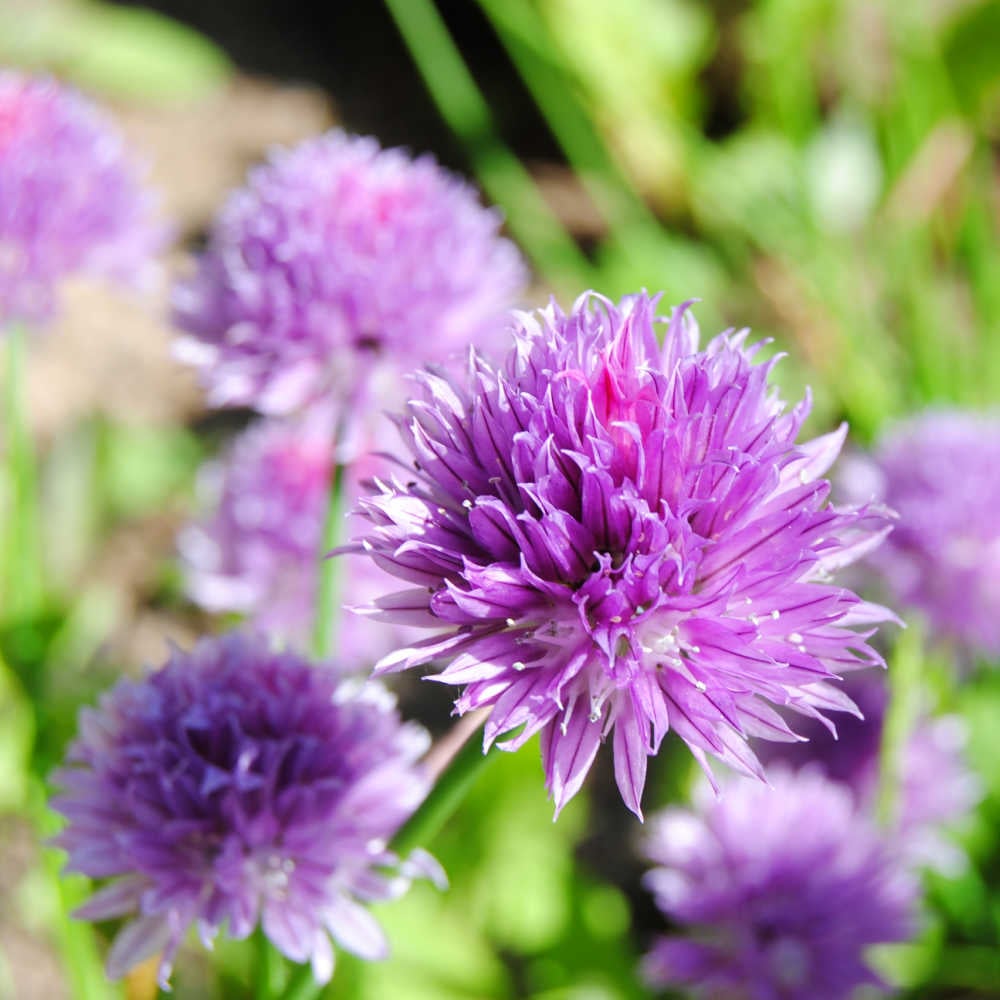
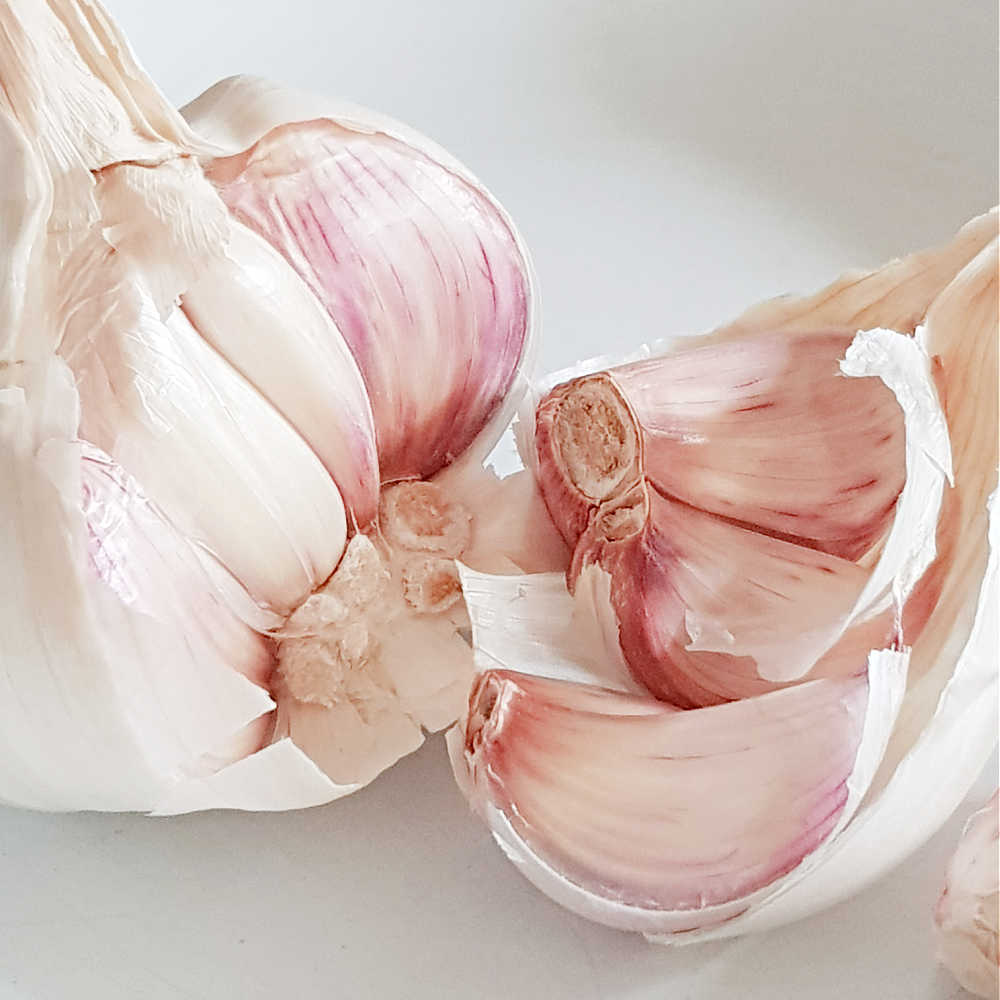
Onions, leeks, garlic & chives repel pests and act as a natural fungicide. They are also all natural antibiotics. Growing chives as companion plants will help attract pollinating bees.
Turnips
Vitamin C rich turnips with their delicious leaves - who knew? - are a super food. They have anti-fungal properties and enrich soil for raspberries and will grow in shade.
Peas
Small bush peas can be grown in front of raspberries to help feed soil without stopping air circulation.
Chamomile
Pretty chamomile is another very useful companion plant for raspberries as it is a natural fungicide that attracts pollinators. It is also a great natural remedy for headaches and sore throats and is a natural antibiotic and antihistamine.
Spinach
I grow spinach as a companion plant in front of my raspberries right through summer as it makes good use of shady space in a small garden.
Other Good Companion Plants For Raspberries
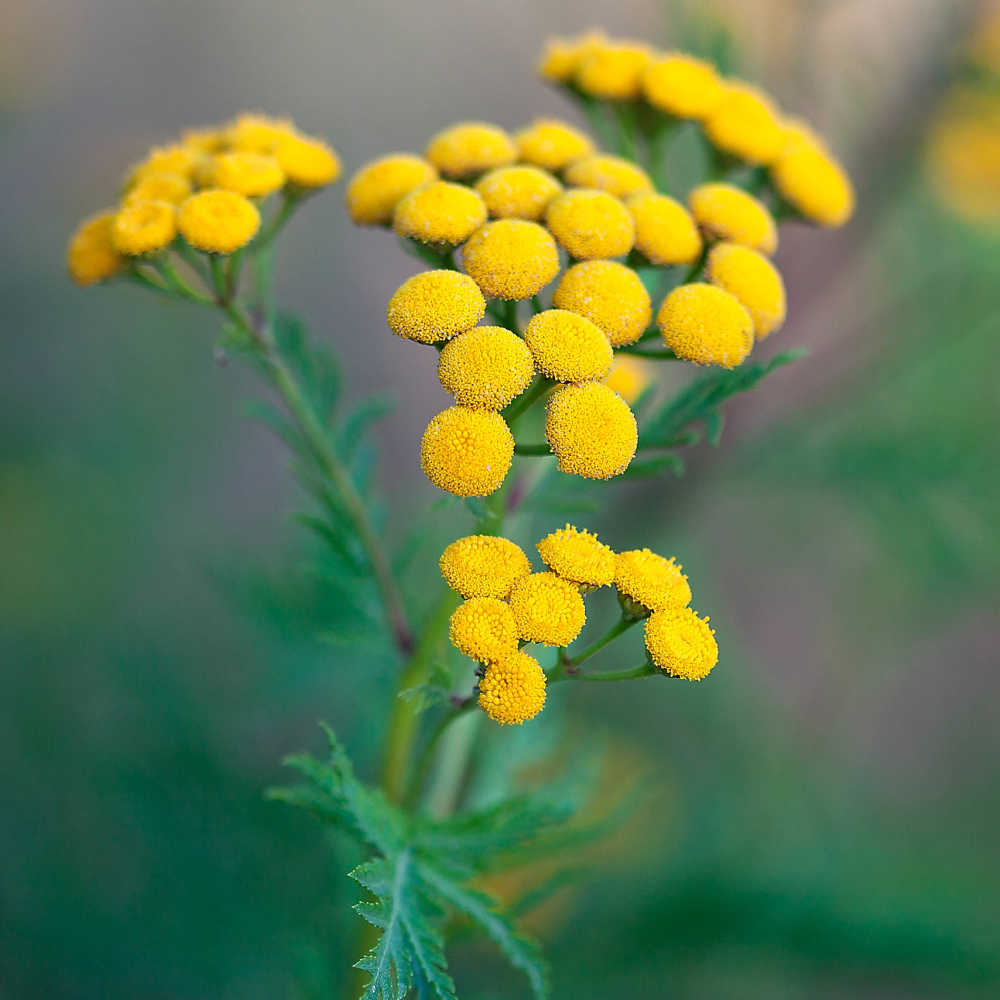
Other good companion plants for raspberries include traditional herbs and flowers such as :
- Tansy
- Yarrow
- Chervil
- Nasturtiums
They help repel bugs and can provide ground cover that help keep foxes and cats off garden beds.
Plants To Avoid Near Raspberries
Finally, you should avoid growing these plants near raspberries as they are vulnerable to verticillium wilt which can spread to raspberries :
- Tomatoes
- Aubergine
- Peppers
- Potatoes
Also be careful growing other fruit like blackberries and gooseberries close to raspberries as they too are vulnerable to fungal disease. Cramming them all in a small space risks fungal problems in your soil.
And there we go!!
Everything you need to know about growing raspberries in a small space. Shout if you have questions.
Do bookmark or save on Pinterest to come back to.
And for more simple gardening tips check out my other grow you own posts and follow me on Pinterest
Creative commons images : Tansy, Rawpixel, Picking Raspberries, Raspberry Shoot, Raspberry Cutting. All other images belong to sloely.com.
Perimenopause Symptoms & Signs


The signs and symptoms of perimenopause are being covered more in the media but too often the signs and symptoms described are menopause not perimenopause symptoms.
Perimenopause starts in our late thirties - a decade before we hit full menopause - and the symptoms of perimenopause are very different from those of menopause.
As a result many of us don't recognise weird symptoms in our forties as sure signs of perimenopause or know how to ease them.
So I have got for you here a guide to key symptoms of perimenopause including :
- Major Menstrual Cycle Changes
- Nutritional Deficiencies
- Inflammation
- Mental Health Issues
- Body Image Problems
PLUS the key warning signs these symptoms are flagging about our overall body health and how addressing these symptoms can ease menopause when it does come.
Do bookmark or save on Pinterest for quick reference.
This post is not qualified medical advice. See a doctor for unexplained symptoms.
Perimenopause Symptoms
Table of Contents
Menstrual Cycle Changes During Perimenopause

Perimenopause initiates key changes in our menstrual cycle we all need to know about :
- Heavier Periods
- More Frequent Periods
Heavier Periods
Heavier periods are common in early perimenopause. They may become so heavy we need to change sanitary protection hourly which can fuel stress and anxiety.
Many women have to double up protection with tampons or a menstrual cup PLUS sanitary towels or period pants.
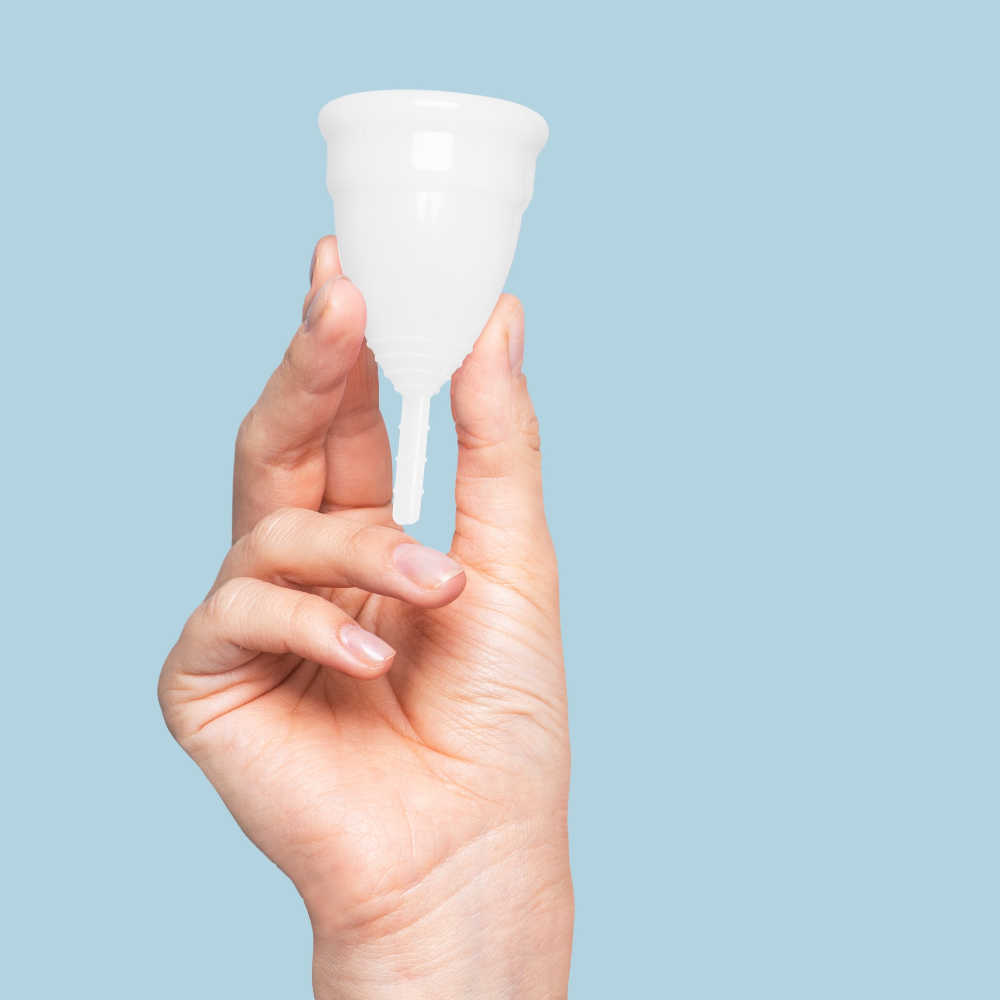
If you are struggling do have a read of this article on heavy periods during perimenopause - you really are not alone.
More Frequent Periods
More frequent periods is another common sign of perimenopause. Your regular four week cycle may become three weeks or even fortnightly with all the PMS and period pain challenges that go with that.
Changes in period frequency can be signs of other medical problems so do seek medical advice if they become more frequent.
Perimenopause & Serious Nutritional Deficiencies

The changes in our menstrual cycle can in turn cause severe nutritional deficiencies and serious health problems including :
- Anaemia
- Extreme Fatigue
- Poor Immunity
- Bad Gut Health
Anaemia
Menstruating girls and women are always at risk of iron deficiency but heavier, more frequent periods in our early forties can increase our risk of anaemia.
Common symptoms of iron deficiency such as extreme fatigue and brain fog are often mistaken for hormone imbalance from perimenopause and menopause.
If you have heavy, frequent periods and do not eat red meat get your iron checked.
The good news is we can remedy iron deficiency fast with a diet of iron rich foods.

Extreme Fatigue
Perimenopause can trigger extreme fatigue in which we struggle to get through the day.
Fatigue is a common symptom of iron deficiency - do get checked - but also a sign our body is not handling hormonal changes.
Hormone balancing issues in perimenopause are often rooted in our :
- Pancreas : due to excess sugar
- Liver : from excess alcohol
- Adrenal glands : magnesium deficiency.
A six week sugar and alcohol fast combined with a magnesium rich diet may help hormonal health and ease fatigue.
Poor Immunity
Heavy and frequent periods during perimenopause undermine our immune system. Nutritional deficiency from excess blood loss e.g. anaemia makes us vulnerable to infections and conditions like pneumonia.
It is essential to feed our immune system during perimenopause so it efficiently fights infection without triggering inflammation.
Gut Health
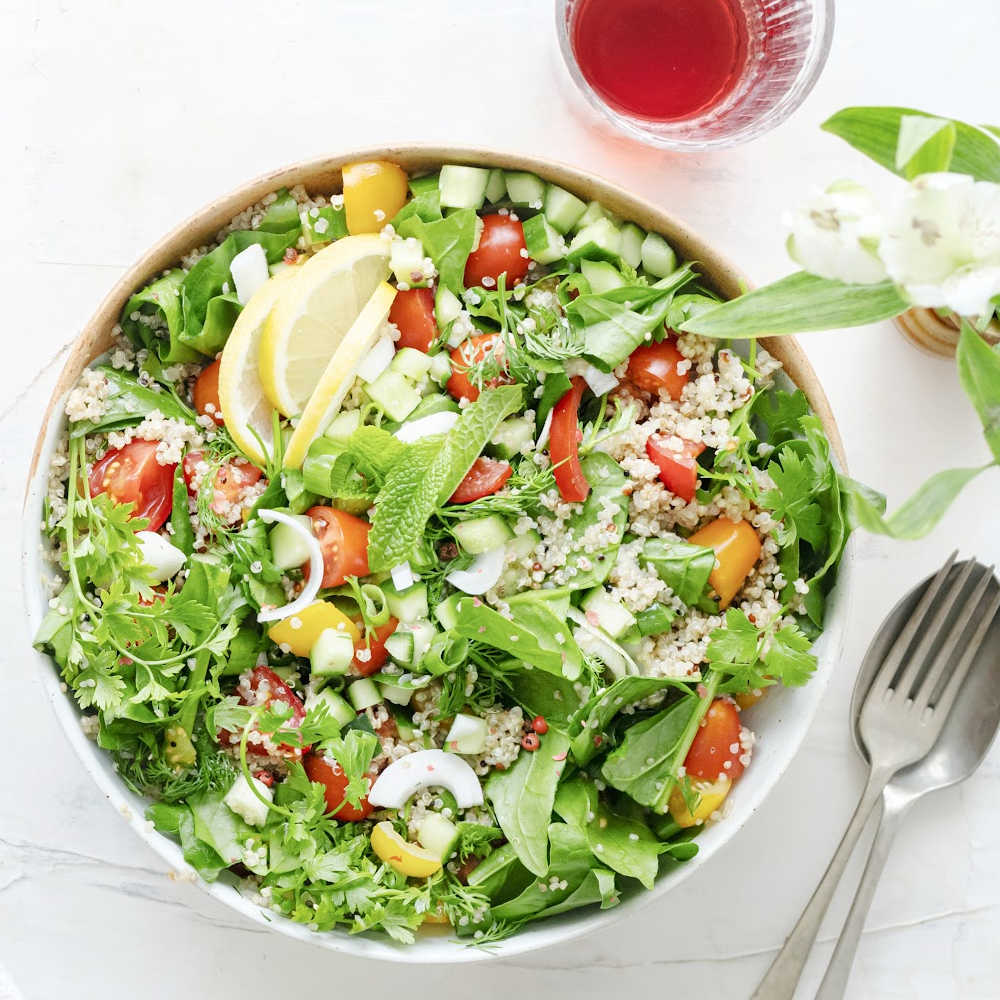
It is easy to write gut health off as a fad but there is a complex connection between our gut bacteria and reproductive hormones.
Gut bacteria levels and diversity impact the flow of oestrogen in our body but oestrogen flow may also impact gut bacteria diversity.
So gut health issues in our forties e.g. gastritis, IBS, can be a sign of oestrogen processing problems in perimenopause.
Use these simple steps to restore gut health without forking out for fancy probiotics.
Perimenopause & Inflammation

Perimenopause is often tied to a wide range of inflammation symptoms in our bodies :
- Lumps In Glands
- Bloating
- Swollen Joints
- Constipation
- Sinusitis
- Migraines
Take medical advice for such symptoms as they can indicate severe illness.
Lumps In Glands
During perimenopause you may find lumps in glands e.g. in armpits, crotch and neck.
Always see a doctor as they can be symptoms of serious conditions.
However, they can also be signs of :
- Hormone imbalance
- And / or a weakened immune system.
And the underlying triggers of these as we have seen can be alcohol and sugar, magnesium deficiency and anaemia.
The good news is you may be able to fix these underlying triggers fast with :
- 6 week sugar fast
- 6 week alcohol fast
- Good quality, free range red meat
- Magnesium rich food such as green soup
- And plenty of daylight daily.
Bloating

Uncomfortable bloating is a pretty common symptom during perimenopause and is often connected to other perimenopause symptoms such as anxiety and constipation.
Use this guide to quick natural bloating remedies to get to the bottom of yours.
Always see a doctor for persistent or frequently recurring bloating symptoms.
Swollen Joints
Some women experience swollen joints e.g. ankles, knees in perimenopause in addition to bloating. These can be as a result of hormone imbalance causing fluid retention.
The quickest ways to improve hormone balance are again sugar and alcohol fasting and magnesium rich food PLUS good quality fats. Fats are actually needed to produce hormones so low-fat diets can be disastrous.
Make sure your diet includes fats from :
- Nuts
- Seeds
- Eggs
- Non-farmed fish
- Pasture fed dairy from cows, goats & sheeps that have not had hormone supplements
- Meat free from added hormones.
Seek qualified medical advice for persistent or recurrent swollen joints.
Constipation
Constipation is a common problem during periods that aggravates pain and PMS. It can become worse during perimenopause.
Follow this guide for quick, simple steps to relieve constipation relief naturally.
Sinusitis & Sinus Infections

Repeated bouts of sinusitis and sinus infections can - very strangely - be signs and symptoms of perimenopause.
Again the underlying issues are hormone imbalance - ditch sugar & alcohol, boost magnesium & great fats - but these simple sinus remedies can give quick relief.
Migraines

Acute migraines can be a very distressing symptom of perimenopause. The underlying triggers are again typically nutritional deficiency and / or hormone imbalance.
Simple natural headache remedies can help us avoid dependency on pain killers but we need to tackle the common core causes :
- Iron deficiency
- Magnesium deficiency
- Frequent constipation
- Poor liver function due to excess alcohol
- General inflammation from sugar.
Some of us will have other migraine triggers but these 5 are the base line. We must tackle them for other treatments to work.
Seek qualified medical advice for recurrent headaches and migraine.
Perimenopause & Mental Health

Perimenopause is the start of a new stage of our lifecycle. Our body and the supporting chemistry of our emotions are changing.
The process of change can make emotions erratic just as it does in puberty. And the change itself can be discombulating - we're meeting a new self we don't yet know!
So perimenopause can be associated with mental health challenges including :
- Overwhelming anxiety
- Explosive anger
- Panic attacks.
However, these perimenopause "symptoms" can - yet again - be big red flashing light signs of basic issues with our metabolism.
That doesn't mean the symptoms aren't very real but it can mean the basic cause of the problem is NOT "the change" but our body's inability to handle the change smoothly.
Luckily there are lots of simple ways to help our metabolism cope with the change better.
Overwhelming Anxiety

Increased and erratic waves of anxiety can be common in perimenopause. Some women experience high waves of anxiety in the morning during perimenopause.
The stress hormones such as cortisol are closely connected - for very good reasons - to our reproductive hormones as effective anxiety keeps us and our babies alive!!
So our experience of anxiety will change as our reproductive hormones decline.
However poor metabolism due to our diet can send these changes haywire :
- Caffeine over stimulates cortisol
- Sugar makes it very erratic
- Persistent iron deficiency undermines production of hormones and neurotransmitters such as serotonin which we need to balance out stress hormones
- As can low fat diets
- And diets low in protein.
Many of us in our forties are on faddish low fat, semi-vegetarian diets with little protein and no red meat that leave us so tired we devour cookies and caffeine to keep going.
So for some of us the simple solution to anxiety in perimenopause is to slash sugar and enjoy slap-up steaks instead!
Some people need professional mental health support for severe anxiety.
Flashes of Anger

Some women struggle with explosive bouts of anger in perimenopause. It can put pressure on family and work relationships and be a source of great shame.
The causes again can lie in the balance between reproductive hormones and mood boosters such as serotonin and oxytocin.
HRT is often prescribed for extreme anger in menopause to rebalance hormones.
But simple lifestyle changes when we first have flashes of anger in perimenopause can reduce the need for HRT later :
- Huge dollop of daylight daily for melatonin
- Good range of healthy fats
- More magnesium rich food
- Slash sugar and caffeine
- Sufficient protein including collagen from DIY bone broth & meat cooked on bone ...

Panic Attacks & Palpitations
Anxiety and anger in perimenopause can turn into panic attacks. Erratic oestrogen decline can also rapidly increase our heart rate and cause palpitations.
Panic attacks and palpitations can both trigger more anxiety. But we can easily :
- Boost mood with the simple changes above
- Steady heart rate with breathing exercises.
Always seek qualified medical advice if you experience palpitations.
Perimenopause & Body Image

Our body image can change in surprising and striking ways in perimenopause :
- Acne
- Deepening Voice
- Facial Hair
Acne
Sadly, acne in our forties can be a symptom of perimenopause as hormone imbalance brings us out in spots as it did in our teens!!
We can end up feeling insecure about sudden spots but it makes sense to tackle our hormone imbalance before following typical treatments for the perimenopausal acne itself which can be very harsh.

The 3 simplest ways to balance hormones and relieve perimenopause acne are :
- Seriously slash sugar
- Eat magnesium rich greens
- Spend at least an hour outdoors daily.
If you don't eat red meat, skin cells can also be weakened by B12 and iron deficiency.
Deepening Voice
A deepening voice in our late thirties can be the first symptom of perimenopause as our larynx is sensitive to declining hormones.

Some women love it but others find it very challenging for their body image. We can strengthen our larynx and voice control with simply humming and breathing exercises.
Facial Hair
Facial hair growth is typically a late perimenopause symptom but starts earlier for some women and can be distressing.
Body hair changes are a natural consequence of changing reproductive hormones but they can be exacerbated by :
- Too much sugar and insulin resistance
- A diet high in carbohydrates
- Excess cortisol from persistent stress triggers including constant phone and screen use.
Other Weird Signs And Symptoms Of Perimenopause

Perimenopause symptoms really do come in all sorts of shapes and sizes and in some cases are downright weird including :
- Morning Sickness
- Metallic Taste
Morning Sickness
Morning sickness in our forties can actually be a sign of perimenopause. Who knew?
The underlying trigger is falling oestrogen but protein deficiency on a semi-vegetarian or vegan diet can exacerbate symptoms.
If you are suffering try these simple pregnancy nausea remedies for instant relief.

Metallic Taste
A strange metallic taste in our mouth can also be a sign of perimenopause.
The glands that produce our saliva are actually very sensitive to hormone fluctuations and low saliva leaves our mouth dry or burning and make food taste weird.
Falling saliva is part of ageing but also a handy warning flag our hormones aren't happy and need bringing back.into balance.
Simple Energy Boosting Perimenopause Remedies

All these perimenopause symptoms are clear warning signs to check in on our core metabolism and show it some love.
Super simple tweaks can transform our forties and help us thrive through our fifties :
- Slash all added sugar PLUS sodas
- Eat great red meat twice weekly (or take B12 & iron supplements and test regularly)
- Eat leafy greens daily
- Give up alcohol for 6 weeks yearly
- Eat natural fats daily e.g. organic dairy, seeds, nuts, eggs, non-farmed fish
- Include protein in every meal
- Spend an hour outside daily
- Walk or cycle 30 minutes daily
- Do an hour's active work daily e.g. cleaning, gardening, DIY if your job is sedentary
- Detox for 6 weeks annually from addictive stress triggers e.g. caffeine, social media.
That really is it - we truly can balance our hormones and fight fatigue without fancy diets or expensive supplements!!
By caring for our core we allow our bodies to embrace change, not fight it.
I do hope this guide to perimenopause signs helps - if nothing else, do slash sugar and fix your iron if you're not a red meat eater.
For more simple healthy tips to help you flourish in midlife check out these posts :
- How To Sleep Better
- Reduce Inflammation Fast
- Quick Constipation Relief Naturally
- Quick Natural Bloating Remedies
- Natural Remedies For Headaches
- 75 Iron Rich Foods
- Natural Remedies For Stomach Pain
- Natural Remedies For UTI
Do bookmark or save the guide for quick reference. And follow me on Pinterest ...
Original image sources : rawpixel.com
- « Previous Page
- 1
- …
- 10
- 11
- 12
- 13
- 14
- …
- 48
- Next Page »